Ceramide Japanese Skincare Products: Budget List and Guide
Shopping GuideBy Miho Tanaka
Maintaining a strong epidermal barrier often feels expensive in Western markets, where ceramide-infused creams frequently carry luxury price tags. In Japan, however, barrier-supporting skincare is considered a daily staple rather than an occasional splurge. Japanese drugstores feature an impressive array of budget ceramide skincare formulas ranging from massive half-liter lotion bottles to dermatologically tested barrier creams for under 2,000 yen.
Quick answer:
What are the best budget ceramide Japanese skincare products?
Top budget ceramide Japanese skincare products combine high biocompatibility with affordable drugstore pricing (typically 700 to 2,500 JPY). Popular affordable staples include **Cezanne Skin Conditioner High Moist** (jumbo multi-ceramide lotion), **Curél Moisture Facial Cream** (functional pseudo-ceramides for sensitive skin), **Matsuyama Hadauru Moisturizing Infusion** (5 human-identical ceramides with soybean ferment), and **CareCera AP Face & Body Milk** (multi-ceramide barrier emulsion). These products replenish intercellular lipids, preventing moisture loss without breaking your beauty budget.
Why Ceramide Skincare in Japan Offers Unbeatable Value
Conclusion: Japanese cosmetic chemistry delivers potent barrier-restoring ceramides at accessible drugstore prices through advanced mass-production and proprietary lipid synthesis.
Ceramides represent roughly 50% of the intercellular lipids that bind skin cells together in the stratum corneum. When skin lacks ceramides—whether from harsh cleansing, cold weather, or genetic barrier conditions—microscopic gaps form between surface cells, accelerating transepidermal water loss and allowing ambient irritants to trigger redness.
Japanese manufacturers have prioritized ceramide research for decades:
Proprietary Synthesis: Research laboratories like Kao Corporation developed synthetic pseudo-ceramides that replicate the moisture-locking lamellar structure of natural human skin lipids at a fraction of the cost of extracted lipids.
High-Volume Accessibility: Rather than marketing ceramides solely as high-end anti-aging luxury items, Japanese brands package them into generous everyday sizes designed for liberal daily application across the face, neck, and body.
Formulation Synergy: Budget Japanese ceramide products frequently combine multiple lipid types with complementary humectants like hyaluronic acid, glycerin, and fermented amino acids, maximizing moisture retention.
Understanding Ceramide Types on Japanese Drugstore Labels
Conclusion: Deciphering between human-identical ceramides, synthetic pseudo-ceramides, and botanical extracts helps you choose the most effective formula for your barrier needs.
When browsing Japanese beauty aisles, you will encounter three primary categories of ceramides on ingredient labels:
1. Human-Identical Ceramides (Hitogata Seramido)
These compounds possess molecular structures identical to the ceramides naturally produced in human skin. On Japanese ingredient lists, they are identified as Ceramide EOP (1), Ceramide NG (2), Ceramide NP (3), Ceramide AG (5), and Ceramide AP (6II). They integrate smoothly into the epidermal lipid matrix, offering exceptional biocompatibility and moisture retention.
2. Pseudo-Ceramides (Giji Seramido)
Pioneered by Japanese dermatological brands like Curél, pseudo-ceramides are synthetic lipid analogues—most commonly Cetyl-PG Hydroxyethyl Palmitamide. They mimic the natural water-retaining properties of skin ceramides with exceptional chemical stability, low irritation risk, and significantly lower manufacturing costs.
3. Plant and Fermented Ceramides (Shokubutsusei Seramido)
Derived from agricultural botanicals such as rice bran (kome-nuka), yuzu citrus peel, or yeast fermentation, these natural lipids offer gentle conditioning properties and antioxidant benefits, often complementing synthetic or human-identical ceramides.
Top Budget Ceramide Japanese Skincare Comparison Table
Conclusion: Comparing popular drugstore ceramide picks by formula type, active lipid variety, and price helps identify the right match for your routine.
The table below summarizes leading budget ceramide skincare items available across Japanese drugstores and beauty retailers:
When selecting barrier moisturizers for acne-prone skin, DO choose skin care products that are labeled “oil free” and “noncomedogenic.”[2]
Detailed Reviews of Leading Drugstore Ceramide Picks
Conclusion: Each budget ceramide formulation offers distinctive texture and lipid ratios designed for specific barrier requirements.
1. Curél Moisture Facial Cream (Kao Corporation)
Widely regarded as the benchmark for sensitive skin in Japan, this lightweight yet deeply protective cream utilizes Kao's functional pseudo-ceramides combined with soothing eucalyptus extract. It features an airy, whipped texture that absorbs without stickiness while providing long-lasting barrier resilience for hypersensitive skin.
2. Cezanne Skin Conditioner High Moist
For maximum volume per yen, Cezanne's High Moist lotion is virtually unmatched. Formulated with three human-identical ceramides (NP, AP, EOP) along with hyaluronic acid and amino acids, this half-liter bottle is alcohol-free and fragrance-free, making it an exceptional base for the lotion pack method or all-over body hydration.
3. Matsuyama Hadauru Moisturizing Line
Matsuyama combines traditional soap-making craftsmanship with modern dermatological science. The Hadauru line features soybean ferment extract paired with five distinct human-identical ceramides. It is formulated without alcohol, mineral oil, parabens, or synthetic fragrance, making it a favorite for reactive and allergy-prone skin types.
4. CareCera AP Face & Body Milk (Rohto Pharmaceutical)
Developed by Rohto Pharmaceutical, CareCera AP focuses on dry, rough skin with compromised barrier function. Featuring eight natural and peptide ceramides alongside skin-identical lipids, this pump milk glides effortlessly, replenishing natural moisture without feeling heavy under daytime sunscreen.
How to Incorporate Budget Ceramides into Your Daily Routine
Conclusion: Layering a watery ceramide lotion beneath a ceramide-rich milk or cream provides multi-depth barrier replenishment.
To achieve maximum barrier support without spending a fortune, integrate your budget ceramide products into a consistent morning and evening sequence:
Step 1: Gentle Cleansing Preparation
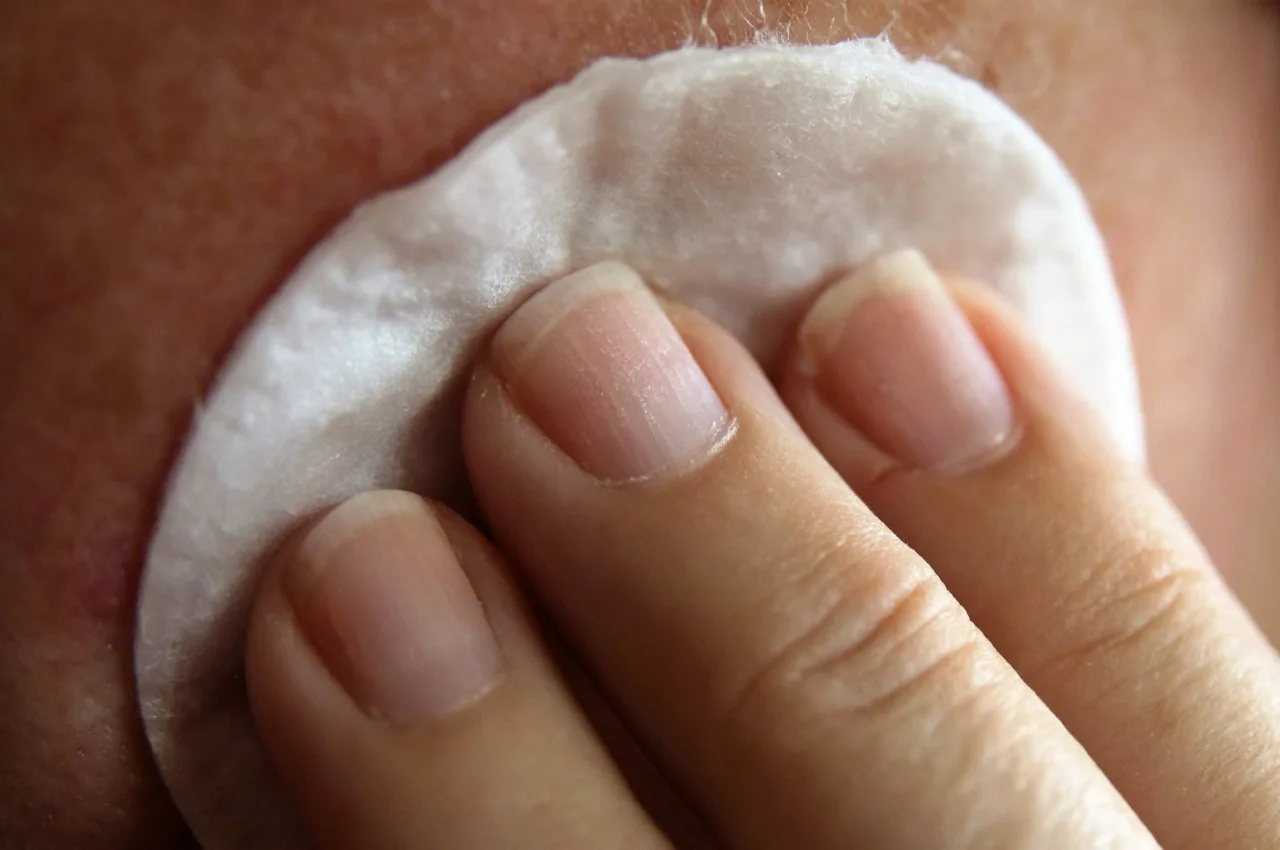
Cleanse your skin gently with lukewarm water. Wet your face with lukewarm water and use your fingertips to apply cleanser.[1] Keep cleansing brief; limit baths and showers to five to ten minutes, using warm water.[3] Never scrub with physical brushes or harsh washcloths. Resist the temptation to scrub your skin because scrubbing irritates the skin.[1] Rinse with lukewarm water and pat dry with a soft towel.[1]
Step 2: Flood the Barrier with Ceramide Lotion
Within 30 seconds of drying, pour a generous splash of budget ceramide lotion (such as Cezanne or Matsuyama) into your palms. Press gently into the cheeks, forehead, and neck using flat palms (hand press). Pat lightly until the skin feels bouncy and cool to the touch.
Step 3: Seal with a Ceramide Emulsion or Cream
Follow immediately with your ceramide milk or cream (such as Curél or CareCera) while your skin is still damp. DO apply moisturizer after cleansing. Although you have oily skin, it is still important to apply moisturizer to keep your skin hydrated.[2]
While washing, resist the temptation to scrub your skin, even to remove makeup.[2] Apply the same delicate, non-dragging touch when smoothing your ceramide moisturizer across the skin.
If your moisture barrier is acutely damaged or peeling, reapply your ceramide cream several times throughout the day. Apply moisturizer several times a day. Moisturizer plays a key role in healing dry skin.[3]
Signs to Stop and When to See a Doctor
Conclusion: Discontinue product use immediately if you develop sudden stinging, swelling, or contact dermatitis.
While ceramides are biocompatible skin-identical lipids, auxiliary ingredients—such as emulsifiers, botanical ferments, or preservatives—can occasionally cause allergic contact dermatitis in sensitized individuals. Discontinue use and rinse with cool water if you experience:
Stinging, prickling, or heat radiating from the skin upon application
Sudden rough red patches or swelling around the eyes and mouth
Itchy hives or small follicular papules across the cheeks
Worsening irritation that fails to improve after 48 hours
Consult a board-certified dermatologist for persistent skin inflammation. A medical doctor can evaluate your epidermal barrier, perform allergen patch testing, and recommend appropriate gentle skincare.
FAQ
Q1. Can budget ceramide products be as effective as luxury barrier creams?
A. Yes, budget Japanese ceramide products frequently match the barrier performance of luxury alternatives. (Details)
Japanese cosmetic houses produce ceramides at massive industrial scale, allowing them to include authentic human-identical and pseudo-ceramides in affordable drugstore formulas. You are paying for proven lipid science rather than expensive marketing campaigns or ornate glass jars.
Q2. Are human-identical ceramides better than pseudo-ceramides?
A. Both types offer outstanding barrier support benefits with distinct advantages. (Details)
Human-identical ceramides (NP, AP, EOP) precisely match natural skin lipids, offering superior cellular biocompatibility. Pseudo-ceramides (like Curél's Cetyl-PG Hydroxyethyl Palmitamide) provide exceptional structural stability, lower irritation rates for hypersensitive skin, and accessible pricing.
Q3. Can oily or acne-prone skin use ceramide products?
A. Yes, oily skin often suffers from barrier dehydration that benefits greatly from lightweight ceramides. (Details)
Ceramides are natural structural lipids, not pore-clogging heavy oils. Dehydrated oily skin often overproduces sebum because its moisture barrier is deficient in ceramides. Opt for a watery ceramide lotion or a lightweight oil-free emulsion to replenish the barrier without greasy residue.
Q4. Where can I buy budget ceramide skincare in Japan?
A. Standard Japanese drugstores like Matsumoto Kiyoshi, Sundrug, and Daikoku Drug carry the full range. (Details)
You can find Curél, Cezanne, CareCera, and Kikumasamune in almost any Japanese drugstore aisle or megastore like Don Quijote. Brand-specific lines like Matsuyama Hadauru are widely available at lifestyle specialty shops such as Loft, Tokyu Hands, and Tomod's.
Q5. How do I identify ceramides on Japanese ingredient lists (INCI)?
A. Look for Latin letters like Ceramide NP, AP, EOP, or the chemical name Cetyl-PG Hydroxyethyl Palmitamide. (Details)
On English INCI lists, human-identical ceramides are denoted as Ceramide followed by two letters (NP, AP, EOP) or numbers (1, 2, 3). Pseudo-ceramides appear as Cetyl-PG Hydroxyethyl Palmitamide. On Japanese packaging, look for the phonetic Japanese characters representing ceramide.
Summary
Accessible Barrier Science: Japanese drugstores offer advanced human-identical and pseudo-ceramide formulations at accessible prices (700 to 2,500 JPY).
Core Lipid Defense: Ceramides make up roughly 50% of epidermal intercellular lipids, preventing transepidermal water loss and shielding skin from environmental irritants.
Diverse Formulas: Choose between jumbo hydrating lotions (Cezanne, Kikumasamune), whipped barrier creams (Curél), clean formulas (Matsuyama), or multi-ceramide milks (CareCera).
Two-Step Synergistic Layering: Apply a watery ceramide lotion first to drench the stratum corneum, followed by a ceramide milk or cream to seal the barrier.
Gentle Hand Application: Press products gently into the face using flat palms (hand press) to avoid barrier-disrupting friction.
Disclaimer: This article is for general information and education about Japanese cosmetics and their labels. It is not a substitute for professional medical advice, diagnosis, or treatment. Skincare results vary from person to person. Product formulas, availability, prices, and regulations change, and products sold in Japan can differ from versions sold elsewhere, so always check the current label. Do a patch test before introducing a new product, and consult a doctor or dermatologist if you have a skin condition or specific concerns.