title: Duty-Free Cosmetic Shopping at Japanese Airports Guide slug: duty-free-procedure-at-japanese-airports-cosmetics category: shopping meta_description: Master duty-free cosmetic shopping at Japanese airports. Learn airside rules, STEBs liquid regulations, pre-ordering, and exclusive travel retail sets. date: 2026-11-19 author: Editorial Team hero_image: /images/stock/skincare-luxury-serum-dropper-bottle.jpg hero_alt: Luxury cosmetic serum bottle on marble representing airport travel retail prestige
Duty-Free Cosmetic Shopping at Japanese Airports Guide
Shopping for cosmetics at Japanese airport duty-free stores takes place after security and passport control (airside), meaning purchases are exempt from both Japanese consumption tax (10%) and import customs duties. Liquids, lotions, and creams exceeding 100ml are sealed in special tamper-evident bags (STEBs), allowing you to carry them onto non-stop international flights. To secure popular travel retail exclusive sets or high-demand Japanese beauty lines before they sell out, use airport pre-order reservation websites 1 to 30 days before departure and pick them up at the gate.
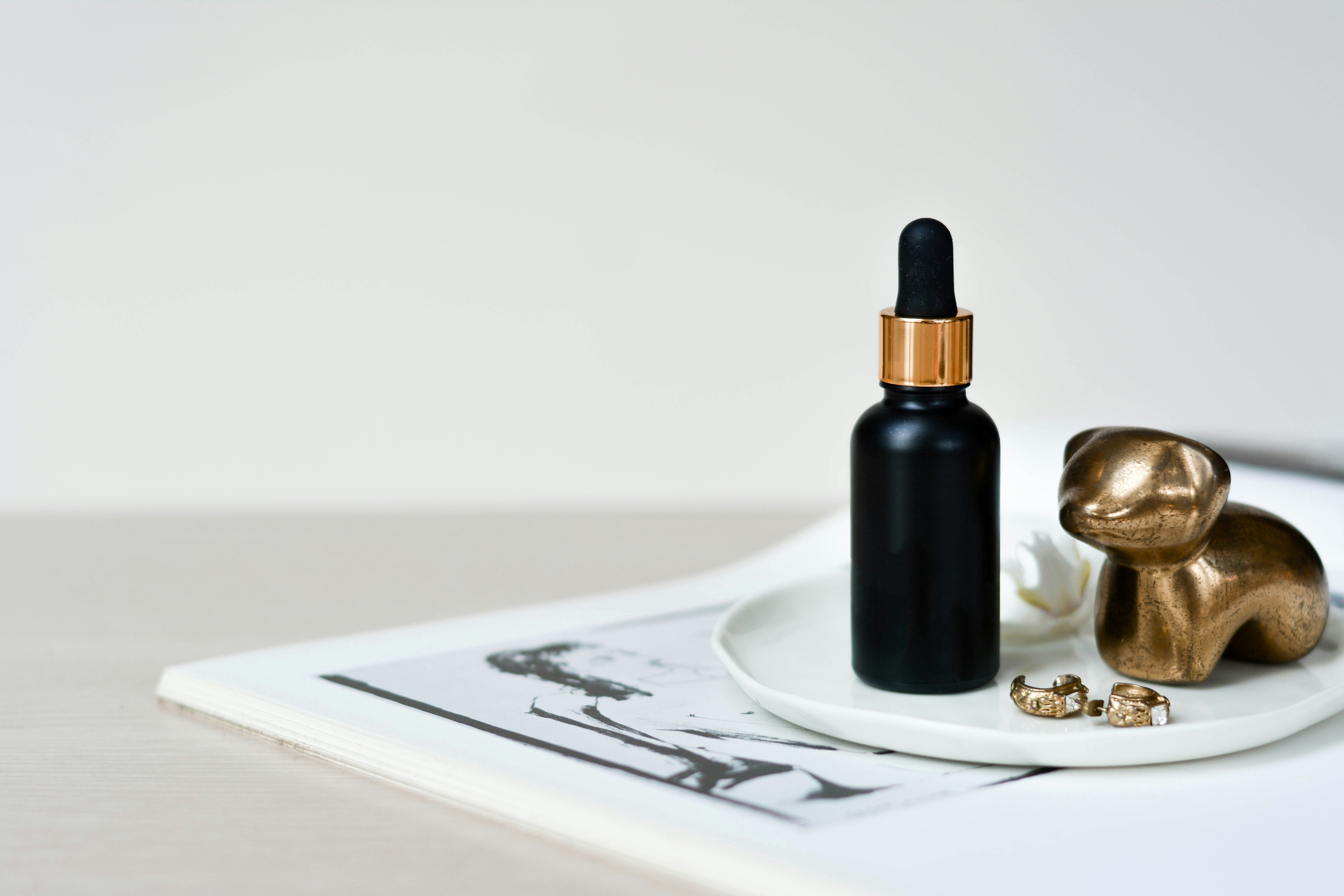
For beauty enthusiasts flying out of Japan, the international departure lounge offers a final, thrilling opportunity to acquire prestige skincare, multi-bottle value duos, and airport-exclusive packaging. Airside international airport retail stores are exempt from the payment of certain local or national taxes and duties[1], creating distinct pricing advantages compared to standard retail counters.
However, airport cosmetic purchasing follows different logistical rules than downtown tax-free shopping. Navigating international liquid carry-on regulations, tamper-evident security bags, and connecting flight restrictions is critical to prevent expensive lotions from being confiscated at security checkpoints.
1. Duty-Free (Airside) vs. Downtown Tax-Free: Key Distinctions
Many international travelers use the terms "tax-free" and "duty-free" interchangeably, but in Japanese commerce they represent two distinct regulatory frameworks:
Downtown Tax-Free (Consumption Tax Only)
Stores in downtown Tokyo, Osaka, or Kyoto (such as drugstores and department stores) offer tax-free shopping. This waives only Japan's 10% consumption tax. These products must remain packed in sealed plastic bags while inside Japan and are presented to customs at airport departure.
Airport Duty-Free (Customs + Consumption Tax)
Located strictly past passport control in international terminals, duty-free shops exempt shoppers from both consumption tax and national import tariffs. When travelers depart through gateways like Narita, an international airport serving the greater tokyo area[2], or Tokyo Haneda and Kansai International, airside boutiques carry:
- Travel Retail Exclusives: Jumbo-sized lotions (e.g., 250ml or 330ml bottles) and multi-pack sets unavailable in domestic stores.
- Immediate carry-on convenience: No need to repack suitcases or weigh checked luggage at check-in counters.
- Point-of-sale pricing: No separate tax refund paperwork or processing fees; prices marked on shelves are the final prices paid.
2. Navigating the Liquid Rules: The STEBs Security Bag System
The single most critical consideration when buying airport skincare is international liquid security.
Liquid carry-on restrictions follow standards set by the International Civil Aviation Organization, a specialized agency of the united nations[3]. Under standard rules (LAGs—Liquids, Aerosols, and Gels), passengers cannot pass through airport security checkpoints with liquid containers exceeding 100ml (3.4 oz).
Because airport duty-free shops are located after security screening, travelers can purchase full-size liquids, provided they observe specific handling protocols:
What Is a STEB Bag?
When you purchase lotions, emulsions, sunscreens, or perfumes over 100ml, airport cashiers place them into a Security Tamper-Evident Bag (STEB).
- The bag features a high-security tamper tape with visible warning text if opened.
- The cashier seals your itemized receipt visibly inside the transparent bag.
- Crucial rule: Do not break the seal or open the bag until you arrive at your final destination.
The Transit Flight Danger
If you are flying on a direct, non-stop flight to your home country, sealed STEBs bags are accepted in the cabin without issue.
However, if your journey involves a connecting flight or transit layover in another country (or even a domestic transfer within Japan before international departure), transit security checkpoints will inspect your carry-on luggage again. Some international transit airports do not recognize Japanese STEB seals and will confiscate liquids over 100ml. If you have an intermediate layover, verify the transit airport's transfer liquid policy before buying large bottles.
3. Comparison: Duty-Free Shopping Options in Japan
To plan your shopping budget efficiently, review how different retail avenues compare:
Scroll horizontally to view full table
| Shopping Venue | Tax / Duty Status | Product Selection | Packing & Transport |
|---|---|---|---|
| Airport Airside Duty-Free | Exempt from 10% tax + import customs | Prestige brands, jumbo sizes, travel duos | Carried as cabin baggage in sealed STEBs |
| Downtown Department Stores | Exempt from 10% consumption tax | Full brand catalog, limited seasonal runs | Must pack into checked bags (if >100ml) |
| Major Japanese Drugstores | Exempt from 10% consumption tax | Budget staples, daily sunscreens, sheet masks | Must pack into checked bags (if >100ml) |
| Downtown Duty-Free (e.g., Ginza) | Exempt from 10% tax + import customs | High-end luxury brands, boutique skincare | Purchased downtown, picked up at airport gate |