Japan Tax-Free Shopping Guide for Cosmetics: Rules & Limits
Shopping GuideBy Miho Tanaka
title: Japan Tax-Free Shopping Guide for Cosmetics: Rules & Limits
description: Tax-free cosmetic shopping in Japan since November 2026: pay in full, get tax refunded at departure. Learn the 5,000 JPY minimum and 90-day customs check.
meta_description: Tax-free cosmetic shopping in Japan since November 2026: pay in full, get tax refunded at departure. Learn the 5,000 JPY minimum and 90-day customs check.
published_at: "2026-11-17"
updated_at: "2026-11-17"
fact_checked_at: "2026-11-17"
author: "Miho Tanaka"
category: "shopping"
slug: "japan-tax-free-shopping-guide-for-cosmetics"
thumbnail: "/images/stock/drugstore-aisle-skincare-selection.jpg"
thumbnail_alt: "Japanese drugstore beauty aisle filled with cosmetics eligible for tax-free shopping"
affiliate: false
ja_equivalent: null
publish: true
Japan Tax-Free Shopping Guide for Cosmetics: Rules & Limits
Shopping for skincare, sunscreen, and beauty products in Japan is one of the most rewarding experiences for international visitors. From iconic drugstore aisles stocked with hydrating lotions to luxury department store counters, travelers can take advantage of Japan's consumer tax exemption system.
Qualifying international travelers can get the 10% consumption tax back on cosmetics bought in Japan[1]. The system changed on November 1, 2026: instead of paying without tax at the register, visitors now pay the full tax-inclusive price and receive a refund when they leave Japan[1]. Older guides, blog posts, and some store signs still describe the previous method, so check the date of any information you read.
Quick answer: How does tax-free shopping work for cosmetics in Japan?
For purchases made on or after November 1, 2026, eligible visitors pay the full price including 10% consumption tax, spending at least 5,000 JPY (before tax) per tax-free shop per day. Before leaving Japan (within 90 days of purchase, and before checking bags), you present your passport and purchases at a tax-free procedure terminal in the international departure area, and customs may ask to inspect the goods. Once customs confirms the goods are leaving Japan, the tax is refunded[1]. Special sealed bags for cosmetics are no longer required, but cosmetics that are used or consumed in Japan are not eligible[1]. Purchases made before November 1 follow the previous rules.
Drugstores across Tokyo, Osaka, and Kyoto display tax-free signage for visiting tourists.
Eligibility and General Rules: Who Qualifies?
The system is administered by the Japan Tourism Agency (JTA)[2]. Official pages refer to "eligible international visitors"; confirm the details on the JTA site before you travel.
Non-resident visitor status: The program is for foreign visitors with temporary visitor status who are not residents of Japan. Long-term residents (for example, work or student visa holders) generally do not qualify.
Passport required: You present your passport at the shop and again at departure. Cruise passengers and crew need a landing permit in addition to their passport[1].
Visit Japan Web: The government's Visit Japan Web service is used for the digital procedure; follow the shop's instructions[1].
Personal use: Tax-free purchases are intended for personal use, gifts, and souvenirs, limited to what you can personally carry out of Japan[1]. Commercial resale is not allowed.
Spending Rules Under the New System
Scroll horizontally to see more
Item
Purchases on or after Nov 1, 2026
Purchases through Oct 31, 2026
How you pay
Full tax-inclusive price at the register; tax refunded at departure after customs confirmation
Tax deducted at the register
Minimum spend
5,000 JPY or more before tax, per tax-free shop, per day
5,000 JPY or more before tax
Cosmetics packaging
Special sealed bag no longer required
Sealed tamper-evident bag required
Use in Japan
Items used or consumed in Japan are not eligible for customs inspection or a refund
Consumables could not be used in Japan
Customs deadline
Within 90 days of purchase, at the departure airport or seaport
Follow the rules in effect at purchase
The Japan National Tourism Organization (JNTO) states that the minimum is counted per tax-free shop per day and that no monetary cap is listed, but purchases must be limited to quantities you can personally carry out[1]. Rules for combining purchases from different counters inside one large store or complex can differ; ask at the tax-free counter.
Cosmetics bought for export remain eligible only if you do not use them in Japan.
Step-by-Step: Buying and Claiming the Refund
1. Identify Participating Stores
Look for the "Japan Tax-Free Shop" sign at store entrances and near cash registers. Many drugstore chains, discount stores, camera and lifestyle stores, and department stores take part, but not every shop does. Ask before you pay.
2. Present Your Passport at Checkout
Bring your items to the tax-free counter and present your passport. Under the new system, you pay the full tax-inclusive price[1]. Keep your receipt and passport details for departure.
3. Keep Cosmetics Unused
Special sealed bags are no longer required for cosmetics, but anything you use or consume in Japan is not eligible[1].
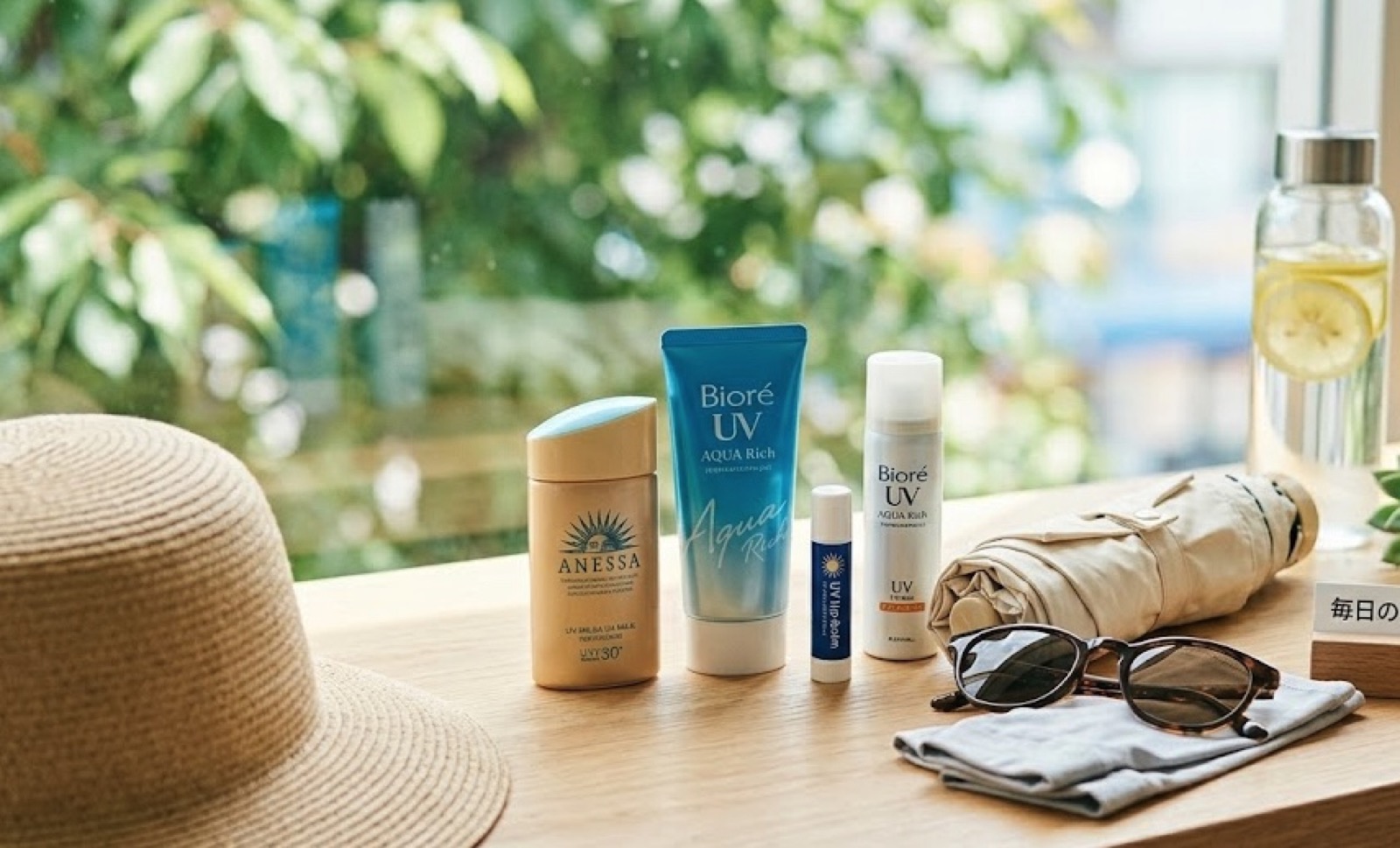
Traveler Tip: If you want to use a sunscreen, cleanser, or lip balm during your trip, buy that item separately at the regular register and put only the items you will take home through the tax-free purchase.
4. Complete the Customs Step Before Leaving
Within 90 days of purchase, go to a tax-free procedure terminal in the international departure lobby, scan your passport, and follow the instructions. If the screen sends you to a customs inspection area, show your purchases. Do this before you check in your baggage[1]. The refund is paid after customs confirms the goods are leaving Japan[1].
Plan extra time at the airport for the customs step.
Airport Tips: Liquids and Luggage
Because customs may ask to see your purchases before you check baggage, keep your tax-free items easy to reach until you have completed the customs step, then pack them. Liquids, gels, and creams in containers over 100 ml (3.4 oz) cannot go through airport security checkpoints in carry-on bags, so after the customs step, pack larger bottles in checked luggage[3]. Cushion bottles between soft clothing to prevent breakage, and follow your airline's baggage rules.
Signs to stop and when to see a doctor
Purchasing new skincare formulas in a foreign country introduces exciting textures and ingredients, but sudden formula changes or climate transitions can challenge the skin barrier.
When to Pause Cosmetic Use:
Acute Stinging or Erythema: If a newly applied product produces immediate redness, warmth, or persistent prickling sensations, wash the formula away immediately with cool tap water and discontinue use.
Follicular Bumps or Contact Irritation: If you observe small clustered bumps, swelling, or localized itching around the eyelids, cheeks, or jawline, cease applying all newly acquired products. Revert to a basic wash with lukewarm water and a simple, fragrance-free moisturizer.
Signs of Infection or Blistering: If skin develops blistering, oozing, cracked fissures, or intense swelling, do not attempt to self-treat with topical cosmetics. Seek professional medical evaluation promptly.
Medical Resources for Travelers in Japan:
If you experience a severe allergic reaction or dermatological flare while traveling in Japan, consult an English-speaking medical clinic or hospital. The Japan National Tourism Organization (JNTO) operates a 24-hour multilingual tourist helpline (050-3816-2720) and provides a searchable online guide to medical institutions offering English consultations. Alternatively, visit a local pharmacy (yakkyoku) and consult a licensed pharmacist (yakuzaishi) for over-the-counter advice.
FAQ: Japanese Cosmetic Tax-Free Shopping
Q1. Can I open and use cosmetics in Japan if I bought them tax-free?
A. No, items used or consumed in Japan are not eligible for the refund.(Details)
Under the system that began on November 1, 2026, special sealed bags are no longer required for cosmetics, but goods used or consumed in Japan before departure will not be eligible for customs inspection or a tax refund[1]. Buy items you plan to use during your trip at the regular register.
Q2. Can I combine receipts from different stores to reach 5,000 JPY?
A. Generally no, the minimum is counted per tax-free shop per day.(Details)
JNTO describes the minimum as 5,000 JPY or more before tax per tax-free shop per day[1]. Large complexes with a single tax-free counter may treat purchases differently, so ask the counter staff.
Q3. What should I do with liquid cosmetics over 100 ml at the airport?
A. Complete the customs step first, then pack them in checked luggage.(Details)
Customs may ask to inspect your purchases before you check baggage[1]. After that, containers over 100 ml cannot go through security in carry-on bags[3], so place them in your checked suitcase.
Q4. Can I use a photo of my passport?
A. Plan to present your actual passport; check the shop's instructions for the digital procedure.(Details)
Official guidance asks visitors to present their passport at the shop and at departure[1]. Shops follow JTA procedures, so do not rely on photocopies or screenshots, and confirm what the shop accepts.
Q5. What changed on November 1, 2026?
A. Visitors now pay tax-inclusive prices and receive the refund when they leave Japan.(Details)
JNTO describes a shift from tax-free sales at the register to a refund system, with a 90-day customs check and no special sealed packaging for consumables[1]. Purchases made through October 31, 2026 follow the previous rules. Check the JTA site for updates before you travel.
Summary
Pay first, refund later: Since November 1, 2026, you pay the full price and receive the 10% tax back after customs confirms the goods are leaving Japan.
5,000 JPY minimum: Spend at least 5,000 JPY before tax per tax-free shop per day.
Do not use the goods in Japan: Items used or consumed in Japan are not eligible.
Customs step before baggage check-in: Do it within 90 days of purchase, then pack liquids over 100 ml in checked luggage.
Check the date of any guide: Older information describes the previous method.
Disclaimer: This article is for general information and education about Japanese cosmetics and their labels. It is not a substitute for professional medical advice, diagnosis, or treatment. Skincare results vary from person to person. Product formulas, availability, prices, and regulations change, and products sold in Japan can differ from versions sold elsewhere, so always check the current label. Do a patch test before introducing a new product, and consult a doctor or dermatologist if you have a skin condition or specific concerns.