title: Japanese Blurring Pore Primer: Silicone Free Guide slug: japanese-blurring-pore-primer-silicone-free-options category: shopping published_at: 2026-11-22 updated_at: 2026-11-22 author: Seibun Lab Editorial Team hero_image: /images/stock/skin-pore-texture-close-up.webp hero_image_alt: Close-up of skin pore texture demonstrating optical blurring primer effect meta_description: Learn how Japanese pore primers blur enlarged pores without heavy spackle. Discover optical diffusion tech, silicone-free options, and proper cleansing. tags: ["pore primer", "blurring primer", "silicone free", "j-beauty base", "shopping"] summary: "Explore how Japanese blurring pore primers smooth uneven skin texture. Learn the difference between dimethicone balms and botanical silicone-free alternatives." publish: true
Japanese Blurring Pore Primer: Silicone Free Guide
The Blurring Mechanism: Japanese primers rely on optical soft-focus technology. Ultra-fine spherical silica and cellulose beads bounce light in multi-directional angles, visually smoothing the shadow inside enlarged pores without suffocating the follicle.
Silicone vs. Silicone-Free: Traditional Japanese souffle balms use volatile cross-linked dimethicones for bulletproof midday oil control. Sensitive or acne-prone skin types can opt for natural silicone-free mineral bases made with plant starches, squalane, and silica.
The Rice-Grain Application Rule: Less is more. Warm a tiny drop (the size of one grain of rice) between your fingertips and press it gently into pore-prone zones in circular motions; rubbing too hard causes pilling.
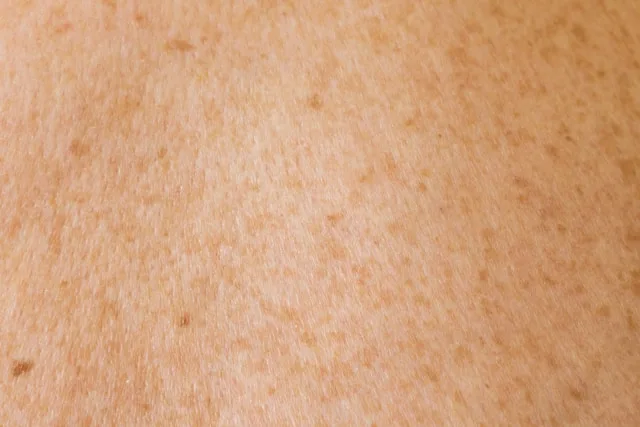
Heavy Spackle vs. Japanese Optical Blurring
To understand why Japanese pore primers feel so lightweight, it helps to examine the physical mechanism:
Heavy Western Pore Spackle vs. Japanese Optical Blurring Primer:

[ Heavy Spackle Primer ]
Dense Dimethicone Paste + Petroleum Binders
-> Physically clogs the pore cavity with solid silicone.
-> Risks: Heavy suffocating film, potential breakout triggers, difficult to cleanse.

[ Japanese Optical Blurring Base ]
Airy Souffle Emulsion + Spherical Light-Scattering Silica Beads
-> Floats over the skin surface, diffusing ambient light across pore rims.
-> Benefits: Breathable featherweight veil, sebum absorption, effortless removal.
When downward overhead lighting hits an enlarged pore, it casts a tiny micro-shadow inside the indentation, making the pore appear twice as dark and deep. Japanese formulators use spherical powders that refract light into the shadow, optically flattening the skin surface without packing the pore full of heavy waxes.
The Formula Science: Souffle Balms vs. Mineral Alternatives
Japanese drugstore and organic beauty counters offer two primary technological architectures:
1. The Whipped Souffle Polymer Base
Exemplified by cult favorites like CANMAKE's Poreless Airy Base, this technology delivers a souffle-textured makeup base that covers uneven texture, pores, and shine[1]. Unlike dense putty sticks, the airy whip creates an airy lightweight feel that creates flat, silky smooth skin through makeup effects[1].
- Dosage Guidance: Because the formula expands slightly over the skin, instructions emphasize to dispense only a tiny amount roughly the size of one to two grains of rice[1]. Using too much product will cause foundation layered on top to slide or pill.
2. Silicone-Free and Mineral Alternatives
For consumers experiencing congestion from silicones (dimethicone, cyclopentasiloxane), Japanese organic beauty brands (such as Naturaglace and ETVOS) formulate silicone-free blurring bases. These replace synthetic polymers with:
- Spherical Silica & Mica: Mineral particles that absorb sebum while scattering light.
- Plant-Derived Squalane & Jojoba: Lightweight lipids that smooth dry flake edges around pores without occluding the follicle.
- Rice & Tapioca Starch: Natural absorbents that keep the T-zone matte and velvety.
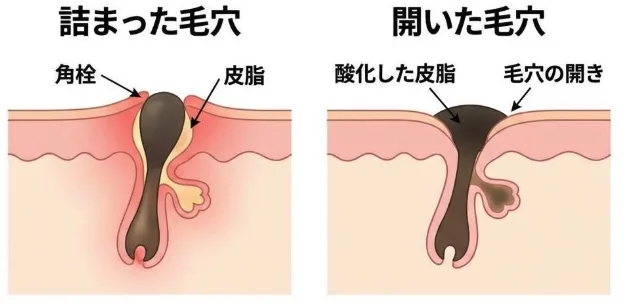
Japanese Pore Primers Compared
The table below breaks down the top categories of Japanese pore-blurring primers to help you choose the best match for your skin tolerance.
Scroll horizontally to view full table
| Primer Category | Key Blurring Technology | Silicone Status | Ideal Skin Profile | Typical Price (JPY) |
|---|---|---|---|---|
| Whipped Souffle Balm | Cross-linked polymer + porous silica | Contains silicones | Oily T-zone, stubborn crater pores | 700 - 1,100 |
| Silicone-Free Mineral Base | Spherical silica, tapioca starch, squalane | 100% Silicone-free | Acne-prone, sensitive, clean beauty fans | 3,000 - 4,200 |
| Liquid Sebum-Clear Serum | Witch hazel extract, sebum-trapping powder | Minimal / Low silicone | Combination skin, hot humid climates | 1,200 - 1,800 |
| Color-Correcting Pore Stick | Light-reflecting lavender/mint tint | Contains silicones | Redness around nostrils & enlarged pores | 900 - 1,400 |