Matsumoto Kiyoshi vs Welcia: Japanese Drugstore Chain Guide
Shopping GuideBy Seibun Lab Editorial Team
title: Matsumoto Kiyoshi vs Welcia: Japanese Drugstore Chain Guide
slug: matsumoto-kiyoshi-vs-welcia-drugstore-japan
category: shopping
category_label: Shopping Guide
published_at: '2026-11-24'
updated_at: '2026-11-24'
meta_description: Compare Matsumoto Kiyoshi and Welcia in Japan. Discover urban station hubs, residential superstores, private label skincare, and 24-hour service.
description: Compare Matsumoto Kiyoshi and Welcia in Japan. Discover urban station hubs, residential superstores, private label skincare, and 24-hour service.
lead_image: /images/stock/drugstore-aisle-skincare-selection.jpg
lead_image_alt: Shelves packed with popular Japanese skincare lines in a brightly lit pharmacy
thumbnail: /images/stock/drugstore-aisle-skincare-selection.jpg
thumbnail_alt: Shelves packed with popular Japanese skincare lines in a brightly lit pharmacy
author: Editorial Team
publish: true
Matsumoto Kiyoshi vs Welcia: Japanese Drugstore Chain Guide
When shopping for beauty products in Japan, drugstores (doraggu sutoa) are the undisputed heart of daily skincare culture. Rather than simple medical dispensaries, Japanese pharmacies resemble beauty department stores, stocking thousands of lotions, sunscreens, cleansing oils, and sheet masks at accessible prices.
Among the nationwide retail chains, Matsumoto Kiyoshi (Matsukiyo) and Welcia represent two distinct shopping paradigms. While both carry popular national staples like Hada Labo, Biore, Curél, and Melano CC, their store locations, private-label philosophies, and retail services cater to different needs. Here is how to navigate these two giants to find your favorite J-beauty staples.
Urban Transit Hubs vs Suburban Superstores: Two Distinct Retail Visions
The geographical positioning of these two chains shapes their inventory, floor layout, and shopping atmosphere:
The delicate lipid matrix of the epidermal stratum corneum experiences progressive natural functional deceleration over time[1], making reliable access to hydrating Japanese skincare staples a welcome comfort during travel.
Matsumoto Kiyoshi (The Trendsetter): With iconic yellow-and-blue facades positioned right outside major train stations and bustling shopping arcades (such as Shibuya, Shinjuku, and Ginza), Matsukiyo targets on-the-go commuters and international travelers. Floors are densely packed, with top-selling cosmetics, trending TikTok hits, and foreign-language signage placed prominently at the entrance.
Welcia (The Community Anchor): As part of the retail conglomerate AEON Group, Welcia focuses on residential suburbs, roadside locations, and neighborhood communities. Stores feature wide aisles that easily accommodate shopping carts and baby strollers, paired with comprehensive daily grocery and pharmacy sections.
Scroll horizontally to view more
Store Feature
Matsumoto Kiyoshi (Matsukiyo)
Welcia Pharmacy
Primary Location
High-traffic train stations, urban arcades
Residential neighborhoods, suburban avenues
Aisle Vibe
Compact, energetic, trend-focused
Spacious, calm, accessible aisles
Beauty Curations
Viral cosmetics, seasonal releases
Everyday family skincare, body care
Flagship Private Brand
matsukiyo LAB (active ingredient science)
Karada Welcia (botanical, additive-free)
Tourist Readiness
Extensive multilingual signs, fast tax-free
Tax-free available, geared toward locals
Proprietary Private Brands: matsukiyo LAB vs Karada Welcia
Beyond stocking standard drugstore brands, both retailers have earned passionate followings for their proprietary private-label lines (puraibeeto burando):
Pairing smart drugstore skincare hunting with diligent morning broad-spectrum UV protection shields vulnerable skin from photoaging stress[2], making drugstore sunscreen aisles an essential stop on any itinerary.
matsukiyo & matsukiyo LAB
Matsumoto Kiyoshi developed its matsukiyo LAB line under the supervision of certified pharmacists and nutritionists. These formulas concentrate on high-potency active ingredients at accessible price points:
Active Formulations: Popular products include pure ceramide hydration milks, niacinamide serums, and high-concentration petroleum jelly balms.
Minimalist Aesthetic: Sleek, laboratory-inspired monochrome packaging that appeals to skincare enthusiasts who prioritize ingredient transparency over marketing fluff.
Karada Welcia & Kurashi Welcia
Welcia approaches private labeling with a holistic wellness philosophy under its Karada Welcia (For the Body) and Kurashi Welcia (For Living) branding:
Clean Formulation Ethos: Formulated without unnecessary artificial colorants, synthetic fragrances, or harsh sulfates, focusing on gentle plant oils and botanical extracts.
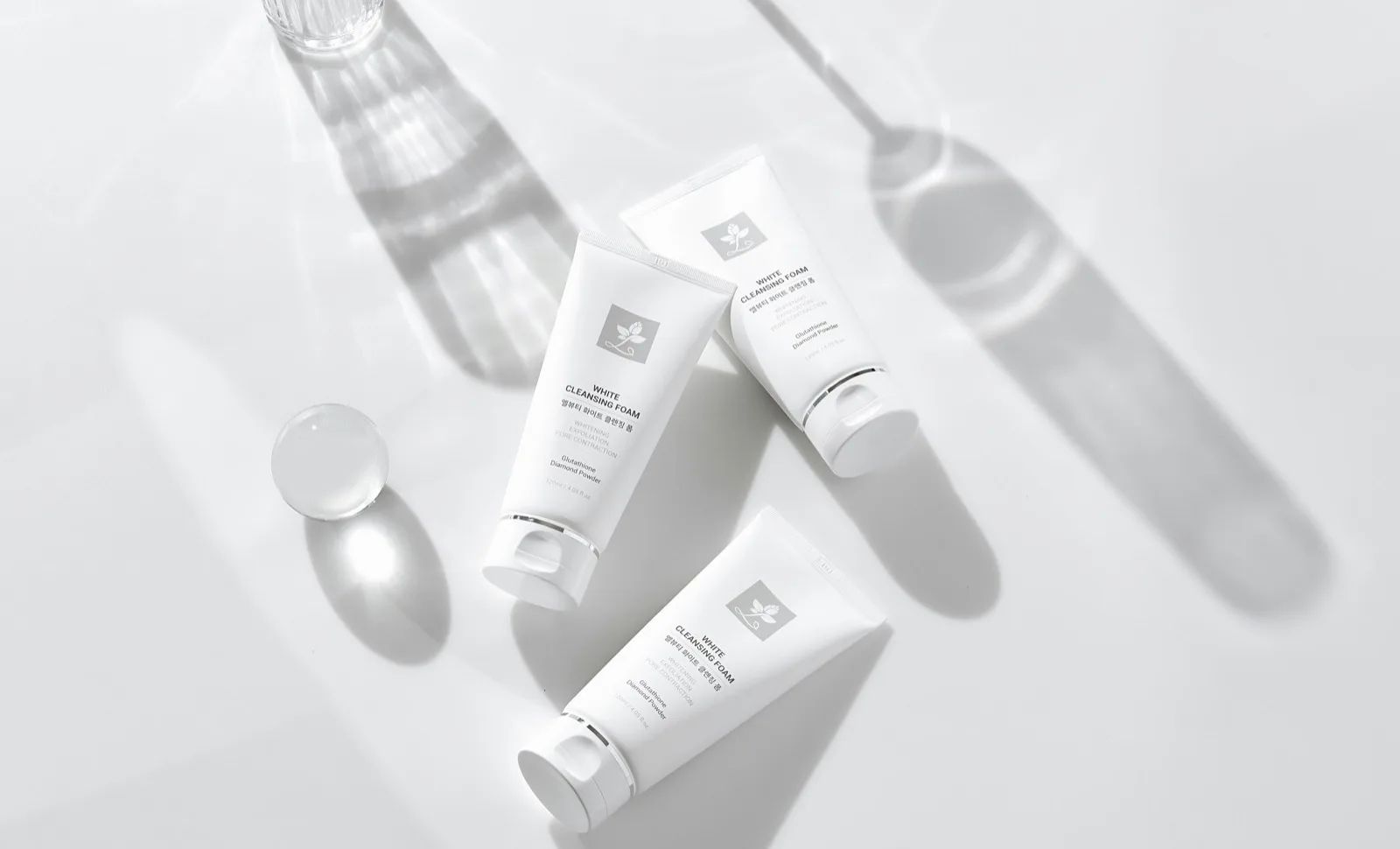
Everyday Comfort: Renowned for extra-thick, unbleached organic cotton pads, nourishing ceramide hand creams, and gentle facial cleansing foams designed for daily family use.
Service Ecosystem: 24-Hour Operation, Dispensing, and Night Access
Store operating hours and health services differ significantly between urban centers and residential areas:
Welcia 24-Hour Availability: A major advantage of Welcia is its extensive network of 24-hour storefronts. If you land late at night, suffer from sudden dehydration, or need infant-safe moisturizers during an off-hours travel emergency, 24-hour Welcia branches provide immediate relief.
Prescription Dispensing Counters (Chouzai Yakkyoku): Most Welcia locations house fully licensed dispensing pharmacies staffed by certified pharmacists who can advise on over-the-counter remedies and quasi-drugs (iyaku-bugaipin).
Matsukiyo Urban Express Format: While fewer Matsukiyo stores stay open around the clock, their extended urban operating hours (frequently midnight in downtown districts) allow tourists to browse beauty aisles after sightseeing and dinners.
Loyalty Points, Tourist Coupons, and Smart Checkout Strategies
Maximizing savings at Japanese drugstores requires understanding their point ecosystems and coupon policies:
Matsumoto Kiyoshi Discount Coupons: Matsukiyo frequently distributes digital coupons via their official LINE account or tourist flyers, offering 10% to 15% off qualifying cosmetics and toiletries. In tourist centers, these can often be paired with tax-free exemption for non-residents spending over 5,000 JPY (pre-tax).
Welcia Point Days (Welkatsu): Welcia is famous among domestic residents for its partnership with WAON POINT and V-Points. On the 20th of each month, loyalty points gain 1.5 times their value at checkout, making it a legendary shopping event in Japan.
Payment Flexibility: Both chains accept major international credit cards, IC transportation cards (Suica, Pasmo), and digital smartphone payment apps (PayPay, Alipay, WeChat Pay).
Signs to Stop and When to Consult a Specialist
The sheer variety of over-the-counter quasi-drugs and active skincare in Japanese pharmacies can tempt shoppers into haphazard multi-product experimentation. Excessive unguided OTC topical self-treatment, harsh formulation stacking, and unvetted active ingredients can trigger acute contact irritation[3] and compromise the stratum corneum.
Check Active Ingredient Overlaps: Combining multiple products containing tranexamic acid, dipotassium glycyrrhizate, or exfoliating peeling acids can overwhelm sensitive complexions.
Beware of Strong Topical Medicated Ointments: Japanese pharmacies sell over-the-counter hydrocortisone creams and medicated soothing ointments. Never use medicated steroid ointments as everyday face creams, as prolonged unguided use thins skin tissue.
Allergy Precautions: Always perform a 24-hour patch test on the inner forearm when introducing unfamiliar Japanese botanical extracts.
If severe itching, flaking, or contact dermatitis occurs after trying new drugstore cosmetics, discontinue use immediately and consult a dermatologist.
FAQ
Q1. Which drugstore is better for foreign tourists buying cosmetics?
A. Matsumoto Kiyoshi is generally more convenient for tourist shopping.(Details)
Matsukiyo stores are situated right outside major train stations in popular entertainment districts, featuring multilingual signage, dedicated tax-free registers, and curated ranking towers of trending beauty products.
Q2. Are prices of national skincare brands the same at Matsukiyo and Welcia?
A. Base prices are similar, but promotional sales and coupons vary.(Details)
Standard list prices for brands like Hada Labo or Melano CC are comparable across chains. However, Matsukiyo frequently runs tourist coupon discounts, while Welcia offers special loyalty point reward days.
Q3. Can I find 24-hour drugstores in Japan for late-night skincare emergencies?
A. Yes, Welcia operates many 24-hour pharmacy branches nationwide.(Details)
While urban Matsukiyo stores often close around 10 PM or 11 PM, many residential Welcia locations remain open 24 hours daily, stocking emergency skincare, basic medicines, and personal essentials.
Q4. What is the difference between matsukiyo LAB and Karada Welcia?
A. Matsukiyo LAB focuses on potent actives; Karada Welcia focuses on clean botanicals.(Details)
matsukiyo LAB highlights targeted clinical ingredients like ceramides and niacinamide. Karada Welcia emphasizes additive-free, gentle botanical formulations suited for sensitive skin and daily family use.
Q5. Can I get tax-free discounts at both Matsumoto Kiyoshi and Welcia?
A. Yes, both chains offer tax-free checkout on spends over 5,000 JPY.(Details)
Foreign visitors presenting a physical passport with Temporary Visitor status receive a 10% tax exemption at both chains when purchasing at least 5,000 JPY (pre-tax) in consumable goods.
Summary & Actionable Checklist
Pick Your Destination: Head to Matsumoto Kiyoshi for quick urban trend shopping, or Welcia for spacious 24-hour convenience.
Explore Private Brands: Check out matsukiyo LAB for affordable active ingredients, and Karada Welcia for gentle, clean essentials.
Bring Your Passport: Keep your physical passport accessible to claim the 10% tax-free discount on spends of 5,000 JPY or more.
Look for Tourist Coupons: Save digital Matsukiyo discount barcodes to stack savings on top of tax-free exemptions.
Introduce Items Slowly: Test newly purchased Japanese skincare items individually to preserve your skin barrier.
References
The Japanese Dermatological Association. Sunburn Q&A on Photoaging and Biological Alterations in Aging Skin (Q5). https://www.dermatol.or.jp/qa/qa2/q05.html (Accessed 2026-11-24)
The Japanese Dermatological Association. Dermatological Q&A on Sunscreen Application for Long-Term Prevention (Q25). https://www.dermatol.or.jp/qa/qa3/q25.html (Accessed 2026-11-24)
The Japanese Dermatological Association. Dermatological Q&A on Contact Irritation and Scalp Friction Mechanisms (Q1). https://www.dermatol.or.jp/qa/qa4/q01.html (Accessed 2026-11-24)
Disclaimer: This article is for general information and education about Japanese cosmetics and their labels. It is not a substitute for professional medical advice, diagnosis, or treatment. Skincare results vary from person to person. Product formulas, availability, prices, and regulations change, and products sold in Japan can differ from versions sold elsewhere, so always check the current label. Do a patch test before introducing a new product, and consult a doctor or dermatologist if you have a skin condition or specific concerns.