Pore Filling Primer Japanese Drugstore Gems - Texture Guide
Shopping GuideBy Miho Tanaka
title: Pore Filling Primer Japanese Drugstore Gems - Texture Guide
slug: pore-filling-primer-japanese-drugstore-gems
category: shopping
publish: true
meta_description: Discover how Japanese drugstore pore filling primers use spherical cross-polymers and sebum-absorbing powders for a smooth, soft-focus canvas.
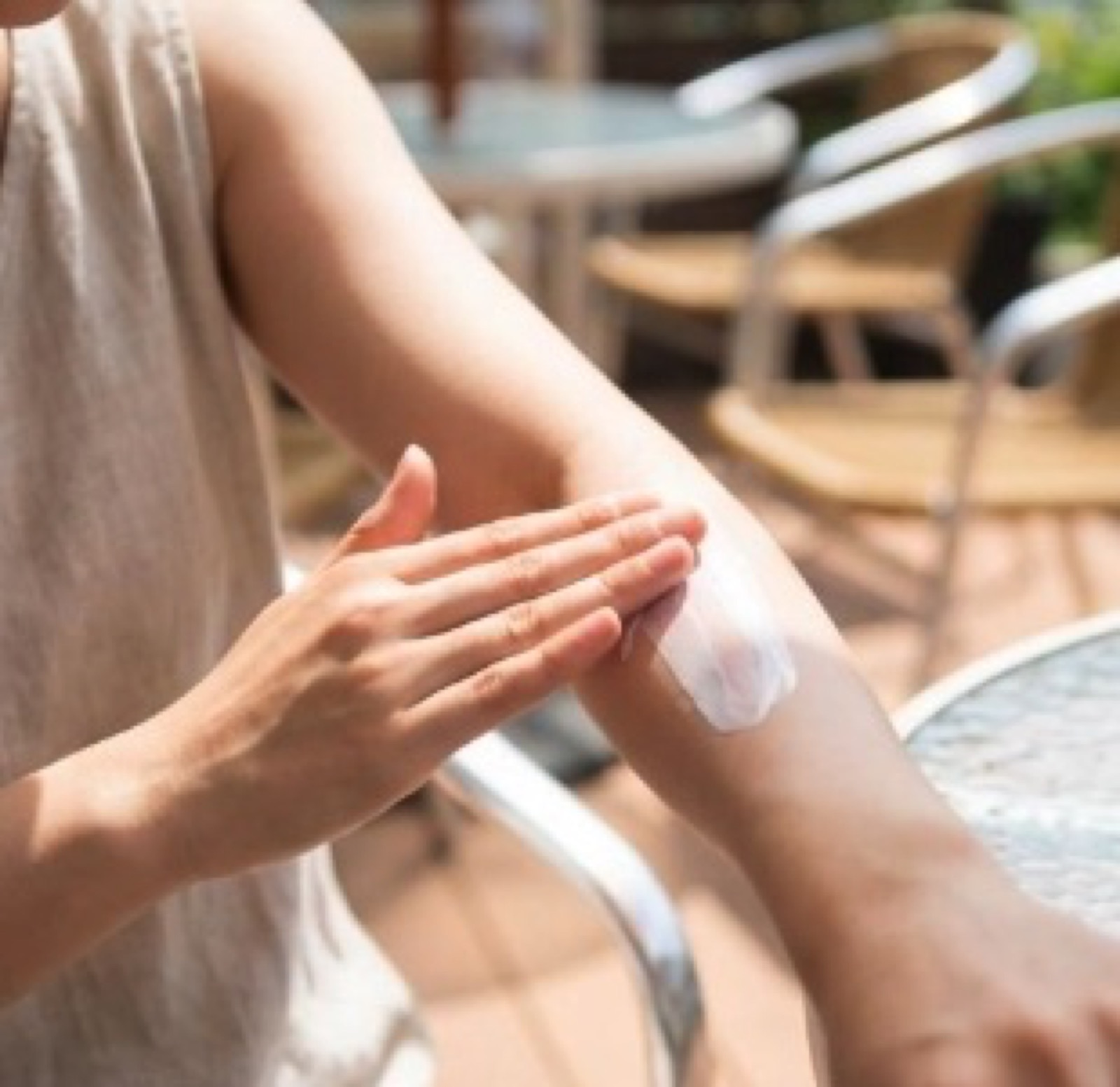
image: /images/stock/applying-tinted-sunscreen-skin-like-texture.jpg
alt: Smooth velvety primer formula blending onto facial skin for pore blurring
date: 2026-03-30
tags:
primer
pores
drugstore
j-beauty
shopping
Pore Filling Primer Japanese Drugstore Gems - Texture Guide
Enlarged pores, uneven skin texture, and mid-day sebum breakthrough represent common concerns when wearing base makeup. In Japanese drugstores, pore-blurring primers (commonly labeled as pore cover base or sebum control primer) have evolved beyond heavy silicone pastes into breathable, multi-functional cosmetic formulas. These accessible drugstore staples combine optical light-diffusion spheres with selective oil-absorbing powders to smooth the skin surface while preserving underlying hydration.
Understanding how Japanese cosmetic chemists balance silicone elastomeric matrices with gentle botanical emollients helps you select the right formula for your specific skin profile without clogging follicular openings.
Quick answer: How Japanese Pore Primers Smooth Facial Texture
Japanese drugstore pore-filling primers utilize spherical silicone cross-polymers (dimethicone/vinyl dimethicone) and porous silica beads to scatter ambient light, optically minimizing the depth of pores. Rather than trapping oils, modern formulas absorb excess sebum while leaving skin flexible. For optimal wear, tap a pea-sized amount onto the T-zone with light circular motions, letting it set for one minute before foundation.
How Japanese Pore Primers Function: Optical Blurring Chemistry
Unlike traditional pore spackles that rely on heavy petrolatum or stiff waxes, Japanese drugstore primers rely on spherical elastomer cross-polymers. When applied to the skin, microscopic silicone particles settle into textural micro-depressions without stretching follicular openings.
These spherical powders reflect light diffusely in multiple directions—a phenomenon known as the soft-focus optical effect. By softening surface shadows caused by uneven pore contours, the skin appears uniformly smooth under daylight and indoor lighting alike.
Protecting the Moisture Barrier Beneath Surface Mattifiers
While managing surface sebum is essential for makeup longevity, stripping lipids excessively compromises skin barrier integrity. When sebum-absorbing powders dehydrate outer cells, the skin responds by overproducing reactive sebum, causing makeup to separate prematurely.
Research in PLOS ONE affirms: "The stratum corneum (SC) provides a permeability barrier that limits the inflow and outflow of water."[1] Japanese formulations safeguard this delicate barrier by suspending porous silica beads within emollient fluid vehicles containing squalane, hyaluronic acid derivatives, or green tea extracts. This balance prevents moisture from evaporating while controlling surface shine.
Comparing Popular Japanese Drugstore Primer Formulations
Japanese drugstore aisles feature diverse primer textures designed for varying degrees of oiliness, dry flaking, and pore depth.
High sebum production and shiny mid-day breakthrough
Hydrating Serum Primer
Squalane, soluble collagen, lightweight silicones
Cheeks, perimeter of face
Dry-combination skin with localized surface pores
Color-Correcting Base
Titanium dioxide, mineral pigments, light silicas
Full face or redness zones
Flushed skin with subtle textural irregularities
Step-by-Step Technique: Applying Pore Primer Without Flaking or Pilling
Achieving a smooth, natural finish with Japanese pore-filling primers requires intentional technique and measured dosage.
1. Allow Skincare to Fully Absorb
Applying silicone primer directly over wet lotion or damp sunscreen triggers cosmetic pilling. Allow your morning moisturizer and UV milk to settle into the skin for two full minutes before opening your primer.
2. Micro-Dosing and Circular Warming
Dispense a grain-of-rice quantity onto your fingertip. Warm the formula between your index and middle fingers to soften the polymer cross-network. Over-applying primer is the primary cause of foundation sliding later in the day.
3. Circular Press-and-Roll Technique
Instead of dragging the primer across the face in long linear sweeps, gently press and roll the product into pore-dense zones in small circular motions. This technique guides spherical polymers into micro-cavities from opposing angles, ensuring an even, uniform surface.
4. Setting Time Before Base Makeup
Permit the volatile carrier fluids thirty to sixty seconds to evaporate. This stabilization period allows the flexible polymer matrix to set securely against the stratum corneum before foundation or concealer application.
Proper Cleansing and Nightly Care for Pore Health
Because pore-blurring polymers are designed to resist water, sweat, and sebum, standard water-based foaming cleansers alone cannot dissolve them completely.
Double Cleansing is Essential: Begin your evening routine with an emollient oil cleanser, cleansing balm, or micellar milk formulated to dissolve hydrophobic silicone matrices. Massage gently for sixty seconds across the T-zone.
Rinse with Lukewarm Water: Emulsify the oil cleanser thoroughly with lukewarm water until the rinse runs milky white. Rinsing with overly hot water strips lipids, whereas ice-cold water hardens sebum.
Follow with a Gentle Foam: Complete cleansing with a mild, amino-acid based foam to sweep away water-soluble impurities without disturbing the delicate skin barrier.
Signs to Stop and When to Seek Medical Advice
While Japanese drugstore primers are subjected to strict regulatory safety reviews, skin sensitivities or inappropriate cleansing habits can lead to localized congestion.
Discontinue product use promptly if you observe:
Sudden clusters of tiny, inflammatory white bumps or localized papules
Persistent itching, stinging, or heat sensation after primer application
Flaking, peeling, or rough erythema across the nose or cheek contours
Clogged comedones that become tender, red, or cystic
If localized breakouts become painful or fail to clear after discontinuing makeup use for five to seven days, consult a qualified dermatologist for clinical evaluation.
FAQ
Q1. Will silicone-based pore filling primers clog pores and cause acne?
A. Cosmetic silicones rinse away cleanly with proper nightly double cleansing.(Details)
Silicone polymers form a breathable, mesh-like network across the skin that allows oxygen and perspiration to pass through. Breakouts associated with pore primers typically stem from inadequate evening removal rather than the silicones themselves. A nightly double-cleanse prevents product accumulation inside follicular ducts.
Q2. Can I apply pore-filling primer over my entire face?
A. Targeted application on the T-zone produces a more natural, balanced finish.(Details)
Pore-blurring primers are formulated specifically for areas with pronounced texture and active sebum production, such as the nose, forehead, and central cheeks. Applying them across dry facial perimeters can feel drying and cause liquid foundation to settle into fine expression lines.
Q3. How can I stop my foundation from pilling over pore primer?
A. Use minimal product and let each skincare and primer layer set fully.(Details)
Pilling happens when silicone matrices clash with water-heavy foundations or when excess primer has not had time to set. Use no more than a pea-sized amount for the entire T-zone, press the product gently rather than rubbing vigorously, and wait sixty seconds before applying foundation.
Q4. What is the difference between Japanese pore primers and Western pore spackles?
A. Japanese formulas prioritize lightweight breathability and moisture balance.(Details)
Western pore spackles often feature high concentrations of thick, paste-like dimethicone designed for an ultra-matte, heavy stage-ready canvas. Japanese drugstore alternatives focus on lightweight fluid-to-powder textures, light-scattering pearls, and skin-conditioning ingredients that look natural in bright sunlight.
Q5. Can I use pore-filling primer on days when I wear no foundation?
A. Yes, pore primers work effectively as standalone shine and texture smoothers.(Details)
Many people wear Japanese pore primers alone over daily sunscreen. The optical soft-focus effect smooths skin texture and dials down excess mid-day shine without adding tint or pigment. Remember to cleanse thoroughly with an oil-based cleanser in the evening.
Summary
Japanese drugstore pore-filling primers provide an effective, accessible approach to refining skin texture without creating a heavy mask-like barrier. By relying on spherical optical polymers, balanced oil-absorbing silicas, and emollient carrier vehicles, these products keep base makeup fresh throughout humid commutes and long workdays. Pair moderate application with consistent evening double cleansing to enjoy a smooth, refined canvas while supporting long-term skin barrier health.
Disclaimer: This article is for general information and education about Japanese cosmetics and their labels. It is not a substitute for professional medical advice, diagnosis, or treatment. Skincare results vary from person to person. Product formulas, availability, prices, and regulations change, and products sold in Japan can differ from versions sold elsewhere, so always check the current label. Do a patch test before introducing a new product, and consult a doctor or dermatologist if you have a skin condition or specific concerns.