Stubborn clogged pores and surface shine frequently drive people toward harsh physical scrubs or aggressive pore strips. While these methods promise instant results, they often lead to micro-tears, enlarged pore margins, and rebound oil production. In Japanese skincare ritual, mineral clay masks offer an alternative pathway: gently purifying congested pores through physical mineral adsorption while safeguarding epidermal moisture.
Quick answer:
How do you integrate a Japanese clay mask into a pore cleansing routine?
A Japanese clay mask is incorporated into a weekly evening routine immediately after double cleansing. By softening pores with gentle steam or warm water, applying the damp paste for 3 to 5 minutes without allowing it to crack or harden, and replenishing the stratum corneum with generous lotion and ceramide emulsion, the routine purifies sebum plugs without barrier disruption.
Why a Japanese Clay Mask Belongs in Your Pore Routine
Traditional Western mud masks are often designed to dry completely until they crack and turn chalky. While this creates a temporary sensation of tightness, dermatologists emphasize that leaving clay on until it hardens leaches vital moisture directly out of the epidermal barrier. When skin becomes dehydrated, sebaceous glands often overcompensate by producing more oil, creating a frustrating cycle of rebound congestion.
Japanese clay masks (kurei pakku) take an entirely different formulation approach:
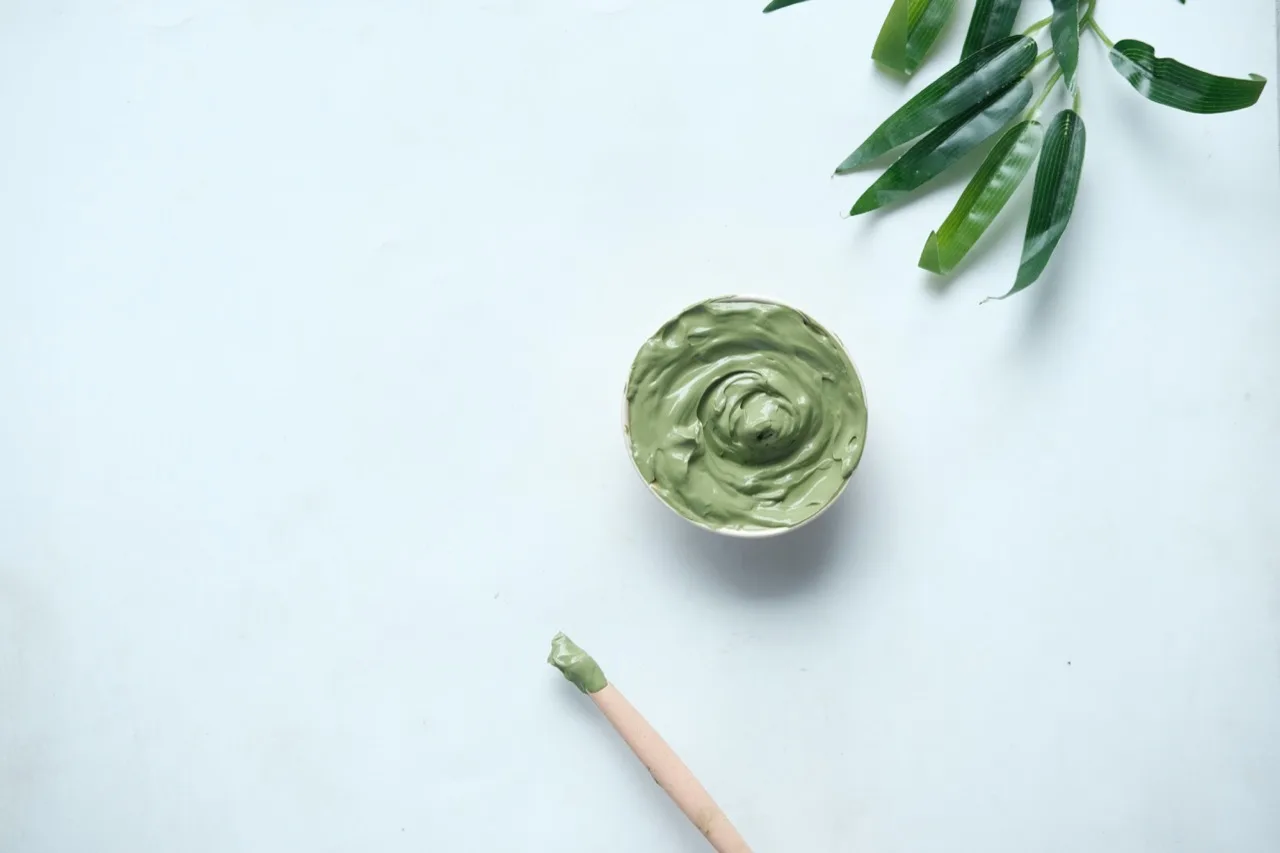
- Humectant-Enriched Emulsion Bases: Japanese cosmetic chemists blend fine natural clays with glycerin, squalane, amino acids, and botanical extracts. The texture feels like a rich, velvety cream rather than stiff mud.
- Surface Charge Adsorption: Ultrafine natural clays carry negative ionic surface charges. These minerals naturally bind to positively charged oxidized sebum plugs (kakusen), ambient dust, and cellular debris without requiring mechanical friction.
- The "Wash While Damp" Rule: In the Japanese ritual, you rinse the paste away while it is still pliable and moist to the touch. This lifts trapped impurities while keeping the epidermal moisture barrier completely intact.
The 5-Step Japanese Clay Mask and Pore Cleansing Routine
To achieve optimal results without irritation, integrate your Japanese clay mask into a mindful evening routine:

Step 1: Double Cleansing and Warm Steam Preparation
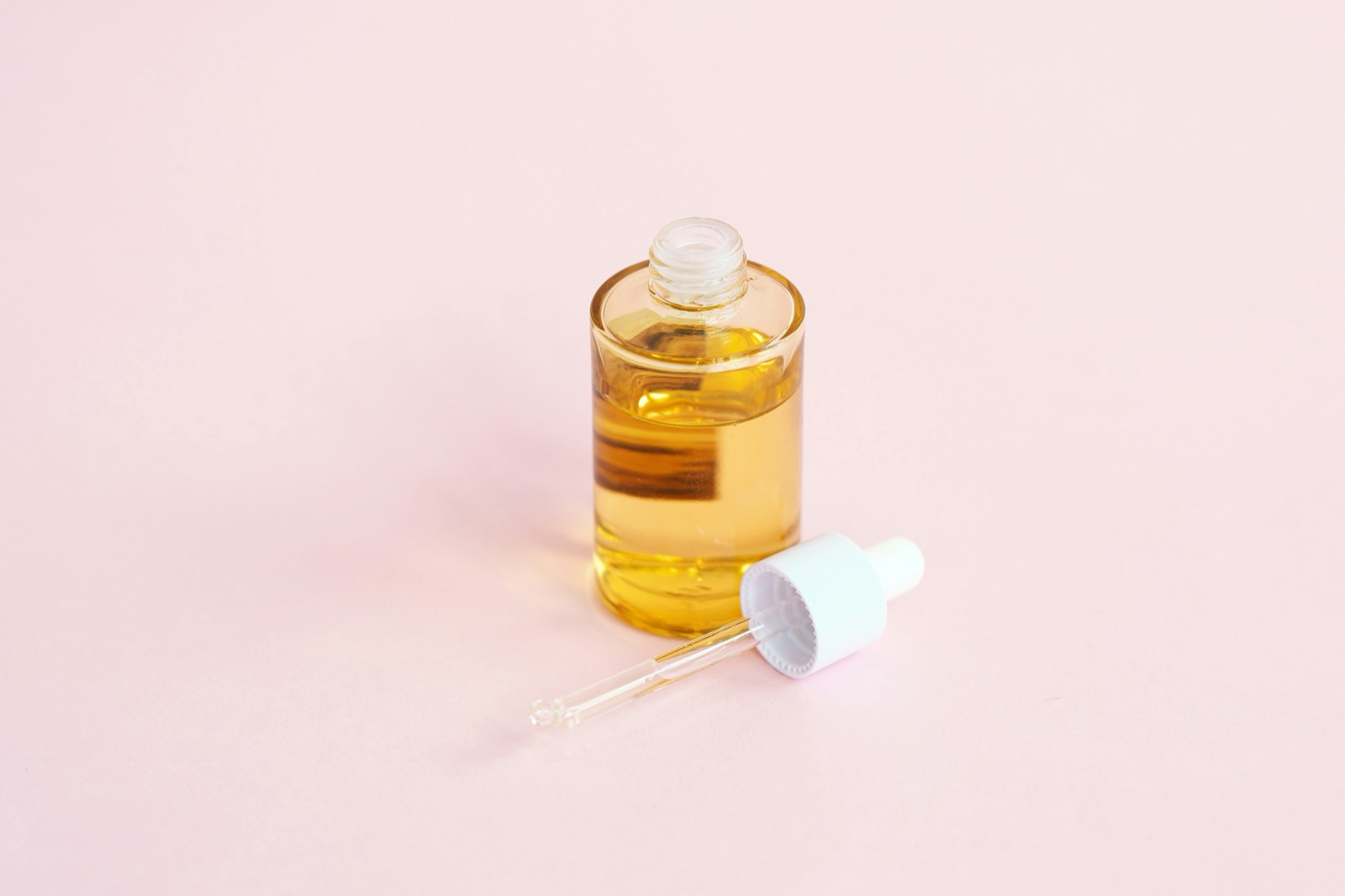
Start your evening by melting away makeup and sunscreen with a gentle oil or balm cleanser. Follow with a dense, foamy wash to clear water-based impurities. Wet your face with lukewarm water and use your fingertips to apply cleanser.[1]
For pore care, gentle warmth softens hardened sebum plugs before you apply the mask. You can enjoy your clay mask during or right after a warm bath. Limit baths and showers to five to ten minutes, using warm water.[3] Alternatively, hold a clean, warm, damp washcloth over your face for 30 seconds to loosen sebum without mechanical friction. Resist the temptation to scrub your skin because scrubbing irritates the skin.[1]
Step 2: Zoned Application (Focusing on the T-Zone)
Gently pat your face with a clean towel until damp, or apply directly to dry skin according to the manufacturer's directions. Dispense a cherry-sized amount of clay paste.
Spread an opaque layer across congested zones—typically the nose, chin, and center of the forehead. You do not need to cover the entire face. If your cheeks are dry or sensitive, leave them bare to prevent unnecessary moisture loss.
Step 3: The 3-to-5 Minute Golden Window
Allow the mask to rest on the skin for only 3 to 5 minutes. Never leave a clay mask on until it feels tight, itchy, or powdery. If you notice the edges beginning to turn light and dry, it is time to rinse immediately. The active mineral adsorption happens during the damp contact phase.
Step 4: Frictionless Lukewarm Water Rinse
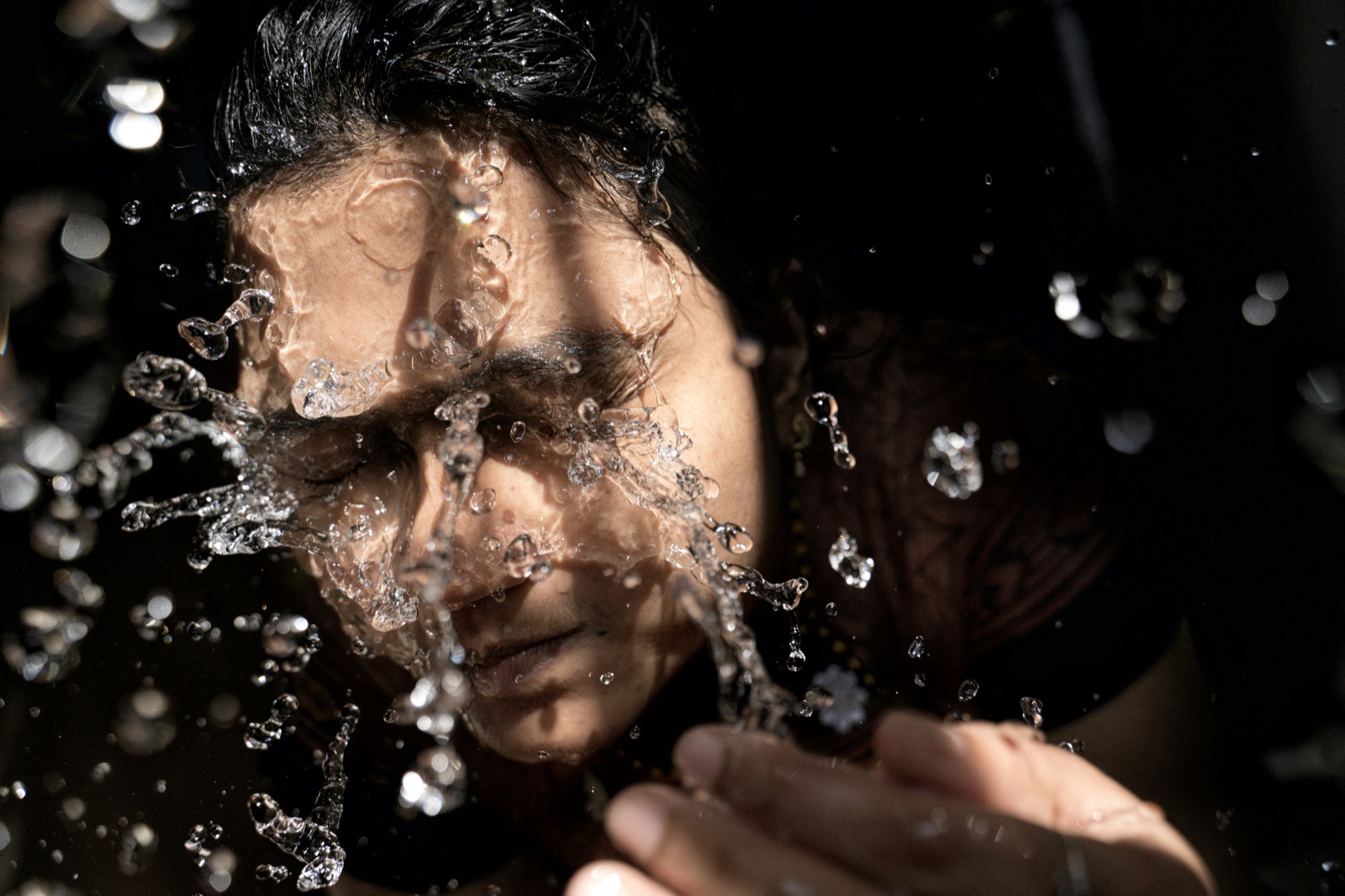
Wet your palms with lukewarm water and gently press them onto the mask to re-hydrate the clay paste. The formula will soften into a milky emulsion. Rinse thoroughly using cupped water splashes until all traces of clay are removed. Rinse with lukewarm water and pat dry with a soft towel.[1]
Step 5: Immediate Stratum Corneum Hydration & Barrier Sealing
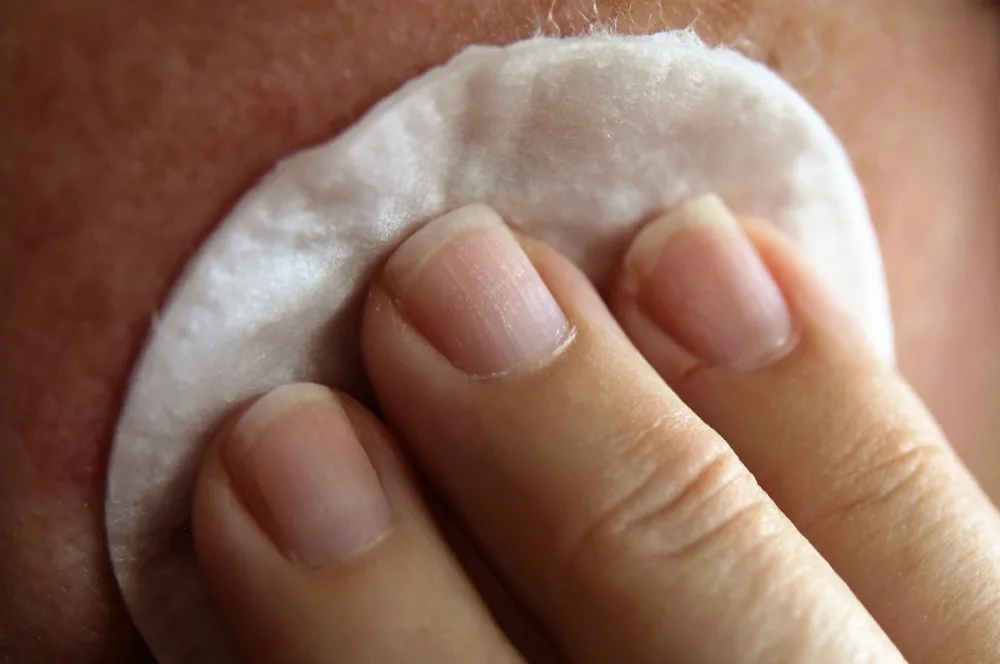
Mineral clay temporarily lifts surface oils, opening a brief window where moisture can evaporate rapidly. Within 30 seconds of patting your face dry, press 2 to 3 layers of a hydrating Japanese lotion (keshosui) into your skin. Follow immediately with a lightweight milky emulsion (nyueki) or barrier cream containing ceramides to seal in hydration. DO apply moisturizer after cleansing. Although you have oily skin, it is still important to apply moisturizer to keep your skin hydrated.[2]
Choosing the Right Japanese Clay Mask for Your Skin Type
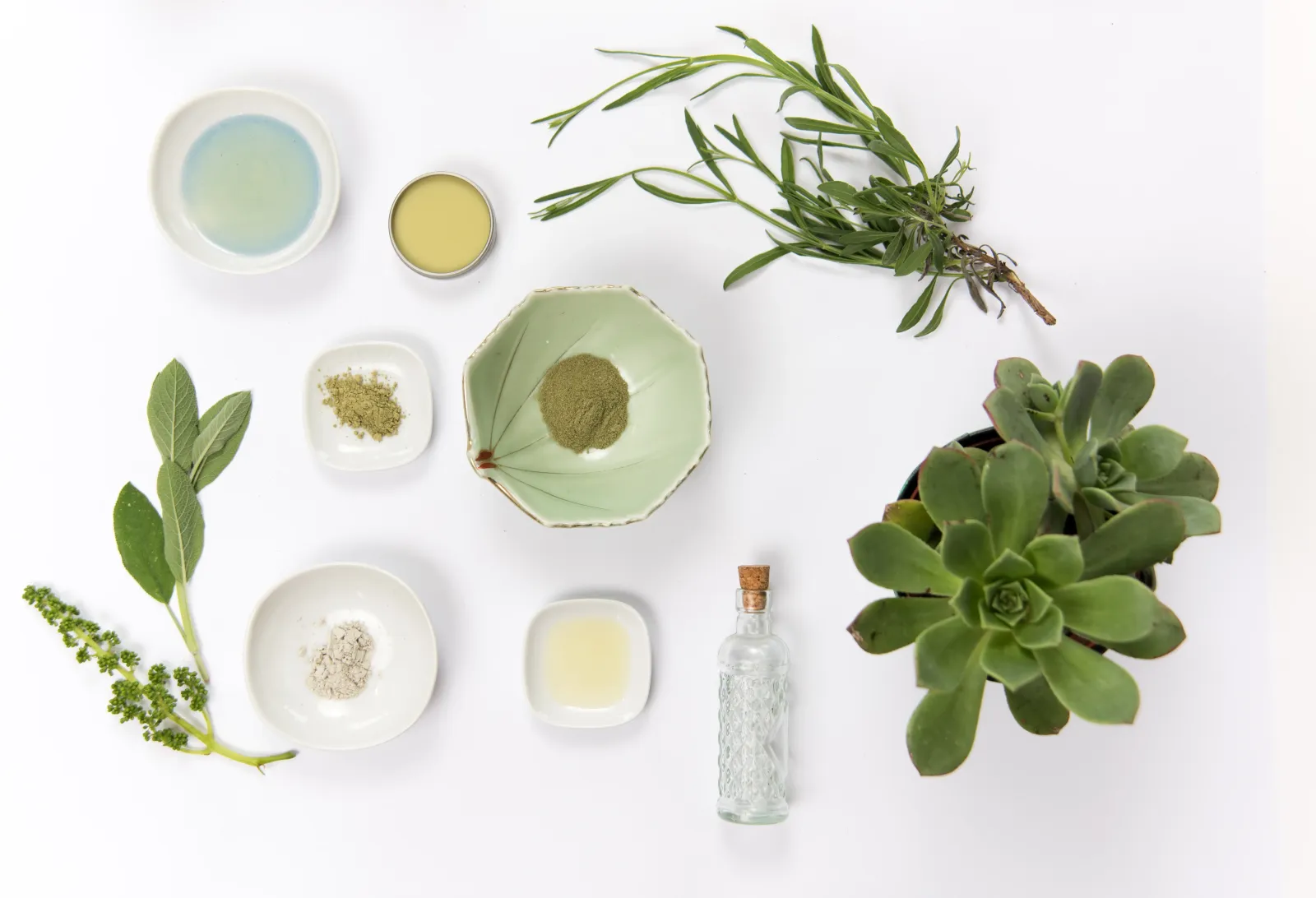
Japanese skincare formulations feature specialized regional clays with unique particle sizes and mineral balances:
Scroll horizontally to view the full comparison.
| Clay Mineral | Origin & Characteristics | Key Benefits | Recommended Skin Type |
|---|---|---|---|
| Okinawan Kucha | Marine silt deposited on Okinawa sea beds; sub-micron particle size | Strong negative ionic adsorption; glides smoothly with zero gritty texture | Congested pores, blackheads, sensitive skin |
| Tanakura Clay | Fossilized marine clay from Fukushima; rich in marine minerals | Balances excess sebum while supplying trace elements to the surface | Combination skin, oily T-zone, enlarged pores |
| White Kaolin | Refined fine natural clay with mild adsorption strength | Gentle surface purification with exceptionally low drying potential | Normal to dry skin, first-time clay mask users |
| Moroccan Ghassoul | Natural stevensite volcanic clay widely formulated in Japan | Higher oil-binding capacity; purifies stubborn keratin buildup | Resilient oily skin, persistent blackhead plugs |