Best Japanese Cleansing Oil for Blackheads: Selection Guide
CleansingBy Miho Tanaka
title: Best Japanese Cleansing Oil for Blackheads: Selection Guide
meta_description: Discover how Japanese cleansing oils dissolve stubborn blackheads. Compare oil bases, emulsification techniques, and daily pore care steps.
affiliate: false
Best Japanese Cleansing Oil for Blackheads: Selection Guide
Blackheads and congested nose pores represent one of the most persistent skincare frustrations. In Japanese skincare terminology, these stubborn plugs are known as kakusen—compact plugs formed within follicular openings when oxidized sebum mixes with accumulated keratinized dead skin cells. While many individuals attempt to extract them through aggressive pore strips or abrasive scrubs, physical force often damages delicate pore margins and worsens chronic inflammation.
Japanese cleansing oils offer a gentle, chemistry-based alternative. Formulated around the principle that lipophilic solvents dissolve stubborn surface lipids, these cleansers soften hardened sebum plugs and allow them to rinse cleanly away with water. Understanding how different oil bases work and mastering the crucial emulsification technique allows you to clear congestion without compromising your skin barrier.
Quick answer: The best Japanese cleansing oil for blackheads relies on the chemistry of "like dissolves like" to break down stubborn keratotic plugs (kakusen)—composed of 70% dead keratinocytes and 30% oxidized sebum. Ester-based formulations provide lightweight slip for combination skin, while botanical oils like jojoba soften plugs gently. Always emulsify the oil with lukewarm water until milky before rinsing completely to prevent lingering residue.
How Cleansing Oils Dissolve Keratotic Plugs (Kakusen)
Conclusion: Cleansing oils dissolve the lipid binder inside pores through the principle of like dissolves like, loosening stubborn debris without damaging delicate pore walls.
A common misconception is that blackheads are merely dirt trapped in open pores. In reality, a keratotic plug (kakusen) consists of approximately 70% desquamated keratinocytes (dead skin protein) and 30% oxidized lipids, primarily squalene, free fatty acids, and triglycerides. When sebum reaches the skin surface and encounters atmospheric oxygen and ultraviolet light, unsaturated lipids undergo peroxidation, darkening in color and hardening inside the pore funnel.
Because hardened sebum serves as the structural mortar binding keratin flakes together, water-based foaming cleansers cannot effectively reach or dissolve the plug. Surfactants in standard foaming washes glide over the waxy surface without breaking its lipid matrix.
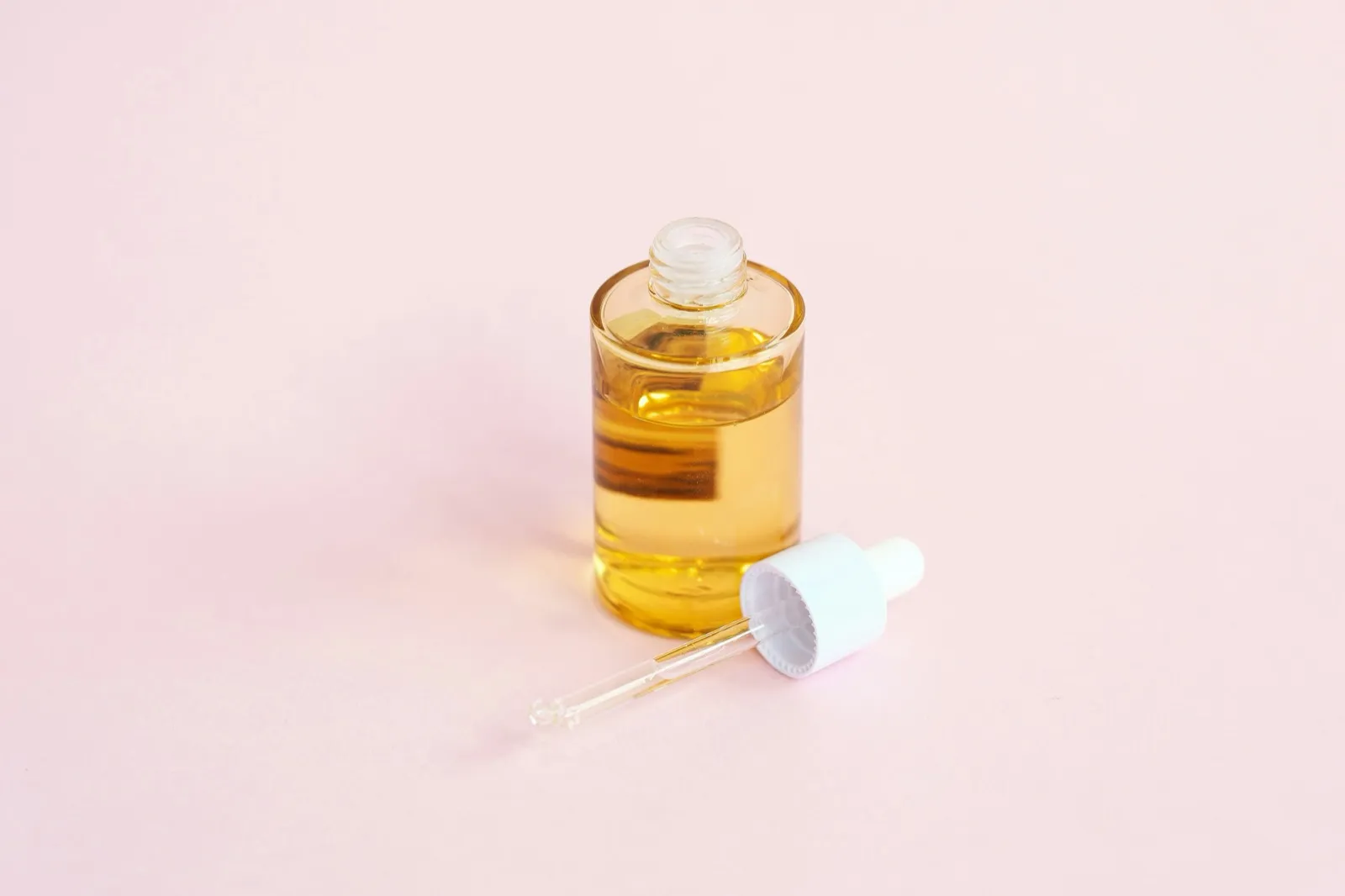
Cleansing oils solve this challenge through the chemical principle of "like dissolves like." When applied to dry skin, the oil molecules infiltrate follicular openings and blend with oxidized sebum. By solubilizing the lipid binder, the oil softens the rigid structure of the plug. Once emulsified with water, the suspended debris rinses cleanly away, leaving pore openings clear without tearing surrounding epidermal tissue.
Comparing Japanese Cleansing Oil Bases for Pore Care
Conclusion: Selecting the right oil base balances pore-clearing power with moisture retention, preventing unnecessary dryness or persistent residue on different skin types.
Japanese cleansing oils utilize three primary categories of lipid bases: ester oils, botanical oils, and mineral oils. Each base behaves differently during application and rinsing.
Heavy makeup wearers and resilient skin types seeking high glide
For targeted blackhead care, formulations that blend ester oils with jojoba oil or rice bran oil are widely favored in Japanese skincare. Jojoba oil is chemically composed of liquid wax esters that mirror human sebum composition, helping it soften hardened pore plugs without triggering irritation.
The Essential Emulsification (Nyuuka) Technique
Conclusion: Proper emulsification transforms oil into a milky microemulsion that lifts dissolved plugs away completely without leaving residue or requiring abrasive friction.
Even the most advanced Japanese cleansing oil formulation will underperform if applied incorrectly. The secret to unclogging blackheads lies in the two-step transition: dry dissolution followed by active emulsification (nyuuka).
Step 1: Dry Application (30 to 45 Seconds)
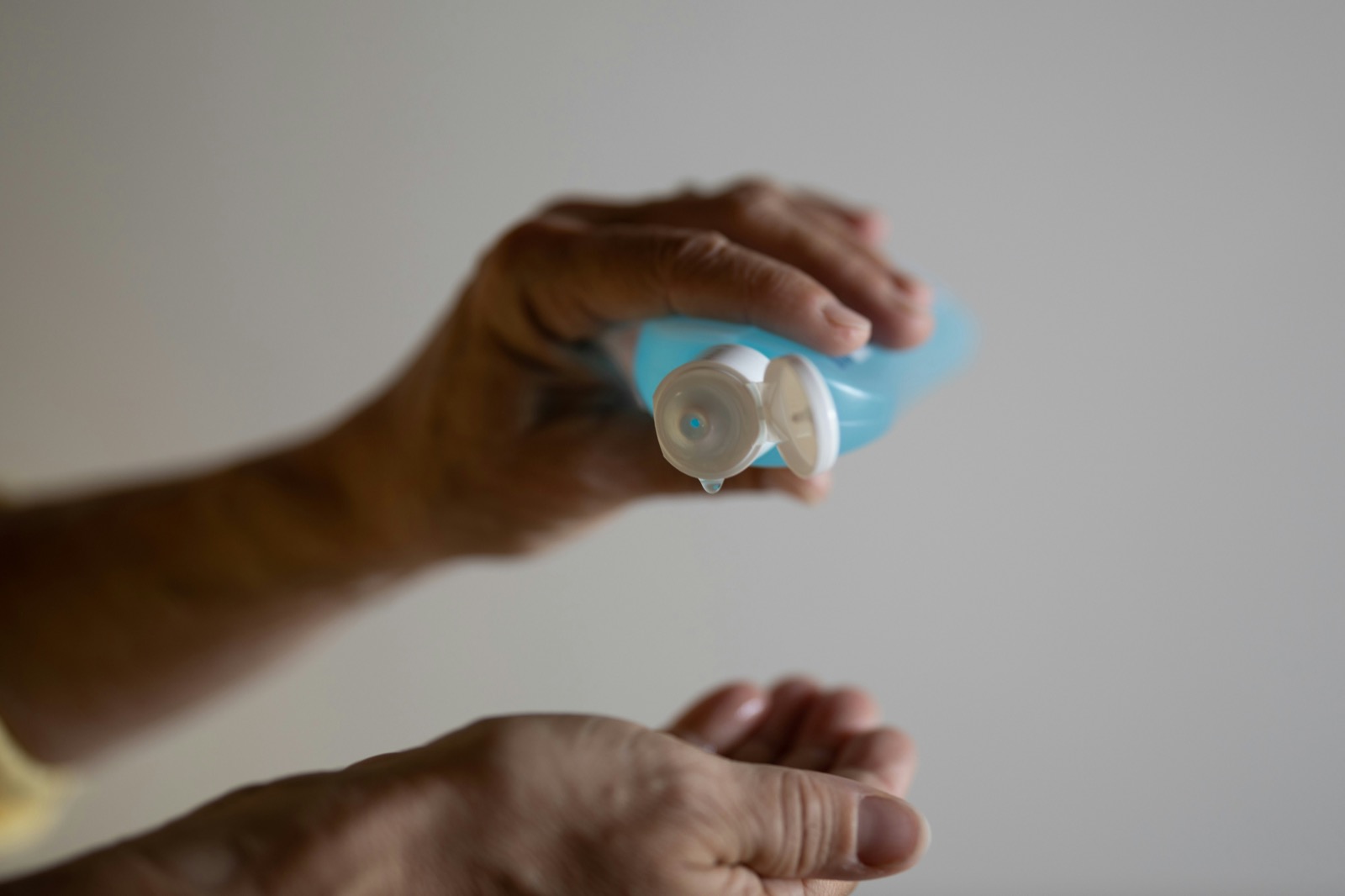
Dispense 2 to 3 pumps of cleansing oil onto completely dry palms. Gently smooth the oil across your dry face. Focus on areas prone to blackheads, such as the nose wings, chin crease, and forehead center. Use the soft pads of your ring and middle fingers to glide in tiny circular motions.
According to guidelines from the American Academy of Dermatology, "Resist the temptation to scrub your skin because scrubbing irritates the skin"[1]. Excessive rubbing causes micro-inflammation around the pore rim, which actually triggers reactive hyperkeratinization and worsens clogging over time.
Step 2: The Water Activation (Nyuuka)
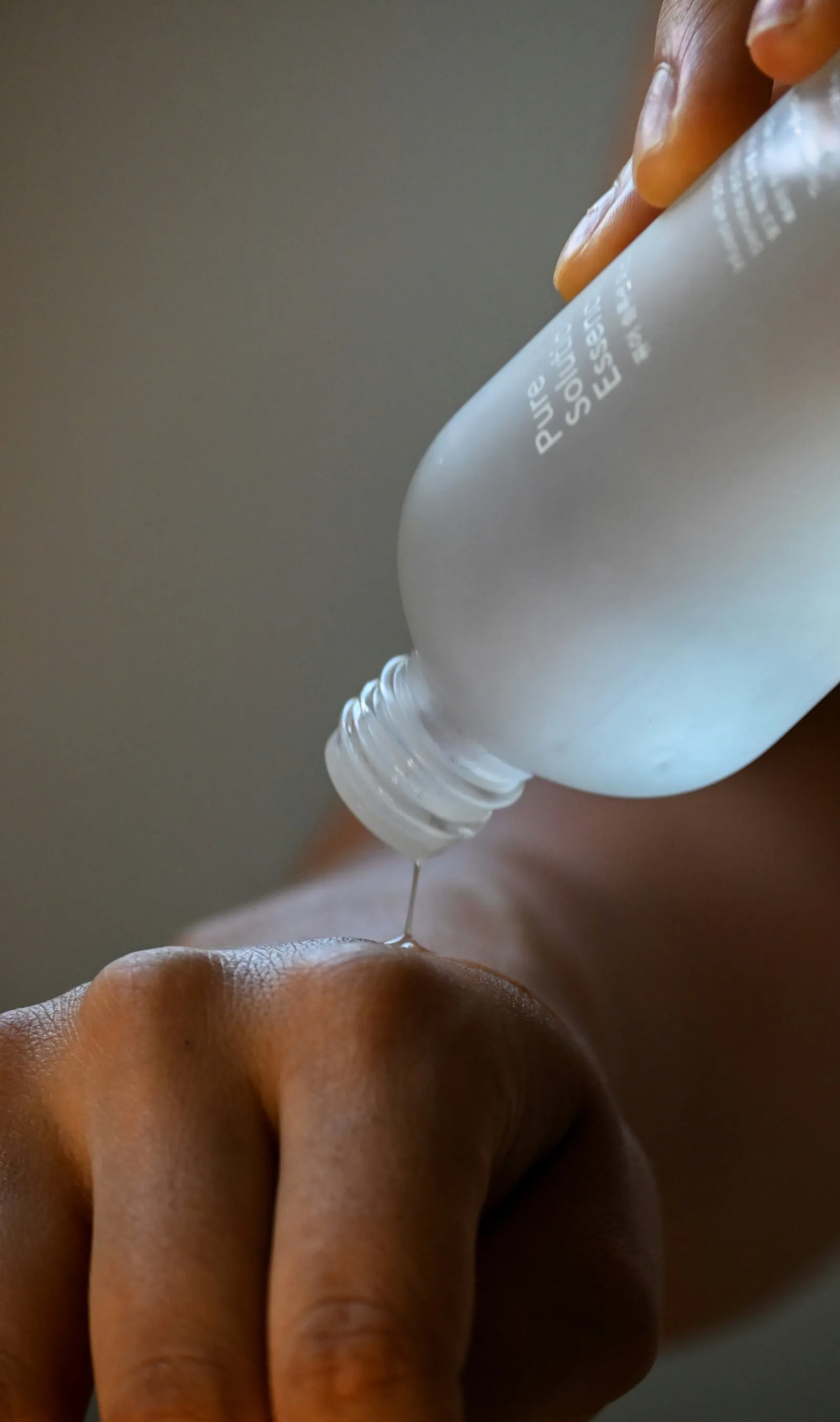
Do not immediately wash your face with a deluge of water. Instead, wet your fingertips with a small splash of lukewarm water and massage your face again. As water molecules meet the surfactant-oil mixture, the clear oil instantly turns cloudy and white. This visual transformation indicates that a microemulsion has formed. The emulsifier has encapsulated the oil and dissolved sebum, making the entire mixture water-soluble.
Step 3: Thorough Lukewarm Rinsing
Rinse your face thoroughly with running lukewarm water 10 to 15 times, ensuring no slickness remains around the hairline or jaw. As emphasized by the American Academy of Dermatology, "Rinse with lukewarm water and pat dry with a soft towel"[1]. Avoid hot water, which strips intercellular lipids from the stratum corneum and damages barrier function.
Conclusion: Replenishing moisture immediately after oil cleansing prevents dehydration-induced sebum overproduction that leads to rapid blackhead recurrence.
Many people who struggle with blackheads make the mistake of leaving their skin bare after cleansing, fearing that moisturizers will re-clog their pores. However, stripping the surface barrier without replacing lost moisture triggers a rebound reaction.
The American Academy of Dermatology highlights the necessity of hydration: "DO apply moisturizer after cleansing. Although you have oily skin, it is still important to apply moisturizer to keep your skin hydrated"[2].
When surface water levels plummet, the sebaceous glands compensate by producing heavier sebum output. Furthermore, the American Academy of Dermatology explains: "When your skin becomes dry, your body makes more oil. The extra oil can clog your pores, which may lead to more breakouts. The right moisturizer can prevent your skin from becoming dry and irritated"[3].
To maintain clear pores following cleansing oil use, integrate these protective steps:
Replenish with Hydrating Lotion: Pat a lightweight Japanese hydrating lotion rich in humectants like hyaluronic acid and glycerin into damp skin. For proper application layering, review how to use Japanese hydrating lotion.
Evaluate Double Cleansing: If your cleansing oil rinses completely clean without oily film, a second cleanser may only be needed in the evening when wearing heavy makeup. To understand when to incorporate a secondary wash, explore the Japanese double cleansing method.
Seal with an Emulsion: Lock in hydration with a lightweight, breathable emulsion containing ceramides to reinforce the moisture barrier without pore congestion.
What to Avoid: 4 Cleansing Habits That Aggravate Blackheads
Conclusion: Avoiding aggressive extraction strips, scalding water, and prolonged face massages protects delicate pore architecture from chronic laxity and irritation.
Persistent blackheads tempt many into counterproductive routines. To maintain healthy pore margins, avoid these four common pitfalls:
Relying on Adhesive Pore Strips: While adhesive strips provide immediate visual gratification by ripping out plugs, they frequently tear away surrounding stratum corneum cells. This trauma prompts rapid irritation and causes pores to lose elasticity, making future clogging more noticeable.
Prolonged Facial Massaging: Some online tutorials suggest massaging cleansing oil for 15 to 20 minutes to "roll out" blackheads. Extended friction damages the skin's barrier lipids and can induce capillary dilation (telangiectasia). Limit oil cleansing massage to 60 seconds maximum.
Skipping the Emulsification Step: Splashing large volumes of water immediately onto un-emulsified oil can trap dispersed makeup and oxidized lipids in the pore crevices, creating new microcomedones. Always emulsify with a small amount of water first.
Using Scalding Hot Water: Hot water dissolves essential intercellular ceramides in the stratum corneum, creating barrier dryness that prompts excessive compensatory sebum secretion.
Signs to Stop and When to Consult a Doctor
Conclusion: Stop using cleansing oils if you experience stinging, rash, or persistent redness, and consult a dermatologist for medical guidance.
While Japanese cleansing oils are formulated for gentle daily use, individual sensitivities can occur:
Immediate Burning or Itching: If you feel sharp stinging, itching, or developing hives upon application, rinse immediately with cool water and discontinue use.
Persistent Erythema or Breakouts: If widespread redness, inflamed papules, or contact dermatitis develop after several days, stop using the oil.
Inflammatory Acne Cysts: Cleansing oils help clear non-inflammatory blackheads and surface debris. Deep cystic acne or infected pustules require medical evaluation by a certified dermatologist rather than cosmetic cleansers.
Always conduct a 24-hour patch test on your inner forearm or jawline before introducing a new cleansing oil to your face.
Summary: Essential Principles for Blackhead Care
Consistent, gentle care forms the foundation of Japanese pore management. Rather than trying to force plugs out through physical extraction, Japanese cleansing oils work alongside skin physiology to dissolve sebum binders and rinse them away cleanly.
Keratotic plugs (kakusen) are composed of 70% dead protein cells and 30% oxidized sebum; lipophilic cleansing oils dissolve the lipid binder gently.
Select your oil base to suit your skin type: ester oils offer lightweight glide for combination skin, while botanical oils provide nourishing comfort for drier complexions.
Always emulsify (nyuuka) with a splash of lukewarm water until the oil turns milky before rinsing thoroughly.
Follow with immediate hydration using humectant-rich lotions to prevent compensatory sebum overproduction.
FAQ
Q1. Will using a cleansing oil cause more breakouts if I have oily skin?
A. Properly formulated Japanese cleansing oils contain high-grade emulsifiers that rinse away cleanly with water. (Details)
Properly formulated Japanese cleansing oils contain high-grade emulsifiers that rinse away cleanly with water. Because they dissolve excess sebum without stripping the skin's moisture barrier, they help balance oil production rather than provoking breakouts, provided they are emulsified and rinsed thoroughly.
Q2. How often should I use cleansing oil to target blackheads?
A. Cleansing oil can be used once daily during your evening routine to dissolve daily sunscreen, makeup, and oxidized sebum. (Details)
Cleansing oil can be used once daily during your evening routine to dissolve daily sunscreen, makeup, and oxidized sebum. For dry or sensitive skin types, using it 3 to 4 times per week focused primarily on congested T-zone areas is often sufficient.
Q3. Can cleansing oil dissolve closed comedones as well?
A. Cleansing oils are particularly effective for open comedones (blackheads) where oxidized lipids are exposed to the surface. (Details)
Cleansing oils are particularly effective for open comedones (blackheads) where oxidized lipids are exposed to the surface. Closed comedones (*whiteheads*) have a layer of dead skin cells covering the opening, which may require gentle chemical exfoliants like salicylic acid (BHA) alongside regular oil cleansing.
Q4. Is a second foaming cleanser always necessary after cleansing oil?
A. Not necessarily. Many modern Japanese cleansing oils are engineered to be self-emulsifying and residue-free. (Details)
Not necessarily. Many modern Japanese cleansing oils are engineered to be self-emulsifying and residue-free. If your skin feels completely clean and supple after rinsing, a second wash may be omitted, especially for individuals with dry or sensitive skin.
Q5. Can I use a pore vacuum or extractor tool with cleansing oil?
A. Dermatologists strongly advise against using mechanical pore vacuums or metal comedone extractors at home. (Details)
Dermatologists strongly advise against using mechanical pore vacuums or metal comedone extractors at home. While applying cleansing oil softens sebum, applying suction or metal edges causes micro-bruising, ruptured capillaries, and potential scarring around the pore opening. Relying on gentle oil dissolution and emulsification provides safe, progressive clearance without physical trauma.
Disclaimer: This article is for general information and education about Japanese cosmetics and their labels. It is not a substitute for professional medical advice, diagnosis, or treatment. Skincare results vary from person to person. Product formulas, availability, prices, and regulations change, and products sold in Japan can differ from versions sold elsewhere, so always check the current label. Do a patch test before introducing a new product, and consult a doctor or dermatologist if you have a skin condition or specific concerns.