How to Whip Japanese Cleanser Foam: Dense Meringue Guide
CleansingBy Miho Tanaka
title: How to Whip Japanese Cleanser Foam: Dense Meringue Guide
meta_description: Master how to whip Japanese cleanser foam into dense micro-bubbles. Learn foaming net techniques, water-to-soap ratios, and gentle washing rituals.
affiliate: false
How to Whip Japanese Cleanser Foam: Dense Meringue Guide
In many Western skincare routines, washing your face is approached as a straightforward mechanical chore: you squeeze a dab of gel or cream cleanser into damp hands, rub your palms together for two seconds to produce a watery lather, and scrub vigorously across your cheeks. In Japanese beauty (J-beauty), this approach is considered one of the primary causes of premature aging, moisture barrier depletion, and persistent redness.
Instead of lathering cleanser directly against facial skin, Japanese skincare centers on the ritual of whipping a dense micro-foam cushion (nou-mitsu awa). Resembling whipped culinary meringue, this elastic lather contains millions of microscopic bubbles that act as a buoyant shock absorber. Learning how to whip Japanese cleanser foam properly allows you to sweep away sweat, pollutants, and sebum through surface tension alone—ensuring your fingertips never drag across delicate facial contours.
Quick answer: To whip authentic Japanese cleanser foam, start by washing your hands thoroughly. Dampen a specialized mesh foaming net (awa-date netto) with lukewarm water and squeeze out excess moisture. Dispense a coin-sized amount of foaming paste into the net, rub vigorously in circular motions for 15 to 20 seconds, and squeeze out the dense meringue from base to tip. The finished foam should be firm enough to stay put even when you turn your palm upside down.
The Science of the Micro-Foam Cushion (Awadachi)
Conclusion: Dense micro-foam traps debris through capillary action and surface tension, allowing thorough cleansing without abrasive hand-to-face friction.
Why do Japanese dermatologists place such extraordinary emphasis on foam density? The explanation lies in fluid dynamics and epidermal biology.
When foaming cleanser is whipped with sufficient air and minimal water, it transitions from a coarse soapy lather into an elastic, structural foam. The micro-bubbles measure less than 100 micrometers in diameter. These microscopic spheres pack together tightly, generating high structural resilience:
The Frictionless Barrier (Masatsu-resu): Coarse, watery bubbles pop instantly under the weight of your hands, leaving your fingers in direct, abrasive contact with the skin. In contrast, dense micro-foam acts like an inflatable cushion. It supports the physical pressure of your palms, preventing mechanical dragging (masatsu) that damages delicate stratum corneum lipids.
Capillary Cleansing Action: The interstitial spaces between densely packed micro-bubbles act like tiny sponges. As you roll the foam across your skin, surface dirt, perspiration salts, and environmental dust are naturally drawn into the foam matrix through surface tension and capillary attraction.
Reduced Surfactant Irritation: Whipping incorporates copious air into the cleanser, ensuring that surfactants are evenly distributed and diluted. This prevents concentrated detergent patches from lingering on the skin and leaching out natural moisturizing factors (NMF).
Choosing Your Foaming Tool: Nets vs. Cups vs. Bare Palms
Conclusion: Mesh foaming nets provide the fastest, densest meringue lather, while bare hands require advanced friction technique and extra time.
While skilled hands can create foam without accessories, modern tools make whipping dense foam fast and effortless.
Scroll horizontally to view full table
Foaming Tool
Whipping Mechanism
Lather Density & Elasticity
Preparation Speed
Ideal For
Mesh Foaming Net (*Awa-date Netto*)
Multi-layered polyethylene mesh incorporating rapid air volume
Highest; creates thick, stiff meringue peaks that hold form
Fast (15 to 20 seconds)
Everyday paste, cream, and powder facial cleansers
Foaming Whipping Cup (*Awa-itate-ki*)
Plunger plate pumping air through liquid micro-holes
Very high; creates massive cloud-like volume
Moderate (20 to 30 seconds)
Users who want enormous foam volume for neck and décolleté
Bare Palms (Traditional Hand Method)
Cup-shaped palm whipping with incremental water drops
Moderate; softer and lighter cushion density
Slow (60 to 90 seconds)
Minimalist routines and travel when accessories are unavailable
A standard Japanese mesh foaming net remains the gold standard in Japanese households. Designed with double or triple gathered mesh pockets, it transforms a pea-sized drop of facial wash into a baseball-sized cloud of foam in seconds.
Step-by-Step: How to Whip Dense Foam in 30 Seconds
Conclusion: Clean hands, minimal starting water, and gentle squeezing along the mesh net produce stiff, velvety foam peaks ready for cleansing.
Follow this four-step routine to achieve optimal foam consistency every time:
Step 1: Wash Your Hands First
This is the most frequently overlooked step. Natural oils and hand lotions on your palms will act as defoaming agents, collapsing bubbles before they have a chance to multiply. Wash your hands thoroughly with standard soap before touching your face cleanser or foaming net.
Step 2: Wet the Net and Shake Off Excess Water
Wet your foaming net thoroughly with lukewarm water. Hold the ring at the top and give it two brisk downward shakes. The common mistake is leaving too much water in the mesh, which results in runny, watery suds rather than dense, velvety foam.
Step 3: Dispense Cleanser and Whip Rapidly
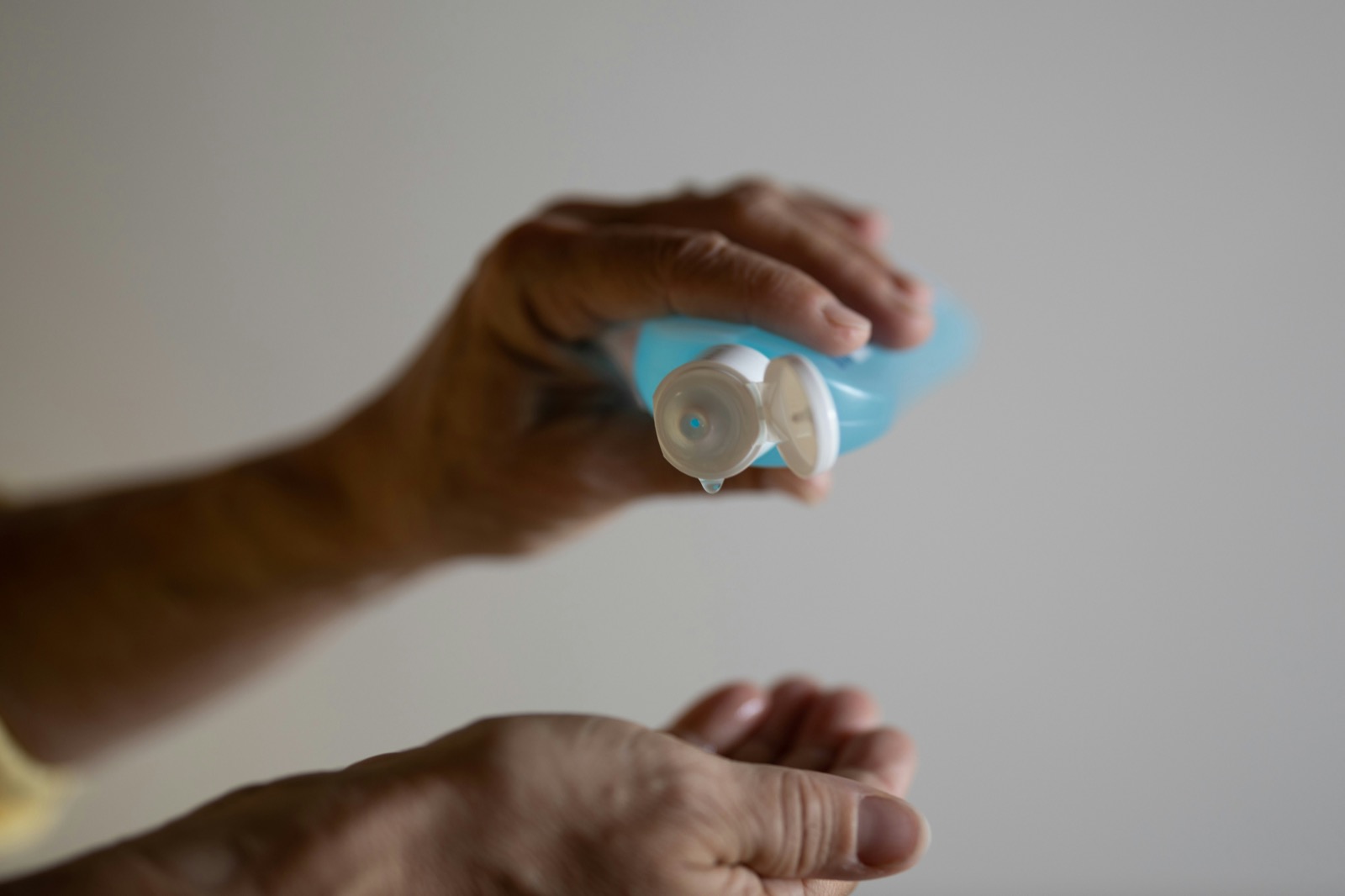
Dispense approximately 1.5 to 2 centimeters (about the size of a dime) of Japanese foaming paste directly into the folds of the net. Hold the net between both palms and rub in rapid, circular motions. Within 10 seconds, white lather will begin expanding. If the mixture feels stiff or gummy, add just two or three drops of lukewarm water to your fingertips and continue rubbing for another 10 seconds.
Step 4: Harvest the Meringue Foam
Gather the net in one hand by its top ring. Wrap your other hand firmly around the base of the mesh and slide upward in a single squeezing motion. The concentrated, dense meringue foam will collect on top of your hand in a thick, velvety mound.
The Inversion Test: Turn your palm upside down. If the foam slides off or drips, it contains too much water. A properly whipped Japanese foam will cling tenaciously to your palm without budging.
The Friction-Free Washing Ritual: Rolling the Cushion
Conclusion: Rolling the foam cushion across facial contours removes impurities without dragging fingertips across delicate epidermal layers.
Once your foam is whipped, applying it properly ensures your skin receives the full barrier-protecting benefits.
Place Foam on the T-Zone First: Transfer the cloud of foam onto your forehead and nose, where sebaceous glands are most concentrated and sebum output is highest.
Roll, Do Not Rub: Place your palms flat against the foam. Press gently inward and release, rolling the bubbles across your skin. Your hands should glide over the buoyant foam cushion without your fingertips ever physically making contact with your facial skin.
Sweep Across the U-Zone: Gently extend the remaining foam outward across your cheeks and jawline for just 10 to 15 seconds. Because cheeks contain fewer sebaceous glands, they require minimal contact time.
Dermatologists offer explicit instructions on facial washing friction. According to guidelines from the American Academy of Dermatology, "Resist the temptation to scrub your skin because scrubbing irritates the skin"[1]. Aggressive rubbing breaks down epidermal ceramides and causes mechanical micro-inflammation.
Rinsing with Lukewarm Water
Rinse away the foam by cupping lukewarm water in your hands and gently splashing your face 10 to 15 times. As emphasized by the American Academy of Dermatology, "Rinse with lukewarm water and pat dry with a soft towel"[1]. Ensure that no foam traces linger along the hairline, jawline, or nasal creases.
Post-Cleansing Care: Locking in Surface Hydration
Conclusion: Immediate moisture application prevents post-wash tightness and restores epidermal water levels after foaming cleansing.
Even the mildest foaming cleanser temporarily alters the skin's surface pH and moisture balance. Taking prompt action after blotting your face dry preserves barrier integrity.
The American Academy of Dermatology advises: "Be sure to apply your moisturizer when your skin is still damp after taking a shower or bath, after washing your hands, and when your skin feels dry"[2].
Furthermore, even individuals managing oily or combination skin must hydrate immediately following cleansing. As highlighted by the American Academy of Dermatology, "DO apply moisturizer after cleansing. Although you have oily skin, it is still important to apply moisturizer to keep your skin hydrated"[3].
To keep skin supple following your foaming wash:
Understand Double Cleansing: In the evening, pair your whipped foaming wash with a preceding oil-based cleanser to melt water-resistant sunscreen and makeup first. For full routine instructions, explore the Japanese double cleansing method.
Replenish with Hydrating Lotion: Pat a generous amount of watery Japanese lotion packed with hyaluronic acid and amino acids into damp skin within 60 seconds of towel drying. To master proper hand-patting methods, refer to how to use Japanese hydrating lotion.
Seal with an Emulsion: Lock in hydration with a lightweight facial milk containing ceramides to prevent surface evaporation.
Common Foaming Mistakes That Compromise Your Barrier
Conclusion: Avoiding watery lather, dirty mesh nets, scalding water, and prolonged face contact protects delicate stratum corneum lipids.
To ensure your foaming ritual yields healthy, calm skin, avoid these frequent errors:
Rubbing the Foaming Net Directly on Your Face: The polyethylene mesh of a foaming net is designed solely to aerate soap in your hands. Never scrub your face with the net, as its plastic mesh causes immediate physical abrasions.
Cleansing with Watery, Drippy Suds: If your lather lacks density, you have added too much water. Thin suds collapse instantly under your hands, causing friction and stripping surface moisture.
Leaving Foam on the Face as a "Bubble Mask": While leaving foam on your face for several minutes might look fun on social media, prolonged surfactant contact denatures stratum corneum proteins and causes severe post-wash dehydration. Complete your wash within 30 to 45 seconds.
Storing Wet Foaming Nets in Damp Showers: Leaving a wet mesh net in a poorly ventilated shower encourages bacterial and mold colonization. Rinse your net thoroughly after each use and hang it in a dry, ventilated area.
Signs to Stop and When to Consult a Doctor
Conclusion: Stop using cleansers if you experience severe tightness, burning, or persistent eczema patches, and seek medical advice from a dermatologist.
While micro-foam provides a gentle cleansing cushion, individual skin conditions require caution:
Persistent Post-Wash Stinging: If your face stings or burns when applying standard hydrating lotion after cleansing, your moisture barrier is compromised. Switch to an ultra-mild, non-foaming cleansing milk temporarily.
Flaking, Erythema, or Contact Dermatitis: Developing red patches, scaling, or itchy papules indicates acute intolerance to a cleanser ingredient. Discontinue use immediately.
Severe Eczema or Open Skin Lesions: Active atopic dermatitis flare-ups or cracked barriers require clinical evaluation by a certified dermatologist rather than commercial foaming washes.
Always conduct a 24-hour patch test before introducing a new facial cleansing paste or wash into your daily regimen.
Summary: Key Steps for Japanese Cleanser Whipping
Mastering dense cleanser whipping elevates daily face washing from a routine chore into a gentle, skin-protective ritual:
Clean Hands First: Wash your hands thoroughly with soap so residual surface oils do not collapse your lather.
Shake Out Excess Water: Dampen the mesh net and shake twice to maintain the optimal water-to-cleanser ratio.
Whip Rapidly: Rub the net between your palms for 15 to 20 seconds to incorporate maximum micro-bubble volume.
Roll the Bubble Pillow: Glide the dense foam across your face without letting your fingertips make direct contact with your skin.
Rinse with Lukewarm Water: Splash 10 to 15 times with lukewarm water (32°C to 34°C) and moisturize immediately while damp.
FAQ
Q1. Can I whip foaming cleanser without a foaming net?
A. Yes, but it requires patience. (Details)
Yes, but it requires patience. Wet one palm, dispense a pea-sized amount of cleanser, and use the fingertips of your other hand to whip in rapid circular motions while adding a few drops of lukewarm water incrementally every 15 seconds. However, a mesh net achieves far greater micro-bubble density in a fraction of the time.
Q2. Does whipping cleanser make it more or less drying on the skin?
A. Whipping makes cleanser significantly less drying. (Details)
Whipping makes cleanser significantly less drying. Diluting the concentrated paste with air and water creates a uniform micro-emulsion that lifts impurities without depositing harsh, concentrated surfactant pools directly onto sensitive epidermal cells.
Q3. Can I use a foaming net with cleansing powder or solid bar soap?
A. Yes. Foaming nets work exceptionally well with Japanese enzyme cleansing powders and traditional facial soap bars. (Details)
Yes. Foaming nets work exceptionally well with Japanese enzyme cleansing powders and traditional facial soap bars. Simply sprinkle the powder onto a damp net or rub the soap bar across the mesh for 2 to 3 seconds before whipping.
Q4. How often should I clean and replace my foaming net?
A. Rinse your foaming net thoroughly under running water after every use, shake out excess moisture, and hang it by its ring in a well-ventilated location. (Details)
Rinse your foaming net thoroughly under running water after every use, shake out excess moisture, and hang it by its ring in a well-ventilated location. To maintain hygienic standards, replace your foaming net every two to three months.
Q5. Should I whip self-foaming pump cleansers?
A. No. Pump bottles equipped with built-in foaming nozzles already aerate liquid cleanser into lather as it dispenses. (Details)
No. Pump bottles equipped with built-in foaming nozzles already aerate liquid cleanser into lather as it dispenses. However, pump-dispensed foam tends to have larger bubble diameters and lower structural density than foam whipped manually with a high-density mesh net.
Disclaimer: This article is for general information and education about Japanese cosmetics and their labels. It is not a substitute for professional medical advice, diagnosis, or treatment. Skincare results vary from person to person. Product formulas, availability, prices, and regulations change, and products sold in Japan can differ from versions sold elsewhere, so always check the current label. Do a patch test before introducing a new product, and consult a doctor or dermatologist if you have a skin condition or specific concerns.