Japanese Lotion vs Western Toner: How They Actually Differ
HydrationBy Miho Tanaka
"I bought a Japanese lotion, but it feels like water—is this supposed to be a toner?" Staring at a newly purchased bottle, many newcomers find the naming confusing. In Western skincare, a "lotion" is typically a creamy moisturizer, while a "toner" is often a watery liquid meant to clarify skin or remove leftover residue. In Japan, however, a "lotion" refers to keshosui—a watery liquid engineered specifically to infuse the skin with deep hydration. This guide breaks down the functional differences between Japanese lotions and Western toners, explains what ingredients to look for, and highlights dermatological guidance from the American Academy of Dermatology (AAD). If you are new to Japanese skincare, you can also explore our foundational overview on What Is J-Beauty?.
Quick answer
In short: A Japanese "lotion" (keshosui) is a water-like hydrating formula packed with humectants, designed to deliver immediate moisture to clean skin right after washing.[1] In contrast, traditional Western toners were developed as astringent, secondary cleansing steps to strip away residual sebum and makeup. The American Academy of Dermatology (AAD) cautions that astringents, toners, and alcohol-based products can irritate the skin, cause excessive dryness, and make skin concerns like acne appear worse.[2][3]
Best for: anyone puzzled by Japanese product categories or seeking gentle hydration without astringent tightness
Key takeaway: Japanese lotion hydrates and softens, while traditional Western toner cleanses and tightens
What to check on the label: look for keshosui (hydrating lotion), alcohol-free claims, and whether the product is registered as an ordinary cosmetic or a quasi-drug in Japan[4]
What "lotion" means in Japan (and why it confuses Western buyers)
Bottom line: In Japan, the word "lotion" refers to keshosui, a watery liquid meant to hydrate the surface of the skin, whereas in Western markets "lotion" describes a creamy emulsion.
For English speakers, shopping for Japanese skincare often involves a language hurdle. In the United States and Europe, "lotion" almost universally denotes a pump-bottle cream or light body milk. If you purchase a Japanese product labeled "lotion" expecting a rich cream, pouring a clear liquid onto your palm can be surprising.
In Japanese terminology, this product is keshosui (meaning a Japanese hydrating lotion; a watery formula used immediately after cleansing to deliver surface moisture). Rather than functioning as a final moisturizing seal, keshosui serves as the primary water-delivery step in a multi-stage regimen. Japanese brands, such as Rohto's Hada Labo Tokyo, design these formulas with a lightweight consistency so they can be spread all over the face directly after cleansing.[1] To understand where this step fits into an overall daily sequence, see our complete guide on Japanese Skincare Routine Steps.
The core difference: hydrating humectants vs clarifying astringents
Bottom line: Japanese lotions prioritize surface hydration using water-binding humectants, while traditional Western toners focus on astringents and secondary cleansing.
The table below summarizes the key functional distinctions between Japanese hydrating lotions and traditional Western toners.
Scroll horizontally to view full table
Scroll horizontally to view full table
Skincare category
Primary formulation focus
Common active ingredients
Main intended role
Japanese lotion (keshosui)
Hydration and barrier comfort
Humectants (hyaluronic acid, glycerin), amino acids, water
Delivers moisture to prep skin for serums and emulsions[1]
Wipes away residual oil, makeup, and dead surface skin cells[2]
Historically, Western toners were created to balance skin pH and dissolve alkaline soap scum left behind by traditional bar cleansers. Because they often relied on high concentrations of alcohol or witch hazel, they produced a noticeable "tight" or tingling sensation that was marketed as a sign of clean pores.
Japanese lotions take the opposite approach. Japanese cosmetic formulators view hydration as the foundation of healthy-looking skin. Instead of stripping natural oils, keshosui is formulated with humectants—water-loving molecules that bind moisture to the outermost layer of the skin (stratum corneum). Formulas are typically designed to leave skin feeling supple and receptive rather than tight or squeaky-clean.
How application differs: hand-pressing vs cotton wiping
Bottom line: Japanese lotions are commonly pressed directly into the skin with clean palms, whereas traditional astringent toners are swiped across the face with a cotton pad.
The physical method of application reflects each formula's underlying purpose:
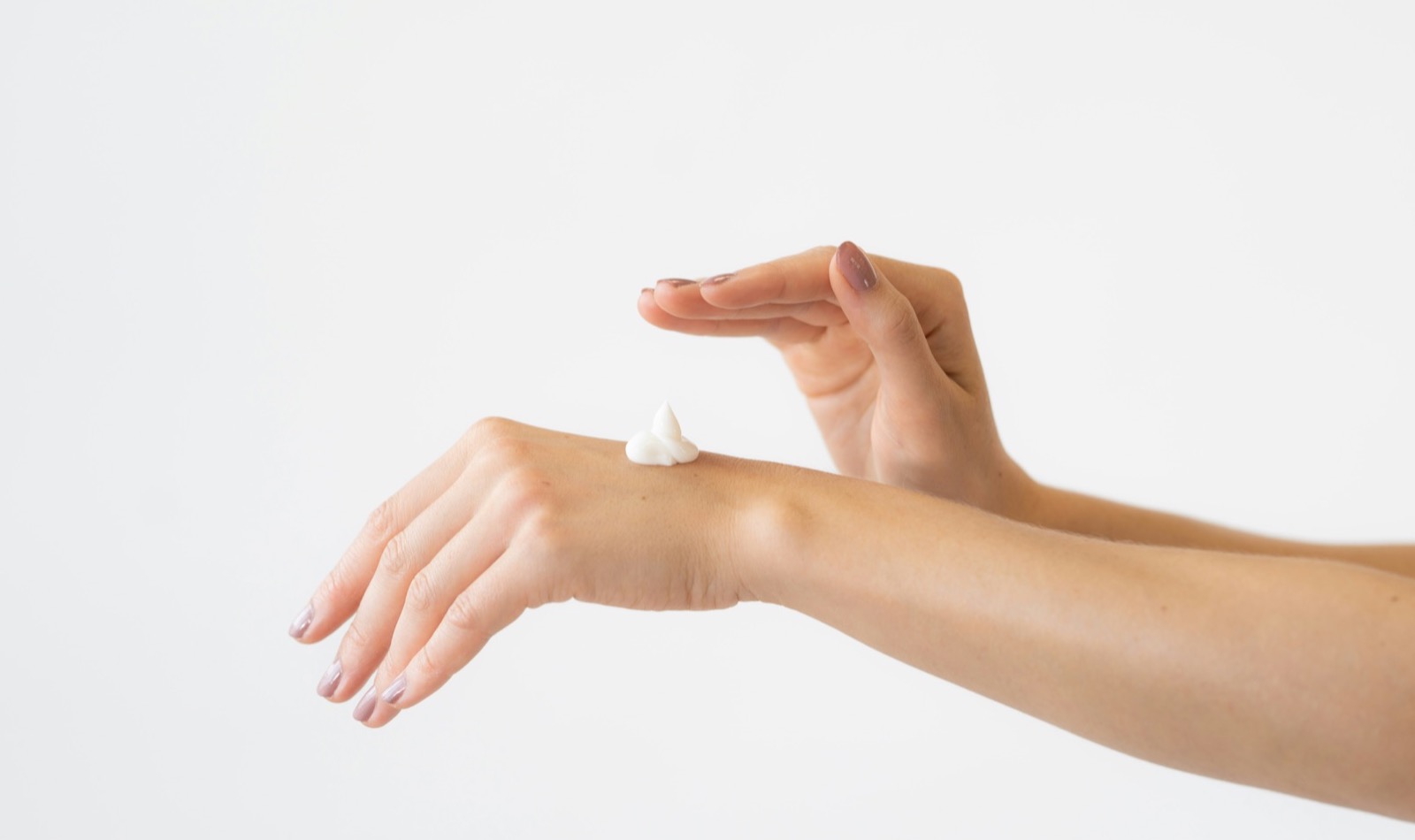
Gentle pressing (hand-press): Because Japanese lotions are meant to deliver hydration rather than remove dirt, the standard method recommended by Japanese beauty brands involves pouring a coin-sized amount into clean hands and gently patting or pressing it into the face.[1] This avoids friction and allows the watery formula to settle comfortably.
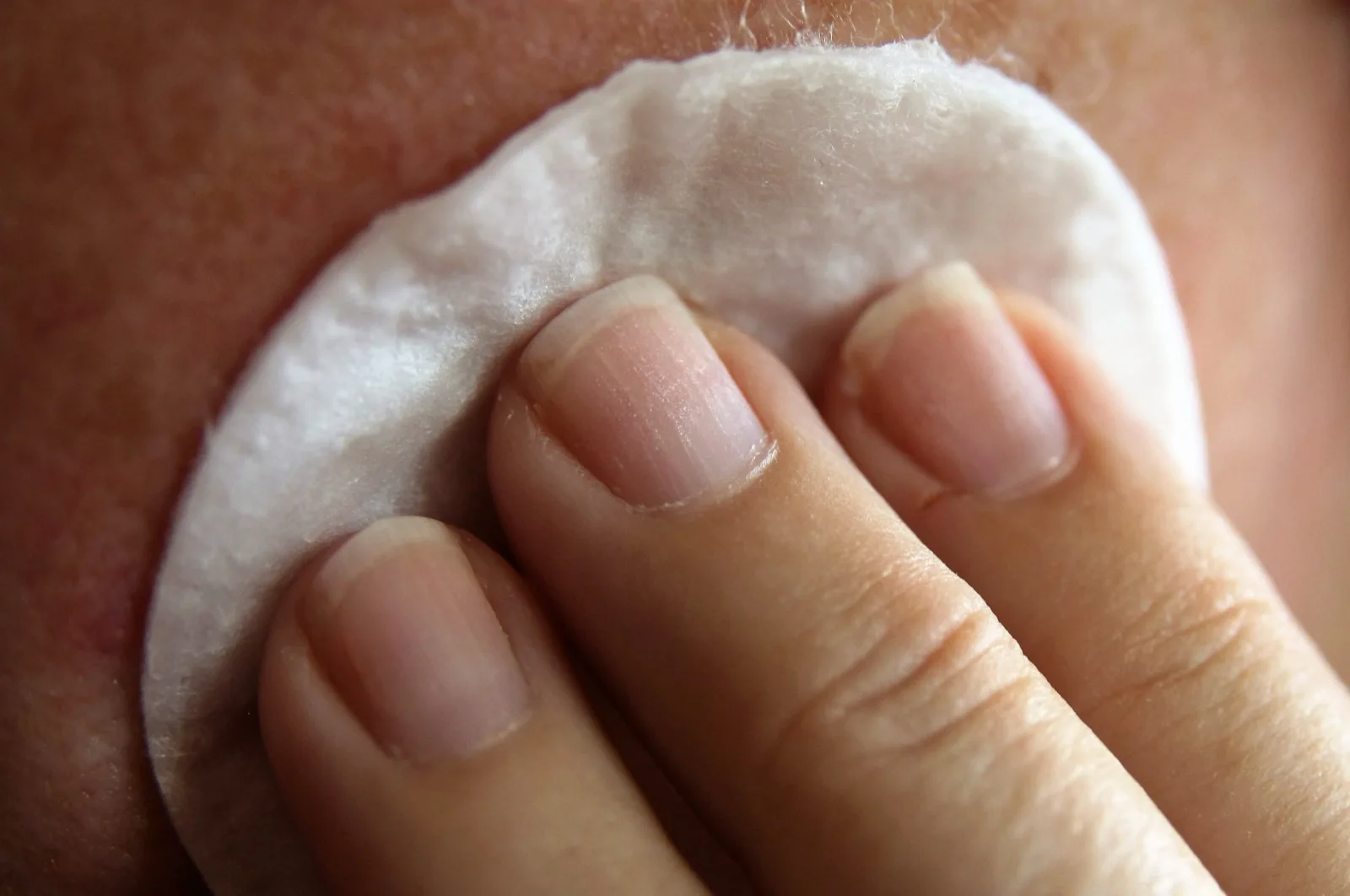
Cotton wiping: Traditional Western toners are almost always applied by soaking a cotton round and wiping it across the face. While this wiping action helps pick up leftover makeup or excess sebum, physical friction from cotton pads can trigger irritation on delicate facial skin.
If you choose to apply more than one layer of hydration or want to pair your lotion with a milky moisturizer, check our practical guide on How to Layer Japanese Skincare Products for details on texture consistency and preventing pilling.
How to choose based on your skin type and routine
Bottom line: People with dry, tight, or sensitive skin generally benefit from hydrating Japanese lotions, while AAD guidance advises avoiding harsh toners that cause dryness or irritation.
When deciding which product suits your routine, dermatological guidance highlights the importance of protecting the skin barrier:
For dry, tight, or sensitive skin: Harsh astringents can compromise the skin surface. The AAD recommends choosing gentle products and avoiding formulas that cause stinging, burning, or redness.[2][3] Hydrating Japanese lotions provide water without stripping oils, making them a comfortable option when your skin feels tight after washing.
For oily or acne-prone skin: It is common to believe that oily skin must be dried out with aggressive astringents. However, the AAD explicitly advises people managing acne to avoid astringents, toners, and exfoliants that can irritate and dry the skin, as excessive irritation can make breakouts appear worse.[2] Even for oily skin, the AAD emphasizes applying moisturizer after cleansing to keep skin properly hydrated.[3]
For chemical exfoliation: Modern Western toners frequently contain active exfoliating acids (such as salicylic acid or glycolic acid). If you incorporate exfoliating acids into your routine, limit their frequency and introduce new formulas one at a time to monitor skin tolerance.
What to check on the label (alcohol, quasi-drugs, and hydration marks)
Bottom line: Read product labels carefully to check for alcohol content and Japanese regulatory classifications like quasi-drugs.
To choose the right formula, three label details are especially useful to evaluate:
"Alcohol-free" indications: The AAD advises choosing gentle skincare products that state "alcohol-free" on the label.[2] In Japan, while some lotions contain small amounts of alcohol to enhance texture or evaporation, many popular keshosui formulas are formulated without ethanol.
Product category (cosmetic vs. quasi-drug): In Japan, cosmetics sold on the market must comply with the Standards for Cosmetics, while formulas containing active ingredients are generally classified as quasi-drugs and require regulatory approval from Japan's Pharmaceuticals and Medical Devices Agency (PMDA).[4] A quasi-drug label (iyakubugaihin) tells you that a product contains regulated active ingredients under Japanese law, such as dipotassium glycyrrhizate or tranexamic acid.
Texture descriptions: Because Japanese brands use terms like "light" (sappari) and "moist" (shittori) to describe the viscosity of watery lotions, check product descriptions to ensure the thickness matches your climate and skin preference.
Signs to stop and when to see a doctor
Bottom line: Stop using any product that causes persistent stinging, burning, or redness, and consult a doctor or dermatologist if symptoms continue.
Always perform a patch test on a small area of skin before applying any new cosmetic product to your face. Although Japanese lotions are formulated for hydration, individual reactions can occur, especially if you have sensitive skin or an impaired skin barrier.
If your skin develops persistent redness, burning, itching, swelling, or rash-like bumps, discontinue use immediately. Simplify your daily routine to a mild cleanser, a basic moisturizer, and sun protection. If irritation does not resolve within several days, or if you have specific skin conditions such as eczema or rosacea, consult a board-certified dermatologist. This article is for informational purposes only and cannot provide medical diagnoses or clinical care.
FAQ
Q1. What is the main difference between Japanese lotion and Western toner?
A. A Japanese lotion (keshosui) is a watery hydrating liquid meant to flood clean skin with moisture, while traditional Western toners are astringent formulas designed to strip oil and remove residue.[1][2] Japanese lotions act as the foundational moisture step rather than a secondary cleansing step. (Details)
A Japanese lotion (keshosui) is a watery hydrating liquid meant to flood clean skin with moisture, while traditional Western toners are astringent formulas designed to strip oil and remove residue.**[1][2] Japanese lotions act as the foundational moisture step rather than a secondary cleansing step.
Q2. Can I use both a Western toner and a Japanese lotion in the same routine?
A. You can theoretically use both, but layering multiple products increases the potential for skin irritation. The AAD cautions that astringents and harsh toners can over-dry the skin.[2] If you use an exfoliating toner, applying a gentle hydrating lotion afterward can restore moisture, but introducing them separately helps monitor skin tolerance. (Details)
You can theoretically use both, but layering multiple products increases the potential for skin irritation.** The AAD cautions that astringents and harsh toners can over-dry the skin.[2] If you use an exfoliating toner, applying a gentle hydrating lotion afterward can restore moisture, but introducing them separately helps monitor skin tolerance.
Q3. Why is Japanese lotion so watery instead of creamy?
A. Japanese lotions are formulated with lightweight water and humectants so they spread easily and wet the outer layer of skin without creating an occlusive barrier.[1] Rich creams and milky emulsions (nyuueki) are applied afterward to seal the hydration into the skin. (Details)
Japanese lotions are formulated with lightweight water and humectants so they spread easily and wet the outer layer of skin without creating an occlusive barrier.**[1] Rich creams and milky emulsions (nyuueki) are applied afterward to seal the hydration into the skin.
Q4. Should I apply Japanese lotion with my hands or a cotton pad?
A. Most Japanese brands recommend pouring lotion into clean palms and gently pressing it onto the face.[1] Applying with hands minimizes friction on delicate facial skin, whereas cotton pads are typically reserved for wiping away residue with astringents. (Details)
Most Japanese brands recommend pouring lotion into clean palms and gently pressing it onto the face.**[1] Applying with hands minimizes friction on delicate facial skin, whereas cotton pads are typically reserved for wiping away residue with astringents.
Q5. Is Japanese lotion suitable for oily or acne-prone skin?
A. Yes, lightweight water-based lotions provide hydration without heavy oils or waxes. The AAD emphasizes that even oily skin needs hydration and advises against using harsh alcohol-based toners or astringents that can dry out the skin and aggravate breakouts.[2][3] (Details)
Yes, lightweight water-based lotions provide hydration without heavy oils or waxes.** The AAD emphasizes that even oily skin needs hydration and advises against using harsh alcohol-based toners or astringents that can dry out the skin and aggravate breakouts.[2][3]
Summary
Japanese lotions and Western toners serve entirely different purposes: keshosui provides foundational hydration, whereas traditional toners focus on astringent cleansing.
The naming: In Japan, "lotion" means a watery hydrating liquid (keshosui), not a creamy moisturizer.
The formula: Japanese lotions rely on water-binding humectants, while traditional Western toners rely on astringents or clarifying agents.
The application: Pressing watery lotions into the face with hands prevents the friction caused by cotton wiping.
The dermatological perspective: AAD guidance advises avoiding harsh toners and astringents that dry or irritate the skin.
The label: Check for alcohol-free claims and regulatory categories such as Japanese quasi-drugs.
Results vary from person to person.
References
Rohto Mentholatum / Hada Labo Tokyo, "The Power of a Regimen: Layering Skin Care", https://hadalabotokyo.com/pages/layering-skin-care, accessed 2026-11-10. (Manufacturer's page; used only to show how one brand describes hydrating lotion use and consistency.)
Disclaimer: This article is for general information and education about Japanese cosmetics and their labels. It is not a substitute for professional medical advice, diagnosis, or treatment. Skincare results vary from person to person. Product formulas, availability, prices, and regulations change, and products sold in Japan can differ from versions sold elsewhere, so always check the current label. Do a patch test before introducing a new product, and consult a doctor or dermatologist if you have a skin condition or specific concerns.