"What order do these Japanese products go in?" A list of routine steps can read like a rule, so this guide explains the steps that one brand describes, what each one is for, and where American Academy of Dermatology (AAD) guidance overlaps with it. If you are looking for a broader overview of the philosophy and label terms, start with our pillar guide to What Is J-Beauty?.

Quick answer
In short: One Japanese skincare brand, Shiseido, describes six steps: cleanse, soften, strengthen, add targeted serums, moisturize, and protect with sunscreen.[1] Two American Academy of Dermatology (AAD) pages, one on face washing and one on sunscreen, give a shorter outline that we have combined: wash gently, moisturize if the skin is dry or itchy, and use sunscreen daily on skin not covered by clothing if you will be outside.[2][3] The brand calls its six steps "essential," while the two AAD pages we reviewed do not set a number of steps.
- Best for: anyone building a routine around Japanese products
- Key takeaway: both outlines include cleansing and sun protection, and both mention moisturizer (the AAD says if skin is dry or itchy); the brand's other steps are additions within its own routine
- What to check on the label: the product type (for example keshosui, a Japanese hydrating lotion, meaning a watery step often used like a toner or essence water) and the SPF and PA marks on sunscreens (SPF is sun protection factor; PA is the Japanese UVA protection grade[4])
The core steps and the six-step version
Bottom line: Shiseido's routine and the two AAD pages both include cleansing, moisturizer (the AAD says if skin is dry or itchy), and sunscreen (the AAD says if you will be outside); the brand adds extra steps around them.

The table lines up one brand's six steps with what two AAD pages (face washing and sunscreen) say. Those pages are general guidance, not a description of a Japanese routine, and the step labels in the first column are ours, so we compare them only to show where the outlines overlap. Our five headings group the brand's "Strengthen" step and targeted serums together.
Scroll horizontally to view full table
Scroll horizontally to view full table
| Step | One brand's Japanese-style routine[1] | AAD guidance, face-washing and sunscreen pages (US)[2][3] |
|---|---|---|
| Cleanse | Cleanse | Wash gently, once in the morning and once at night, and after heavy sweating |
| Prepare | Soften (a watery product) | Not mentioned on the pages we reviewed |
| Extra layers | "Strengthen" step and targeted serums | Not mentioned on the pages we reviewed |
| Moisture | Moisturize, lightest texture to heaviest | Moisturizer if skin is dry or itchy |
| Sun | Protect (sunscreen against UVA and UVB) | Broad-spectrum sunscreen, SPF 30 or higher, daily on skin not covered by clothing if outdoors |
Step 1: Cleanse
Bottom line: Shiseido's routine starts with cleansing, and the AAD face-washing page gives details on how to wash.
The brand describes this step as washing away makeup, dirt, and other impurities without stripping away moisture. If you wear makeup, it says to dissolve the makeup residue first and then cleanse.[1]
The AAD's face-washing page recommends the following:[2]
- Use a gentle, alcohol-free, non-abrasive cleanser.
- Wet your face with lukewarm water and apply cleanser using fingertips (avoiding washcloths or mesh sponges that can irritate the skin).
- Resist the urge to scrub, which can cause skin irritation.
- Rinse with lukewarm water and pat dry with a soft towel.
- Wash twice daily—once in the morning and once at night—and after sweating heavily.
Step 2: Soften (keshosui, the watery step)
Bottom line: Shiseido's second step is a watery product applied after cleansing and before serums and creams.

The brand describes softeners as the first moisturizing step, with a water-like formula that it says is meant to prepare the skin for the products that follow.[1] Japanese products for this kind of step may be labeled keshosui (a Japanese hydrating lotion, meaning a watery step often used like a toner or essence water).
In English, "lotion" can mean a creamy product, so a product labeled "lotion" may have a different texture from what you expect. Read the product description, not just the word. The AAD face-washing page does not describe a softening step.[2]
Step 3: Serums as extra layers
Bottom line: Shiseido's "Strengthen" and targeted-serum steps add products that the two AAD pages we reviewed do not cover.
The brand says its "Strengthen" step comes after cleansing and softening and before other serums or moisturizers, which it calls the traditional J-beauty order. It then describes layering one or more targeted serums for specific concerns.[1] The two AAD pages do not cover serums.[2][3]
In our reading, these are the steps to add last. If you add new products, introducing them one at a time can make it easier to tell which one bothers your skin.
Step 4: Moisturize
Bottom line: Shiseido layers products from the lightest texture to the heaviest, and the AAD says to moisturize if your skin is dry or itchy.
The brand says products should be layered from the lightest texture to the heaviest, so moisturizer is one of the last steps.[1] The AAD says to apply moisturizer after washing if your skin is dry or itchy, and to be gentle around the eyes.[2]
On Japanese packaging you may see nyuueki (a Japanese emulsion or milk lotion). The brand's Moisturize step refers to moisturizers and creams.[1] The sources we reviewed do not explain how an emulsion differs from a cream, so read the product's own description. For a step-by-step breakdown on how to layer emulsions with heavier formulas without pilling, see How to Layer Japanese Skincare Products.
Step 5: Protect
Bottom line: Sunscreen is the last step in Shiseido's routine, and the AAD lists what to look for.
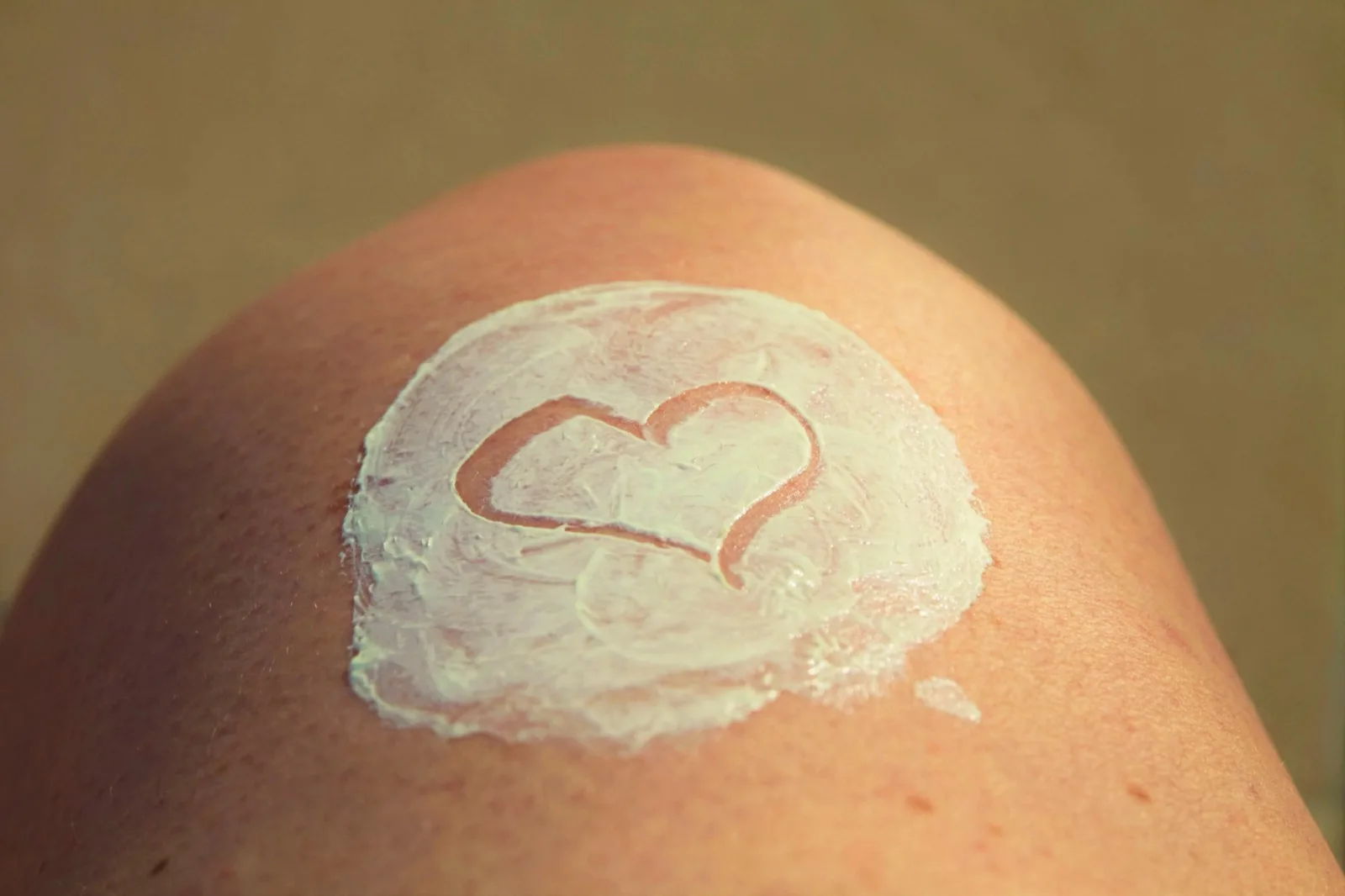
The AAD recommends a sunscreen with broad-spectrum protection (UVA and UVB), SPF 30 or higher, and water resistance. It says to apply it every day on skin not covered by clothing if you will be outside, and to reapply approximately every two hours when outdoors, or after swimming or sweating (page last updated February 11, 2025).[3]
Sunscreens sold in Japan can show SPF (sun protection factor) and PA (the Japanese UVA protection grade) marks. A 2013 review describes both as industry standards set by the Japan Cosmetic Industry Association (JCIA), not national standards, and says PA++++ labeling was introduced in 2013 as the highest level of UVA protection at that time.[4] We did not verify the current grades, so check the manufacturer's current page.
A morning and evening example built from these sources
Bottom line: This is our own editorial example, built from the brand's order of steps and the AAD's washing schedule, not a recommendation from either source.
It combines the AAD's washing schedule with the brand's order of steps.[1][2][3]
Morning:
- Cleanse.
- Soften with a watery product, if you use one.
- Moisturize based on your skin's needs (a lightweight emulsion for combination/oily skin, or a barrier cream for dry skin).
- Apply sunscreen on skin not covered by clothing, if you will be outside.
Evening:
- Remove makeup, if you wear it, and cleanse.
- Soften with a watery product, if you use one.
- Add a serum, if you use one.
- Moisturize based on your skin's needs (a lightweight emulsion for combination/oily skin, or a barrier cream for dry skin).
Signs to stop and when to see a doctor
Bottom line: Stop using a product if it bothers your skin, and ask a doctor or dermatologist if the problem continues.
Do a patch test before introducing a new product. If you notice persistent redness, burning, itching, swelling, or blistering, stop using it. A longer routine means more products that could cause a reaction, so add them one at a time. Reactions vary from person to person. If a reaction does not settle, or if you have a skin condition or specific concerns, see a doctor or dermatologist. This guide cannot diagnose or manage a skin condition.
FAQ
Q1. In what order should I apply Japanese skincare products?
A. Shiseido describes the order as cleanse, soften, serums, then moisturize, layering from the lightest texture to the heaviest, with sunscreen as the last step.[1] The two AAD pages we reviewed give a shorter outline: wash, moisturize if dry or itchy, and use sunscreen daily on skin not covered by clothing if you will be outside.[2][3] The AAD pages do not set a required order, and the brand presents its order as its own routine. (Details)
Shiseido describes the order as cleanse, soften, serums, then moisturize, layering from the lightest texture to the heaviest, with sunscreen as the last step.**[1] The two AAD pages we reviewed give a shorter outline: wash, moisturize if dry or itchy, and use sunscreen daily on skin not covered by clothing if you will be outside.[2][3] The AAD pages do not set a required order, and the brand presents its order as its own routine. If you are comparing this multi-step outline to Korean skincare methods, see our guide on [J-Beauty vs. K-Beauty Differences](/en/how-japan-works/j-beauty-vs-k-beauty-differences).
Q2. What does "lotion" mean in Japanese skincare?
A. Shiseido describes a watery softening step before serums and creams, and Japanese products for this kind of step may be labeled keshosui (a Japanese hydrating lotion, meaning a watery step often used like a toner or essence water).[1] The brand describes this step as preparing the skin for the products that follow. (Details)
Shiseido describes a watery softening step before serums and creams, and Japanese products for this kind of step may be labeled keshosui (a Japanese hydrating lotion, meaning a watery step often used like a toner or essence water).**[1] The brand describes this step as preparing the skin for the products that follow. Because "lotion" can mean a creamy product in English, read the product description.
Q3. Do I need to cleanse twice?
A. Neither Shiseido's page nor the AAD face-washing page says you must wash twice in a row. (Details)
Neither Shiseido's page nor the AAD face-washing page says you must wash twice in a row. The AAD says to wash once in the morning and once at night, and after sweating heavily.**[2] The brand describes dissolving makeup residue first, if you wear makeup, and then cleansing.[1] If your skin feels irritated, simplify, and see a doctor or dermatologist if it continues.
Q4. Do I need sunscreen every day?
A. The AAD says to apply sunscreen every day on skin not covered by clothing if you will be outside.[3] It recommends broad-spectrum protection, SPF 30 or higher, and water resistance, and reapplying approximately every two hours when outdoors. (Details)
The AAD says to apply sunscreen every day on skin not covered by clothing if you will be outside.**[3] It recommends broad-spectrum protection, SPF 30 or higher, and water resistance, and reapplying approximately every two hours when outdoors.
Q5. What do SPF and PA mean on Japanese sunscreen?
A. SPF (sun protection factor) and PA (the Japanese UVA protection grade) are the two sun-protection marks a 2013 review describes on sunscreens in Japan, both as industry standards set by JCIA rather than national standards.[4] That review describes PA++++ as the highest level of UVA protection at that time. (Details)
SPF (sun protection factor) and PA (the Japanese UVA protection grade) are the two sun-protection marks a 2013 review describes on sunscreens in Japan, both as industry standards set by JCIA rather than national standards.**[4] That review describes PA++++ as the highest level of UVA protection at that time. We did not verify the current grades, so check the manufacturer's current page.
Summary
Shiseido's routine and the two AAD pages both include cleansing, moisturizer (the AAD says if skin is dry or itchy), and sunscreen (the AAD says if you will be outside); the brand calls its six steps essential, and the AAD pages do not set a number of steps.
- The steps: one brand describes six; the AAD describes a shorter outline.
- The extras: the softening step and serums are part of the brand's six steps; the two AAD pages we reviewed do not cover them.
- The label: check the product type (for example keshosui, a watery step, or nyuueki, an emulsion or milk lotion) and the SPF and PA marks.
- The limits: the brand page is a company's description, the AAD pages are general US guidance rather than a Japanese routine, and the sunscreen-label review dates from 2013.
Results vary from person to person.
References
- Shiseido Co., Ltd., "What is J-Beauty? Japanese skincare routine & products", https://www.shiseido.com/us/en/skincare-blog/J-Beauty.html, accessed 2026-11-09. (Manufacturer's page; used only to show how one brand describes a routine.)
- American Academy of Dermatology Association, "Face washing 101", https://www.aad.org/public/everyday-care/skin-care-basics/care/face-washing-101, accessed 2026-11-09.
- American Academy of Dermatology Association, "Sunscreen FAQs", https://www.aad.org/public/everyday-care/sun-protection/shade-clothing-sunscreen/sunscreen-faqs, accessed 2026-11-09. (Page last updated 2/11/25.)
- Makoto Mizuno, "Current Conditions of Sun Protection Test Methods for Sunscreen Products", Journal of Society of Cosmetic Chemists of Japan, 47(4), 271–277, 2013, https://www.jstage.jst.go.jp/article/sccj/47/4/47_271/_article/-char/en, accessed 2026-11-09.
Disclaimer: This article is for general information and education about Japanese cosmetics and their labels. It is not a substitute for professional medical advice, diagnosis, or treatment. Skincare results vary from person to person. Product formulas, availability, prices, and regulations change, and products sold in Japan can differ from versions sold elsewhere, so always check the current label. Do a patch test before introducing a new product, and consult a doctor or dermatologist if you have a skin condition or specific concerns.