title: Japanese Skincare in Cold Dry Climates: Winter Routine description: "Adjust your Japanese skincare routine for cold dry climates. Learn multi-layer lotion drenching, ceramide barrier care, and rich winter moisture sealing." meta_description: Adjust your Japanese skincare routine for cold dry climates. Learn multi-layer lotion drenching, ceramide barrier care, and rich winter moisture sealing. published_at: "2026-11-17" updated_at: "2026-11-17" fact_checked_at: "2026-11-17" author: "Miho Tanaka" category: "routines" slug: "japanese-skincare-in-cold-dry-climates-abroad" thumbnail: "/images/stock/woman-cold-windy-street-dryness.webp" thumbnail_alt: "Woman navigating cold windy street weather protecting facial skin from winter dryness" affiliate: false ja_equivalent: null publish: true
Japanese Skincare in Cold Dry Climates: Winter Routine
Moving from Japan's humid maritime atmosphere to freezing, arid regions (such as North America, Northern Europe, or continental high-altitude areas) frequently triggers sudden skin distress. Bitter sub-zero winds outdoors combined with forced indoor heating strip ambient moisture down to desert-like levels below 20%.
Under these harsh conditions, lightweight summer gels and solitary watery lotions evaporate within minutes, leaving the complexion flaky, tight, and prone to windburn. Adapting your Japanese skincare routine requires reinforcing the barrier through multi-tier humectant saturation and sealing with physiological lipids.
To adjust Japanese skincare for cold and dry climates, transition from lightweight watery emulsions to deep lipid-reinforcing barrier creams. Saturate the skin with multiple layers of viscous watery lotion (*kesho-sui*) or 3-minute cotton lotion packs, then immediately seal with a moisturizer containing skin-identical ceramides and squalane. Replace high-foaming facial cleansers with nourishing milk or balm cleansers, avoid steaming-hot wash water, and apply moisturizing cream sunscreens that defend against winter UV reflection off snow.

Freezing outdoor winds and dry indoor heating rapidly exhaust epidermal water reserves, requiring defensive barrier care.
The Cold Climate Mechanism: Elevated Moisture Evaporation
In freezing environments, the skin experiences accelerated transepidermal water loss—the loss of water that passes from inside a body[1] through the epidermis to the atmosphere.
This rapid dehydration physically stresses the stratum corneum, the outermost shield composed of flattened, terminally differentiated keratinocytes[2]. Without adequate moisture, several protective functions falter:
- Enzyme deactivation: Desquamation enzymes responsible for natural shedding require water to function. In dry air, dead skin cells cling together, creating a rough, scaly surface.
- Lipid matrix cracking: Sub-zero temperatures harden natural sebum, while low humidity depletes ceramides—waxy lipid molecules[3] that bind the extracellular matrix.
- Heightened reactivity: Micro-fissures in the stratum corneum permit airborne pollens, heating dust, and cold wind to enter, provoking stinging and sudden redness.
Step 1: Deep Watery Drenching (Row-shon Pakku)
The classic Japanese rule is that oils cannot nourish dry skin if water is absent underneath. Applying rich creams to dehydrated keratinocytes leaves skin greasy on the surface yet uncomfortably parched within (inner dry).
To saturate dehydrated layers:
- Layering (Kasanezuke): Pour a coin-sized puddle of alcohol-free, viscous lotion into warm palms. Press it into the skin, wait 20 seconds, and repeat two to three times until the face feels cool and softly bouncy (mochi-hada).
- Lotion Packing: Soak multi-layered peelable cotton pads in a soothing hydrating lotion (featuring hyaluronic acid, glycerin, or fermented rice filtrate). Separate the wet pad into thin sheets and drape them over the cheeks and forehead for 3 minutes as a rapid moisture compress.

Layering watery lotions saturates outer keratinocytes, preparing microscopic pathways for lipid-rich creams to lock in moisture.
Step 2: The Lipid Seal—Ceramide Milks & Barrier Creams
Once water is delivered, it must be locked into place immediately. A moisturizer is a cosmetic preparation used for protecting, moisturizing, and lubricating the skin[4], and cold climates demand formulas with high emollient and occlusive properties:
- Human-Type Ceramides (Ceramides NP, AP, EOP): Look for quasi-drug or barrier-focused Japanese creams (such as Curel or Minon) that utilize bio-compatible ceramides to replenish micro-gaps between skin cells.
- Botanical Squalane & Camellia Oil: Squalane mimics natural skin sebum without clogging pores. Pressing two drops of camellia (tsubaki) oil over high cheekbones provides an insulating windbreak against freezing gusts.
- Rich Cream (Kuriimu) Over Emulsion (Nyueki): While fluid milky lotions suffice in summer, cold winter air demands dense creams containing microcrystalline wax, hydrogenated lecithin, or shea butter to halt evaporation.
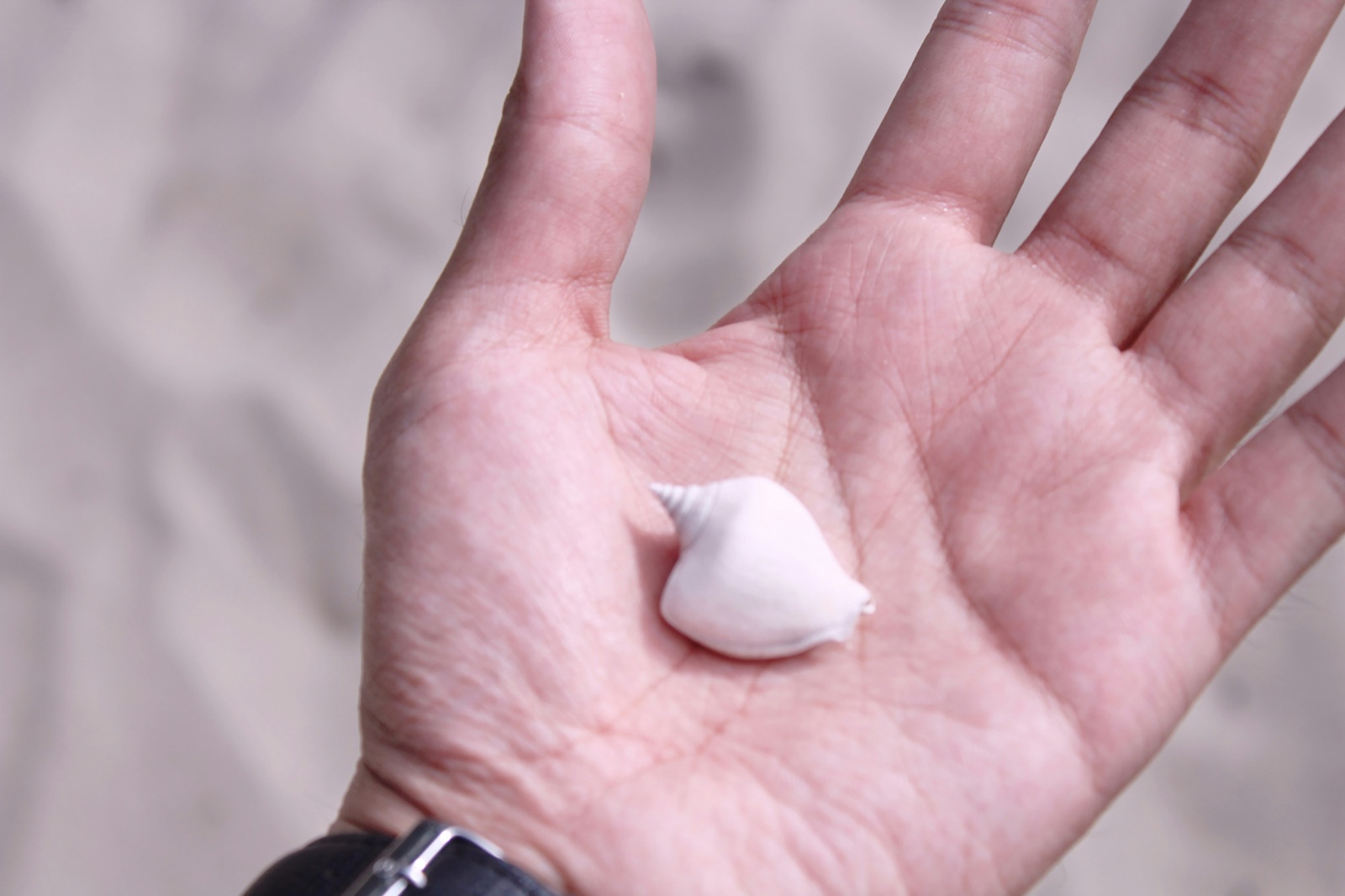
Rich ceramide barrier creams create a supple lipid shield that prevents indoor heaters from siphoning facial moisture.
Step 3: Cleansing Adjustments to Preserve Native Oils
Many people exacerbate winter dryness at the bathroom sink before even applying moisturizer. Cold-weather cleansing requires gentle adaptations:
1. Ditch the Squeaky-Clean Foam
Strong alkaline foaming washes strip away precious intercellular lipids. In freezing weather, switch to:
- Cleansing milks (Kurenjingu Miruku): Gentle, low-surfactant emulsions that lift impurities while leaving a soft conditioning veil.
- Rich cleansing balms: Solid oil-rich balms that melt into a lubricating oil upon facial contact, dissolving makeup without abrasive rubbing.
2. Lower the Water Temperature
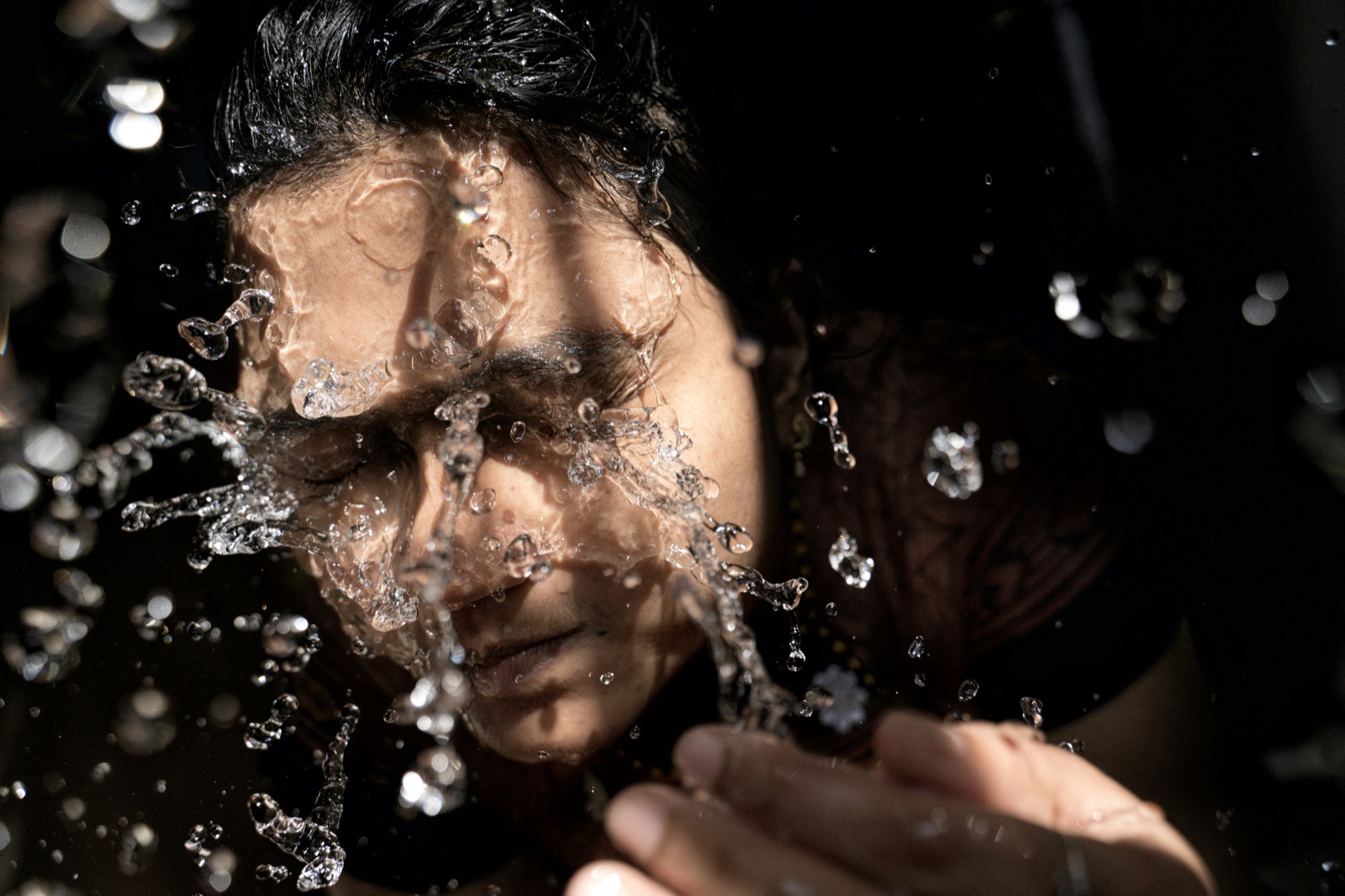
Steaming-hot water dissolves protective barrier lipids instantly. Always wash and rinse with lukewarm water (around 32°C to 34°C / 90°F)—water that feels slightly cool to neutral against the face.
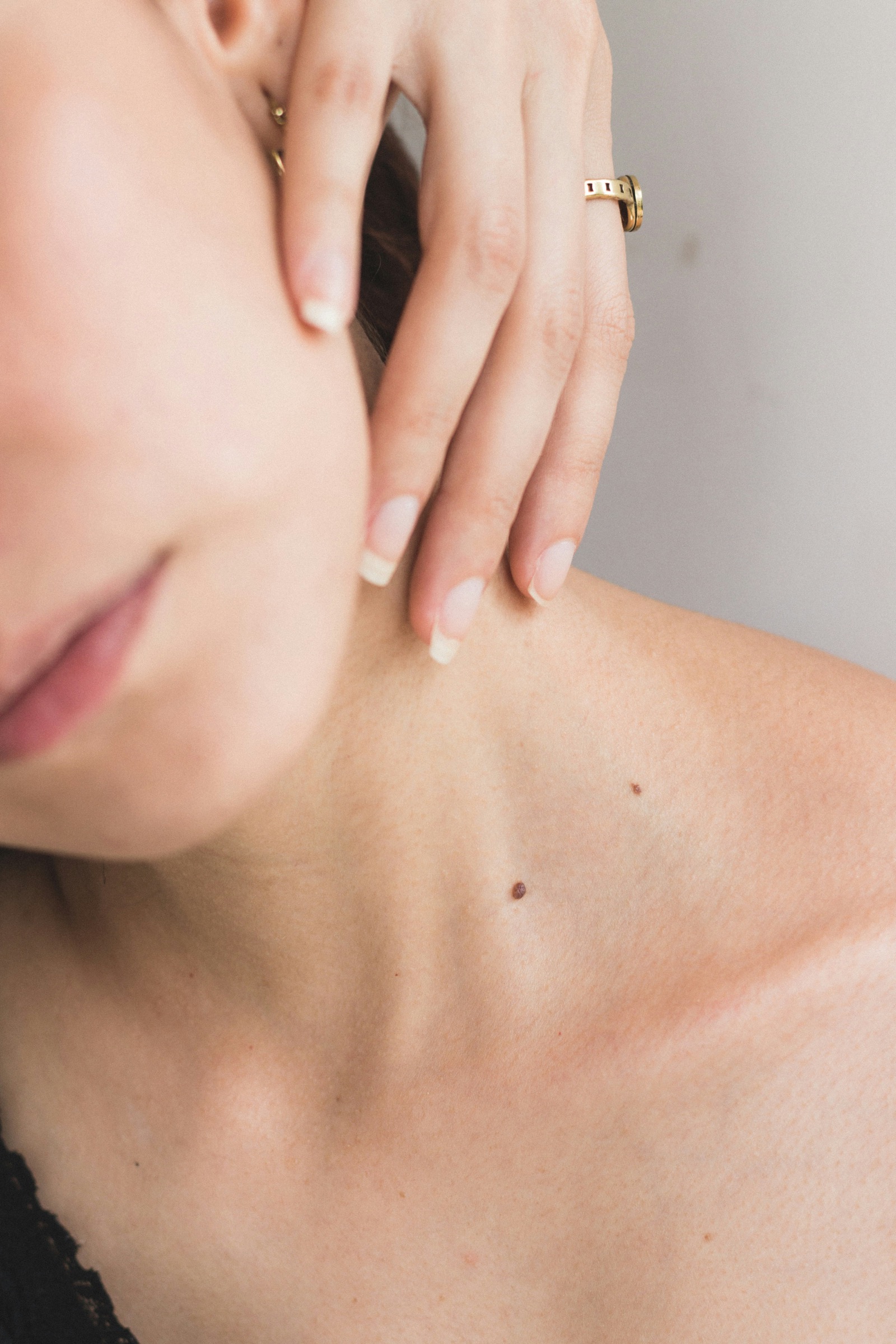
Pressing rich creams into the face with warm palms boosts absorption without mechanical friction.
Comparison Table: Standard Care vs Cold Climate Adaptation
Scroll horizontally to view full table
| Routine Step | Standard Mild Weather Care | Cold Dry Climate Adaptation |
|---|---|---|
| Morning Cleanser | Foaming face wash or gel wash | Lukewarm water splash or non-foaming cleansing milk |
| Hydrating Lotion | 1 light layer of watery toner | 2-3 pressed layers or 3-minute cotton lotion pack |
| Serum Target | Oil-balancing or lightweight brightening serum | Ceramide-rich barrier serum or fermented essence |
| Moisture Seal | Lightweight emulsion (*nyueki*) or gel cream | Dense ceramide cream + 2 drops of facial squalane oil |
| Sunscreen Texture | Refreshing watery gel or sweat-proof milk | Moisturizing essence sunscreen with hyaluronic acid |