title: Japanese Skincare in Humid Climates: Routine Adjustments description: "Adjust your Japanese skincare routine for humid climates. Learn featherlight hydration, non-sticky sebum balancing, and sweat-resistant UV protection." meta_description: Adjust your Japanese skincare routine for humid climates. Learn featherlight hydration, non-sticky sebum balancing, and sweat-resistant UV protection. published_at: "2026-11-17" updated_at: "2026-11-17" fact_checked_at: "2026-11-17" author: "Miho Tanaka" category: "routines" slug: "japanese-skincare-in-humid-climates" thumbnail: "/images/stock/clean-refreshed-skin-humidity-prep.jpg" thumbnail_alt: "Refreshed bare facial skin showing clean lightweight balance suitable for humid climates" affiliate: false ja_equivalent: null publish: true
Japanese Skincare in Humid Climates: Routine Adjustments
High environmental humidity presents a unique skincare paradox. When ambient air feels heavy and warm, sweat mingles with facial sebum, creating a greasy film across the forehead and nose. In response, many people skip moisturizer altogether, only to find their skin feeling simultaneously tight, dull, and congested.
Japan’s sub-tropical summers and rainy seasons (tsuyu) have forced Japanese laboratories to master skincare formulated specifically for oppressive mugginess. By embracing the philosophy of "subtraction care" (hikizan biyoh), you can maintain a resilient moisture barrier without suffering heavy residue or midday shine.
To adapt Japanese skincare for high humidity, shift from heavy occlusives to featherweight water-based layering. Instead of rich creams, use alcohol-free watery lotions (*kesho-sui*) rich in hyaluronic acid or Job's tears (*hatomugi*), followed by a breathable oil-free gel emulsion. Cleanse excess sebum and perspiration with dense micro-foam rather than harsh degreasing scrubs, and apply friction-resistant, sweat-proof milk sunscreens that dry down to an invisible matte-satin finish.
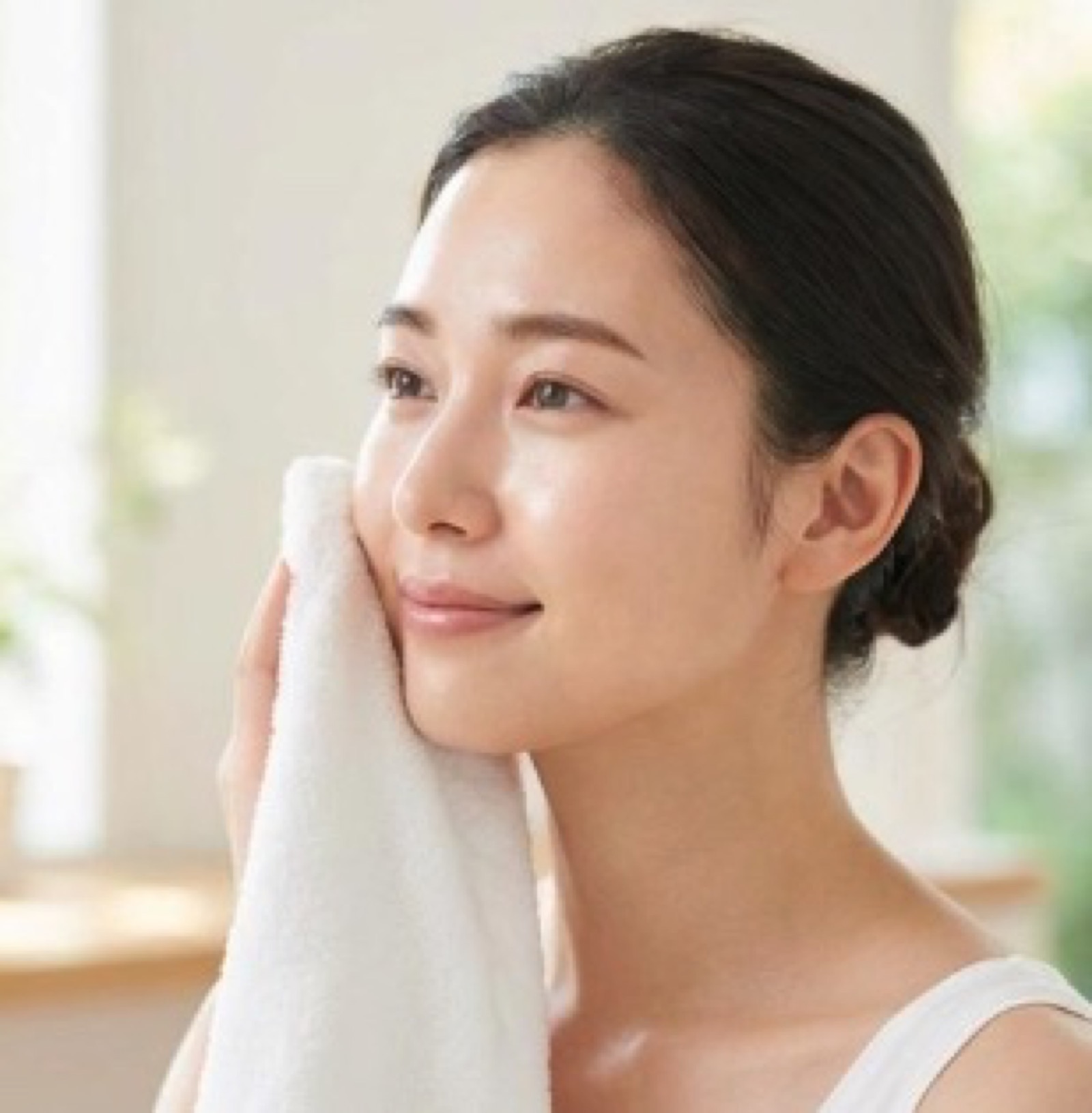
Adapting skincare to high humidity ensures the skin maintains optimal hydration without midday cosmetic slip.
The Humidity Paradox: Understanding "Inner Dryness" (Innaa Dorai)
Humidity describes the concentration of water vapour[1] present in the air. While high humidity prevents rapid surface evaporation, it simultaneously triggers intense perspiration—the fluid secreted by sweat glands[2] to regulate body temperature.
When sweat mixes with sebum produced by a sebaceous gland—a microscopic exocrine gland[3] attached to hair follicles—several skin complications arise:
- Air-conditioned barrier stress: Stepping from 85% outdoor humidity into heavily air-conditioned offices drops ambient moisture instantly. This abrupt shift shocks the skin, accelerating trans-epidermal water loss.
- Pore congestion from oxidized sebum: Squalene in facial sebum oxidizes rapidly under UV exposure and high heat, forming thick plugs that trap debris inside follicles.
- The trap of skipping moisturizer: If you omit hydration because your face feels sticky, the skin interprets surface dehydration as a signal to pump out even more sebum, worsening the cycle of inner dry.
Step-by-Step Routine Adjustments for Humid Weather
Rather than abandoning your multi-step regimen, the Japanese method refines formulation weights while preserving essential physiological functions:
1. Morning Cleansing: Refresh Without Stripping
- During humid nights, sweat and natural lipids accumulate on the pillow. Wash with a mild amino-acid foaming cleanser to dissolve nighttime sebum without disrupting natural ceramides.
- Avoid hot water, which dilates capillaries and spurs excess oil production; use cool or lukewarm water.
2. Hydration: The Multi-Layer Watery Splash
- Replace viscous essence toners with light, refreshing watery lotions (kesho-sui). Formulations with Job's tears (Coix seed) or dokudami (Houttuynia cordata) provide soothing hydration with zero lingering stickiness.
- Pat two thin layers over the face rather than one heavy application, allowing humectants to saturate the surface evenly.
3. Sealing: Transition to Gel Emulsions
- Set aside heavy shea butter or mineral oil creams. Instead, reach for oil-free watery gel creams or lightweight milk emulsions (nyueki).
- These breathable formulas use light silicone cross-polymers or botanical squalane to seal water molecules without forming a suffocating, occlusive film.
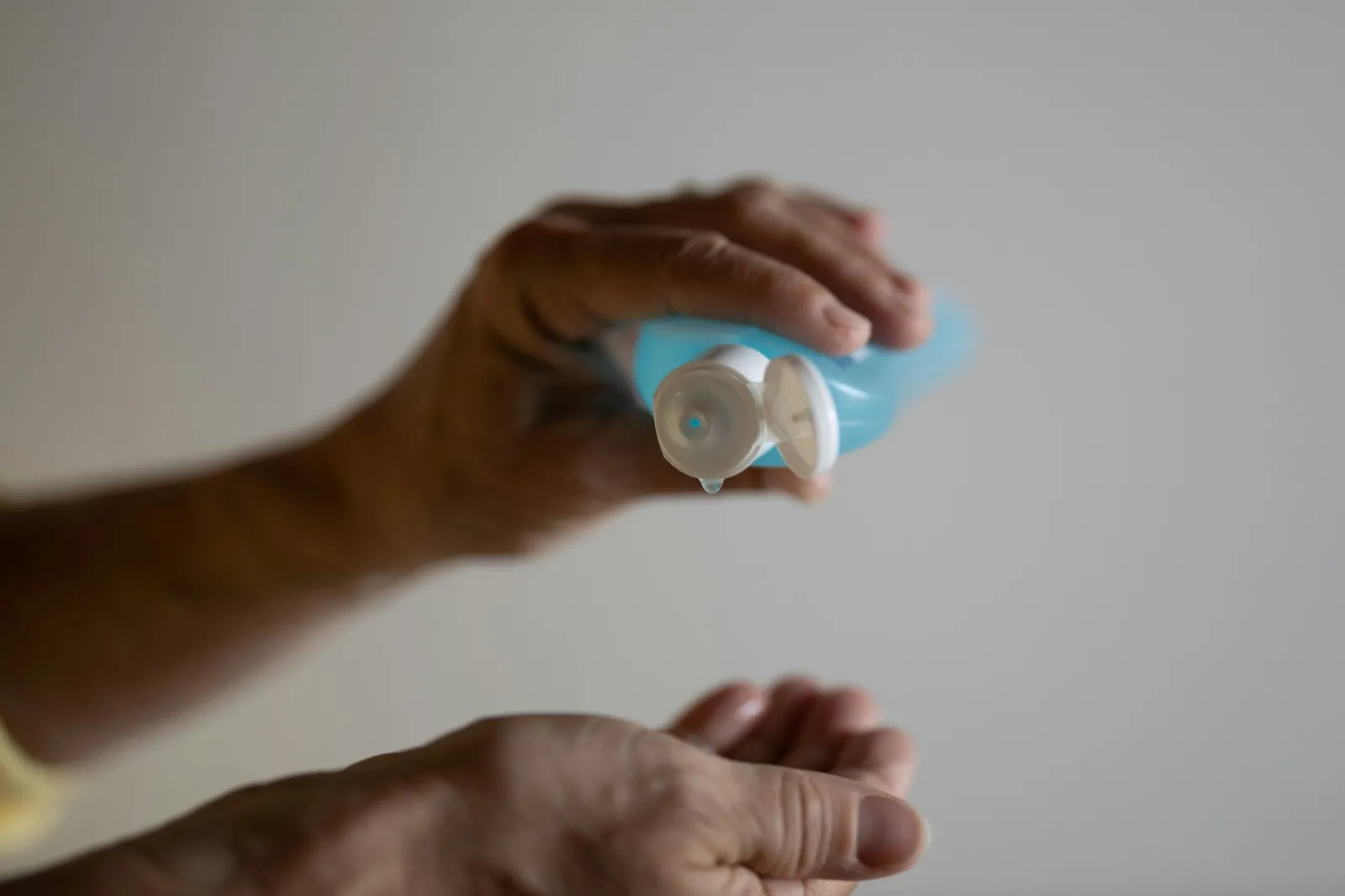
Lightweight gel emulsions deliver breathable barrier hydration that absorbs cleanly in muggy environments.
Sweat-Proof UV Defense: Choosing the Right Japanese Sunscreen
Daily photoprotection remains essential regardless of cloud cover. A sunscreen is a photoprotective topical product[4] that protects skin against solar UV rays, but humid climates require specific technological features:
- Milk Formulations over Heavy Creams: Japanese sunscreen milks (often packaged in shake-well bottles with a metal mixing ball) form an ultra-thin, velvety protective film that resists sweat and humidity.
- Friction-Proof Technology (Tough Boost): Look for sunscreens labeled with abrasion resistance. These advanced polymers stay bound to the skin even when you wipe perspiration with a tissue.
- Non-Sticky Touch-Up Powders: For midday reapplication over makeup or shine, translucent mineral UV pressed powders absorb excess grease while reinforcing broad-spectrum defense.

Friction-resistant Japanese sunscreen milks create a durable water-shedding mesh that withstands intense perspiration.
Japanese Subtraction Skincare: What to Cut in Humid Weather
In Japan, summer beauty care is governed by hikizan biyoh (subtraction care)—the discipline of knowing which items to pause when the climate provides ambient moisture:
- Pause heavy facial oils: Plant oils (like pure argan or rosehip oil) sit on top of sweaty skin, preventing heat from escaping and causing prickly heat sensations.
- Skip rich sheet masks: Soaking skin in rich, viscous essence sheets during peak humidity can over-hydrate the stratum corneum, weakening intercellular cohesion.
- Avoid thick cleansing balms: If heavy cleansing balms leave an oily slip, switch to lightweight cleansing oils that rinse away 100% cleanly with water.
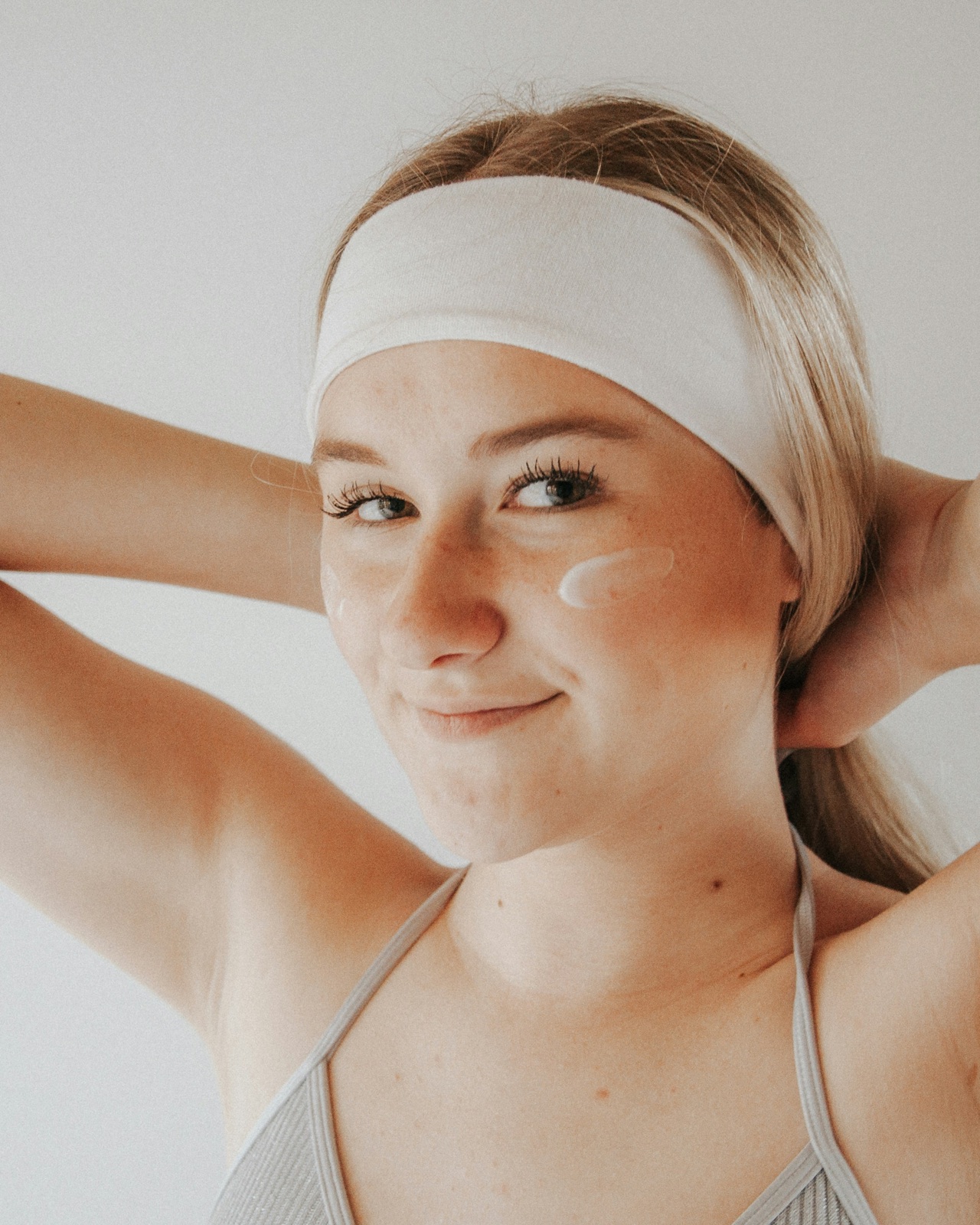
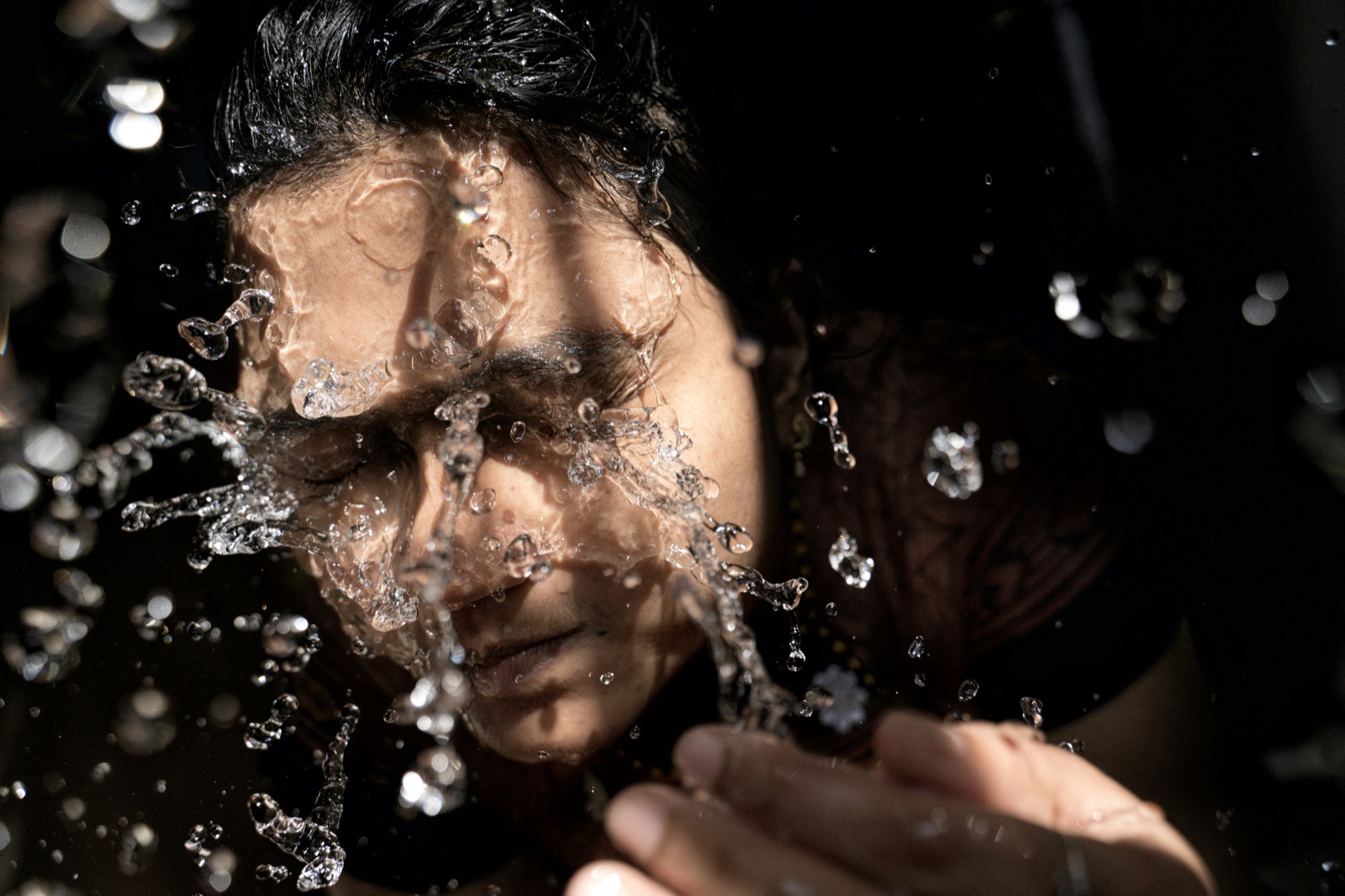
Rinsing thoroughly with refreshing lukewarm water clears away salt residues and sweat without stripping native skin lipids.
Comparison Table: Dry Season vs Humid Climate Routine
Scroll horizontally to view full table
| Routine Step | Standard / Dry Season Approach | Humid Climate Adaptation |
|---|---|---|
| Morning Cleanser | Lukewarm water splash or cream cleanser | Self-foaming amino-acid wash targeting T-zone |
| Lotion (*Kesho-sui*) | Rich, viscous moisturizing lotion | Refreshing watery mist or Hatomugi toner |
| Serum / Essence | Nourishing ceramide or lipid essence | Water-soluble vitamin C or clarifying licorice serum |
| Moisturizer | Dense ceramide cream or facial oil | Breathable oil-free gel or featherweight emulsion |
| Sunscreen Type | Moisturizing cream or essence sunscreen | Sweat-resistant, shake-well milk with matte-satin finish |