title: Japanese Skincare for Teens: Gentle Routine & Oil Balance description: "Build a gentle Japanese skincare routine for teens. Learn low-friction foam cleansing, oil-balancing watery lotions, and lightweight daily UV protection." meta_description: Build a gentle Japanese skincare routine for teens. Learn low-friction foam cleansing, oil-balancing watery lotions, and lightweight daily UV protection. published_at: "2026-11-17" updated_at: "2026-11-17" fact_checked_at: "2026-11-17" author: "Miho Tanaka" category: "routines" slug: "japanese-skincare-for-teens" thumbnail: "/images/stock/woman-washing-face-with-foam.webp" thumbnail_alt: "Young woman gently cleansing her face with rich dense micro-foam lather" affiliate: false ja_equivalent: null publish: true
Japanese Skincare for Teens: Gentle Routine & Oil Balance
Teenage years bring rapid hormonal shifts that transform the skin. Surging androgens activate facial oil glands, leading to an oily T-zone, shiny foreheads, and sudden cosmetic congestion. For many adolescents, the instinctive reaction is aggressive counter-measures: gritty physical scrubs, alcohol-heavy astringents, and drying benzoyl peroxide washes that strip the skin raw.
In Japan, dermatologists and cosmetic chemists take the opposite approach. Rather than declaring war on teenage sebum, Japanese skincare emphasizes frictionless cleansing, water-first replenishment, and barrier preservation. By supporting the skin's natural balance instead of stripping it dry, J-Beauty establishes healthy habits that prevent long-term irritation.
Japanese skincare is ideal for teenagers because it avoids harsh, stripping alcohol toners and aggressive scrubs in favor of gentle, low-friction habits. During puberty, adolescent skin overproduces sebum while remaining structurally fragile. The Japanese method uses dense micro-foam cleansers to lift excess sebum without physical friction, hydrates deeply with watery lotions (*kesho-sui*) infused with soothing dipotassium glycyrrhizate or Job's tears (*hatomugi*), locks in moisture with featherweight oil-free gel emulsions, and shields against UV damage with watery-gel sunscreens.
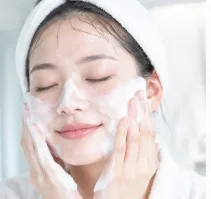
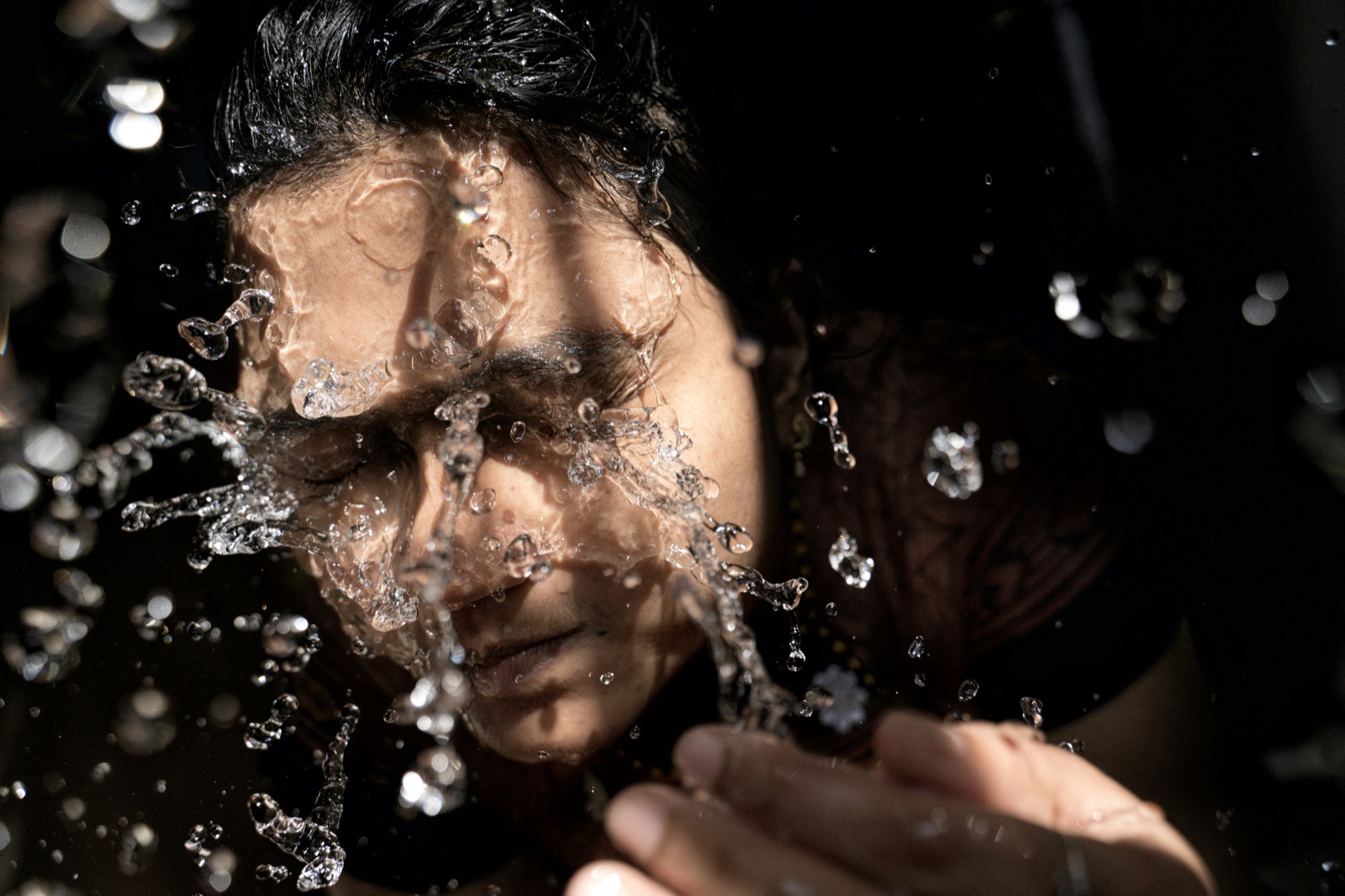
Using dense micro-foam as a soft cushion prevents mechanical hands-to-face friction during adolescent facial cleansing.
The Adolescent Skin Shift: Why Harsh Stripping Backfires
Puberty is the biological process of physical changes[1] through which a child's body matures into an adult. During this transition, circulating androgens stimulate each sebaceous gland—a microscopic exocrine gland[2] in the dermis—to elevate sebum production.
When oily shine appears across the nose and forehead, teenagers often turn to harsh Western-style astringent toners containing high percentages of denatured alcohol or abrasive walnut scrubs. While these products deliver an immediate "squeaky clean" sensation, they inflict hidden damage:
- Barrier breakdown: Vigorous rubbing and strong degreasing surfactants dismantle the stratum corneum—the protective outer layer composed of flattened, terminally differentiated keratinocytes[3].
- Rebound oiliness (inner dry): When surface moisture evaporates rapidly through an injured barrier, the skin compensates by producing even more sebum, creating a vicious cycle of dehydrated yet greasy skin.
- Heightened sensitivity: Stripped adolescent skin becomes easily inflamed, prone to redness, and vulnerable to environmental irritants.
Japanese skincare breaks this cycle by respecting the physiological purpose of sebum: conditioning and safeguarding developing skin.
The J-Beauty Philosophy for Teens: Minimalist & Frictionless
The Japanese approach to adolescent skincare revolves around three core tenets:
1. Frictionless Washing (Masa-tsu Zero)
Japanese mothers and dermatologists teach teenagers that hands should never directly scrub facial skin. Instead, cleansers are whipped with water (or foamed using an inexpensive mesh net) into a stiff, dense meringue cushion. The foam does the mechanical lifting, drawing out excess oil while sparing fragile pore walls from mechanical pressure.
2. Moisture Over Oil (Suibun-Hokyu)
Teenage skin typically has an abundance of oil but lacks adequate water hydration. Japanese routines rely on watery lotions (kesho-sui) that flood the outer skin layers with lightweight humectants (like glycerin and hyaluronic acid) rather than suffocating pores with heavy plant oils or waxy balms.
3. Early Sun Protection Habit
UV radiation oxidizes squalene in facial sebum, turning ordinary oil into comedogenic lipid peroxides that darken post-blemish marks. Establishing daily sunscreen habits during secondary school prevents cumulative photo-aging and discoloration decades later.
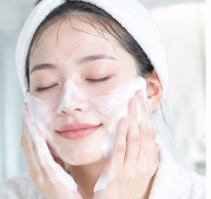
Whipping cleanser into a thick micro-bubble lather cushions fingers, keeping delicate teenage skin calm and irritation-free.
The Core 3-Step Daily Routine for Teenagers
Building a sustainable skincare routine during middle school or high school requires simplicity. A complicated 10-step routine is unnecessary and frequently causes product build-up. A functional Japanese teen routine requires only three foundational steps:
Step 1: Gentle Amino-Acid Foam Wash (Morning & Evening)
- Morning: Splash face with lukewarm water, or use a small pump of gentle self-foaming wash if waking up exceptionally oily.
- Night: Lather a pea-sized amount of an amino-acid-based foaming cleanser into a rich cloud. Gently press the foam over the T-zone for 30 to 45 seconds, rinse thoroughly with lukewarm water (never hot), and pat dry with a clean towel.
Step 2: Soothing Watery Lotion (Kesho-sui)
Pour a 500-yen coin-sized puddle of alcohol-free watery lotion into clean palms and gently press it into the face until absorbed.
- Look for gentle, botanical soothing agents like Job's tears extract (Hatomugi), dokudami (Houttuynia cordata), or dipotassium glycyrrhizate (licorice root extract), which calm redness and refine pore texture without peeling.
Step 3: Lightweight Gel-Emulsion or Gel Cream
Lock in the watery hydration with a dime-sized amount of an oil-free or low-lipid gel emulsion. Unlike thick night creams designed for mature skin, Japanese watery gel creams provide a breathable moisture seal that prevents trans-epidermal water loss without clogging pores.
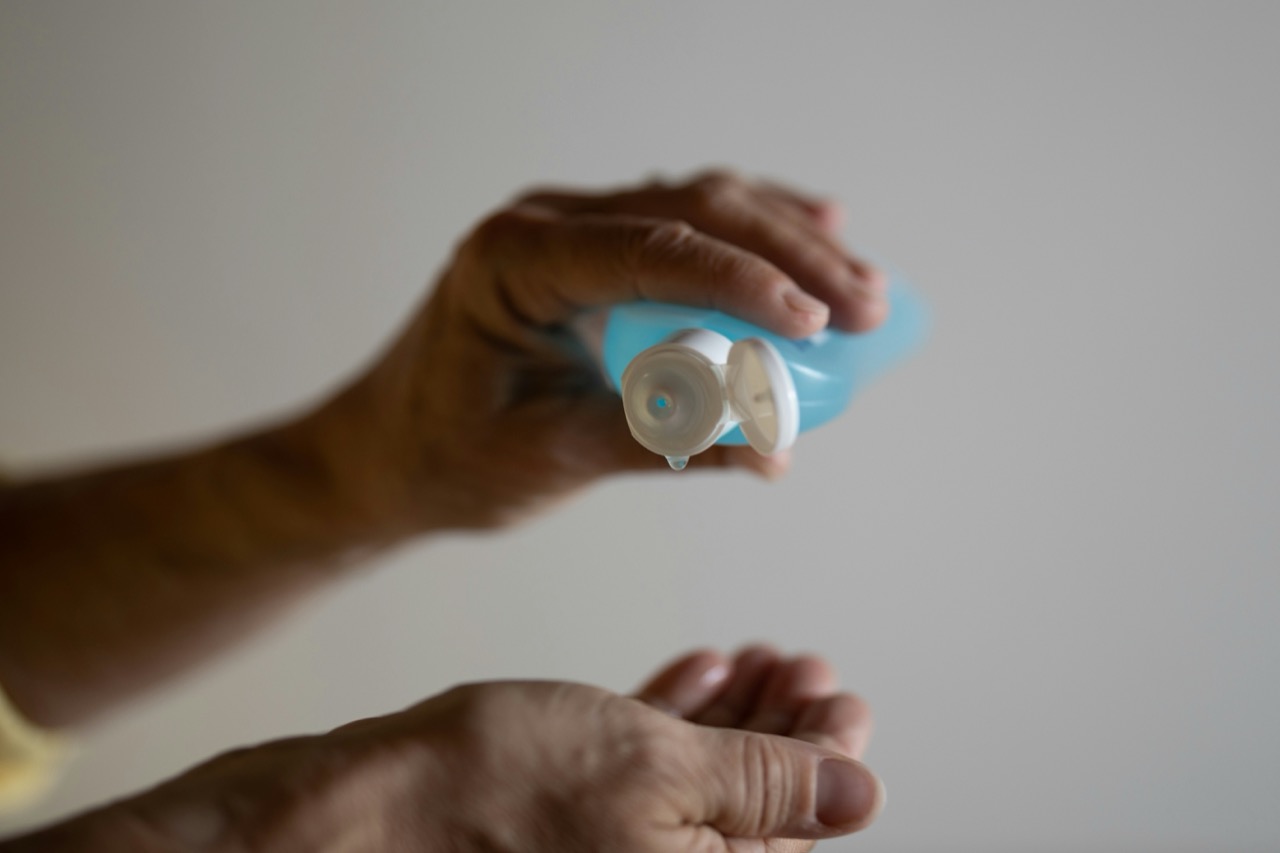
Clear watery lotions deliver essential humectants deep into the stratum corneum without leaving a sticky or heavy residue.
Daytime UV Defense for School and Outdoor Sports
In many Western markets, sunscreens are notoriously thick, chalky, or greasy—causing teenagers to skip sun protection entirely out of fear of breakouts.
In contrast, Japanese sunscreen formulation is world-renowned for its watery-gel technology. A sunscreen is a photoprotective topical product[4] that absorbs or reflects solar UV radiation, and Japanese laboratories formulate daily sunscreens specifically for humid Tokyo summers and active students:
- Watery essence textures: Formulations like Biore UV Aqua Rich Watery Essence or Skin Aqua Super Moisture Gel feel like a splash of refreshing water upon application, vanishing completely into the skin without a white cast.
- Soap-washable convenience: Japanese daily sunscreens are designed to wash away completely with standard facial foam or body wash, removing the need for harsh makeup removers or double cleansing on young skin.
- Sweat and friction resistance: Formulations developed for school sports withstand perspiration during physical education classes while maintaining a breathable, non-sticky finish.
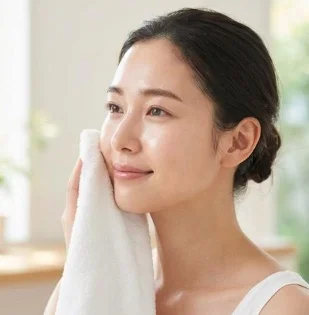
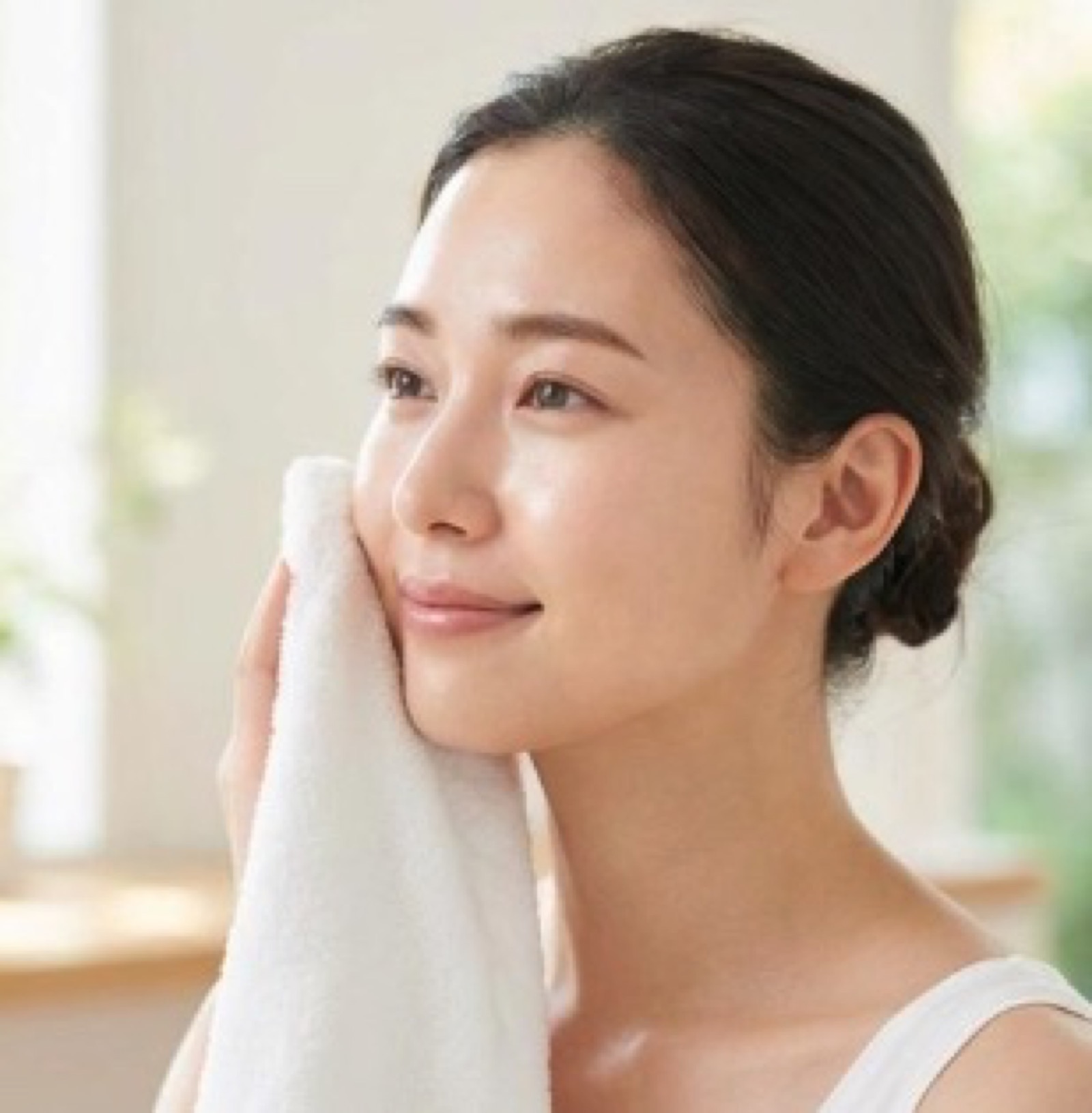
Dabbing the face softly with a clean cotton towel preserves hydration without aggravating sensitive teenage skin.
Ingredients to Prioritize vs Ingredients to Avoid
When shopping in Asian beauty aisles or checking product labels, teenagers and parents should understand which functional ingredients nurture developing skin:
Beneficial Ingredients for Teens
- Dipotassium Glycyrrhizate (Kanzou Ekisu): A gentle licorice derivative widely incorporated in Japanese quasi-drug cosmetics to soothe redness and maintain calm pores.
- Hatomugi (Job's Tears / Coix Seed): A traditional Japanese botanical rich in amino acids that balances oil production and cools surface heat.
- Hyaluronic Acid & Sodium Hyaluronate: Powerful humectants that bind ambient moisture to surface skin cells without adding excess oiliness.
- Ceramides (Human-Type / Fermented): Essential lipid molecules that reinforce a fragile, developing skin barrier against moisture loss.
Strong Actives Teens Should Generally Avoid
- High-strength prescription retinoids or pure retinol: Unless specifically prescribed by a physician for clinical concerns, anti-aging retinoids are unnecessarily potent for adolescent skin and risk severe flaking.
- High-percentage chemical peeling acids (AHA/BHA over 5%): Aggressive Western acid peels can chemically burn fragile adolescent stratum corneum, triggering post-inflammatory pigmentation.
- Heavy comedogenic oils: Dense coconut oil, mineral oil balms, and heavy shea butter creams can trap sebum within adolescent follicles.
Method Comparison: Western Stripping vs Japanese Balancing
Scroll horizontally to view full table
| Aspect | Traditional Western Teen Routine | Japanese Teen Balancing Routine |
|---|---|---|
| Cleansing Philosophy | Abrasive physical scrubs or high-salicylic washes | Dense, self-foaming micro-bubbles with zero manual friction |
| Hydration Delivery | High-alcohol astringent toners that dry out skin surface | Alcohol-free watery lotions (*kesho-sui*) rich in gentle humectants |
| Moisture Seal | Skipped entirely due to fear of grease, or heavy creams | Lightweight, breathable gel-emulsions that prevent water loss |
| Sun Protection | Thick, pore-clogging beach sunscreens often avoided | Weightless watery essence gels that rinse away with normal soap |
| Primary Goal | Eradicating surface oil completely at any cost | Preserving the acid mantle and keeping oil-to-water ratio balanced |