Texture-Obsessed Skincare: Japanese Lotion Textures Explained
HydrationBy Miho Tanaka
title: Texture-Obsessed Skincare: Japanese Lotion Textures Explained
description: From water-light sarasara to bouncy toromi, decode Japanese lotion textures. Learn how viscosity affects skin penetration, layering, and skin type matching.
published_at: "2026-11-15"
updated_at: "2026-11-15"
fact_checked_at: "2026-11-15"
author: "Miho Tanaka"
category: "hydration"
thumbnail: "/images/stock/hero-japanese-skincare-lotion-liquid-wave-texture.jpg"
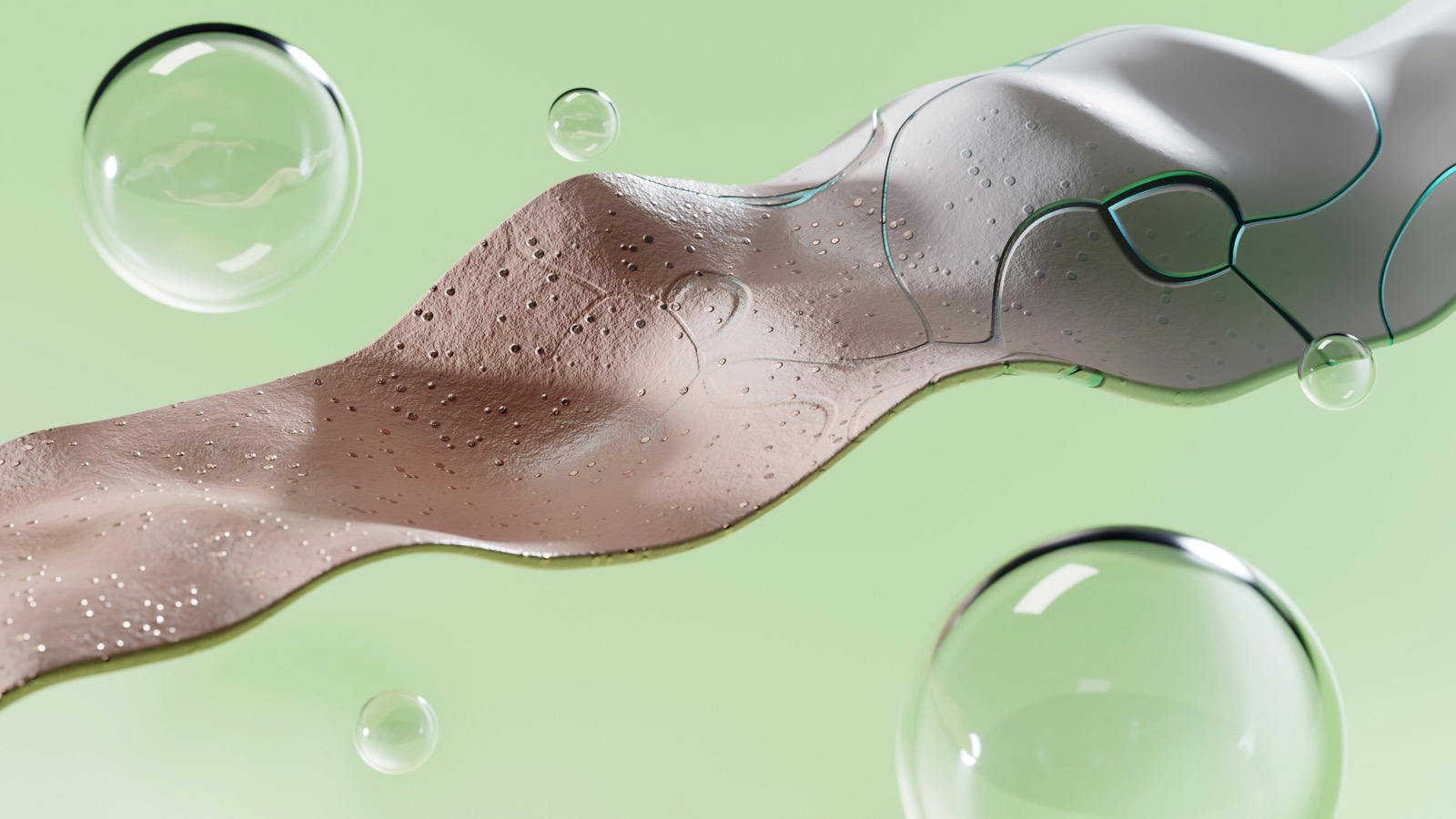
thumbnail_alt: "Abstract elegant liquid waves and suspended droplets illustrating cosmetic lotion viscosity"
Texture-Obsessed Skincare: Japanese Lotion Textures Explained
Quick answer: From water-light sarasara to bouncy toromi, decode Japanese lotion textures. Learn how viscosity affects skin penetration, layering, and skin type matching.
In Japanese beauty culture, texture is not an afterthought—it is considered the emotional and physiological core of the skincare experience (kanjoku or sensory satisfaction). While Western beauty historically categorized toners into astringent witch hazel waters or milky balms, Japanese cosmetic chemists have developed an intricate spectrum of viscosities for a single fundamental step: the hydrating conditioning lotion (keshosui).
Browse any Japanese cosmetic aisle, and you will notice that almost every flagship skincare line offers two, three, or even four distinct texture variations under the same product name. Understanding terms like sarasara (water-light glide), sappari (crisp and refreshing), shittori (cushiony moisture), and toromi (rich bouncy essence) unlocks the full potential of Japanese layering. This guide explores the cosmetic science behind lotion viscosity, debunks common hydration myths, and helps you match the perfect texture to your skin type and climate.
Decoding the Japanese Texture Spectrum
Japanese product labels use precise onomatopoeic and sensory descriptors to indicate exactly how a fluid will feel upon contact with the skin:
Scroll horizontally to view full table
Texture Type
Sensory Characteristic
Key Rheology & Polymers
Best Skin Match
Ideal Climate & Season
Sarasara (Water-Light)
Completely fluid like mineral water; instantaneous glide; zero residual tack.
Micro-solubilized humectants, ultra-low viscosity glycols, zero gums.
The Cosmetic Science of Viscosity: Thickener vs. Hydration
A common misconception among consumers is that a thicker lotion (toromi) is inherently "more hydrating" than a water-thin lotion (sarasara). In cosmetic chemistry, viscosity and moisturizing efficacy are driven by entirely separate mechanisms:
1. Rheology Modifiers vs. Active Humectants
Viscosity is controlled by rheology modifiers—such as xanthan gum, carbomers, or high-molecular-weight sodium hyaluronate. These long polymer chains entangle in aqueous solution, creating a gel-like cushion that feels luxurious and prevents the liquid from running between fingers. However, high-molecular polymers primarily remain on the skin surface, forming a breathable protective film.
2. Molecular Penetration Depth
Conversely, water-light lotions often contain low-molecular-weight humectants—such as micro-hyaluronic acid, glycerin, diglycerin, and fermented yeast amino acids. Research by Japanese beauty powerhouses including Shiseido, Kao Corporation, and KOSÉ Corporation demonstrates that these low-viscosity solutions penetrate intercellular lipid spaces in the stratum corneum rapidly, hydrating deep epidermal layers within seconds.
The Myth of "Sticky Means It's Working"
In Western markets, thick tackiness is often associated with heavy hydration. In Japanese formulation philosophy, undesirable stickiness (betatsuku) is considered a formulation flaw. Formulators engineer "thixotropic" fluids that remain rich and bouncy in the bottle, but instantly shear into an effortless, watery slip upon palm friction, absorbing clean without tacky film.
How to Choose the Right Texture for Your Routine
Selecting the optimal lotion texture depends on your skin type, climate conditions, and personal application method:
1. Oily and Combination Skin: The Power of Sarasara
If your skin is prone to shine or congested follicles, viscous toromi lotions can feel suffocating. A watery sarasara lotion provides high water volume without surface heaviness. It can be applied in two or three thin layers (layering or kasane-zuke) to saturate the skin with pure hydration, helping regulate sebum overproduction.
2. Dry and Mature Skin: The Comfort of Toromi
For chronically parched skin, water-thin fluids can evaporate before they are sealed in. A rich toromi lotion provides an immediate cushion between hands and facial skin (cushion effect), preventing mechanical dragging. The surface polymers smooth rough micro-flakes and seal moisture while waiting for your milk or cream.
If you enjoy making daily 3-minute cotton mask packs, always choose a sarasara or sappari texture. Viscous gels do not soak through multilayer unbleached cotton evenly, whereas watery lotions saturate every fiber completely, releasing continuous hydration evenly into the skin.
The Art of Japanese Application: Palm Pressing vs. Cotton
How you dispense and apply your chosen texture makes a dramatic difference:
For Sarasara (Water-Thin):
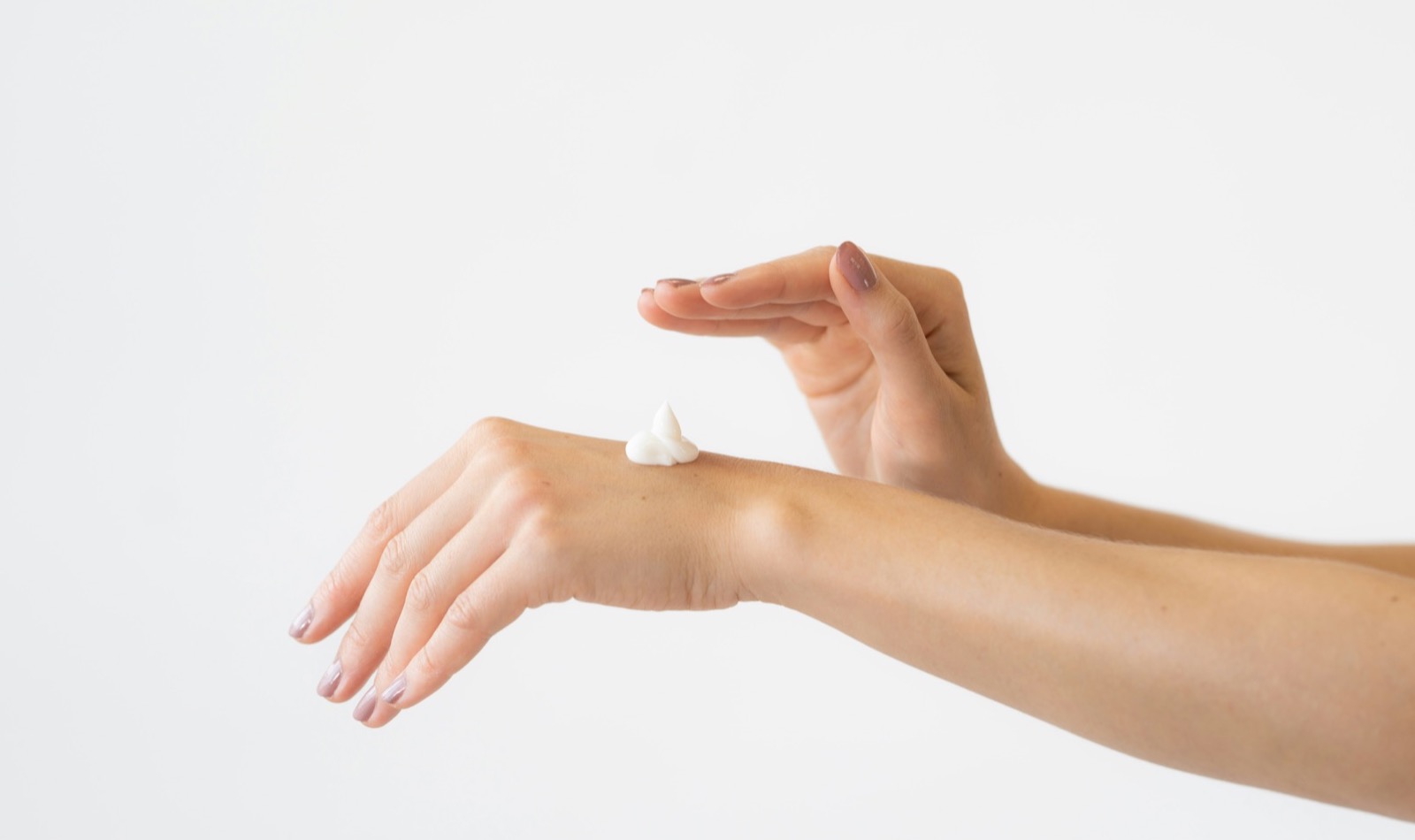
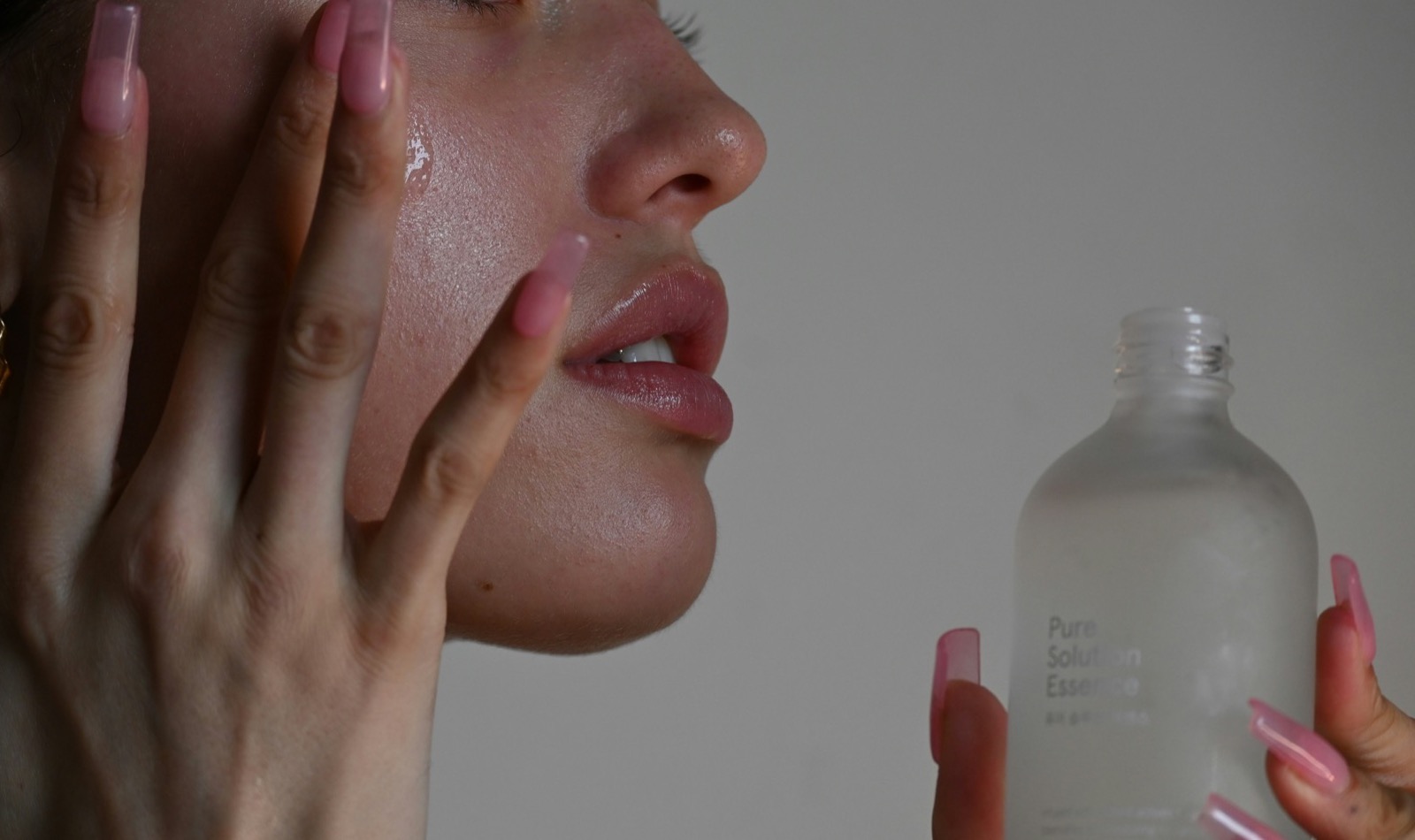
Dispense a coin-sized puddle into cupped palms, bring hands together gently, and press across forehead, cheeks, and chin (osae-komi). Alternatively, soak a soft cotton pad and glide gently without stretching the skin.
For Toromi (Viscous Bounce):
Always use clean bare palms. Dispense 3 to 4 drops, warm slightly between fingertips, and press slowly into the skin. Allow thirty seconds for the cushiony film to settle before layering serums or emulsions.
FAQ
Q1. Is a thick, bouncy lotion better than a watery lotion for dehydrated skin?
A. Not necessarily; both hydrate effectively, but watery lotions often penetrate deeper layers more rapidly. (Details)
Dehydrated skin lacks water, not necessarily oil or thickeners. While a thick *toromi* lotion provides an immediate plumping sensation on the surface, a watery *sarasara* lotion with micro-molecular humectants often absorbs deeper into dry cell layers. Applying two layers of watery lotion followed by a rich cream is frequently more effective for deep dehydration.
Q2. What does "sappari" mean on a Japanese cosmetic bottle?
A. "Sappari" means refreshing, crisp, and clean-feeling, ideal for warm weather and oily skin. (Details)
When a product line has a "Sappari" version, it has a lighter, more refreshing finish compared to its "Shittori" (moist) sibling. It absorbs instantly, balances surface shine, and leaves skin feeling cooled and weightless without any greasy film.
Q3. Can I use a toromi lotion as a lightweight serum or essence?
A. Yes, high-viscosity Japanese lotions frequently perform double-duty as a hydrating serum. (Details)
Because *toromi* lotions are packed with high concentrations of multi-molecular hyaluronic acid or fermented extracts, many skincare minimalists use them as a combined toner and serum. In humid climates, following a *toromi* lotion directly with sunscreen or a light emulsion creates a complete morning routine.
Q4. Why do some Japanese lotions turn watery the moment you rub them in?
A. They use thixotropic polymer networks engineered to liquefy under the shear force of palm application. (Details)
Japanese cosmetic scientists specialize in shear-thinning (thixotropic) formulation. The product maintains a gel-like, non-drip structure inside the bottle, but breaks down into a refreshing water-like texture upon light finger pressure, delivering rich hydration without stickiness.
Q5. Should I change lotion textures between summer and winter?
A. Yes, rotating textures according to seasonal humidity is standard practice in Japanese skincare. (Details)
In hot, humid summers, switching to a lightweight *sarasara* or *sappari* lotion prevents pore congestion and sweat mixing. During cold, dry winter months with harsh indoor heating, transitioning to a rich *shittori* or *toromi* lotion creates a protective barrier cushion that defends against environmental moisture loss.
Summary and Key Takeaways
Japanese lotion textures reflect decades of sensory science and user-centric formulation:
Understand the Vocabulary: Choose sarasara for weightless water-glide, sappari for crisp oil control, shittori for balanced comfort, and toromi for rich cushiony bounce.
Viscosity Does Not Equal Hydration: Thick formulas form comforting surface films, while watery formulas penetrate deep intercellular spaces quickly.
Match Method to Texture: Use watery lotions for multi-layering and DIY cotton lotion masks; use viscous lotions with bare palm pressing.
Adapt Seasonally: Switch your texture weight between humid summer months and dry winter seasons for year-round skin equilibrium.
Japan Cosmetic Industry Association (JCIA). (n.d.). Cosmetic and Quasi-Drug Regulatory Standards and Guidelines. Tokyo, Japan.
Disclaimer: This article is for general information and education about Japanese cosmetics and their labels. It is not a substitute for professional medical advice, diagnosis, or treatment. Skincare results vary from person to person. Product formulas, availability, prices, and regulations change, and products sold in Japan can differ from versions sold elsewhere, so always check the current label. Do a patch test before introducing a new product, and consult a doctor or dermatologist if you have a skin condition or specific concerns.