title: Shittori vs Sappari Japanese Toners: Texture & Choice Guide meta_description: Confused by Shittori vs Sappari on Japanese toners? Learn the science of moist vs light lotions, ingredient differences, and how to choose for your skin. affiliate: false
Shittori vs Sappari Japanese Toners: Texture & Choice Guide
When browsing the hydrating toner aisle in a Japanese drugstore, international shoppers frequently encounter a puzzling sight: two or three seemingly identical bottles of the same product line, sharing the same brand name, active ingredients, and packaging design, but labeled with different Japanese descriptors: Sappari (Light) and Shittori (Moist). In popular ranges like Hada Labo Gokujyun, Curél Moisture Care, and Minon Amino Moist, choosing between these designations is often the most critical decision for your daily hydration success.
While Western skincare generally formulates a single toner per product family, Japanese cosmetic engineering embraces texture customization. Japanese formulators recognize that skin demands change with seasonal humidity shifts, individual sebum production rates, and personal layering preferences. Understanding the biochemical and sensory differences between Sappari and Shittori allows you to tailor your hydrating routine to achieve plump, balanced skin without heaviness or congestion.
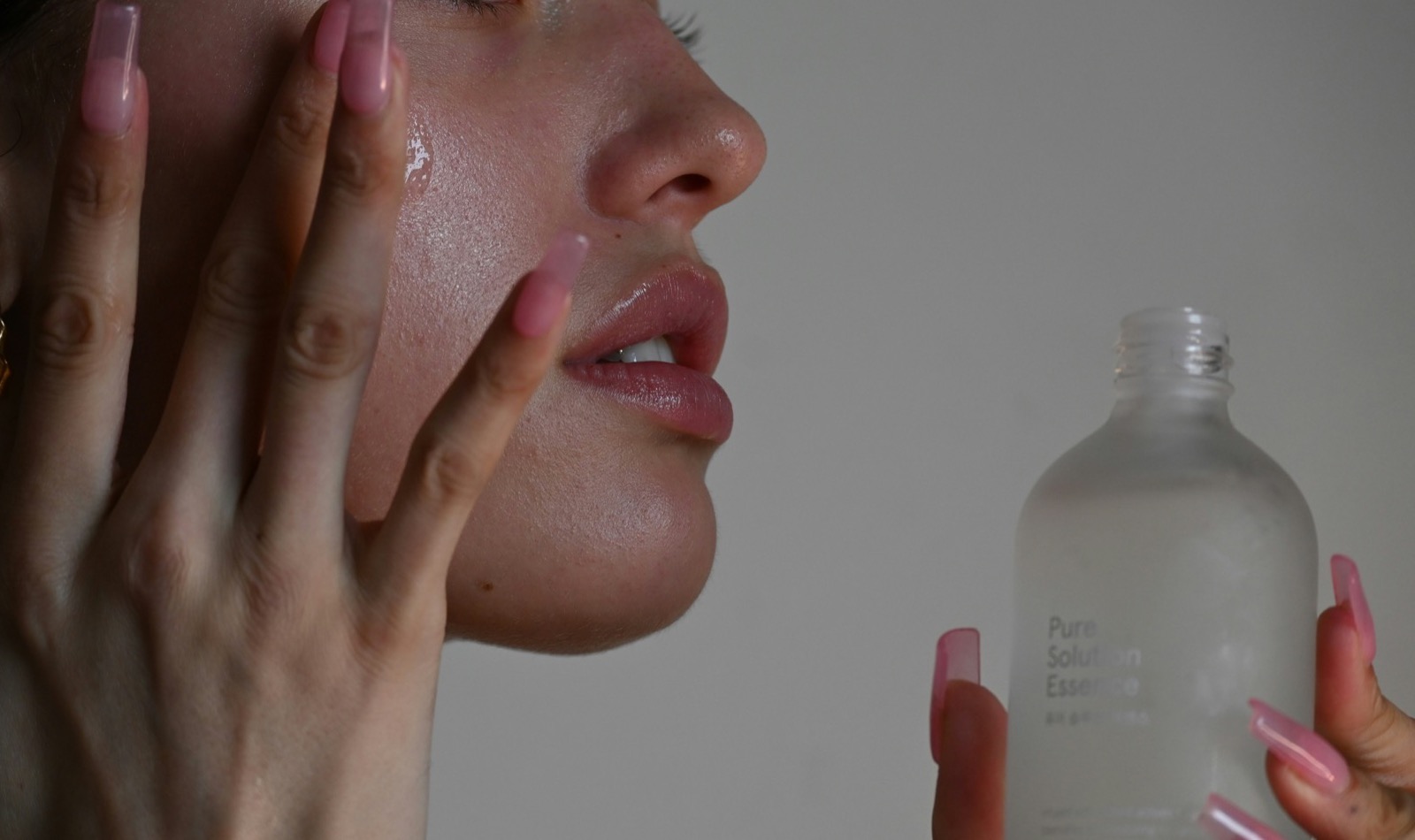
Quick answer: In Japanese toners (keshou-sui), Sappari means "light" or "refreshing," featuring a water-thin viscosity with zero tackiness, ideal for oily, acne-prone, or summer skin. Shittori means "moist" or "supple," formulated with higher concentrations of dense humectants (such as glycerin, diglycerin, and multi-molecular hyaluronic acid) to create a cushioning slip suitable for normal, dry, and combination complexions. Both versions deliver identical core active benefits, differing primarily in their carrier humectant density.
Sensory Definitions: What Do Sappari and Shittori Actually Mean?

To select the correct bottle, one must first appreciate how Japanese sensory terminology describes skin feel (kankaku):
Sappari (Light / Refreshing / Clean)
In everyday Japanese, sappari conveys a sense of feeling refreshed, clean, or unburdened:
- Physical Feel: Formulated with a water-thin, weightless body that splashes from the bottle like pure spring water.
- Absorption Profile: Spreads effortlessly across the skin and absorbs within seconds, leaving zero tacky residue, stickiness, or shine.
- Complexion Finish: Leaves the epidermal surface feeling smooth, cool, and comfortably matte, making it an exceptional base for immediate makeup application or humid summer weather.
Shittori (Moist / Supple / Hydrated)
The word shittori describes something that is gently damp, soft, velvety, and deeply conditioned:
- Physical Feel: Possesses noticeable viscosity and slip—often described as a fluid cushion that glides smoothly across facial contours without dripping through your fingers.
- Absorption Profile: Takes 30 to 60 seconds to absorb fully, leaving a dewy, moisture-saturated veil that softens rough keratinocytes.
- Complexion Finish: Yields a plump, bouncy tactile feel (mochi-hada), offering long-lasting moisture comfort for dry or dehydrated skin barriers.
Tot-tori / Kō-hoshitsu (Extra Rich / Enriched)
Some specialized brands (such as Curél Lotion III or Hada Labo Premium) introduce a third tier, designated as Totemo Shittori (Tot-tori) (very moist) or Kō-hoshitsu (high moisture). These toners approach the density of a lightweight essence or fluid gel, engineered specifically for severe xerosis, mature dryness, and harsh winter winds.
Formulation Chemistry: How Japanese Chemists Engineer Texture

Many overseas consumers assume that Sappari is a diluted product while Shittori is the "real" concentrated formula. In reality, Japanese cosmetic chemists formulate both versions with meticulous balance:
1. The Shared Active Core
In certified Quasi-Drug (Iyakubugaihin) product lines, both Sappari and Shittori versions contain the exact same concentration of government-regulated active ingredients. For example:
- Curél Moisture Care: Both Lotion I (Light) and Lotion II (Standard) contain identical concentrations of the anti-roughness active Allantoin.
- Hada Labo Shirojyun Premium: Both Light and Moist variants utilize the identical concentration of brightening active Tranexamic Acid.
2. Polyol Ratio Adjustments
The sensory divergence between versions is achieved by modulating the carrier humectant profile:
- In Sappari Formulations: Chemists rely on lightweight glycols—primarily Butylene Glycol (BG) and Propanediol. These molecules hold water effectively but have low molecular weights and negligible surface tack, allowing them to deposit water rapidly without forming a perceptible film.
- In Shittori Formulations: Formulators increase concentrations of higher-density polyols—such as Glycerin and Diglycerin—alongside multi-branched polymers (like Sodium Hyaluronate Cross-polymers and Hydroxyethylcellulose). These ingredients bind larger volumes of ambient moisture, creating a sustained hydration reservoir across outer epidermal layers.
Comparative Breakdown: Sappari vs Shittori vs Tot-tori
Scroll horizontally to view full table
| Toner Texture Designation | Key Carrier Humectants | Fluid Viscosity | Ideal Skin Profile | Ideal Climate / Season |
|---|---|---|---|---|
| Sappari (Light) | Butylene Glycol, Propanediol, Water-soluble Botanicals | Water-thin, splashable (1–5 cPs) | Oily, acne-prone, easily congested, or teenage skin | Hot, humid summer; tropical climates; post-workout |
| Shittori (Moist) | Glycerin, Diglycerin, Multi-molecular Hyaluronic Acid | Silky liquid cushion (15–30 cPs) | Normal, balanced, combination, or mild dehydration | Spring and autumn; temperate climates; year-round daily baseline |
| Totemo Shittori (Tot-tori) / Enriched (Extra Moist) | Concentrated Glycerin, High-weight Hyaluronate, Polymers | Essence-like fluid gel (50–100 cPs) | Chronically dry, flaking, sensitive barrier, mature skin | Dry winter air, sub-zero temperatures, low-humidity indoor heating |