Frictionless Cleansing in Japanese Skincare: Barrier Guide
CleansingBy Miho Tanaka
title: Frictionless Cleansing in Japanese Skincare: Barrier Guide
meta_description: Discover the Japanese art of frictionless cleansing (masatsu-resu). Learn how zero-rubbing rituals protect skin barrier lipids and prevent premature aging.
affiliate: false
Frictionless Cleansing in Japanese Skincare: Barrier Guide
Have you ever looked in the bathroom mirror after washing your face and noticed flushed red cheeks, sudden stinging, or a tight, dry sensation across your forehead? For many people, face washing has long been approached as a physical scouring task—a vigorous scrubbing ritual meant to rub away grime, waterproof makeup, and persistent sebum.
In Japanese dermatology, however, physical friction (masatsu) is recognized as one of the most destructive everyday threats to skin health. Japanese beauty (J-beauty) solves this issue through the philosophy of frictionless cleansing (masatsu-resu). Rather than dragging hands, washcloths, or textured cotton pads across delicate facial contours, frictionless cleansing relies on chemistry, fluid dynamics, and elastic cushions of product. By allowing specialized oil cushions and dense micro-foams to dissolve impurities effortlessly, you preserve vital epidermal ceramides and defend against premature aging.
Quick answer:Frictionless cleansing (masatsu-resu) is a foundational Japanese skincare technique designed to minimize mechanical surface rubbing. By applying generous volumes of cushioning cleansers—such as high-slip cleansing oils or whipped micro-bubble meringues—your fingers never make direct physical contact with facial skin. Cleansers dissolve water-resistant sunscreens and impurities through chemical affinity, after which lukewarm water rinses everything clean without abrasive towel dragging.
What Is Frictionless Cleansing (Masatsu-resu)?
Conclusion: Frictionless cleansing uses a fluid or foam buffer between hands and skin, dissolving impurities through chemical solvency rather than abrasive mechanical rubbing.
In traditional Japanese skincare philosophy, the stratum corneum—the outermost protective shield of your skin—is revered as a living barrier rather than an inert surface to be scrubbed. At its thickest points, the stratum corneum measures only 10 to 20 micrometers deep, roughly the thickness of household plastic wrap.
Frictionless cleansing, or masatsu-resu, approaches this delicate architecture with profound care:
The Cushion Principle (Kushon): Instead of using your hands to physically rub the face, you place an abundant cushion of fluid product (such as a high-slip cleansing oil or bouncy whipped foam) between your fingertips and your skin.
Surface Tension Cleansing: Impurities are removed not through scouring, but through the natural physics of surface tension and lipid solubility ("like dissolves like").
Featherlight Touch (Piano Tacchi): Hand movements mimic the gentle touch of a pianist softly pressing piano keys, ensuring zero downward pressure on delicate facial contours.
Why do Japanese dermatologists consider mechanical friction so perilous? Repeated surface friction inflicts quiet, cumulative damage on epidermal biology:
Destruction of Corneodesmosomes: Skin cells are bound together by delicate protein rivets called corneodesmosomes and surrounded by intercellular lipid sheets of ceramides, fatty acids, and cholesterol. Shearing forces from towels, cleansing wipes, or rough hands snap these rivets prematurely, causing invisible microscopic tears in the barrier.
Elevated Trans-Epidermal Water Loss (TEWL): When surface intercellular lipids are disrupted by scrubbing, internal water quickly evaporates into the air, creating chronic dehydration, tight cheeks, and rough texture.
Frictional Hyperpigmentation: Melanocytes located at the base of the epidermis are sensitive to mechanical stress. Chronic frictional rubbing—especially around the delicate orbital eye contour, cheekbones, and jawline—triggers protective melanin synthesis, producing persistent brown discoloration often mistaken for sun damage.
Inflammaging: Ongoing low-grade frictional irritation causes chronic micro-inflammation, releasing inflammatory cytokines that degrade underlying collagen and elastin over time.
Choosing Formulations Engineered for High Cushion Glide
Conclusion: Selecting cleansers formulated with substantial viscosity and elastic micro-bubbles provides a protective buffer that prevents skin-on-skin drag.
To practice frictionless cleansing successfully, you must use formulations specifically engineered to maintain structural glide throughout the cleansing ritual.
Scroll horizontally to view full table
Cleanser Type
Cushion Mechanism
Friction Reduction Level
Ideal Impurities Removed
Ideal For
High-Slip Cleansing Oils
Thick, viscous lipid veil providing fluid glide across dry skin
Exceptional; fingers skate smoothly over skin contours
Waterproof mineral sunscreen, liquid foundations, and hardened sebum plugs
All skin types wearing makeup or water-resistant UV filters
Cushioning Gel-Oils & Balms
Dense gel matrix that melts into luxurious oil upon skin contact
Very high; substantial thickness resists downward finger pressure
Daily makeup, excess surface oil, and environmental pollution
Dry, sensitive, and mature complexions seeking deep cushion
Whipped Micro-Foams (*Nou-mitsu Awa*)
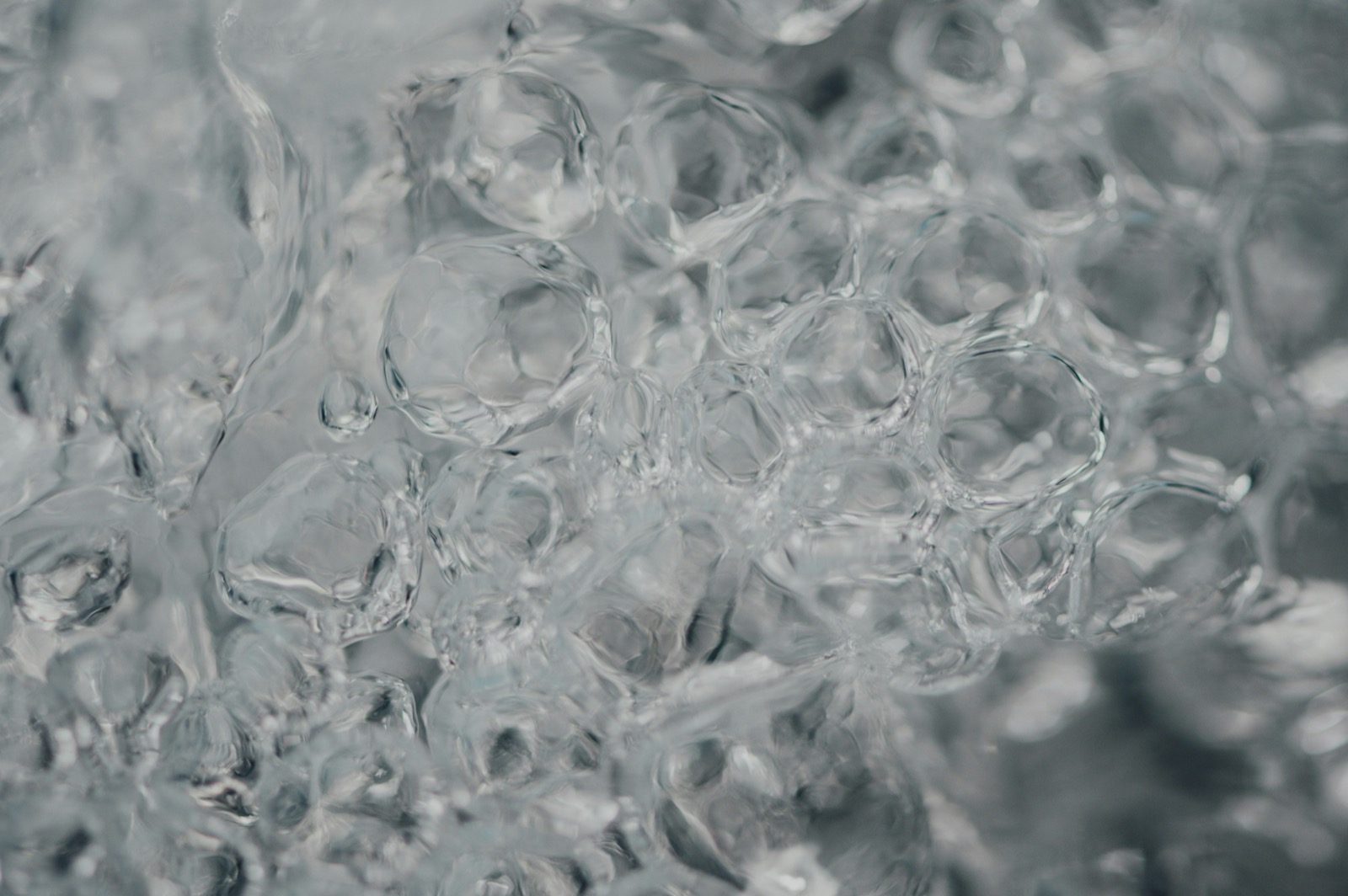
Millions of microscopic bubbles packed into elastic, resilient meringue
Maximum; hands roll the foam without fingertips touching the skin
Perspiration salts, atmospheric dust, and residual water-soluble debris
Morning cleanses and the second step of double cleansing
Watery, low-viscosity cleansers and thin, runny suds are incapable of frictionless washing because they collapse under minimal pressure, forcing your hands into abrasive friction against your skin.
The 4-Step Japanese Frictionless Technique
Conclusion: Generous dosing, soft circular rolling, lukewarm emulsification, and gentle water splashing clean thoroughly while preventing mechanical drag.
Adopting a frictionless routine requires reimagining how your hands interact with your face during cleansing.
Step 1: Dispense a Generous Volume
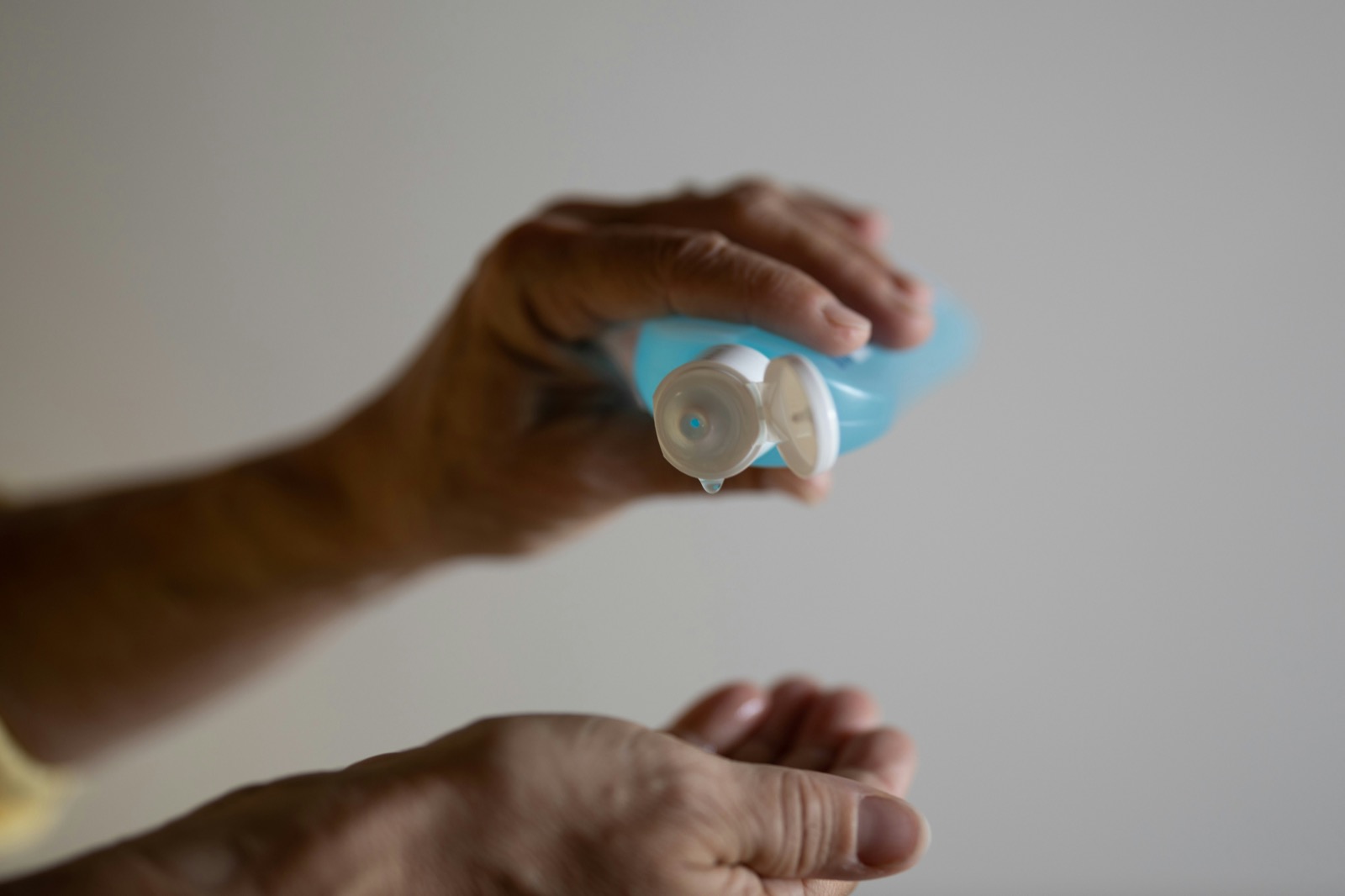
Skimping on cleanser is the primary cause of friction. If you use too little oil or foam, your hands will drag directly across bare epidermal cells. Dispense 2 to 3 full pumps of cleansing oil, or whip a baseball-sized cloud of micro-foam using a mesh foaming net.
Step 2: The "Piano Touch" Circular Glide
When applying cleansing oil or foam, never push inward against your facial bone structure. Instead, use only the soft pads of your ring and middle fingers—the weakest digits on your hands. Glide across your face in slow, circular motions for no more than 30 to 45 seconds.
Dermatologists strongly caution against vigorous washing habits. According to guidelines from the American Academy of Dermatology, "Resist the temptation to scrub your skin because scrubbing irritates the skin"[1]. Trust your cleanser's chemistry to lift impurities without mechanical scrubbing.
Step 3: Emulsify with Lukewarm Water (Nyuuka)
If using a cleansing oil, wet your palms with a splash of lukewarm water and glide across your face. The oil will immediately transform into a milky white micro-emulsion. This chemical transition encapsulates the dissolved oils, allowing them to rinse away with water without needing washcloths or cotton wipes.
Step 4: Water-Cushioned Rinsing and Towel Press
Cup lukewarm water (32°C to 34°C) in your palms and splash your face 10 to 15 times. Let the moving water do the rinsing work; do not rub your wet face with your hands.
As emphasized by the American Academy of Dermatology, "Rinse with lukewarm water and pat dry with a soft towel"[1]. When drying, never wipe or drag a bath towel across your cheeks. Instead, gently press (osae-buki) a plush, clean cotton towel against your face, allowing the fabric fibers to absorb water droplets through capillary action alone.
Conclusion: Hydrating skin immediately following towel patting locks in essential water before post-wash evaporation can destabilize the barrier.
Once your face is cleansed without friction, preserving the calm, uncompromised stratum corneum is your next priority.
Dermatologists emphasize the importance of immediate hydration. The American Academy of Dermatology advises: "Be sure to apply your moisturizer when your skin is still damp after taking a shower or bath, after washing your hands, and when your skin feels dry"[2].
Furthermore, post-cleansing moisturizing is essential across all skin types, including oily and acne-prone complexions. As highlighted by the American Academy of Dermatology, "DO apply moisturizer after cleansing. Although you have oily skin, it is still important to apply moisturizer to keep your skin hydrated"[3].
To maintain barrier equilibrium following a frictionless cleanse:
Practice Double Cleansing Wisely: In the evening, use a two-step sequence: oil first to melt sunscreen, followed by a whipped foam to sweep away sweat without friction. For complete instructions, explore the Japanese double cleansing method.
Seal with Ceramides: Finish with a gentle emulsion or barrier cream formulated with intercellular ceramides to reinforce moisture retention.
What to Avoid: 4 Everyday Habits That Create Friction
Conclusion: Avoiding makeup wipes, abrasive washcloths, aggressive towel dragging, and dry rubbing shields delicate skin from cumulative micro-trauma.
Even individuals who buy premium Japanese skincare often unknowingly inflict daily friction damage through common bad habits:
Relying on Disposable Cleansing Wipes: Wipes require dragging textured non-woven fabric directly across delicate skin, exerting substantial shear stress that disrupts the stratum corneum and triggers redness.
Scrubbing Around Delicate Eye Margins: Peri-orbital skin is three to four times thinner than facial skin. Rubbing mascara away with fingertips or rough cotton pads accelerates eyelid laxity, dark circles, and fine wrinkles.
Using Coarse Cotton Towels Aggressively: Vigorously rubbing a rough terrycloth towel against damp facial skin scrapes off fragile surface cells that have been softened by water.
Under-Dosing Cleansing Products: Using half a pump of cleansing oil or a tiny dab of cleanser forces your hands to drag across bare skin, transforming a gentle cleanser into an abrasive irritant.
Signs to Stop and When to Consult a Doctor
Conclusion: Stop using cleansers if you experience severe stinging, swelling, or persistent rashes, and consult a dermatologist for medical guidance.
While frictionless cleansing is designed to minimize physical irritation, personal skin sensitivities can arise from topical formulas:
Immediate Burning or Itching: If an oil or foaming cleanser causes acute stinging upon application, rinse off immediately with cool water.
Contact Dermatitis Flare-Ups: If widespread erythema, raised hives, or intensely itchy plaques emerge hours after cleansing, stop using the product.
Active Rosacea or Eczema Outbreaks: Inflamed eczema fissures or pustular rosacea flare-ups require clinical diagnosis and medical care by a certified dermatologist rather than over-the-counter cosmetic products.
Always conduct a 24-hour patch test on your jawline or inner forearm before introducing a new cleanser to your routine.
Summary: Key Principles of Frictionless Cleansing
Frictionless cleansing is not an elaborate luxury; it is a fundamental preventive measure for maintaining resilient, radiant skin:
Handle Skin Like Fine Silk: The stratum corneum is microscopic in depth; avoid dragging, pulling, or scouring facial contours.
Always Maintain a Product Cushion: Use generous doses of high-slip cleansing oils or dense whipped micro-foams so fingertips never rub directly against skin.
Adopt the Piano Touch: Glide in slow, circular motions using only the soft pads of your middle and ring fingers.
Pat, Never Wipe: Rinse with lukewarm water splashes and dry by gently pressing a plush cotton towel against your face.
Hydrate While Damp: Lock in moisture with hydrating lotion and ceramide emulsions within 60 seconds of washing.
FAQ
Q1. How can I tell if I am using too much physical pressure when washing?
A. A simple test is to watch your facial skin in the mirror while cleansing. (Details)
A simple test is to watch your facial skin in the mirror while cleansing. If your skin moves, bunches up, or shifts under your fingers, you are applying too much downward pressure. Your hands should glide smoothly across the fluid or foam cushion without displacing the underlying facial tissue.
Q2. Do I need special cleansing tools or brushes to cleanse without friction?
A. No. In fact, spinning sonic brushes, silicone scrubbers, and manual cleansing brushes frequently generate significant mechanical friction that damages delicate stratum corneum lipids. (Details)
No. In fact, spinning sonic brushes, silicone scrubbers, and manual cleansing brushes frequently generate significant mechanical friction that damages delicate stratum corneum lipids. In Japanese skincare, your own clean hands paired with an abundant cushion of product are considered the gentlest, most effective tool.
Q3. Can frictionless cleansing adequately remove waterproof mascara and sunscreen?
A. Yes. Modern broad-spectrum waterproof sunscreens and long-wear mascaras are oil-soluble. (Details)
Yes. Modern broad-spectrum waterproof sunscreens and long-wear mascaras are oil-soluble. They dissolve effortlessly when enveloped in a high-slip cleansing oil or balm through chemical affinity ("like dissolves like"), removing the need to rub or scrub.
Q4. Is patting dry really that much better than wiping with a towel?
A. Yes. Damp stratum corneum cells are temporarily softened and swollen from water exposure, making them particularly vulnerable to mechanical abrasion. (Details)
Yes. Damp stratum corneum cells are temporarily softened and swollen from water exposure, making them particularly vulnerable to mechanical abrasion. Dragging a dry terrycloth towel across softened skin strips intercellular lipids and induces redness, whereas gentle pressing absorbs water without shear stress.
Q5. Does frictionless cleansing take longer than normal washing?
A. Not at all. A frictionless cleanse takes less than two minutes from start to finish: 30 to 45 seconds of gentle oil dissolution, 15 seconds of water emulsification, 20 seconds of lukewarm splashing, and a quick towel press. (Details)
Not at all. A frictionless cleanse takes less than two minutes from start to finish: 30 to 45 seconds of gentle oil dissolution, 15 seconds of water emulsification, 20 seconds of lukewarm splashing, and a quick towel press. Because the chemistry does the heavy lifting, you save time while protecting your barrier.
Disclaimer: This article is for general information and education about Japanese cosmetics and their labels. It is not a substitute for professional medical advice, diagnosis, or treatment. Skincare results vary from person to person. Product formulas, availability, prices, and regulations change, and products sold in Japan can differ from versions sold elsewhere, so always check the current label. Do a patch test before introducing a new product, and consult a doctor or dermatologist if you have a skin condition or specific concerns.