Rich Japanese Barrier Cream for Winter: Complete Guide
HydrationBy Miho Tanaka
title: Rich Japanese Barrier Cream for Winter: Complete Guide
meta_description: Find the best rich Japanese barrier cream for winter. Learn how ceramide lamellar formulas seal deep hydration, prevent flaking, and soothe chapped skin.
affiliate: false
Rich Japanese Barrier Cream for Winter: Complete Guide
When winter arrives, the drop in outdoor temperature combined with indoor artificial heating strips essential moisture from the skin. Biting winds accelerate moisture evaporation, while humidity levels indoors frequently drop below 30%. For many, lightweight summer lotions and fluid emulsions no longer suffice, resulting in "winter flaking" (konafuki hada)—a state where cheeks feel tight, rough, and noticeably chapped.
Choosing a rich Japanese barrier cream for winter provides the intensive protection required to shield delicate epidermal layers. Unlike heavy Western barrier salves that often rely on thick, greasy petroleum bases, Japanese barrier creams combine lipid-replenishing science with lightweight elegance. Built with lamellar liquid-crystal technology and skin-identical ceramides, they lock in deep hydration while leaving a supple, non-sticky finish.
Quick answer: A rich Japanese barrier cream for winter utilizes a lamellar liquid-crystal emulsion that mimics the natural lipid bilayer of human skin, blending synthetic or human-type ceramides, plant squalane, and quasi-drug soothing actives like dipotassium glycyrrhizate. Instead of sitting as a suffocating grease layer, it integrates between surface cells to curb trans-epidermal water loss. Warm a pearl-sized amount between clean fingertips and press gently into damp skin to seal winter moisture.
Understanding Winter Barrier Breakdown in Japanese Skincare
In Japanese cosmetic dermatology, winter dryness is viewed not simply as a lack of surface water, but as a disruption of the intercellular lipid barrier.
Conclusion: Freezing air and dry indoor heating deplete stratum corneum ceramides, causing microscopic fissures that accelerate moisture loss and lead to uncomfortable winter flaking.
The stratum corneum—the outermost layer of your skin—resembles a brick-and-mortar wall. Corneocytes (dead skin cells) represent the bricks, while intercellular lipids (ceramides, cholesterol, and free fatty acids) form the mortar holding everything together. In sub-zero temperatures, the skin's enzymatic synthesis of natural ceramides slows down dramatically.
Simultaneously, indoor heaters draw ambient moisture out of surface keratin cells. When the lipid mortar shrinks and cracks, trans-epidermal water loss escalates. Irritants from the environment reach past the compromised barrier, resulting in sensitivity, redness, and visible dry flaking around the mouth and cheeks.
Dermatologists stress that sealing the barrier immediately after cleansing is paramount in cold weather. As noted by the American Academy of Dermatology, be sure to apply your moisturizer when your skin is still damp after taking a shower or bath, after washing your hands, and when your skin feels dry[1]. Applying a rich barrier cream directly onto damp skin traps water molecules before dry indoor air can draw them away.
How Japanese Barrier Creams Differ from Western Creams
Traditional Western cold creams and barrier ointments frequently utilize dense petrolatum or mineral wax bases. While these ingredients offer strong surface occlusion, they can feel heavy, greasy, and prone to clogging pores.
Conclusion: Japanese barrier creams employ lamellar liquid crystal technology, arranging water and physiological lipids into layered sheets that mirror human skin structure without suffocating heaviness.
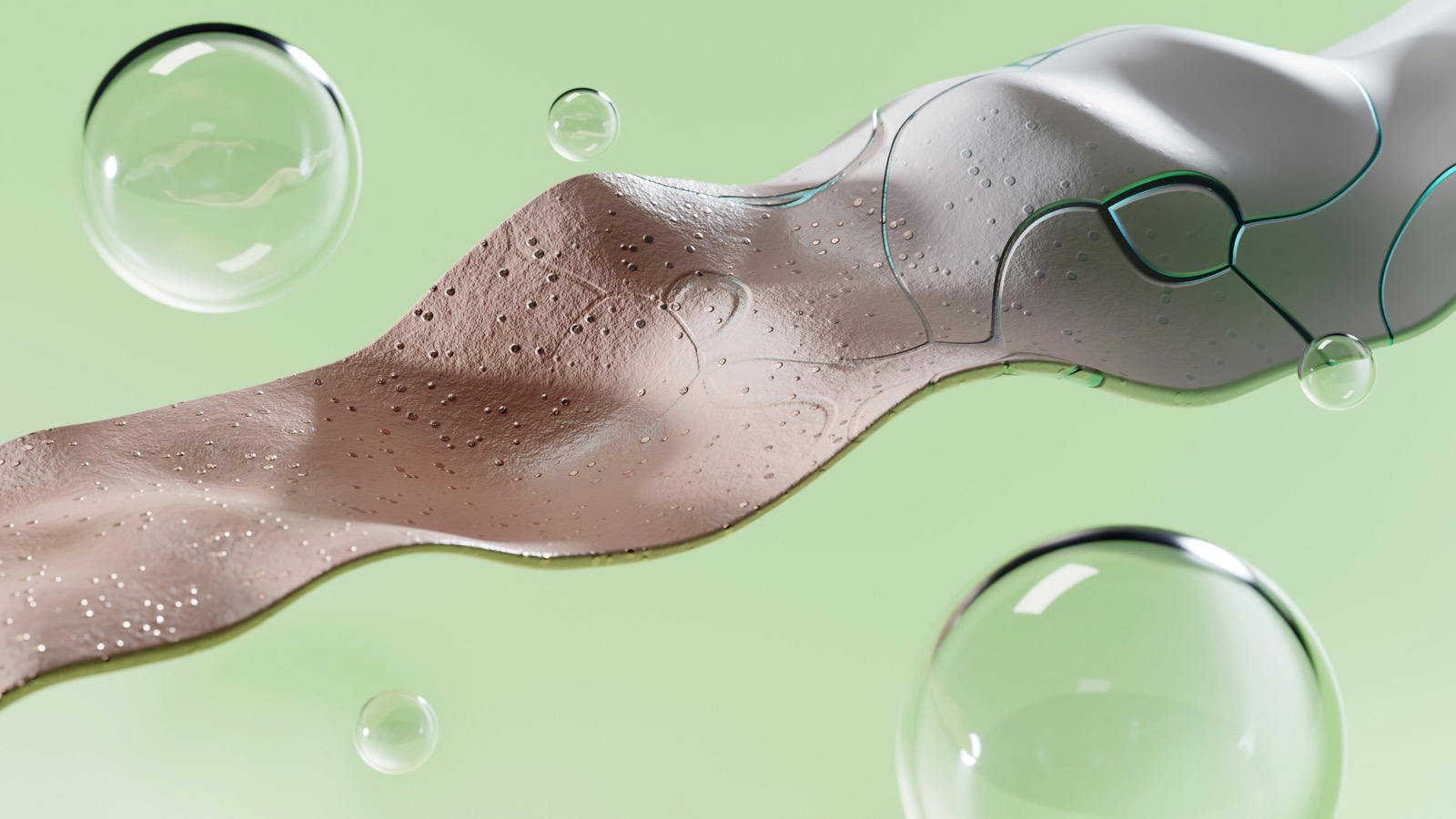
Japanese cosmetic laboratories formulate winter barrier creams around Lamellar Liquid Crystal Emulsion (ramera kouzou). In this advanced formulation architecture, water molecules and lipid chains alternate in microscopic, multi-layered sheets—identical to the natural arrangement of human stratum corneum lipids.
Key Functional Advantages of Lamellar Formulations:
Biomimetic Integration: Instead of forming an inert, greasy mask on top of the skin, the lamellar sheets slide into microscopic intercellular spaces, reinforcing the skin's natural moisture-holding architecture.
Breathable Moisture Shield: Lamellar creams allow natural skin respiration and perspiration while creating an effective physical barrier against sub-zero winds.
Velvet Dry-Down: Despite a rich and dense texture in the jar, the formula melts upon contact with body heat, absorbing into a non-greasy, satin cushion that wears comfortably under foundation.
Essential Barrier-Reinforcing Actives:
Pseudo-Ceramides and Human-Type Ceramides (NP, AP, EOP): Replenish the critical lipid components needed to prevent trans-epidermal moisture depletion.
Plant-Derived Squalane: A biomimetic hydrocarbon that softens rough flaking without triggering blemish flares.
Tsubaki (Camellia Japonica) Seed Oil: A traditional Japanese botanical oil exceptionally rich in oleic acid, providing antioxidant shielding against winter oxidation.
Dipotassium Glycyrrhizate (Kanzou Ekisu): A licorice-root active certified under the Japanese quasi-drug framework that calms windburn, tightness, and redness.
Comparing Japanese Winter Cream Formulations
Selecting the right winter cream depends on your specific barrier condition and environment. Japanese beauty brands offer specialized variations tailored to varying levels of dryness.
Conclusion: Choose intensive ceramide balms for severe flaking, quasi-drug barrier creams for windburn and redness, and moisture-rich creams for daily indoor heating protection.
Scroll horizontally to view full table
Cream Classification
Texture & Viscosity
Key Functional Actives
Ideal Winter Condition
Intensive Ceramide Cream
Dense, buttery balm; melts upon skin contact into a rich protective shield.
Combination skin prone to oily T-zones and tight dry cheeks.
To understand how rich creams compare to lighter daily emulsions, explore our detailed analysis of Japanese emulsion vs moisturizer. You can also discover the optimal hydrating steps to perform before applying your cream in our guide on how to use Japanese hydrating lotion.
How to Apply Rich Cream Without Heaviness or Clogged Pores
Even the richest Japanese barrier cream can cause heaviness or product pilling if applied incorrectly. Estheticians in Japan emphasize the Palm Warming and Pressing method (hand press) to achieve uniform distribution without tugging delicate winter skin.
Conclusion: Warming a pearl-sized amount between fingertips and pressing into dry zones first prevents excess heaviness, ensuring uniform barrier protection without congested pores.
Step-by-Step Winter Application Method:
Prep with Hydrating Toner: After cleansing, press two layers of watery Japanese hydrating lotion into your skin until the surface feels plump and cool.
Dispense a Pearl-Sized Portion: Scoop a small, pearl-sized dollop (roughly 0.8 to 1 gram) using a spatula. Over-applying rich creams is the main cause of lingering shine.
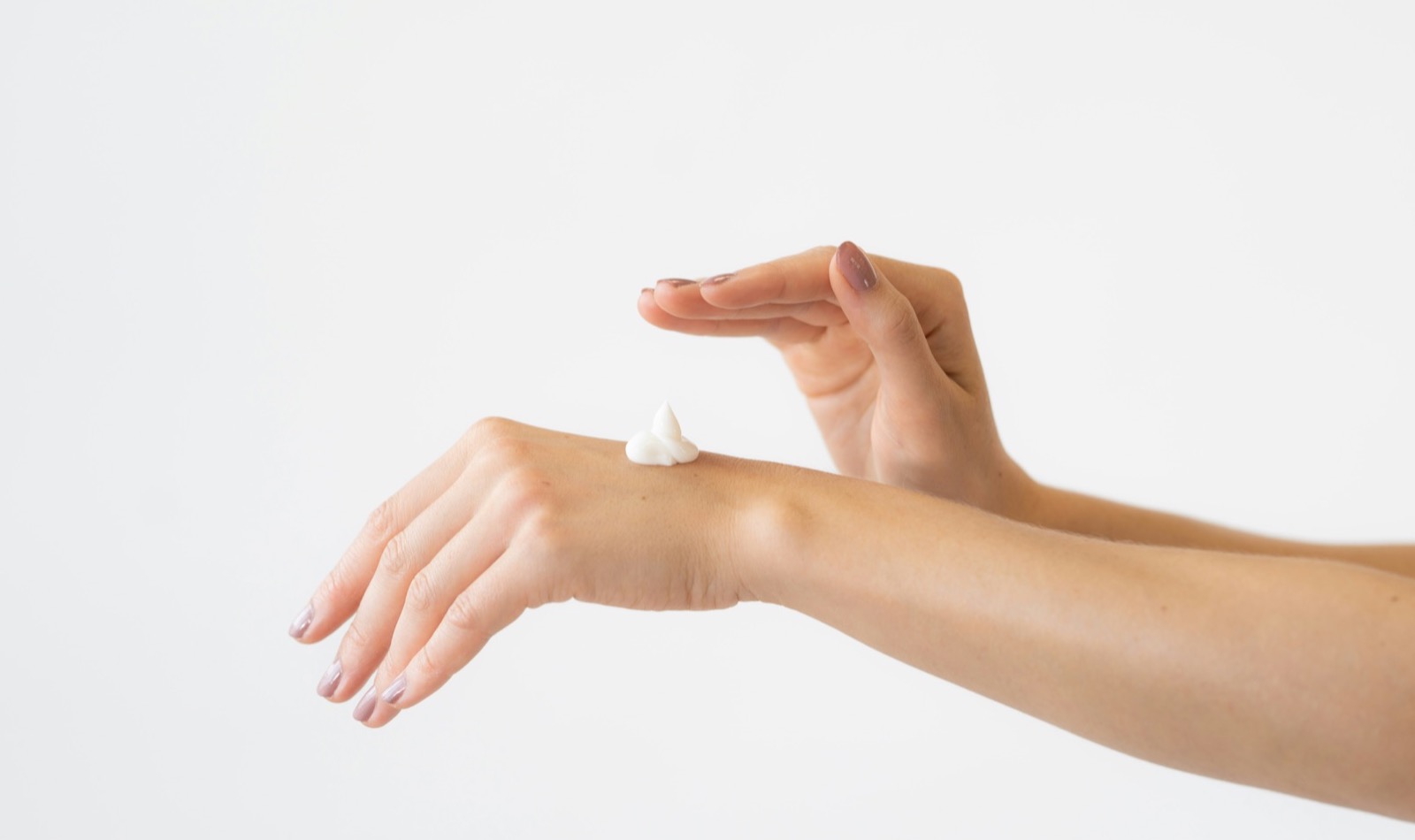
Warm to Body Temperature: Spread the cream across the pads of your middle and ring fingers for 3 seconds. The lamellar structure softens with body heat, transforming into a spreadable emulsion.
Target the Periphery First: Gently press the warm cream onto your cheeks, outer jawline, and around the mouth—the zones most vulnerable to winter wind and flaking.
Feather Across the Central T-Zone: Use only the light residue remaining on your fingertips to sweep lightly over your forehead, nose bridge, and chin.
Even if certain areas of your face are prone to oiliness, maintaining basic moisture balance across all regions remains critical. According to clinical guidance from the American Academy of Dermatology, DO apply moisturizer after cleansing. Although you have oily skin, it is still important to apply moisturizer to keep your skin hydrated[2]. Tailoring the thickness of your cream across different facial zones keeps oily areas calm while nourishing parched winter cheeks.
Matching a Barrier Cream to Your Specific Winter Skin Condition
Finding the appropriate balance of lipids and humectants depends on how your skin responds to sub-zero temperatures.
Conclusion: Match your cream to barrier severity: opt for ceramide-dense formulas for peeling flakiness, quasi-drug licorice creams for reactive redness, and light layering for combination types.
1. For Severe Dryness and Surface Peeling (Konafuki)
When winter air strips surface moisture, keratin cells curl upward and flake off in white patches.
Selection Criteria: Seek creams containing high concentrations of pseudo-ceramides or human-type ceramides (NP, AP) paired with squalane. These formulas knit loose corneocytes flat against the surface, reducing rough flaking and smoothing skin texture.
2. For Windburned and Redness-Prone Winter Skin
Freezing wind dilates delicate capillaries and triggers surface micro-irritation, leaving cheeks flushed and stinging.
Selection Criteria: Look for Japanese quasi-drug (yakuyou) formulas featuring dipotassium glycyrrhizate or allantoin. These anti-roughness actives calm surface irritation and reinforce barrier stability against cold gusts.
3. For Combination Skin Prone to Winter Breakouts
Many individuals experience an increase in blemishes during winter because dehydrated surface cells trap sebum beneath the stratum corneum.
According to clinical research from the American Academy of Dermatology, when your skin becomes dry, your body makes more oil. The extra oil can clog your pores, which may lead to more breakouts. The right moisturizer can prevent your skin from becoming dry and irritated[3].
Selection Criteria: Choose a balancing cream with a high humectant-to-oil ratio, utilizing non-pore-clogging squalane and jojoba oil rather than heavy mineral oils. Apply generously to dry cheeks and sheerly across the T-zone.
Signs to Stop and When to See a Doctor
While authentic Japanese winter creams are formulated to be soothing and gentle, individual sensitivities to specific natural oils, emulsifiers, or botanical extracts can occur.
Discontinue Use If You Experience:
Persistent stinging, burning, or flushed redness after applying the cream.
Clusters of tiny whiteheads or closed comedones across oily zones, indicating the formula is overly occlusive for your oil levels.
Sudden itchy, raised bumps characteristic of contact dermatitis.
Increased flaking accompanied by burning, which may indicate a compromised epidermal barrier requiring medical ointment.
When to Consult a Board-Certified Dermatologist:
If redness, burning sensations, or rashes persist for more than 48 to 72 hours after discontinuing use.
If you have an active inflammatory condition, such as rosacea, eczema, or seborrheic dermatitis, that flares in cold weather or reacts to rich creams.
If you suspect an allergic reaction to specific cosmetic emulsifiers, waxes, or fragrance agents and require diagnostic patch testing.
Always perform a 24-hour patch test behind your ear or on your inner forearm before introducing a rich winter cream to your full facial routine.
Summary: Key Principles for Winter Barrier Creams
Restore Intercellular Lipids: Seek lamellar creams rich in ceramides, squalane, and fatty acids to rebuild the skin's lipid mortar.
Avoid Suffocating Heaviness: Choose Japanese liquid-crystal formulations that seal moisture while remaining breathable and non-greasy.
Apply to Damp Skin Promptly: Smooth cream over damp skin immediately following hydrating lotion to lock in hydration before dry indoor air evaporates it.
Practice Zonal Application: Press the richest layer onto dry cheeks and outer jawline, sweeping only a sheer veil across the oily T-zone.
Calm Cold-Weather Redness: Look for quasi-drug active ingredients like dipotassium glycyrrhizate to soothe winter windburn and chapping.
FAQ
Q1. Can I wear a rich Japanese barrier cream under daytime makeup?
A. Yes, provided you give it adequate time to settle. (Details)
Yes, provided you give it adequate time to settle. Because Japanese barrier creams utilize lamellar technology that absorbs without greasy residue, a small pearl-sized amount creates an excellent smooth primer for foundation. Allow the cream 60 to 90 seconds to absorb into a soft finish before applying sunscreen or liquid makeup.
Q2. Do I still need an emulsion if I use a rich barrier cream?
A. For normal to dry skin in winter, using both an emulsion and a cream provides optimal layered hydration: the fluid emulsion supplies water-soluble moisture, while the rich cream provides the final occlusive seal. (Details)
For normal to dry skin in winter, using both an emulsion and a cream provides optimal layered hydration: the fluid emulsion supplies water-soluble moisture, while the rich cream provides the final occlusive seal. However, for oily or combination skin, skipping the emulsion and using a lightweight hydrating lotion followed directly by a sheer layer of barrier cream works well.
Q3. How does a Japanese barrier cream differ from pure petrolatum?
A. Pure petrolatum (such as petroleum jelly) is an inert, 100% occlusive barrier that sits on top of the skin without replenishing lost physiological lipids. (Details)
Pure petrolatum (such as petroleum jelly) is an inert, 100% occlusive barrier that sits on top of the skin without replenishing lost physiological lipids. In contrast, Japanese barrier creams contain active lipid components (ceramides, squalane, fatty acids) in a lamellar structure that integrates between corneocytes, supporting the skin barrier while maintaining breathability.
Q4. Can I use a rich barrier cream as an eye cream?
A. Many Japanese barrier creams are formulated to be gentle enough for the delicate peri-orbital area. (Details)
Many Japanese barrier creams are formulated to be gentle enough for the delicate peri-orbital area. If your cream is fragrance-free and non-irritating, gently tapping a tiny pinhead-sized amount around your orbital bone with your ring finger provides excellent protection against dry winter fine lines.
Q5. Will a rich winter cream clog my pores if I have acne-prone skin?
A. Not necessarily, provided you choose formulas based on non-pore-clogging emollients like squalane rather than heavy comedogenic waxes. (Details)
Not necessarily, provided you choose formulas based on non-pore-clogging emollients like squalane rather than heavy comedogenic waxes. In fact, properly moisturizing prevents the surface dehydration that prompts skin to produce excess rebound sebum, reducing the risk of winter breakouts.
Disclaimer: This article is for general information and education about Japanese cosmetics and their labels. It is not a substitute for professional medical advice, diagnosis, or treatment. Skincare results vary from person to person. Product formulas, availability, prices, and regulations change, and products sold in Japan can differ from versions sold elsewhere, so always check the current label. Do a patch test before introducing a new product, and consult a doctor or dermatologist if you have a skin condition or specific concerns.