Japanese Amino Acid Facial Cleanser: Gentle Wash Guide
Have you ever washed your face, rinsed away the bubbles, and immediately felt your cheeks turn tight, dry, and squeaky clean? For decades, conventional facial soaps have relied on strong alkaline soap bases (sekken-kei). While alkaline soaps produce towering lather and strip away heavy grease, they also disrupt your skin's natural acidic mantle and extract essential moisture-binding ceramides, leaving your protective barrier compromised.
In modern Japanese skincare (J-beauty), the gentle gold standard for daily face washing is the Japanese amino acid facial cleanser (amino-san-kei sengan). Formulated with mild surfactants derived from natural amino acids, these cleansers operate at a weakly acidic pH (pH 5.0 to 6.5) that matches the skin's biological acid mantle. By selectively dissolving surface sweat and excess sebum without leaching out intercellular lipids, amino acid cleansers keep your face calm, soft, and deeply hydrated.
Quick answer: A Japanese amino acid facial cleanser is a gentle, weakly acidic face wash powered by amino acid-based surfactants (such as cocoyl glutamate or lauroyl methylalanine). Unlike alkaline soap cleansers that strip natural ceramides, amino acid cleansers wash away sweat and excess sebum while preserving your moisture barrier. They are ideal for sensitive, dry, and barrier-damaged skin seeking a soft, supple finish without post-wash tightness.
What Is a Japanese Amino Acid Facial Cleanser?
Conclusion: Amino acid cleansers use surfactants synthesized from natural amino acids, operating at a weakly acidic pH that protects delicate stratum corneum lipids.
To understand what makes amino acid cleansers unique, it helps to examine the two primary surfactant categories used in Japanese facial cleansing:
Alkaline Soap Bases (Sekken-kei): Created by saponifying fatty acids (such as myristic, lauric, or stearic acid) with potassium hydroxide or sodium hydroxide. Traditional soaps are inherently alkaline (pH 9.0 to 10.5). When applied to skin, high alkalinity temporarily neutralizes the skin's acid mantle, swells stratum corneum keratin, and leaches out natural moisturizing factors (NMF).
Amino Acid-Based Surfactants (Amino-san-kei): Synthesized by bonding fatty acids with natural amino acids (such as glutamic acid, glycine, alanine, or taurine). These surfactants are weakly acidic to neutral (pH 5.0 to 6.5), matching healthy skin's physiological baseline (pH 4.5 to 5.5). They cleanse with minimal protein denaturation and maintain optimal hydration.
The Biochemical Advantage: Selective Cleansing and Ceramide Retention
Conclusion: Amino acid surfactants wash away surface impurities while leaving intercellular ceramides and natural moisturizing factors safely intact.
The primary benefit of a Japanese amino acid cleanser is its property of selective cleansing.
The outermost layer of your skin—the stratum corneum—consists of corneocyte bricks bound together by a lipid mortar rich in ceramides, cholesterol, and free fatty acids. Harsh ionic detergents, such as sodium lauryl sulfate (SLS) or unbuffered alkaline soaps, extract these intercellular lipids, creating microscopic fissures that lead to trans-epidermal water loss (TEWL) and redness.
In contrast, amino acid surfactants possess bulky molecular heads that prevent them from intercalating deeply into intercellular lipid bilayers. They selectively emulsify polar surface impurities (perspiration salts, airborne dust, and oxidized free fatty acids) while leaving structural ceramides and natural moisturizing factors undisturbed.
Dermatologists advocate gentle, non-stripping facial cleansing. Guidelines from the American Academy of Dermatology emphasize to: "Use a gentle, non-abrasive cleanser that does not contain alcohol"[1]. By cleansing without stripping lipids or altering pH, amino acid formulas prevent the tight, parched feeling often mistaken for clean skin.
How to Spot True Amino Acid Surfactants on Japanese Labels
Conclusion: Identifying specific amino acid salt names on ingredient lists ensures you select genuinely mild, weakly acidic cleansing formulas.
Many commercial cleansers advertise "contains amino acids" on their front label, yet their primary cleansing agent is still a cheap, alkaline soap base. To choose a genuine amino acid wash, examine the first few ingredients on the Japanese INCI list.
Very stable, fine-bubble lather resistant to hard water
Clean, refreshed finish with excellent barrier safety
All skin types, including acne-prone and reactive skin
If you see potassium hydroxide (KOH) combined with myristic, lauric, or stearic acid at the top of the ingredient list, the product is an alkaline soap, even if it lists trace amino acids near the bottom.
Step-by-Step: The Frictionless Lathering Ritual
Conclusion: Whipping amino acid cleanser with a foaming net creates a bouncy micro-cushion that cleanses without dragging fingertips across skin.
Because amino acid surfactants are intrinsically gentler than alkaline soaps, they require slightly more air incorporation to build a dense, supportive foam cushion:
Step 1: Pre-Wash Your Hands
Wash your hands with regular soap first. Oils on unwashed palms act as natural defoaming agents, collapsing delicate amino acid bubbles before they can expand.
Step 2: Whip with a Mesh Foaming Net
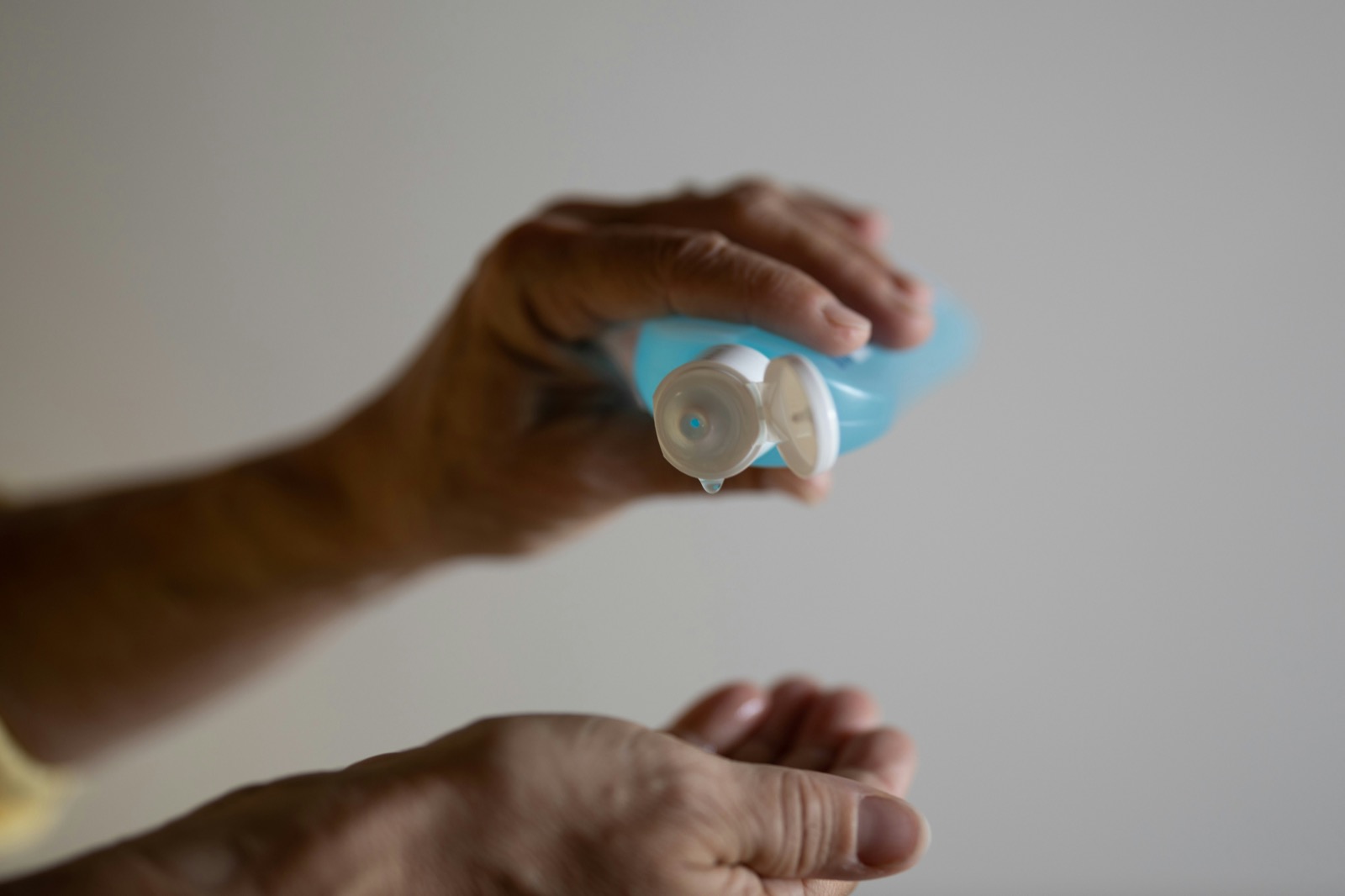
Dispense 1.5 to 2 centimeters of amino acid cleansing paste onto a damp mesh foaming net (awa-date netto). Squeeze out excess water so the net is not dripping. Rub vigorously between your palms for 15 to 20 seconds, adding a few drops of lukewarm water if the mixture feels too gummy. Squeeze the dense, velvety foam mound off the net.
Step 3: Roll the Foam Pillow
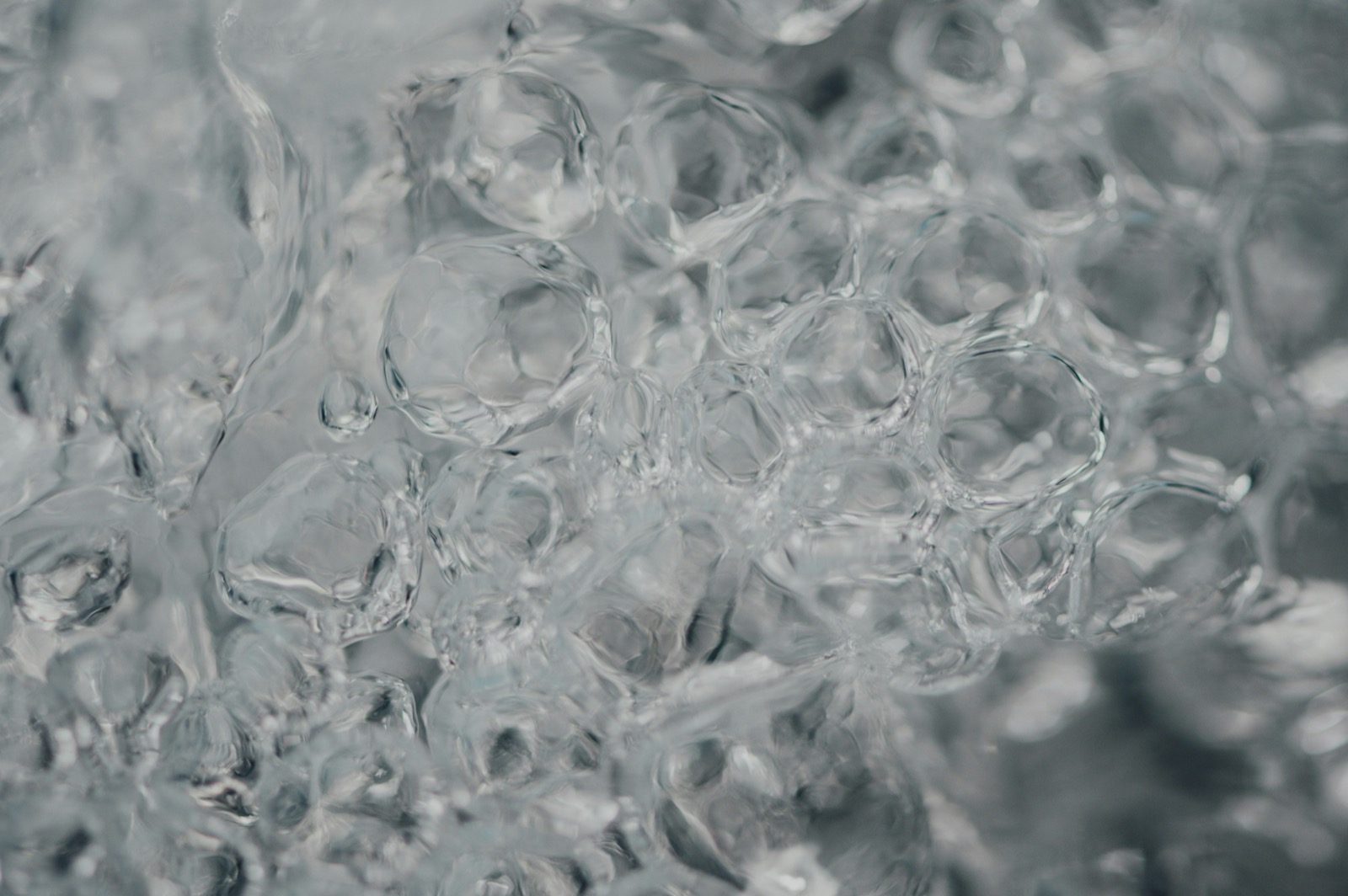
Transfer the cloud of foam to your forehead and nose first, then gently glide outward across your cheeks. Place your flat palms over the foam and press gently, letting the resilient bubbles roll across your contours without your fingertips dragging across the skin.
Dermatologists strongly caution against vigorous washing pressure. Guidelines from the American Academy of Dermatology advise: "Resist the temptation to scrub your skin because scrubbing irritates the skin"[1]. Allow the amino acid surfactants 30 to 45 seconds to dissolve surface impurities naturally.
Step 4: Rinse Thoroughly with Lukewarm Water
Splash your face with lukewarm water (32°C to 34°C) 10 to 15 times until no slickness remains. As emphasized by the American Academy of Dermatology, "Rinse with lukewarm water and pat dry with a soft towel"[1]. Gently press a soft towel against your face to absorb moisture without rubbing.
Immediate Post-Wash Moisture Sealing
Conclusion: Applying hydrating lotions and barrier emulsions right after washing locks in water before evaporation can destabilize fresh epidermal hydration.
Even with an ultra-gentle amino acid cleanser, surface water begins evaporating from the stratum corneum within seconds of drying your face. Prompt hydration locks in the conditioning benefits of your gentle wash.
The American Academy of Dermatology recommends: "Be sure to apply your moisturizer when your skin is still damp after taking a shower or bath, after washing your hands, and when your skin feels dry"[2].
Furthermore, post-cleansing hydration is essential across all skin types, including oily and acne-prone skin. The American Academy of Dermatology emphasizes: "DO apply moisturizer after cleansing. Although you have oily skin, it is still important to apply moisturizer to keep your skin hydrated"[3].
To maximize your skincare results following an amino acid wash:
Practice Double Cleansing in the Evening: While amino acid cleansers wash away sweat and daily surface debris, pair them with a preceding cleansing oil to dissolve waterproof makeup and sunscreen. For complete instructions, explore the Japanese double cleansing method.
Replenish with Hydrating Lotion: Pat a generous splash of watery Japanese hydrating lotion into damp skin within 60 seconds of washing. To master proper hand placement, refer to how to use Japanese hydrating lotion.
Seal with Ceramides: Finish with a lightweight emulsion or ceramide barrier cream to support your skin's natural lipid defense against daily moisture loss.
To maintain a healthy, calm moisture barrier, steer clear of these four common cleansing pitfalls:
Falling for "Soap in Disguise": Avoid cleansers that advertise amino acid ingredients while using potassium hydroxide and fatty acids as their primary surfactant base. These alkaline soaps still strip ceramides despite their marketing claims.
Washing with Hot Water: Steaming shower water dissolves the lipid matrix holding your stratum corneum together, causing immediate tightness and reactive flushing.
Rough Towel Wiping: Vigorously rubbing a rough terrycloth towel across freshly washed facial skin scrapes off fragile surface cells that have been softened by water.
Under-Dosing Cleansing Paste: Using a tiny speck of cleanser creates watery suds that collapse immediately, forcing your hands into abrasive friction against your skin.
Signs to Stop and When to Consult a Doctor
Conclusion: Discontinue cleanser use immediately if you develop burning, persistent erythema, or swelling, and seek advice from a dermatologist.
While true amino acid cleansers are among the mildest facial washes in modern dermatology, personal ingredient intolerances can still occur:
Immediate Burning or Stinging: A sharp stinging sensation upon lathering suggests an intolerance to a preservative, botanical extract, or fragrance in the formula. Rinse immediately with cool water.
Persistent Scaling or Contact Dermatitis: If you develop raised red papules, rough flaky patches, or persistent itching after several days of use, discontinue the cleanser.
Active Rosacea, Eczema, or Open Lesions: Inflamed eczema plaques, cracked skin, or severe pustular rosacea require clinical medical care from a board-certified dermatologist rather than commercial cosmetic cleansers.
Always perform a 24-hour patch test on your jawline or inner forearm before incorporating a new facial cleanser into your daily routine.
Summary: Key Principles of Amino Acid Cleansing
Switching to a Japanese amino acid facial cleanser is one of the most effective ways to preserve your skin's natural barrier:
Weakly Acidic Harmony: Operates at pH 5.0 to 6.5, matching your biological acid mantle and preventing protein denaturation.
Selective Cleansing Power: Cleanses away sweat and oxidized sebum without stripping intercellular ceramides or natural moisturizing factors.
Look for True Surfactants: Seek genuine amino acid salts like cocoyl glutamate, lauroyl methylalanine, or cocoyl taurate on the ingredient label.
Whip with a Mesh Net: Use a foaming net to aerate gentle amino acid paste into a rich, resilient micro-foam cushion.
Moisturize While Damp: Apply your hydrating lotion and ceramide cream immediately following towel patting to seal in hydration.
FAQ
Q1. Why do amino acid cleansers feel less "squeaky clean" than traditional soaps?
A. The "squeaky clean" sensation caused by alkaline soaps occurs when all protective intercellular lipids have been stripped away and keratin proteins have swelled from high pH. (Details)
The "squeaky clean" sensation caused by alkaline soaps occurs when all protective intercellular lipids have been stripped away and keratin proteins have swelled from high pH. Amino acid cleansers leave barrier lipids intact, resulting in skin that feels supple, soft, and comfortable rather than squeaky.
Q2. Are amino acid cleansers strong enough to remove waterproof sunscreen?
A. Amino acid cleansers are water-based and designed to remove polar sweat salts, dust, and excess sebum. (Details)
Amino acid cleansers are water-based and designed to remove polar sweat salts, dust, and excess sebum. While they can remove light daily makeup, water-resistant mineral sunscreens and long-wear foundations require an oil-based cleanser first as part of a double cleansing routine.
Q3. Can oily or acne-prone skin benefit from an amino acid cleanser?
A. Yes. Over-cleansing oily skin with harsh alkaline soaps strips surface moisture, prompting sebaceous glands to produce heavier rebound oil. (Details)
Yes. Over-cleansing oily skin with harsh alkaline soaps strips surface moisture, prompting sebaceous glands to produce heavier rebound oil. Amino acid cleansers (especially glycine- or alanine-based formulas) clean pores effectively while keeping hydration balanced, reducing oil overproduction.
Q4. How can I tell if a Japanese cleanser is truly amino acid-based?
A. Examine the Japanese ingredient list. (Details)
Examine the Japanese ingredient list. Look for amino acid salts near the top, such as *cocoyl glutamate*, *lauroyl methylalanine*, *cocoyl glycinate*, or *cocoyl taurate*. Avoid products where potassium hydroxide (*KOH*) appears alongside myristic, lauric, or stearic acid, as these are alkaline soaps.
Q5. Do amino acid cleansers produce less foam than alkaline soaps?
A. Amino acid surfactants naturally produce softer, finer-textured bubbles than alkaline soaps. (Details)
Amino acid surfactants naturally produce softer, finer-textured bubbles than alkaline soaps. However, when whipped with a Japanese mesh foaming net, they easily create a dense, elastic meringue cushion capable of frictionless face washing.
Disclaimer: This article is for general information and education about Japanese cosmetics and their labels. It is not a substitute for professional medical advice, diagnosis, or treatment. Skincare results vary from person to person. Product formulas, availability, prices, and regulations change, and products sold in Japan can differ from versions sold elsewhere, so always check the current label. Do a patch test before introducing a new product, and consult a doctor or dermatologist if you have a skin condition or specific concerns.