title: Japanese Double Cleansing Method: Step-by-Step Ritual meta_description: Master the authentic Japanese double cleansing method. Learn step-by-step oil emulsification, micro-foam techniques, and how to cleanse without friction. affiliate: false
Japanese Double Cleansing Method: Step-by-Step Ritual
Have you ever washed your face with a standard foaming cleanser, only to find stubborn sunscreen residue still clinging to your pores, or worse, felt your skin turn tight, raw, and squeaky clean? In Western skincare, cleansing is often viewed as a mechanical chore—a harsh scrubbing session designed to strip every trace of oil. In contrast, Japanese beauty approaches cleansing as the foundational ritual of healthy skin, built around a profound respect for the delicate epidermal barrier.
At the heart of this philosophy is the Japanese double cleansing method (daburu sengan). Rather than relying on abrasive physical friction or aggressive detergents, this two-step ritual pairs an oil-based cleanser with a water-based micro-foam. By separating oil-soluble impurities from water-soluble debris, Japanese double cleansing purifies pores deeply while keeping your moisture barrier calm, soft, and balanced.

Quick answer: The Japanese double cleansing method is a two-phase evening ritual: Step 1 uses an oil-based cleanser applied to dry skin to dissolve oil-soluble sunscreen, makeup, and sebum, followed by milky water emulsification. Step 2 uses a dense, water-based micro-foam cushion that glides over skin to sweep away sweat and environmental dust without mechanical friction (masatsu-resu). Rinse thoroughly with lukewarm water (32–34°C) to protect natural barrier lipids.
What Is the Japanese Double Cleansing Method?
While double cleansing has become a global beauty trend, its origins trace back centuries within traditional Japanese culture.
During the Edo period (1603–1867), traditional Japanese performing artists and geisha wore heavy, wax-based white zinc foundation (oshiroi). Plain water and soap could not dissolve these stubborn pigments. Women discovered that massaging native camellia seed oil (tsubaki) melted the waxy paste effortlessly, after which washing with a soft pouch of fermented rice bran (komenuka) whisked away the remaining oil residue, leaving skin clear and radiant.
Modern Japanese cosmetic chemistry has elevated this historical ritual into an exact science based on the principle that like dissolves like:
- Oil-Soluble Impurities: Modern broad-spectrum waterproof sunscreens, long-wear foundation, liquid concealers, and oxidized sebum trapped inside pores are non-polar lipids. Water repels them; only a compatible oil vehicle can dissolve them without rubbing.
- Water-Soluble Impurities: Perspiration salts, dead superficial keratinocytes, and airborne dust particles are polar substances that require an aqueous, foaming surfactant to rinse clean.
Attempting to remove both types of debris with a single harsh wash forces you to scrub aggressively, which damages intercellular ceramides. Clinical dermatologists strongly caution against vigorous washing. According to guidelines from the American Academy of Dermatology, resist the temptation to scrub your skin because scrubbing irritates the skin[1]. Japanese double cleansing minimizes the need to scrub altogether by letting specialized formulations do the work.
The Two Essential Steps: Oil Dissolution and Foam Sweeping
To execute the method properly, it is essential to understand the distinct biochemical role played by each step.

Step 1: The Oil Cleanser & Emulsification (Nyuuka)
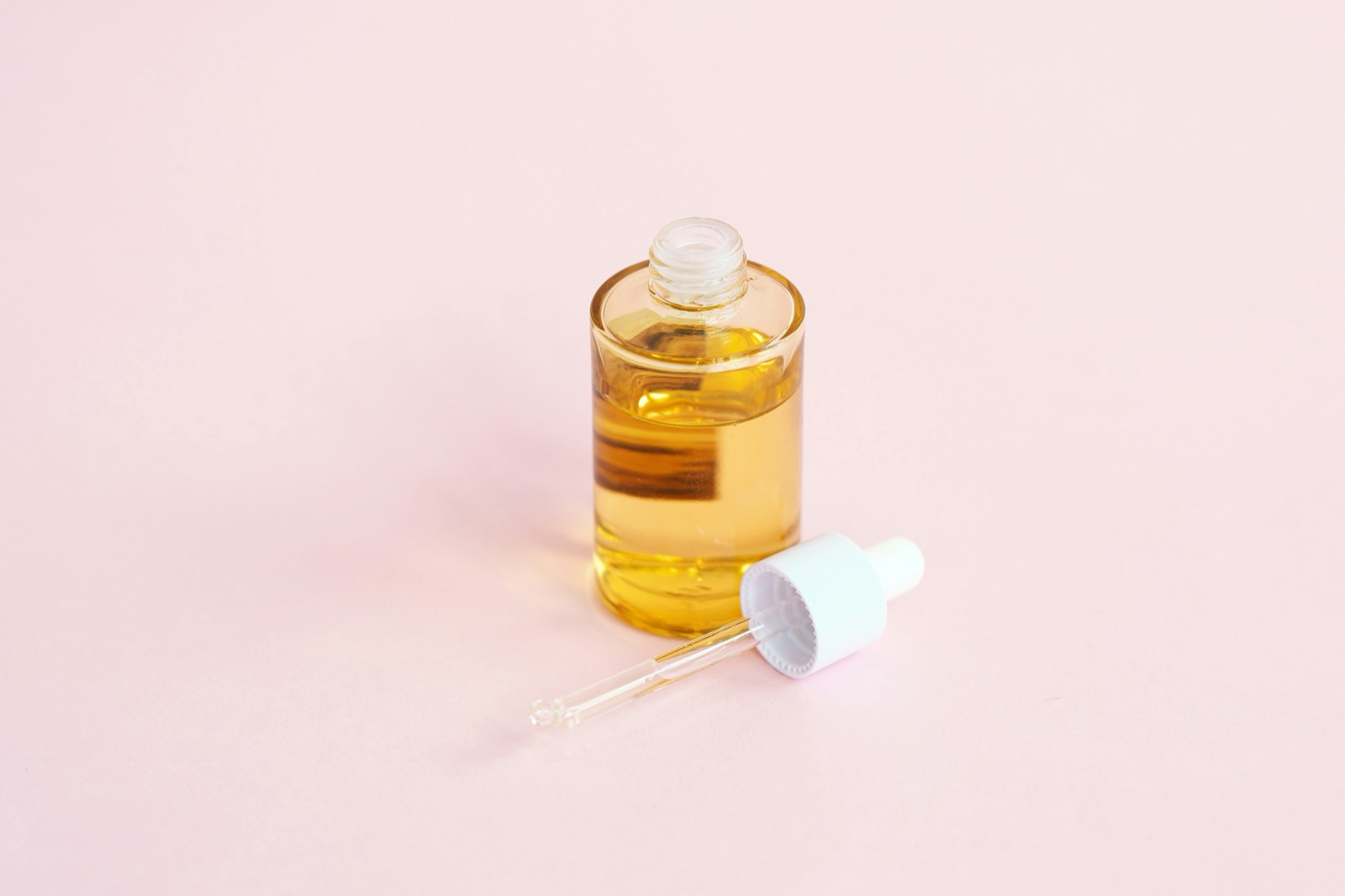
The first step employs a cleansing oil, balm, or gel-oil. Formulated with lightweight plant oils (such as squalane, rice bran oil, or jojoba) and gentle non-ionic emulsifiers, this product is massaged onto completely dry skin. The oil binds to waterproof sunscreens and hardened sebum plugs (kakusen), lifting them out of follicular openings.
The critical phase of Step 1 is emulsification (nyuuka). When you introduce a small splash of lukewarm water to the oil on your face, the formula turns into a milky white liquid. This chemical transition encapsulates the dissolved oil and makeup into microscopic water-soluble droplets, allowing the entire mixture to rinse away cleanly without leaving a greasy film.
Step 2: The Micro-Foam Cushion (Awadachi)
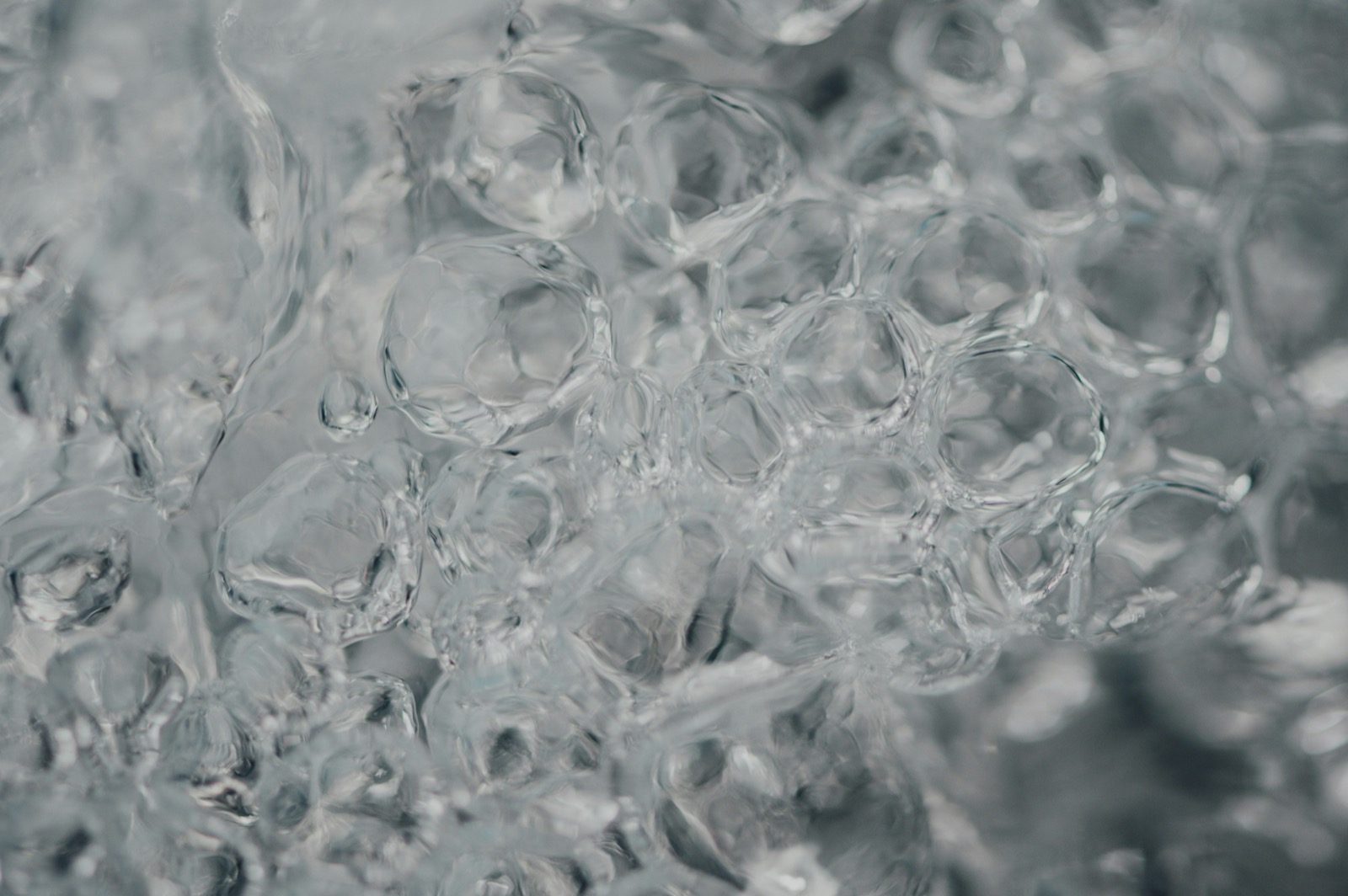
The second step utilizes a water-based foaming wash, cleansing powder, or whip cleanser. In Japanese skincare, foaming cleansers are never lathered directly against the face. Instead, the product is whipped in wet palms (often using a foaming net or awa-date netto) until it forms a dense, elastic meringue containing millions of microscopic bubbles.
This micro-foam acts as a physical shock absorber (kushon). When smoothed over your face, your hands never physically touch your skin; rather, the buoyant bubbles roll across your contours, drawing out sweat salts and residual water-soluble impurities through surface tension alone.
Proper rinsing and gentle drying are critical to preserving this newly cleansed surface. As advised by the American Academy of Dermatology, rinse with lukewarm water and pat dry with a soft towel[1]. Avoid harsh towel rubbing that can undo the benefits of friction-free cleansing.
Step-by-Step Tutorial: Performing the Ritual Correctly
Executing the Japanese double cleansing ritual correctly takes less than three minutes and ensures flawless results.

Phase 1: Oil Cleansing (Evening Only)
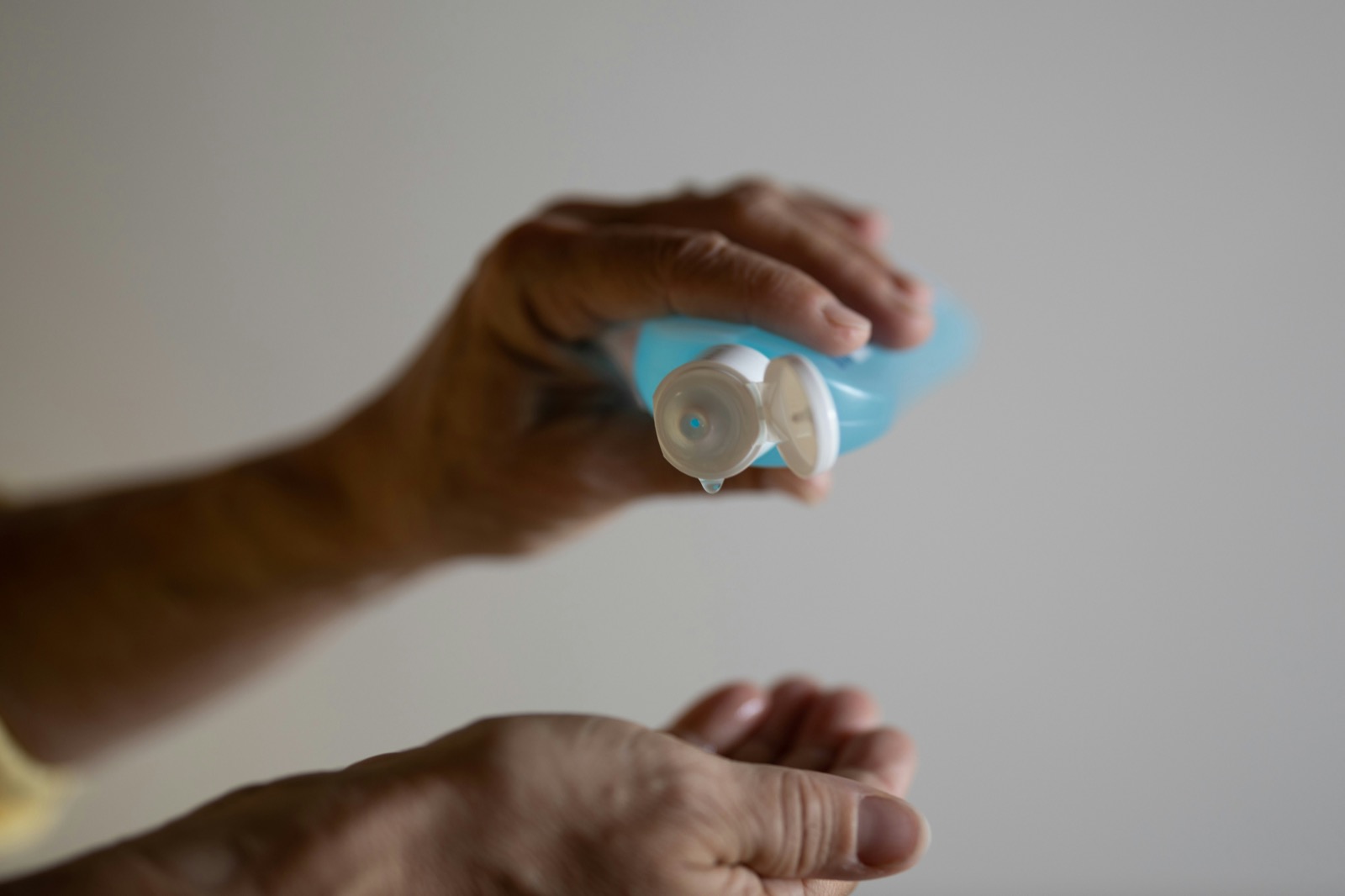
- Start with Dry Hands and Dry Face: Dispense 2 to 3 pumps of cleansing oil (or a nickel-sized dollop of balm) into clean, dry palms. Applying oil to damp skin causes premature emulsification, preventing it from binding to makeup.
- Smooth Gently Across Contours: Glide your flat fingers across your cheeks, forehead, nose, and chin for 30 to 45 seconds using featherlight circular sweeps. Focus on areas prone to congestion, such as the sides of the nose and chin crease.
- Emulsify with Lukewarm Water: Wet your hands with a small splash of lukewarm water (32–34°C) and massage your face again. The clear oil will instantly turn milky white. Continue massaging for 10 seconds until the formula feels watery and completely dissolved.
- Rinse Thoroughly: Splash your face with lukewarm water 5 to 6 times until the milky emulsion rinses away.
Phase 2: Micro-Foam Washing
- Whip a Dense Foam Cloud: Squeeze a coin-sized amount of foaming wash into wet hands or onto a damp foaming net. Rub vigorously with water until you produce a firm ball of foam roughly the size of a tennis ball that does not drip.
- Apply the Foam Cushion: Place the foam cloud onto your face. Using your palms to press and roll the foam, guide the bubbles across your skin. Ensure your fingertips never directly scratch or drag across the skin surface.
- Rinse with 20 Lukewarm Splashes: Rinse thoroughly with lukewarm water. Pay close attention to your hairline, jawline, and the hollows beside your nose.
- Pat Dry with a Fresh Towel: Press a clean, soft cotton towel gently against your skin to absorb moisture without lateral wiping.
Dermatological guidance highlights the importance of immediate post-wash hydration. As noted by the American Academy of Dermatology, be sure to apply your moisturizer when your skin is still damp after taking a shower or bath, after washing your hands, and when your skin feels dry[2]. Follow within 60 seconds with your favorite hydrating toner.
Double Cleansing by Skin Type: Customizing Your Routine
While the double cleansing method suits almost every complexion, choosing the right formulation pairing ensures your specific barrier remains balanced.

Scroll horizontally to view full table
| Skin Type | Recommended First Cleanser | Recommended Second Cleanser | Morning Cleansing Guidance |
|---|---|---|---|
| Dry & Sensitive Skin | Pure plant-oil cleansing balm or squalane oil rich in ceramides. | Low-pH, amino-acid foaming wash; non-stripping micro-foam. | Lukewarm water splash only; skip foaming wash in the morning. |
| Oily & Acne-Prone Skin | Lightweight, fast-emulsifying fluid oil with jojoba or rice bran. | Clarifying foaming wash or gentle enzyme wash powder (*kouso*). | Gentle foaming wash to clear oxidized overnight sebum. |
| Combination Skin | Balancing gel-to-oil cleanser or lightweight cleansing oil. | Hydrating milk-foam cleanser with hyaluronic acid. | Foam central T-zone only; rinse perimeter with water. |
| Mature Skin | Nourishing cleansing cream or camellia-infused balm. | Essence-rich foaming wash fortified with collagen peptides. | Gentle hydrating lotion wipe or lukewarm water rinse. |