Japanese Cleansing Oil for Sensitive Skin: Mild Guide
CleansingBy Miho Tanaka
title: Japanese Cleansing Oil for Sensitive Skin: Mild Guide
meta_description: Discover gentle Japanese cleansing oils for sensitive skin. Learn barrier-safe oil bases, mild emulsifiers, and friction-free washing techniques.
affiliate: false
Japanese Cleansing Oil for Sensitive Skin: Mild Guide
If you live with reactive skin, shopping for a facial cleanser often feels like walking a tightrope. Traditional foaming washes frequently leave your cheeks tight, parched, and stinging, while micellar waters and makeup wipes demand continuous rubbing that provokes flushing and redness. Many individuals with delicate barriers assume that cleansing oils are too heavy, clogging, or irritating for sensitive complexions.
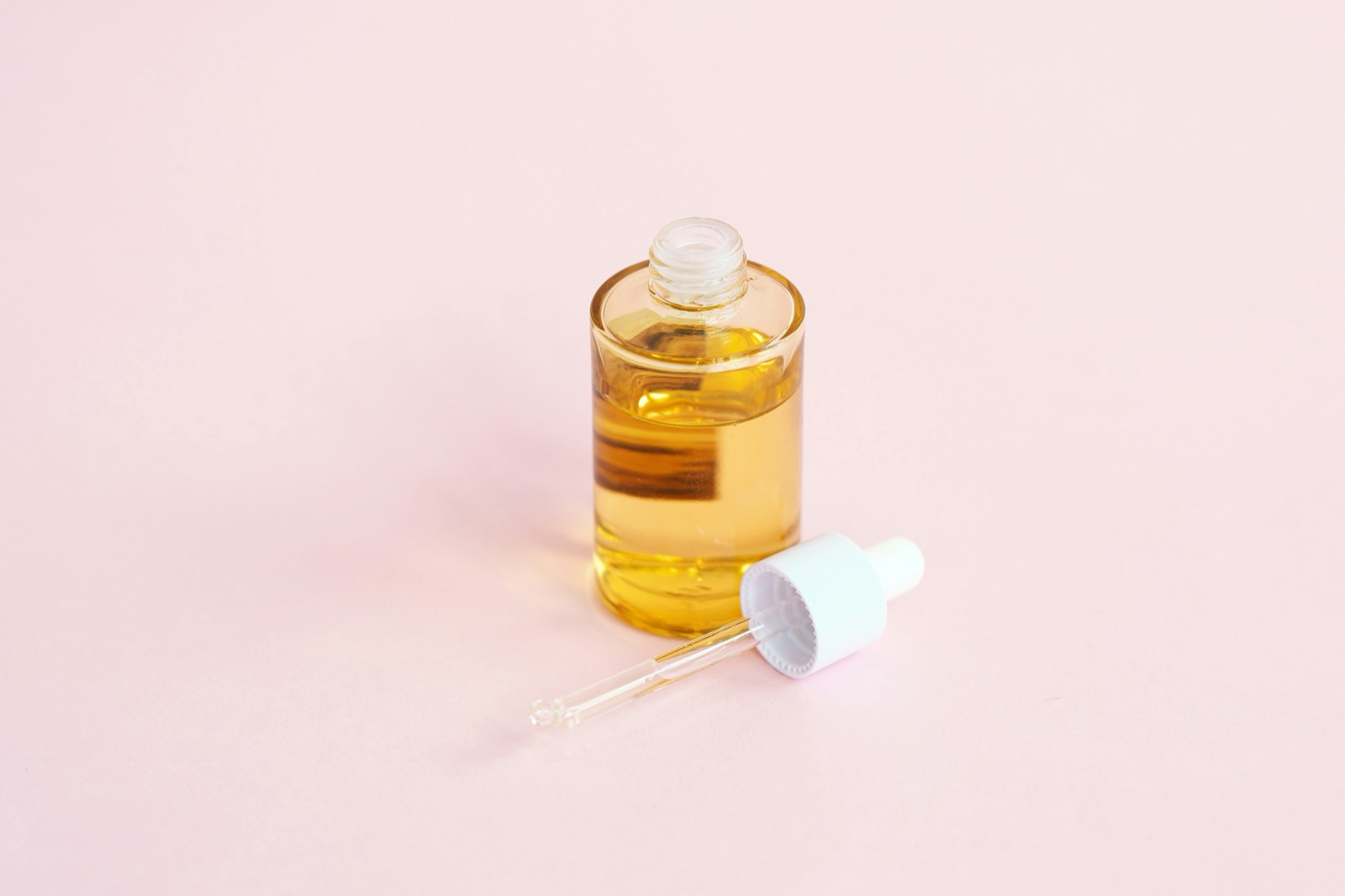
In Japanese dermatology, however, a well-formulated Japanese cleansing oil for sensitive skin is considered one of the gentlest ways to cleanse. Japanese skincare formulation prioritizes friction-free glide (masatsu-resu) and low-irritation lipid chemistry. By dissolving makeup, pollution, and water-resistant sunscreen through lipophilic affinity rather than aggressive surfactants or mechanical scrubbing, cleansing oils safeguard your moisture barrier while keeping reactivity at bay.
Quick answer: The ideal Japanese cleansing oil for sensitive skin pairs mild, low-reactivity lipid bases (such as high-purity squalane, rice bran oil, or gentle synthetic esters) with non-ionic emulsifiers that rinse completely without rubbing. Avoid drying alcohols, synthetic fragrances, and essential oils. Always apply generous cushioning oil to dry skin, emulsify with lukewarm water until milky, and rinse gently to maintain healthy barrier function.
Why Sensitive Skin Thrives on Oil Cleansing
Conclusion: Cleansing oils provide a fluid cushion that removes stubborn waterproof sunscreen and sebum without mechanical rubbing or harsh detergent stripping.
Sensitive and redness-prone skin is defined by an impaired epidermal barrier. When the intercellular lipid matrix of the stratum corneum is depleted, microscopic allergens and irritants easily reach living skin cells, triggering tingling, tightness, and flare-ups.
Cleansing typically harms sensitive barriers in two distinct ways:
Detergent Stripping: Strongly foaming facial soaps strip away the skin's natural moisturizing factor (NMF) and intercellular ceramides, worsening trans-epidermal water loss.
Physical Friction (Masatsu): Wiping the face with cotton rounds, cleansing wipes, or washcloths exerts mechanical drag against fragile surface cells, causing micro-tears and inflammatory erythema.
Japanese cleansing oils help minimize both concerns. Oil molecules glide smoothly across facial contours, creating an elastic barrier between your fingers and delicate skin. Because lipophilic oils solubilize waterproof sunscreen and oxidized sebum effortlessly, you never need to apply physical pressure to achieve clean skin.
Formulating for Reactivity: Safe Lipid Bases and Additive-Free Standards
Conclusion: Mild synthetic ester bases and purified plant squalane offer optimal cleansing slip while minimizing skin reactivity for hyper-sensitive complexions.
Not every oil cleanser is suitable for sensitive skin. Traditional heavy plant oils (such as unrefined olive oil or pure coconut oil) can feel occlusive or contain natural allergens. Japanese skincare brands develop mild cleansing oils tailored for reactive skin through rigorous additive-free (mutenka) testing.
Substantial physical cushion; completely inert and non-reactive
Virtually zero; does not interact chemically with living epidermal tissue
Severely sensitized barriers unable to tolerate botanical oils
When reviewing Japanese ingredient labels, look for formulations that avoid the "big four" common triggers:
No Synthetic Fragrances or Essential Oils: Natural scents like lavender, citrus, and eucalyptus oil are frequent sensitizers for compromised barriers.
No Drying Alcohols: Guidelines from the American Academy of Dermatology emphasize to "Use a gentle, non-abrasive cleanser that does not contain alcohol"[1]. Denatured alcohol dehydrates the outer barrier and prompts burning sensations.
No Artificial Colorants or Dyes: Pure cleansing oils should appear clear or naturally tinted by gentle plant extracts.
Gentle Non-Ionic Surfactants: Mild emulsifiers such as PEG-20 glyceryl triisostearate or polyglyceryl-10 diisostearate enable clean water rinsing without stripping stratum corneum ceramides.
Friction-Free Application and Rinsing Ritual
Conclusion: Using ample product, moving with light fingertip pressure, and emulsifying with lukewarm water prevents friction damage and residual surfactant film.
Proper technique is essential when cleansing sensitive skin. Skimping on product or rubbing aggressively can turn even the gentlest formula into an irritant.
Step 1: Dispense a Generous Cushion (3 Pumps)
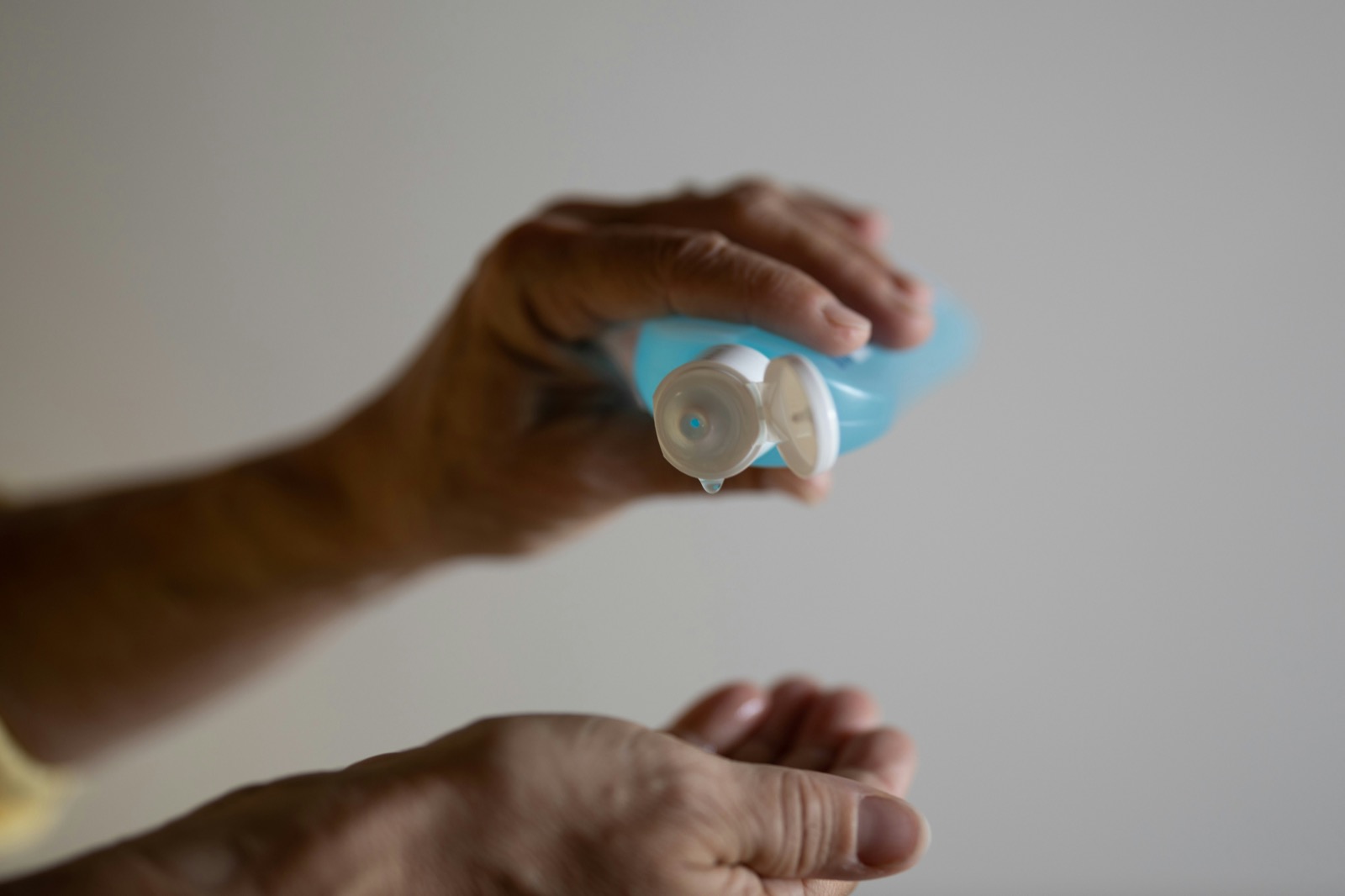
Always apply cleansing oil with completely dry hands to a dry face. For sensitive skin, dispense 3 full pumps of oil. Skimping on cleanser creates friction because your fingers will drag directly against the epidermal surface. A generous volume ensures a buoyant liquid cushion (kushon) between your skin and fingers.
Smooth the oil across your forehead, cheeks, and nose using only the soft pads of your middle and ring fingers. Move in light, sweeping circles without applying downward pressure.
Dermatologists offer clear advice on cleansing intensity. According to guidelines from the American Academy of Dermatology, "Resist the temptation to scrub your skin because scrubbing irritates the skin"[1]. Limit your oil cleansing contact time to between 30 and 45 seconds to dissolve makeup without over-working the skin.
Step 3: Emulsify with Lukewarm Water (Nyuuka)
Wet your hands with a few drops of lukewarm water and gently sweep them over your face. The oil will immediately transform into a milky white emulsion. This critical step breaks down the oil into water-soluble micro-droplets, ensuring that all sunscreen and makeup particles lift off without leaving a film.
Step 4: Rinse Thoroughly and Pat Dry
Splash your face with lukewarm water (ideally 32°C to 34°C) 10 to 12 times until the skin feels soft, clean, and supple. As highlighted by the American Academy of Dermatology, "Rinse with lukewarm water and pat dry with a soft towel"[1]. Never use hot water, which dissolves protective intercellular lipids, and avoid dragging towels across your face.
Post-Cleansing Calming and Barrier Reinforcement
Conclusion: Applying hydrating lotions and barrier creams immediately after rinsing locks in vital moisture before trans-epidermal water loss can occur.
The moments immediately following your cleanse represent a crucial window for sensitive skin. Once the face is rinsed, water begins evaporating from the surface of the stratum corneum within seconds.
Dermatologists stress the value of timing when applying skincare. The American Academy of Dermatology recommends: "Be sure to apply your moisturizer when your skin is still damp after taking a shower or bath, after washing your hands, and when your skin feels dry"[2].
Furthermore, even individuals managing reactive combination skin require post-cleansing hydration. The American Academy of Dermatology emphasizes: "DO apply moisturizer after cleansing. Although you have oily skin, it is still important to apply moisturizer to keep your skin hydrated"[3].
To shield sensitive skin post-cleansing, follow this Japanese layering sequence:
Calm with Hydrating Lotion: Pat a fragrance-free, alcohol-free Japanese hydrating lotion packed with soothing ingredients like dipotassium glycyrrhizate, allantoin, and hyaluronic acid into slightly damp skin. For proper application methods, refer to how to use Japanese hydrating lotion.
Rethink Double Cleansing: If you have dry or hyper-sensitive skin, a second foaming wash is often unnecessary after a high-rinsing Japanese cleansing oil. To decide if your skin requires a second step, explore the Japanese double cleansing method.
Lock In with Ceramides: Seal the surface with a gentle emulsion or barrier cream formulated with human-type ceramides (Ceramide NP, AP, EOP) to support your natural defense against environmental stressors.
What to Avoid: 4 Cleansing Mistakes for Reactive Skin
Conclusion: Avoiding excessive face massage, hot water, makeup wipes, and unverified formulas prevents avoidable flare-ups and irritation.
Persistent redness prompts many into counterproductive routines. To protect sensitive facial skin, avoid these four common pitfalls:
Using Cleansing Wipes as a Routine Staple: Wipes require continuous mechanical friction that shears delicate corneal cells and leaves behind concentrated surfactant residue that causes stinging.
Prolonged Facial Massage: Massaging cleansing oil for several minutes in an attempt to dislodge deep plugs can overstimulate facial blood vessels and trigger rosacea flare-ups. Keep oil application under 60 seconds.
Washing with Hot Water: Steaming shower water dissolves the lipid matrix holding your stratum corneum together, causing immediate tightness and reactive flushing.
Skipping the 24-Hour Patch Test: Never introduce a new oil cleanser across your whole face without testing it first on your inner forearm or behind your ear.
Signs to Stop and When to Consult a Doctor
Conclusion: Discontinue cleanser use immediately if you develop burning, swelling, or persistent rashes, and seek medical advice from a dermatologist.
While gentle Japanese cleansing oils undergo allergy and stinging evaluations, any individual barrier can react unexpectedly to a new topical formulation:
Immediate Stinging or Prickling: A sharp burning sensation during application indicates barrier compromise or acute ingredient intolerance. Rinse immediately with cool water.
Contact Dermatitis Flare-Ups: If you experience localized swelling, red hives, or intensely itchy patches hours after cleansing, stop using the product.
Active Rosacea or Eczema Outbreaks: Inflamed eczema plaques, open fissures, or severe pustular rosacea require specialized clinical evaluation by a licensed dermatologist rather than cosmetic facial cleansers.
Always conduct a 24-hour patch test on your jawline or inner forearm before incorporating any new cleansing oil into your daily routine.
Summary: Essential Rules for Sensitive Skin Cleansing
Gentle cleansing does not require sacrificing makeup-clearing efficacy. Japanese cleansing oils provide an ideal balance of gentle solvency and barrier comfort for sensitive skin:
Friction-Free Philosophy: Cleansing oils supply fluid cushion glide (masatsu-resu), removing sunscreen and debris without surface drag.
Choose Additive-Free Formulas: Seek gentle synthetic esters or purified squalane while avoiding alcohol, synthetic fragrances, and essential oils.
Always Emulsify (Nyuuka): Activate the cleanser with a splash of lukewarm water to transform it into a milky emulsion that rinses away cleanly without residue.
Moisturize While Damp: Apply your soothing lotion and ceramide cream immediately following towel patting to lock in hydration.
FAQ
Q1. Can Japanese cleansing oils cause breakouts on sensitive, acne-prone skin?
A. Formulations created for sensitive skin utilize lightweight ester bases or purified squalane designed not to congest pores, paired with thorough emulsifiers. (Details)
Formulations created for sensitive skin utilize lightweight ester bases or purified squalane designed not to congest pores, paired with thorough emulsifiers. As long as you emulsify the oil completely with lukewarm water until milky and rinse well, it removes acne-provoking oxidized sebum without clogging pores or triggering irritation.
Q2. Is double cleansing necessary if I have sensitive or dry skin?
A. Not always. If you wear light mineral sunscreen or light makeup, a high-rinsing, fragrance-free Japanese cleansing oil is often sufficient as a single-step evening cleanser. (Details)
Not always. If you wear light mineral sunscreen or light makeup, a high-rinsing, fragrance-free Japanese cleansing oil is often sufficient as a single-step evening cleanser. Adding a second foaming wash can needlessly strip lipids from sensitive skin barriers.
Q3. How can I tell if a Japanese cleansing oil is genuinely fragrance-free?
A. Look for products labeled mutenka (additive-free) and verify the ingredient list. (Details)
Look for products labeled *mutenka* (additive-free) and verify the ingredient list. Ensure there are no synthetic perfumes (*fragrance/parfum*) or fragrant essential oils such as lavender, bergamot, orange peel, or tea tree oil, which are common irritants for sensitive skin.
Q4. What water temperature is safest for cleansing sensitive skin?
A. Lukewarm water between 32°C and 34°C is ideal. (Details)
Lukewarm water between 32°C and 34°C is ideal. Water that feels pleasantly warm to your hands is often too hot for delicate facial skin, where high temperatures dissolve protective ceramides and induce reactive blood vessel dilation.
Q5. Can I use a cleansing oil if I have active rosacea or facial redness?
A. Yes, provided the formula is free from alcohol, menthol, and essential oils. (Details)
Yes, provided the formula is free from alcohol, menthol, and essential oils. The gentle glide of cleansing oil avoids the mechanical irritation of cotton pads or harsh detergents. However, if your rosacea is currently flaring with burning pustules or broken skin, consult your dermatologist before introducing new cosmetic products.
Disclaimer: This article is for general information and education about Japanese cosmetics and their labels. It is not a substitute for professional medical advice, diagnosis, or treatment. Skincare results vary from person to person. Product formulas, availability, prices, and regulations change, and products sold in Japan can differ from versions sold elsewhere, so always check the current label. Do a patch test before introducing a new product, and consult a doctor or dermatologist if you have a skin condition or specific concerns.