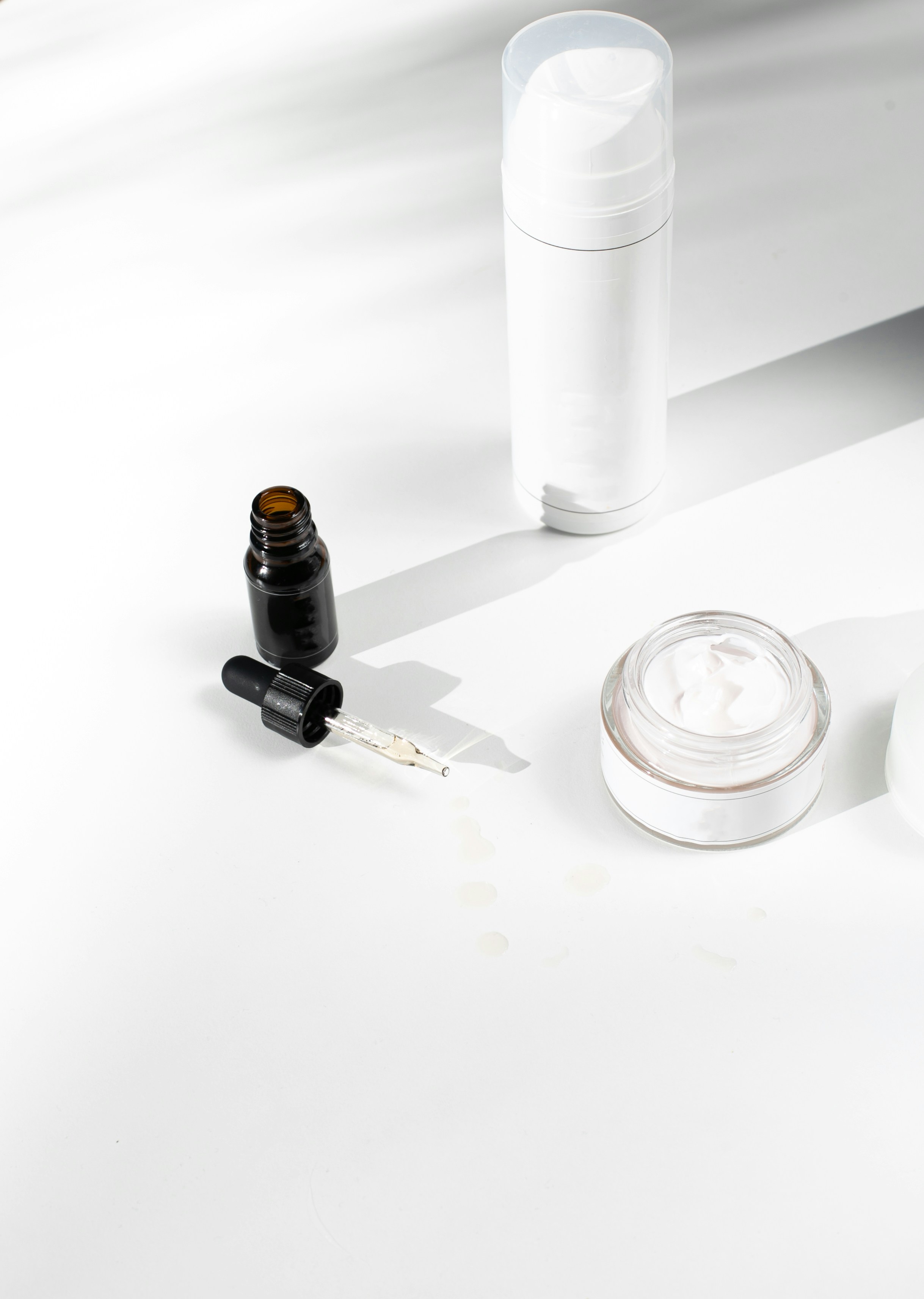
title: "How to Soothe Red Irritated Skin: Japanese Method Guide" description: "Learn how to soothe red irritated skin using Japanese skincare methods. Discover minimal subtractive routines, friction-free techniques, and calming barrier tips." category: "concerns" slug: "how-to-soothe-red-irritated-skin-japanese-method" hero_image: "/images/stock/sensitive-lotion-ingredient-dropper-bottle.webp" hero_image_alt: "Minimalist soothing skincare dropper bottle representing gentle Japanese methods for red irritated skin" published_at: "2026-11-20" last_modified_at: "2026-11-20"
How to Soothe Red Irritated Skin: Japanese Method Guide
When skin suddenly turns flushed, tight, and hypersensitive to products you normally tolerate, western skincare culture often tempts people to add "calming" serums, multi-step sheet masks, or heavy soothing oils. In Japan, dermatologists and cosmetic chemists advocate the exact opposite approach: subtractive skincare (hikisangata care).
Japanese skincare recognizes this volatile state as yuragi-hada (fluctuating or unstable skin)—a condition where seasonal shifts, pollen, dry indoor air, or over-exfoliation temporarily compromise the stratum corneum barrier. Rather than bombarding sensitized skin with numerous active botanicals, the traditional Japanese method strips your routine down to gentle, friction-free essentials that allow your natural barrier to recover its equilibrium.
To soothe red, irritated skin using Japanese methods, immediately pause potent actives (retinoids, vitamin C, chemical acids) and adopt a 2-step minimalist reset. Wash only with lukewarm water or a gentle amino acid cleanser, press an alcohol-free soothing lotion containing Dipotassium Glycyrrhizate or Allantoin into skin using cupped palms (zero rubbing), and seal with a pure ceramide emulsion or white petrolatum. If redness persists with burning, seek dermatological evaluation.
The Japanese Concept of "Yuragi-Hada" (Fluctuating Skin)
In Japanese beauty vocabulary, yuragi refers to gentle swaying or instability. Japanese dermatological culture uses the term yuragi-hada to describe skin that is normally healthy but experiences sudden episodes of reactivity:
- Seasonal Transitions: Sudden swings in outdoor humidity and springtime pollen exposure (kafun).
- Thermal Shocks: Stepping from freezing outdoor winds into aggressively heated train cars or apartments.
- Barrier Overload: Exhaustion triggered by aggressive chemical exfoliation, fragrance overuse, or mechanical cleansing friction.
During these episodes, the epidermal lipid matrix destabilizes. Research in PLOS ONE affirms: 'The stratum corneum (SC) provides a permeability barrier that limits the inflow and outflow of water.'[1] When this barrier develops micro-fissures, moisture rapidly evaporates and everyday environmental elements trigger tingling sensations and blotchy redness (akami).
Conclusion: Yuragi-hada is a temporary barrier vulnerability where external stressors trigger reactivity, requiring gentle stabilization rather than aggressive intervention.
Step 1: Subtractive Skincare (Hikisangata Care)
The cornerstone of the Japanese method is knowing what to remove from your vanity. When skin is red and stinging, every additional ingredient—even natural plant extracts—represents a potential antigen.
Ingredients to Pause Immediately:
- Prescription and OTC Retinoids: Vitamin A compounds increase cellular turnover, which can overwhelm a compromised barrier.
- Exfoliating Acids (AHA, BHA, PHA): Chemical exfoliants dissolve intercellular bonds when cells desperately need cohesion.
- Pure L-Ascorbic Acid (Vitamin C): Formulated at low, acidic pH levels that sting sensitive tissue.
- Denatured Alcohol and Essential Oils: Volatile drying agents and complex aromatic terpenes frequently provoke allergic contact dermatitis.
- Physical Scrubs and Cleansing Brushes: Avoids mechanical friction (masatsu) entirely.
Conclusion: Halting aggressive actives and fragrance-heavy formulations prevents further stress on the inflamed stratum corneum.
Step 2: Friction-Free Application: The "Te-Ate" Palm Pressing Technique
In Japan, friction (masatsu) is considered the primary physical accelerator of skin redness and barrier breakdown. Japanese aestheticians adhere strictly to the philosophy of te-ate (literally "placing hands," a traditional term for soothing care).
How to Practice Zero-Friction Care:
- Never Rub or Swipe: Discard cotton pads, rough washcloths, and aggressive swiping motions.
- Warm Between Palms: Dispense 3 to 4 drops of a gentle, watery lotion into your clean palms. Gently press your hands together to warm the liquid to body temperature.
- Envelop with Gentle Pressure: Place your palms flat against your cheeks, forehead, and chin. Hold each position for 5 seconds using gentle, non-shifting pressure. The natural warmth of your hands encourages absorption without stretching the epidermis.
[Pause All Potent Actives]
           │
           ▼
[Lukewarm Water or Fragrance-Free Amino Wash]
           │
           ▼
[Warm Soothing Lotion in Palms]
           │
           ▼
[Press Flat Palms Gently for 5 Seconds (Zero Drag)]
           │
           ▼
[Seal with Ceramide Emulsion or White Petrolatum]
Conclusion: Using flat palm pressing (te-ate) transfers moisture via gentle thermal contact, avoiding mechanical drag that exacerbates redness.
Approved Japanese Calming Ingredients for Reactive Skin
Under Japanese pharmaceutical standards, skincare products formulated to soothe irritation are registered as Quasi-Drugs (Iyakubugaihin). These formulations contain government-approved active ingredients proven to reduce surface reactivity without steroid risks:
Scroll horizontally to see full details
| Approved Active Ingredient | Natural / Chemical Source | Primary Skin Mechanism | Ideal Reactive Scenario | Texture Profile |
|---|---|---|---|---|
| Dipotassium Glycyrrhizate (*Kanzo Ekisu*) |
Licorice root (*Glycyrrhiza glabra*) | Inhibits surface inflammatory pathways; calms burning sensations | Sunburn aftermath, windburn, flush redness | Watery, clear, non-sticky |
| Allantoin | Comfrey plant / Bio-synthesis | Promotes healthy epidermal conditioning; smooths rough micro-scales | Flaking skin, razor burn, chapping | Weightless aqueous feel |
| Human-Identical Ceramides (Ceramides NP, AP, EOP) |
Bio-fermented yeast | Replenishes missing intercellular lipids to seal barrier micro-cracks | Extreme dehydration, barrier fatigue | Milky emulsion or light balm |
| High-Purity White Petrolatum (*Sunwhite / Vaseline*) |
Ultra-refined mineral paraffin | Inert physical shield preventing 99% of transepidermal water loss | Intense stinging where lotions burn | Pure protective ointment |