title: "Fragrance-Free and Hypoallergenic Japanese Skincare Guide" description: "Discover fragrance-free and hypoallergenic Japanese skincare. Learn allergy-tested standards, ceramide barrier support, and top drugstore sensitive picks." category: "concerns" slug: "fragrance-free-and-hypoallergenic-japanese-skincare" hero_image: "/images/stock/skincare-minimal-bottles-dropper-set.jpg" hero_image_alt: "Minimalist fragrance-free Japanese skincare bottles on a soothing white background" published_at: "2026-11-20" last_modified_at: "2026-11-20"
Fragrance-Free and Hypoallergenic Japanese Skincare Guide
For individuals navigating compromised skin barriers, rosacea, or allergic contact dermatitis, finding effective skincare that does not trigger burning or redness can be an exhausting challenge. In Western beauty aisles, 'fragrance-free' products often have clinical medicinal scents or heavy greasy textures that feel uninspired to use.
Japanese sensitive skincare (teishigeki-seikatsu) operates under a fundamentally different paradigm. Formulated with exquisite texture aesthetics, brands like Curél, Minon Amino Moist, and Freeplus deliver weightless, silky hydration without synthetic fragrances, drying alcohols, parabens, or colorants.
Japanese fragrance-free and hypoallergenic skincare complies with rigorous third-party patch testing (kahi-test) and sting testing on sensitive human panels. Free from artificial perfumes, denatured alcohol, and harsh emulsifiers, these formulas utilize pseudo-ceramides, squalane, and amino acids to repair the stratum corneum without triggering contact dermatitis or burning.
Decoding Japanese Hypoallergenic Labels: Muko-ryo vs Teishigeki
Understanding Japanese sensitive packaging requires decoding key regulatory and industry terms:
- Muko-ryo (Fragrance-Free): Contains no added synthetic perfumes or masking fragrances. Any subtle scent comes solely from raw botanical lipids or amino acids.
- Teishigeki (Low Irritation): Formulated at physiological skin pH (pH 5.0 to 5.5) using mild surfactants and biocompatible lipids.
- Allergy Tested (Arerugi-tesuto-zumi): Subjected to repeated human insult patch testing (RIPT) under dermatological supervision.
- Stinging Tested (Sutingingu-tesuto-zumi): Evaluated on individuals with self-reported stinging sensitivity to verify zero sensory irritation.
Research in PLOS ONE affirms: 'The stratum corneum (SC) provides a permeability barrier that limits the inflow and outflow of water.'[1] Fragrance-free formulas respect this exact permeability barrier by removing volatile fragrance allergens.
The Role of Pseudo-Ceramides and Amino Acid Complexes
When skin becomes chronically sensitive, the root cause is almost always an intercellular ceramide deficiency. Japanese sensitive skincare pioneers (such as Kao's Curél research division) developed patented synthetic pseudo-ceramides (like cetyl-PG hydroxyethyl palmitamide).
These biocompatible lipids slot into the lipid matrix between corneocyte cells, halting transepidermal water loss and preventing environmental irritants from penetrating into living epidermal layers. Coupled with nine skin-identical amino acids (in Minon Amino Moist), these regimens restore natural resilience without triggering immune responses.
Overview Comparison
| Brand / Line | Core Barrier Active | Fragrance Status | Dermatological Certifications |
|---|---|---|---|
| Curél Intensive Moisture | Patented Pseudo-Ceramides | 100% Fragrance-Free | Allergy tested, patch tested, pH balanced |
| Minon Amino Moist | 9 Amino Acids + Ceramide-like Lipids | 100% Fragrance-Free | Stinging tested, allergy tested, color-free |
| Freeplus (Kanebo) | Wakan Botanical Extracts + Niacinamide | 100% Fragrance-Free | Sensitive panel tested, paraben-free |
| Hada Labo Gokujyun | 5 Types of Hyaluronic Acid | 100% Fragrance-Free | Mineral oil-free, alcohol-free, mild acidity |
| d program (Shiseido) | Skin-Microbiome Yeast Extract | 100% Fragrance-Free | Clinical dermatologist evaluated, non-comedogenic |
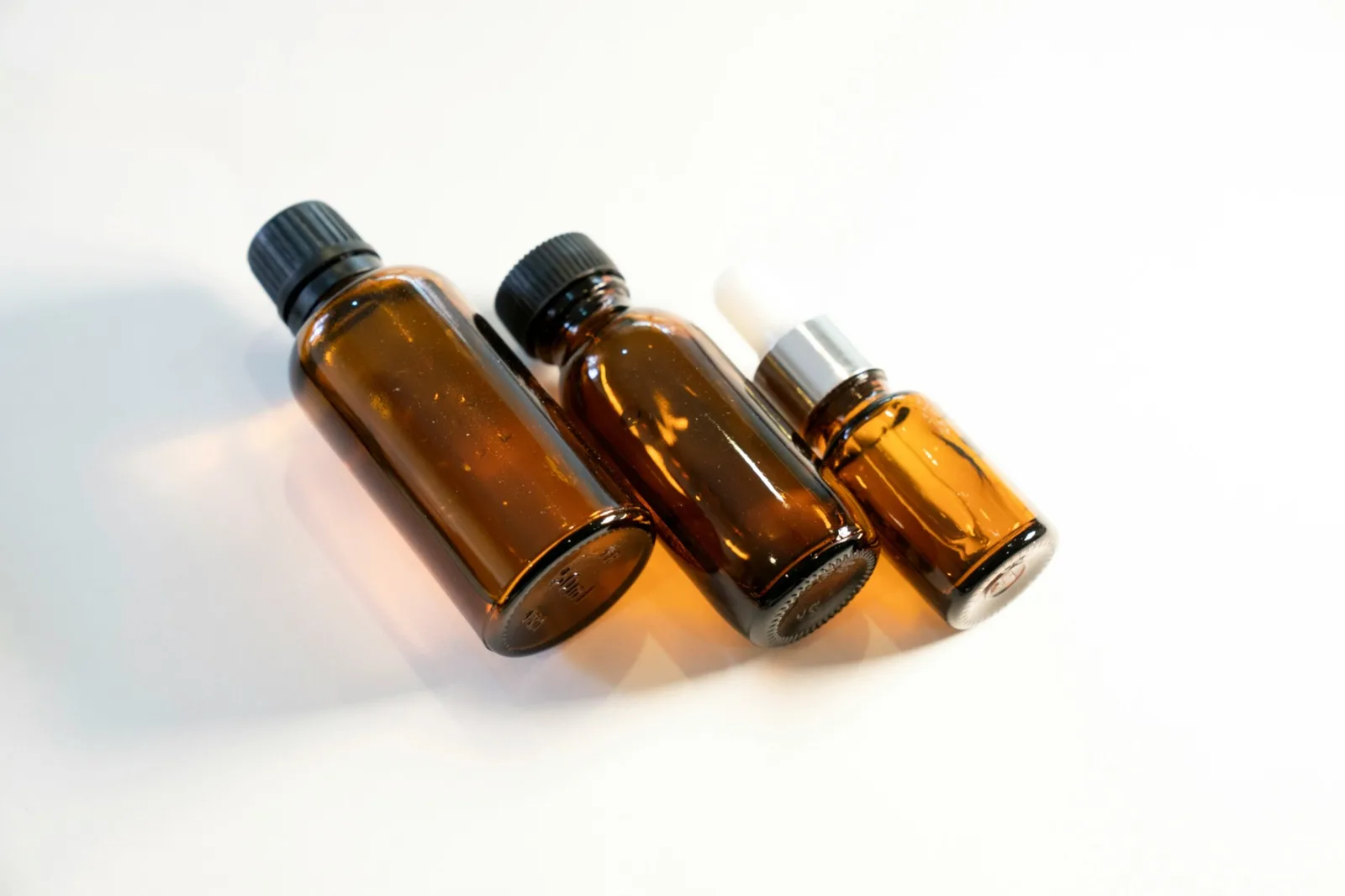
Frictionless Application for Compromised Acid Mantles
Even the purest hypoallergenic formula can trigger redness if applied with rough physical friction. The American Academy of Dermatology provides foundational guidelines for sensitive facial care: 'Use a gentle, non-abrasive cleanser that does not contain alcohol.'[2] Dermatologists advise individuals not to 'scrub your skin because scrubbing irritates the skin.'[2]
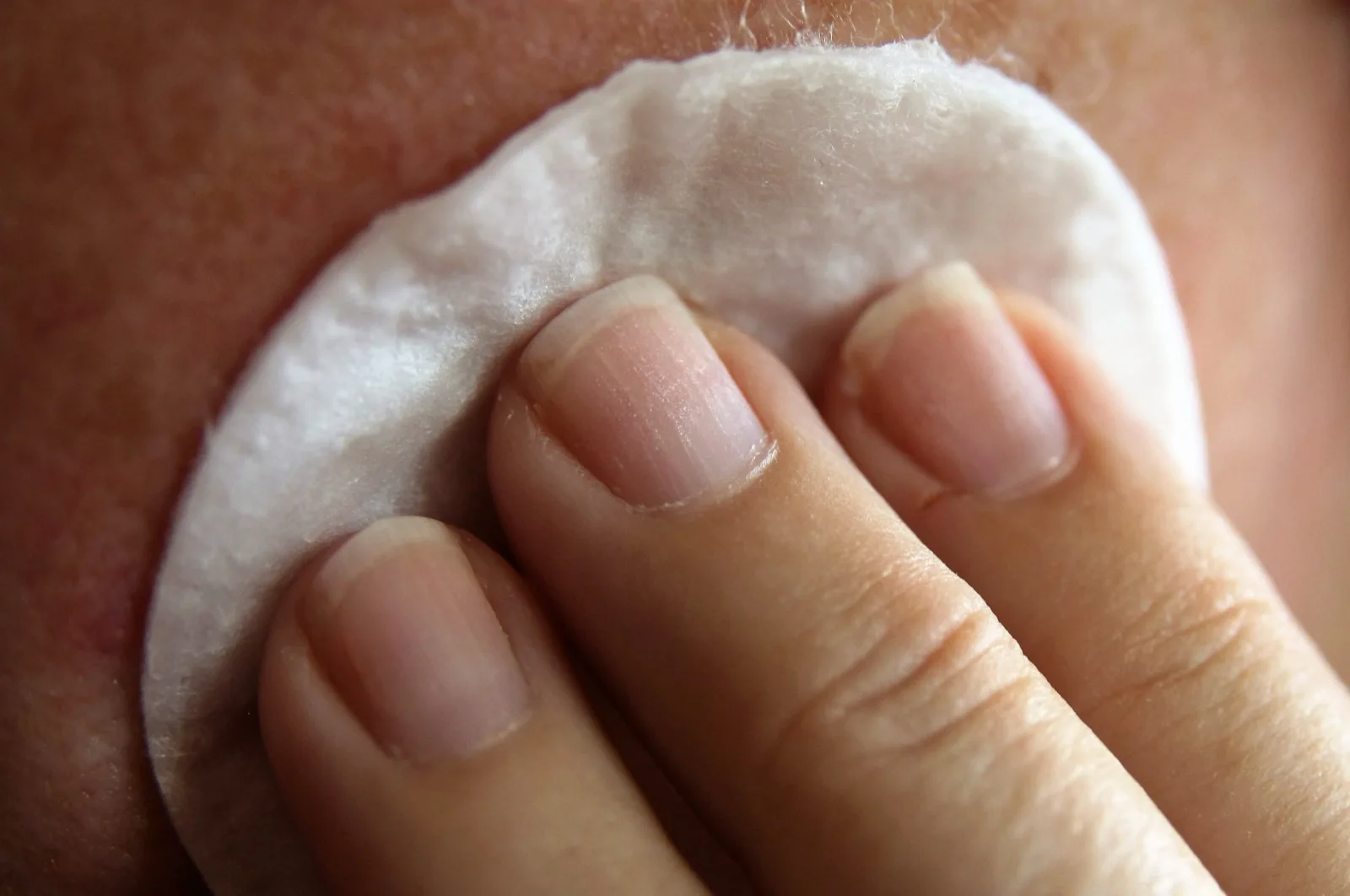
Dispense generous amounts of watery lotion into your cupped palms. Warm the product for two seconds and gently press across your face (hand press) without dragging or rubbing your fingers across fragile skin.
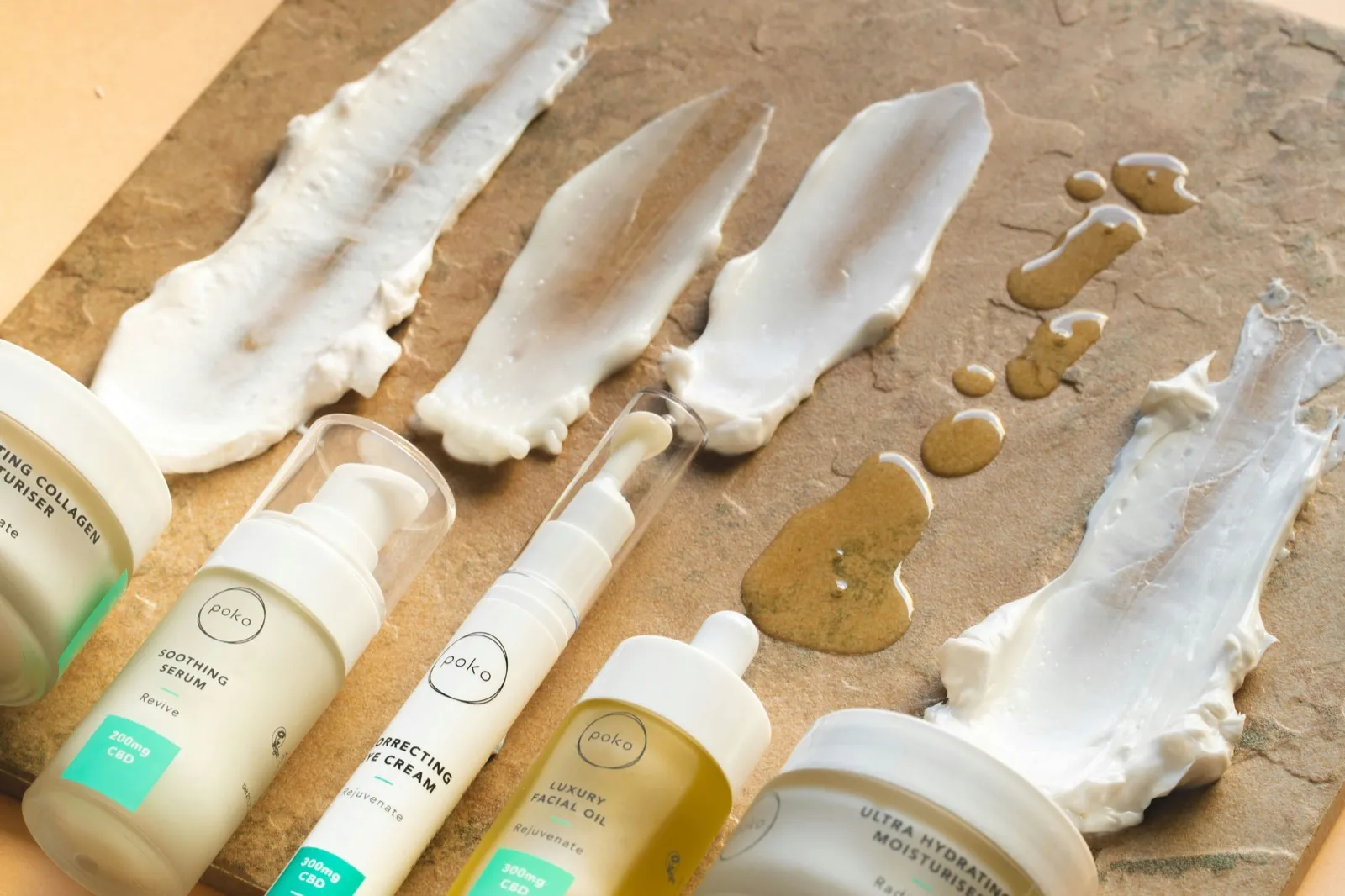
Daily Thermal Management and Moisture Sealing
Thermal hygiene plays a critical role in calming hyper-reactive skin. Follow clinical bathing guidance: 'Limit baths and showers to five to ten minutes, using warm water.'[3] Furthermore, 'Apply moisturizer several times a day. Moisturizer plays a key role in healing dry skin. Be sure to apply your moisturizer when your skin is still damp after taking a shower or bath, after washing your hands, and when your skin feels dry.'[3]
Apply your fragrance-free emulsion or barrier balm within three minutes of washing while your skin retains post-cleansing hydration.
Signs to Stop and When to See a Doctor
- Immediate Erythema or Stinging: If a hypoallergenic product causes sharp burning upon application, rinse thoroughly with cool tap water and suspend use.
- Contact Allergic Eczema: In rare instances, individuals may react to specific botanical extracts. Discontinue use if itchy dry patches spread.
- Chronic Unresolved Dermatitis: Hypoallergenic skincare maintains comfort but cannot replace medical treatment. Consult a board-certified dermatologist if inflammation persists.
FAQ
Q1. What does 'fragrance-free' mean in Japanese cosmetics?
A. It indicates that no synthetic or natural aromatic fragrances were added to the formulation.(Details)
It indicates that no synthetic or natural aromatic fragrances were added to the formulation. Any mild scent comes naturally from base raw ingredients.
Q2. Is 'unscented' the same as 'fragrance-free'?
A. No.(Details)
No. 'Unscented' products often contain masking chemicals to neutralize raw chemical odors, whereas Japanese 'fragrance-free' (muko-ryo) excludes all fragrance chemicals.
Q3. Can acne-prone skin use Japanese sensitive barrier creams?
A. Yes, Japanese sensitive lines like Curél use non-comedogenic pseudo-ceramides that restore hydration without clogging pores.(Details)
Yes, Japanese sensitive lines like Curél use non-comedogenic pseudo-ceramides that restore hydration without clogging pores.
Q4. Why does alcohol-free matter for sensitive skin?
A. Denatured ethanol accelerates evaporation, stripping surface lipids and triggering burning in compromised skin barriers.(Details)
Denatured ethanol accelerates evaporation, stripping surface lipids and triggering burning in compromised skin barriers.
Q5. How do I perform a home patch test on a Japanese product?
A. Apply a dime-sized amount to your inner forearm or behind the ear for 48 hours, observing for redness, itching, or swelling before facial use.(Details)
Apply a dime-sized amount to your inner forearm or behind the ear for 48 hours, observing for redness, itching, or swelling before facial use.
Summary
- Look for Certified Indicators: Choose Japanese cosmetics displaying Muko-ryo (Fragrance-Free), Teishigeki (Low-Irritation), and Allergy-Tested labels.
- Rely on Proven Barrier Lipids: Pseudo-ceramides and amino acid complexes provide deep hydration without triggering allergic flare-ups.
- Handle with Zero Friction: Press products gently using open palms, avoiding abrasive rubbing and harsh shower water.
Disclaimer: This article is for general information and education about Japanese cosmetics and their labels. It is not a substitute for professional medical advice, diagnosis, or treatment. Skincare results vary from person to person. Product formulas, availability, prices, and regulations change, and products sold in Japan can differ from versions sold elsewhere, so always check the current label. Do a patch test before introducing a new product, and consult a doctor or dermatologist if you have a skin condition or specific concerns.
References
- PLOS ONE (2015). Homogeneous transport in a heterogeneous membrane: water diffusion across human stratum corneum in vivo. DOI: 10.1371/journal.pone.0117292. Available from: https://journals.plos.org/plosone/article?id=10.1371/journal.pone.0117292
- American Academy of Dermatology (AAD). Face washing 101. Available from: https://www.aad.org/public/everyday-care/skin-care-basics/care/face-washing-101
- American Academy of Dermatology (AAD). Dermatologists' tips to relieve dry skin. Available from: https://www.aad.org/public/everyday-care/skin-care-basics/dry/dermatologists-tips-relieve-dry-skin