Dry Sensitive Skin: Japanese Barrier Routine Guide
ConcernsBy Miho Tanaka
title: Dry Sensitive Skin: Japanese Barrier Routine Guide
meta_description: Discover the Japanese barrier routine for dry sensitive skin. Learn ceramide replenishment, friction-free cleansing, and daily soothing hydration steps.
published_at: 2026-11-19
updated_at: 2026-11-19
fact_checked_at: 2026-11-19
author: Miho Tanaka
thumbnail: /images/stock/sensitive-skin-dermatology-care-consultation.webp
thumbnail_alt: Skincare consultation showcasing gentle products tailored for dry sensitive skin barrier support
affiliate: false
ja_equivalent: null
publish: false
Dry Sensitive Skin: Japanese Barrier Routine Guide
When your skin feels perpetually tight, rough to the touch, and reactive to sudden temperature changes, your cutaneous moisture barrier is sending a clear distress call. In Japan, this common skin state is recognized as kanso binkanhada (dry sensitive skin). Rather than loading compromised complexions with heavy mineral greases or aggressive active exfoliants, Japanese skincare approaches barrier restoration with a gentle discipline: frictionless cleansing, biomimetic lipid replenishment, and calming quasi-drug botanicals that reinforce the stratum corneum without causing irritation.
Quick answer:
How does a Japanese routine support dry, sensitive skin barriers?
The Japanese approach to dry sensitive skin centers on **frictionless application (*masatsu-less*)** and **biomimetic lipid replenishment**. Instead of heavy occlusive ointments, Japanese routines layer **alcohol-free watery lotions** packed with humectants, followed by **ceramide-rich emulsions** that integrate naturally into intercellular lipid bilayers. Combined with calming quasi-drug actives like **dipotassium glycyrrhizate**, this routine reduces transepidermal water loss (TEWL) and shields delicate nerve endings from everyday environmental stress.
Caring for dry sensitive skin requires gentle barrier replenishment rather than heavy occlusive greases.
The Biological Profile of Dry Sensitive Skin
Conclusion: Dry sensitive skin suffers from severe ceramide depletion and disorganized lipid bilayers, accelerating moisture loss and leaving sensory nerve endings exposed.
In healthy epidermis, corneocytes are bound tightly together by an intercellular lipid matrix consisting roughly of 50 percent ceramides, 25 percent cholesterol, and 15 percent free fatty acids. In dry sensitive skin, this lipid matrix becomes severely depleted:
Scroll horizontally to view the full comparison.
Layer Characteristic
Healthy Skin Barrier
Dry Sensitive Skin (*Kanso Binkanhada*)
Ceramide Density
Dense, orderly lamellar lipid sheets
Disorganized, sparse, and depleted
Transepidermal Water Loss (TEWL)
Low; moisture remains locked inside
High; water rapidly evaporates into ambient air
Sensory Nerve Exposure
Shielded deep beneath intact stratum corneum
Exposed near surface, triggering stinging (*hirihiri*)
Response to Friction
Resilient against gentle daily touch
Readily develops micro-flaking and contact redness
Ideal Skincare Vehicle
Standard emulsions, serums, and creams
Gentle lamellar fluids, pseudo-ceramides
The Morning and Evening Japanese Barrier Routine
Conclusion: A minimalist routine of lukewarm water rinses, alcohol-free watery lotions, and ceramide emulsions stabilizes the stratum corneum without mechanical stress.
A Japanese barrier routine follows a streamlined, low-stress sequence designed to hydrate without triggering cutaneous reactivity:
Morning Routine: Gentle Awakening and UV Defense
Lukewarm Water Rinse: Unless you awaken with heavy overnight oil, skip foaming cleansers in the morning. Splash lukewarm water gently to clear surface perspiration without stripping precious overnight lipids.
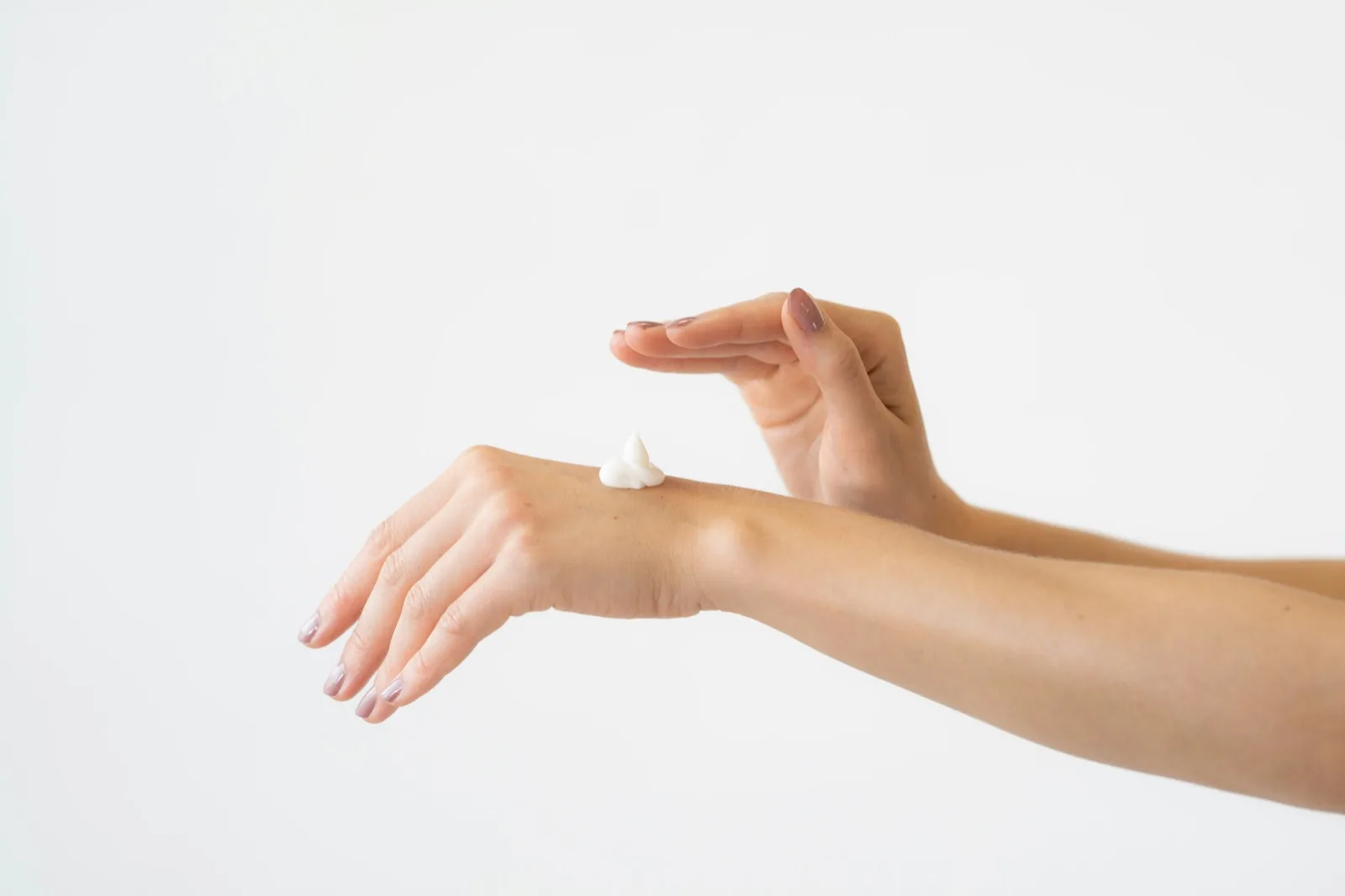
Ceramide Hydrating Lotion (Keshosui): Pour a nickel-sized amount of alcohol-free, fragrance-free watery lotion into clean palms. Gently press—never rub—the liquid across your cheeks, forehead, and neck.
Moisture-Sealing Emulsion (Nyueki): Apply a lightweight milky fluid packed with pseudo-ceramides or plant squalane to cushion the stratum corneum with flexible lipids.
Gentle Physical Sunscreen: Protect delicate barrier lipids against photo-oxidation using a fragrance-free, mineral or hybrid Japanese sunscreen formulated specifically for sensitive skin.
Evening Routine: Low-Friction Reset and Replenishment
Friction-Free Cleansing Milk or Gel: Dissolve daily sunscreen and airborne particulates using a cushiony cleansing milk. Let the formula glide across the face without pressing your fingers against the skin.
Calming Watery Lotion: Layer a soothing quasi-drug lotion containing dipotassium glycyrrhizate to quell daytime flushing and restock natural moisturizing factors (NMF).
Barrier-Fortifying Cream: Complete your evening ritual with a rich, balm-like ceramide cream. Gently warm a pearl-sized amount between your fingertips and press it softly onto dry, reactive zones to create a protective nighttime moisture veil.
Japanese barrier formulations prioritize alcohol-free, fragrance-free vehicles packed with bio-identical lipids.
Key Japanese Ingredients for Barrier Fortification
Conclusion: Pseudo-ceramides, dipotassium glycyrrhizate, plant squalane, and amino acids replenish the lipid matrix and calm sensory irritation.
Japanese laboratories specialize in bio-compatible ingredients engineered to reinforce fragile stratum corneum structures:
Pseudo-Ceramides (Cetyl-PG Hydroxyethyl Palmitamide): Pioneered by Kao's Curel research, synthetic pseudo-ceramides replicate the molecular shape of natural human ceramides, slipping into depleted lipid bilayers to seal micro-gaps.
Dipotassium Glycyrrhizate (Kanzo Extract): A licorice-derived botanical salt widely certified in Japanese quasi-drugs to soothe cutaneous flushing and dampen sensory irritation.
Plant Squalane and Rice Germ Lipids: Biomimetic emollient oils that mimic natural sebum, softening rough surface texture without leaving a suffocating or pore-clogging film.
Fermented Amino Acids: Low-molecular humectants that mirror human natural moisturizing factors, binding water deep within the stratum corneum.
Crucial Daily Precautions: Cleansing and Sun Protection
Conclusion: Cleanse without mechanical scrubbing, rinse with lukewarm water, and apply daily broad-spectrum SPF 30+ / PA++++ sunscreen to prevent barrier degradation.
For dry sensitive complexions, even minor physical friction or sun exposure can undo days of barrier progress. Follow these dermatologist-backed cleansing and sun safety guidelines:
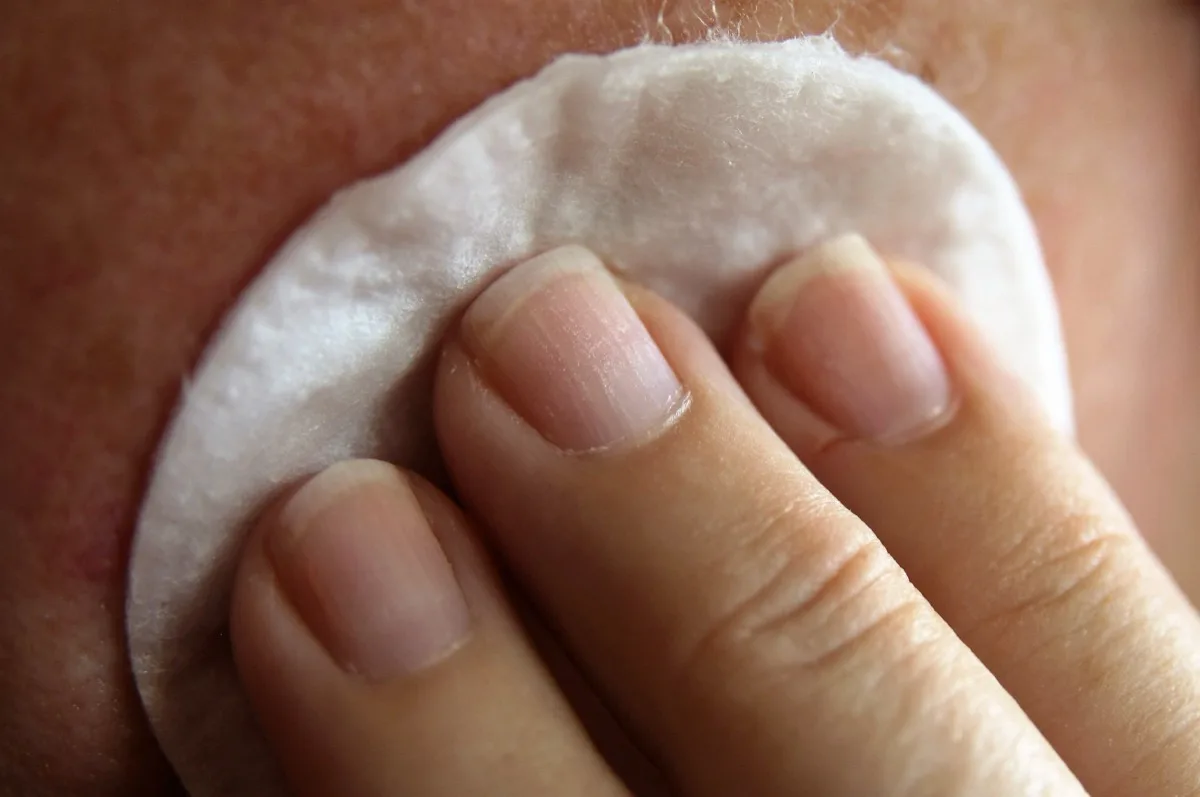
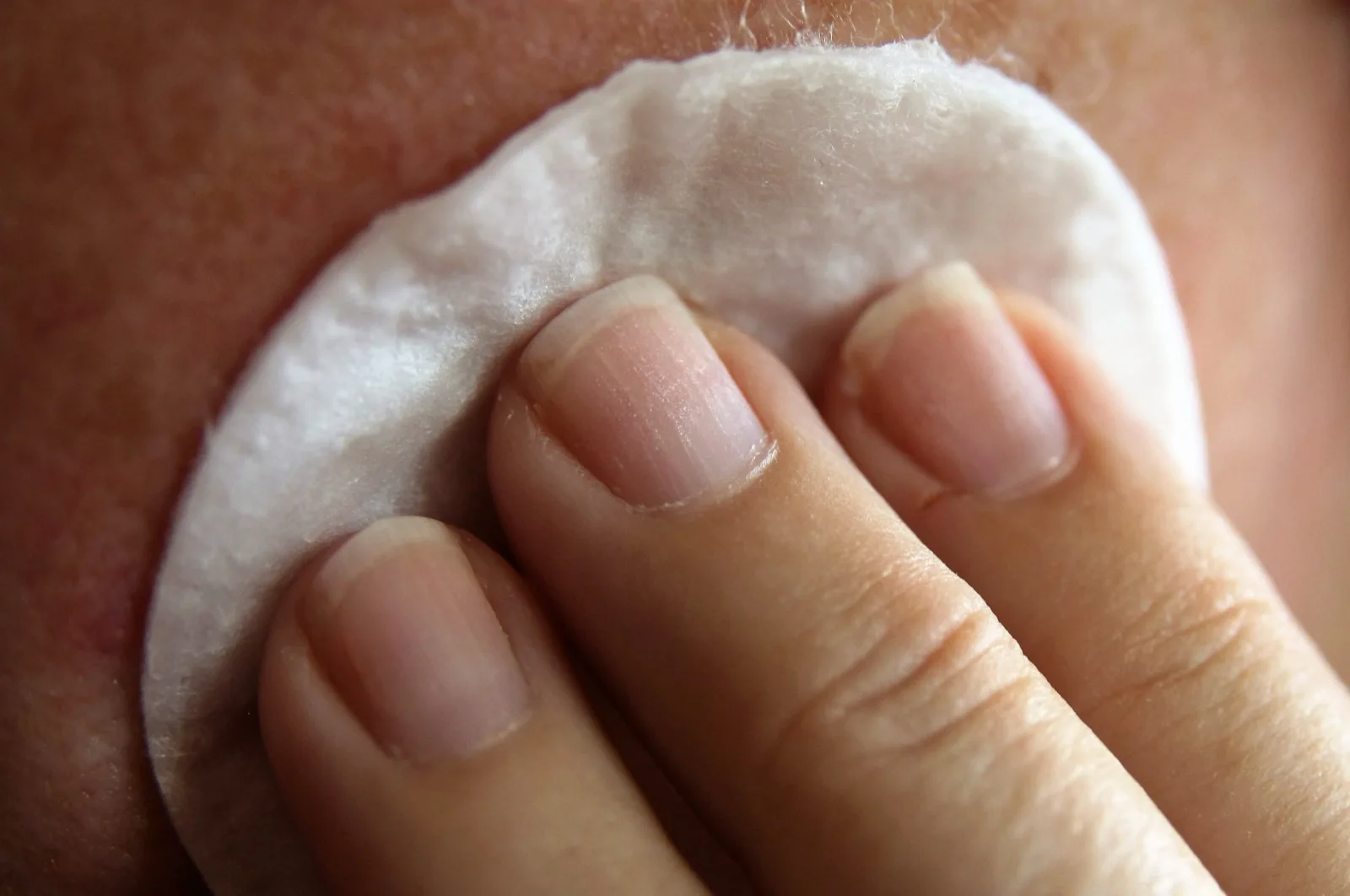
Avoid Aggressive Scrubbing: When washing away evening skincare or makeup, harsh friction easily traumatizes skin. Dermatologists advise using a gentle, non-abrasive cleanser that does not contain alcohol to protect skin health.[1] It is recommended practice to wet your face with lukewarm water and use your fingertips to apply cleanser without friction.[1]
Gentle Cleansing Discipline: Skin experts advise that individuals resist the temptation to scrub your skin because scrubbing irritates the skin.[1] In addition, when cleansing the face, dermatologists remind us: while washing, resist the temptation to scrub your skin, even to remove makeup.[2] Physical abrasion is counterproductive because scrubbing irritates your skin, which can make it look worse.[2]
Lukewarm Rinsing: After washing, always rinse with lukewarm water and pat dry with a soft towel to prevent irritation.[1] Board-certified dermatologists recommend that people limit washing to twice a day and after sweating.[1]
Mandatory Daily Sunscreen: Ultraviolet radiation degrades surface lipids and accelerates barrier fragility. Board-certified dermatologists advise consumers: choose a sunscreen that has an SPF of 30 or higher, is water resistant, and provides broad-spectrum (UVA and UVB rays) coverage.[3] Dermatologists emphasize that to remain protected when outdoors, reapply sunscreen every two hours, and immediately after swimming or sweating.[3]
Performing a patch test before introducing new barrier moisturizers helps prevent unexpected contact sensitivities.
Signs to Stop and When to See a Doctor
Conclusion: Discontinue topical products and seek medical evaluation if you experience persistent stinging, swelling, contact dermatitis, or skin weeping.
While Japanese barrier formulas are formulated for exceptional tolerance, severely compromised barriers can occasionally react to topical products. Discontinue your skincare regimen and consult a board-certified dermatologist if you experience:
Severe, persistent stinging or burning that does not subside within ten minutes of product application.
Widespread contact dermatitis, characterized by red, swollen, or weeping patches across the cheeks or eyelids.
Sudden outbreaks of itchy hives, papules, or facial swelling.
Cracked, bleeding fissures in the skin indicating acute cutaneous infection risk.
Individuals with diagnosed eczema, atopic dermatitis, or rosacea should consult their medical specialist for prescription management during severe flare-ups.
FAQ
Q1. Why does my skin sting even when applying plain water?
Q1. Why does my skin sting even when applying plain water?(Details)
When intercellular lipids are stripped, microscopic fissures expose cutaneous sensory nerve endings directly to the external environment. Even pure water causes a sudden osmotic gradient shift across exposed nerve membranes, producing a sharp stinging sensation (*hirihiri*).
Q2. Is it safe to use sheet masks when my skin barrier is compromised?
Q2. Is it safe to use sheet masks when my skin barrier is compromised?(Details)
Avoid active or perfumed sheet masks during barrier flare-ups. The extended occlusion can force potential irritants deeper into vulnerable skin. Instead, rely on simple palm-pressing of an alcohol-free ceramide lotion and sealing with a soothing barrier cream.
Q3. How long does it take for a dry sensitive barrier to stabilize?
Q3. How long does it take for a dry sensitive barrier to stabilize?(Details)
With consistent friction-free cleansing and diligent ceramide replenishment, initial surface relief often occurs within 3 to 7 days. Full epidermal turnover and cellular structural stabilization typically require 28 to 40 days of continuous gentle care.
Q4. Can I use exfoliating acids or vitamin C on dry sensitive skin?
Q4. Can I use exfoliating acids or vitamin C on dry sensitive skin?(Details)
Pause all exfoliating acids (AHAs, BHAs) and strong ascorbic acid serums while your barrier is reactive. Wait until your skin feels calm, hydrated, and resilient before slowly reintroducing mild derivatives, starting just once or twice per week.
Q5. What does 'mutenka' mean on Japanese sensitive skincare labels?
Q5. What does 'mutenka' mean on Japanese sensitive skincare labels?(Details)
Mutenka translates to 'additive-free' in Japanese. While definitions vary by brand, it typically indicates that the formulation excludes added fragrances, synthetic colorants, drying ethanol, mineral oils, and harsh parabens to minimize common contact irritation triggers.
Summary
Lipid Depletion: Dry sensitive skin (kanso binkanhada) suffers from depleted ceramides, accelerating transepidermal water loss and leaving nerves exposed.
Friction-Free Philosophy: Practice masatsu-less care by pressing watery lotions softly and cushioning washes with dense foam or cushiony milk cleansers.
Biomimetic Lipids: Replenish intercellular bilayers with bio-identical ceramides, pseudo-ceramides, and soothing squalane.
Quasi-Drug Calming: Incorporate certified Japanese botanicals like dipotassium glycyrrhizate to soothe surface flushing.
Daily Sun Defense: Preserve fragile skin barriers against UV-induced oxidative degradation with broad-spectrum SPF 30+ / PA++++ sunscreen daily.
Disclaimer: This article is for general information and education about Japanese cosmetics and their labels. It is not a substitute for professional medical advice, diagnosis, or treatment. Skincare results vary from person to person. Product formulas, availability, prices, and regulations change, and products sold in Japan can differ from versions sold elsewhere, so always check the current label. Do a patch test before introducing a new product, and consult a doctor or dermatologist if you have a skin condition or specific concerns.