Dullness & Uneven Skin Tone: Japanese Clarity Care Guide
ConcernsBy Miho Tanaka
title: Dullness & Uneven Skin Tone: Japanese Clarity Care Guide
meta_description: Discover how Japanese skincare addresses dullness and uneven skin tone. Learn hydration plumping, gentle ferments, and quasi-drugs that restore clarity.
published_at: 2026-11-19
updated_at: 2026-11-19
fact_checked_at: 2026-11-19
author: Miho Tanaka
thumbnail: /images/stock/natural-botanical-ferment-hydration.webp
thumbnail_alt: Traditional botanical fermentation skincare ingredients promoting skin clarity and even tone
affiliate: false
ja_equivalent: null
publish: false
Dullness & Uneven Skin Tone: Japanese Clarity Care Guide
When you gaze into the mirror and notice that your complexion looks tired, shadowed, or unevenly toned despite sleeping well, your skin is experiencing kusumi—the Japanese term for cutaneous dullness. While Western beauty routines frequently combat uneven tone with aggressive chemical peels, high-strength acid peels, or harsh abrasive treatments, Japanese cosmetic science approaches skin illumination from a holistic perspective. Rather than forcibly stripping surface layers, J-beauty cultivates translucency (toumeikan): replenishing the stratum corneum with deep water so it reflects ambient light evenly, gently clearing oxidized keratin, and utilizing calming quasi-drugs to rebalance tone.
Quick answer:
How does Japanese skincare address dullness and uneven skin tone?
In Japanese beauty, dullness (*kusumi*) is recognized as a multi-factor issue caused by **surface dehydration, accumulated dead keratin, and lipid oxidation**. Rather than using harsh aggressive peels, Japanese routines restore clarity through **stratified watery hydration (*keshosui*)** that plumps optical light-reflecting cells, **gentle bio-ferments and enzymes** that dissolve rough buildup without friction, and certified quasi-drug actives like **tranexamic acid and niacinamide** that calm localized melanocyte signals.
Botanical ferments and multi-layer hydration restore natural optical translucency to dull, tired complexions.
The Four Types of Dullness (Kusumi) in Japanese Dermatology
Conclusion: Japanese dermatology categorizes dullness into dehydration, keratin accumulation, oxidation, and sluggish circulation to apply precise biological remedies.
Japanese skincare experts classify complexion dullness into distinct biological categories to determine the most effective regimen:
Scroll horizontally to view the full comparison.
Dullness Category
Underlying Biological Cause
Visual Manifestation
Targeted Japanese Solution
Dehydration Dullness (*Kanso Kusumi*)
Parched corneocytes scattering light irregularly
Greyish cast, fine micro-shadows, tight feel
Multi-press watery lotions, hyaluronic acid
Keratin Buildup Dullness (*Kakushitsu Kusumi*)
Sluggish turnover accumulating old surface cells
Rough, sandpaper-like texture, patchy absorption
Mild enzyme wash powders, fermented rice extract
Oxidation & Glycation Dullness (*Sanka/Touka*)
Sebum peroxidation and advanced glycation (AGEs)
Yellowish or muddy undertone across T-zone
Vitamin C derivatives, green tea polyphenols
Circulation Dullness (*Ketsueki Junkankan*)
Sluggish peripheral micro-capillary flow
Bluish-grey or pale, washed-out complexion
Carbonated bubble masks, facial acupressure
The J-Beauty Routine for Radiant Skin Translucency
Conclusion: Structuring care with non-abrasive keratin clearing, multi-layer lotion pressing, tone-calming serums, and sealing emulsions creates even, luminous skin.
Restoring luminosity requires a sequential morning and evening regimen focused on barrier comfort and uniform light refraction:
Step 1: Low-Friction Keratin Clearing
Clear away oxidized surface sebum and dull dead cells without mechanical abrasion. Use an enzyme cleansing powder containing papain or a cushiony botanical cleansing oil. Gentle enzymes digest the protein bridges binding old keratinocytes together, allowing dullness to wash away cleanly with zero scrubbing.
Step 2: The Multi-Layer Hydration Press (Keshosui)
The cornerstone of Japanese translucency (toumeikan) is internal cellular hydration. When stratum corneum cells are fully saturated with water, they expand into smooth, uniform optical prisms that refract light outwardly. Press two to three light layers of alcohol-free watery lotion into clean skin, focusing on cheeks and forehead.
Step 3: Targeted Tone-Balancing Quasi-Drug Serum
Apply a Japanese certified quasi-drug serum featuring tranexamic acid or niacinamide. Tranexamic acid interrupts inflammatory signaling pathways triggered by ultraviolet exposure, preventing post-sun dark patches. Niacinamide supports even tone distribution while fortifying the intercellular lipid barrier.
Step 4: Light-Sealing Milky Emulsion (Nyueki)
Lock in watery hydration with a fluid milky emulsion enriched with rice ceramides, plant squalane, or fermented sake lees. This lightweight lipid veil seals the epidermal surface, smoothing rough micro-irregularities that cast surface shadows.
Conclusion: Tranexamic acid, niacinamide, and stabilized Vitamin C derivatives provide clinically validated tone balancing without peeling the skin barrier.
Japanese cosmetics formulated for uneven tone operate under strict quasi-drug (iyakubugaihin) efficacy guidelines:
Tranexamic Acid: A synthetic amino acid derivative widely approved in Japan to calm localized cutaneous irritation and curb excessive melanin production before visible discoloration surfaces.
Niacinamide (Vitamin B3): Inhibits the transfer of melanosomes to keratinocytes while stimulating natural ceramide synthesis, supporting both tone uniformity and barrier resilience.
APPS (Palmitate Ascorbyl Phosphate): An amphiphilic Vitamin C derivative engineered by Japanese chemists to deliver antioxidant protection deep within epidermal layers, shielding against sebum yellowing.
Fermented Rice Lees (Sake Kasu): Naturally rich in kojic acid derivatives, free amino acids, and ferulic acid to gently dissolve dull surface accumulation.
Stable Vitamin C derivatives protect surface lipids against oxidation that causes yellowish complexion dullness.
Crucial Daily Precautions: Cleansing and Sun Protection
Conclusion: Preserve skin translucency by minimizing harsh friction, rinsing with lukewarm water, and applying daily broad-spectrum SPF 30+ / PA++++ sunscreen.
Protecting newly illuminated, translucent skin requires strict adherence to friction-free washing and broad-spectrum sun defense:
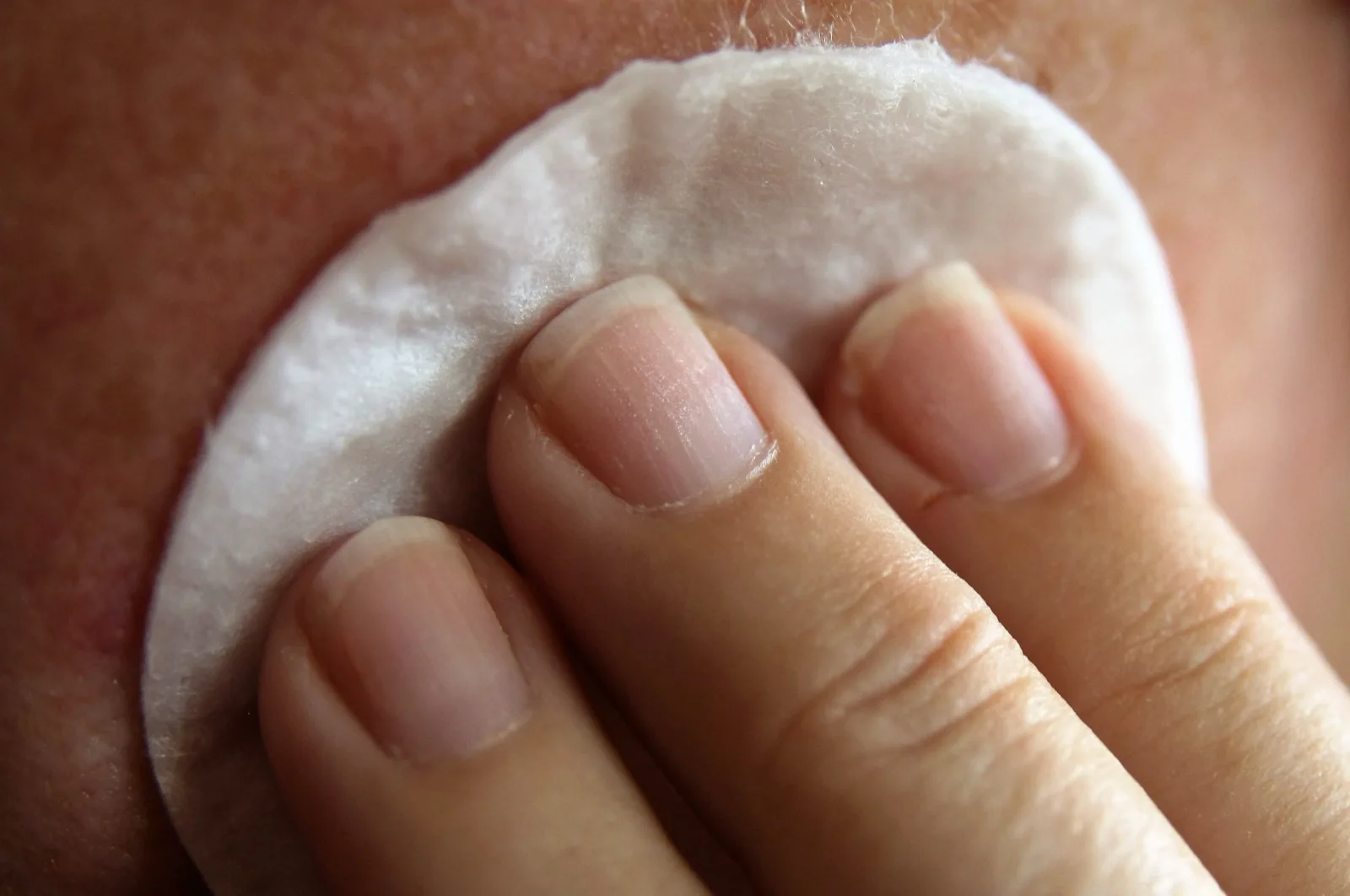
Avoid Aggressive Scrubbing: When washing away evening skincare or makeup, harsh friction easily traumatizes skin. Dermatologists advise using a gentle, non-abrasive cleanser that does not contain alcohol to protect skin health.[1] It is recommended practice to wet your face with lukewarm water and use your fingertips to apply cleanser without friction.[1]
Gentle Cleansing Discipline: Skin experts advise that individuals resist the temptation to scrub your skin because scrubbing irritates the skin.[1] In addition, when cleansing the face, dermatologists remind us: while washing, resist the temptation to scrub your skin, even to remove makeup.[2] Physical abrasion is counterproductive because scrubbing irritates your skin, which can make it look worse.[2]
Lukewarm Rinsing: After washing, always rinse with lukewarm water and pat dry with a soft towel to prevent irritation.[1] Board-certified dermatologists recommend that people limit washing to twice a day and after sweating.[1]
Mandatory Daily Sunscreen: Ultraviolet radiation is the number one cause of uneven pigmentation and dullness. Board-certified dermatologists advise consumers: choose a sunscreen that has an SPF of 30 or higher, is water resistant, and provides broad-spectrum (UVA and UVB rays) coverage.[3] Dermatologists emphasize that to remain protected when outdoors, reapply sunscreen every two hours, and immediately after swimming or sweating.[3]
Cultivating translucency (toumeikan) creates lasting natural luminosity that shines from within.
Signs to Stop and When to See a Doctor
Conclusion: Discontinue active serums if severe redness or contact allergy occurs, and consult a dermatologist for changing or deep asymmetrical pigmentation.
While Japanese clarity formulas prioritize gentle barrier tolerance, active ingredients can occasionally provoke contact sensitivities. Discontinue product use and consult a board-certified dermatologist if you experience:
Sudden, localized hives, burning sensations, or intense itching after applying new serums.
Expanding red patches, peeling, or swelling around the delicate eye contours or lips.
Irregularly shaped, rapidly darkening, or asymmetrical pigmentation marks that change in size (warranting medical evaluation to rule out cutaneous malignancies).
Persistent hyperpigmentation accompanied by facial flushing or visible blood vessels (potential signs of rosacea).
Medical skin conditions, such as chronic deep dermal discoloration or post-inflammatory hyperpigmentation from eczema, require comprehensive dermatological evaluation and prescription management.
FAQ
Q1. How does Japanese translucency (toumeikan) differ from Western brightening?
Q1. How does Japanese translucency (*toumeikan*) differ from Western brightening?(Details)
Western brightening often focuses on peeling away surface layers or using high-potency acids to rapidly exfoliate pigment. Japanese translucency (*toumeikan*) emphasizes saturating the stratum corneum with deep water and soothing barrier lipids, allowing ambient light to pass through and reflect evenly from healthy, plump cells.
Q2. How long does it take to see improvements in skin dullness?
Q2. How long does it take to see improvements in skin dullness?(Details)
Dehydration-induced dullness often improves immediately after stratified watery lotion layering. Keratin buildup dullness typically clears within 1 to 2 weeks with regular enzyme washing, while uneven pigmentation requires 4 to 8 weeks to align with natural epidermal turnover.
Q3. Can I use tranexamic acid and vitamin C together?
Q3. Can I use tranexamic acid and vitamin C together?(Details)
Yes. In Japanese cosmetic science, tranexamic acid and Vitamin C derivatives are frequently formulated together. Tranexamic acid calms localized inflammatory signaling, while Vitamin C neutralizes free radicals and prevents sebum oxidation, creating a comprehensive dual-action clarity routine.
Q4. Are Japanese exfoliating peeling gels safe for sensitive skin?
Q4. Are Japanese exfoliating peeling gels safe for sensitive skin?(Details)
Most Japanese 'peeling gels' rely on polymer bonding agents that clump together with surface sebum rather than harsh chemical peeling acids. When used with feather-light touch once a week, they gently capture loose corneocytes without abrading sensitive skin barriers.
Q5. What role does daily sunscreen play in preventing dullness?
Q5. What role does daily sunscreen play in preventing dullness?(Details)
Sunscreen is indispensable. UV radiation triggers melanogenesis, oxidizes surface lipids into dull yellow peroxides, and degrades dermal collagen. Applying broad-spectrum SPF 50+ / PA++++ sunscreen every morning preserves clarity and protects your skincare investment.
Summary
Multi-Factor Dullness: Japanese beauty recognizes four causes of kusumi: dehydration, dead keratin buildup, lipid oxidation, and sluggish circulation.
Optical Translucency (Toumeikan): Saturated stratum corneum cells reflect light uniformly, restoring vibrant radiance without aggressive chemical peeling.
Gentle Clarifying Actives: Rely on mild enzyme washes, fermented sake lees, tranexamic acid, and stable Vitamin C derivatives to rebalance tone.
Friction-Free Application: Protect newly illuminated skin by palm-pressing products softly and cleansing without harsh abrasive rubbing.
Daily Sun Defense: Prevent photo-induced pigmentation and lipid oxidation by applying broad-spectrum SPF 30+ / PA++++ sunscreen daily.
Disclaimer: This article is for general information and education about Japanese cosmetics and their labels. It is not a substitute for professional medical advice, diagnosis, or treatment. Skincare results vary from person to person. Product formulas, availability, prices, and regulations change, and products sold in Japan can differ from versions sold elsewhere, so always check the current label. Do a patch test before introducing a new product, and consult a doctor or dermatologist if you have a skin condition or specific concerns.