Japanese Head Spa for Oily Scalp & Dandruff: Benefits, Limits & Facts
ConcernsBy Miho Tanaka
title: Japanese Head Spa for Oily Scalp & Dandruff: Benefits, Limits & Facts
description: Can a Japanese head spa help with an oily scalp and dandruff? Learn sebum emulsification, quasi-drug anti-dandruff actives, and when to see a dermatologist.
author: "Miho Tanaka"
fact_checker: "Miho Tanaka"
category: "concerns"
published_at: "2026-11-15"
updated_at: "2026-11-15"
featured_image: "/images/stock/forest-essential-oils-aromatherapy-stress-relief.webp"
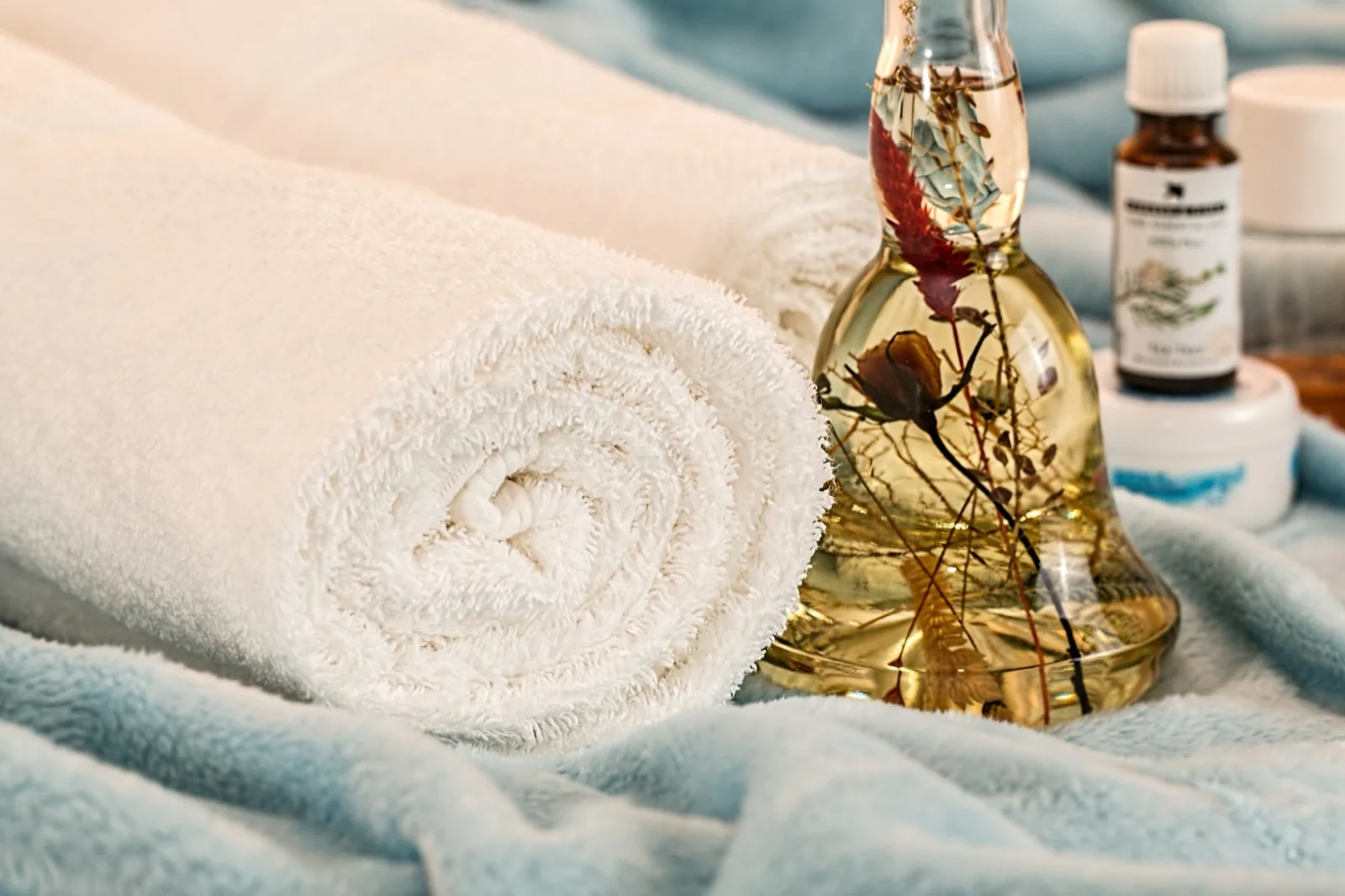
featured_image_alt: "Aromatherapy massage oil bottle beside rolled white towels in tranquil Japanese spa setting"
Japanese Head Spa for Oily Scalp & Dandruff: Benefits, Limits & Facts
In Japan, the concept of scalp care has long been treated with the same biochemical rigor as facial skincare—a philosophy known as the skinification of hair. At the center of this movement is the Japanese Head Spa (heddo supa), a specialized salon service combining high-magnification trichological camera assessments, deep lipid emulsification, warm carbonated water rinses, and rhythmic acupressure massage.
For individuals struggling with greasy roots by midday, persistent flakes on dark clothing, or unpleasant scalp odor (tohi no nioi), booking a head spa in Tokyo is often viewed as the ultimate solution. However, while a professional head spa excels at clearing oxidized sebum and relieving muscular tension, it is essential to understand its physiological scope and legal boundaries.
Quick answer: A Japanese head spa is a professional cosmetic hygiene and relaxation treatment designed to emulsify stubborn keratotic sebum plugs, clarify follicular pores with carbonated water (tansan-sui), and soothe tension through lymphatic massage. While it provides immediate relief for cosmetic sebum buildup and mild product residue, it is not a medical cure for fungal infections or seborrheic dermatitis. If your dandruff is accompanied by persistent redness, severe itching, thick yellowish crusts, or skin peeling, the condition requires a prescription antifungal or topical anti-inflammatory treatment from a board-certified dermatologist.
What Is a Japanese Head Spa? Scalp Care as Skin Care
The Japanese head spa evolved from a confluence of traditional Indian Ayurvedic head massage, Western cosmetic trichology, and Japanese bathhouse culture. Unlike a standard hair wash at a Western blow-dry bar, a Japanese head spa treats the scalp as living cutaneous tissue that directly influences facial firmness, hair density, and microbiome balance.
A full head spa typically encompasses five distinct phases:
Digital Micro-Camera Diagnosis: The stylist magnifies the scalp by 200x to evaluate sebum accumulation around follicular funnels, scalp coloration (healthy bluish-white vs irritated pinkish-red), and pore clarity.
Pre-Cleansing Lipid Emulsification: Application of jojoba oil, camellia seed oil, or specialized plant cleansing gels to dissolve hardened, oxidized squalene and wax esters without abrasive friction.
Carbonic Acid Scalp Bath (Tansan Head Spa): Warm water infused with dissolved carbon dioxide (over 1,000 ppm) flushes away micro-particulates and alkaline residue.
Targeted Scalp Acupressure: Systematic pressure applied along cranial pressure points (tsubo) to stimulate peripheral blood circulation.
Post-Treatment Hydrating Tonic: Application of quasi-drug soothing lotions containing dipotassium glycyrrhizate, ceramides, or botanical extracts.
Oily Scalp vs Dandruff: Understanding the Physiological Root Causes
Before evaluating treatment options, it is vital to distinguish between normal cosmetic sebum secretion, dry flaking, and fungal-driven oily dandruff:
Scroll horizontally to view full table
Scalp Condition
Primary Biochemical Driver
Visual Characteristics
Effective Intervention
Cosmetic Oily Scalp (Hyperseborrhea)
Overactive sebaceous glands stimulated by androgens, stress, or humidity
Greasy sheen on hair roots within 12 hours of washing; faint lipid odor
Head spa lipid emulsification, amino acid clarifying shampoos, balanced cleansing
Dry Dandruff (Pityriasis Simplex)
Compromised stratum corneum barrier and rapid dehydration from harsh sulfates
Fine, white, powdery flakes that fall like snow onto shoulders; tight scalp feeling
Medical dermatological evaluation; prescription antifungal and steroid treatments
Salon Head Spa Techniques: Carbonic Acid, Oil Cleansing & Micro-Mist
Japanese head spas deploy specific scientific modalities to clarify the scalp while protecting the delicate skin barrier:
1. Carbonic Acid (Tansan) Scalp Therapy
Carbonated water containing high concentrations of dissolved carbon dioxide (CO2) plays an essential role in modern Japanese salons:
Sebum Lifting: Microscopic carbonic bubbles carry a slight acidic pH (approx. pH 4.5 to 5.5), which matches the scalp's natural acid mantle. The effervescence physically lifts oxidized lipids from follicular funnels without harsh synthetic degreasers.
The Bohr Effect: When carbon dioxide is absorbed transcutaneously into superficial capillary beds, local hemoglobin releases oxygen more readily (the Bohr effect), promoting temporary micro-circulatory flow to hair roots.
2. Pre-Shampoo Oil Dissolution
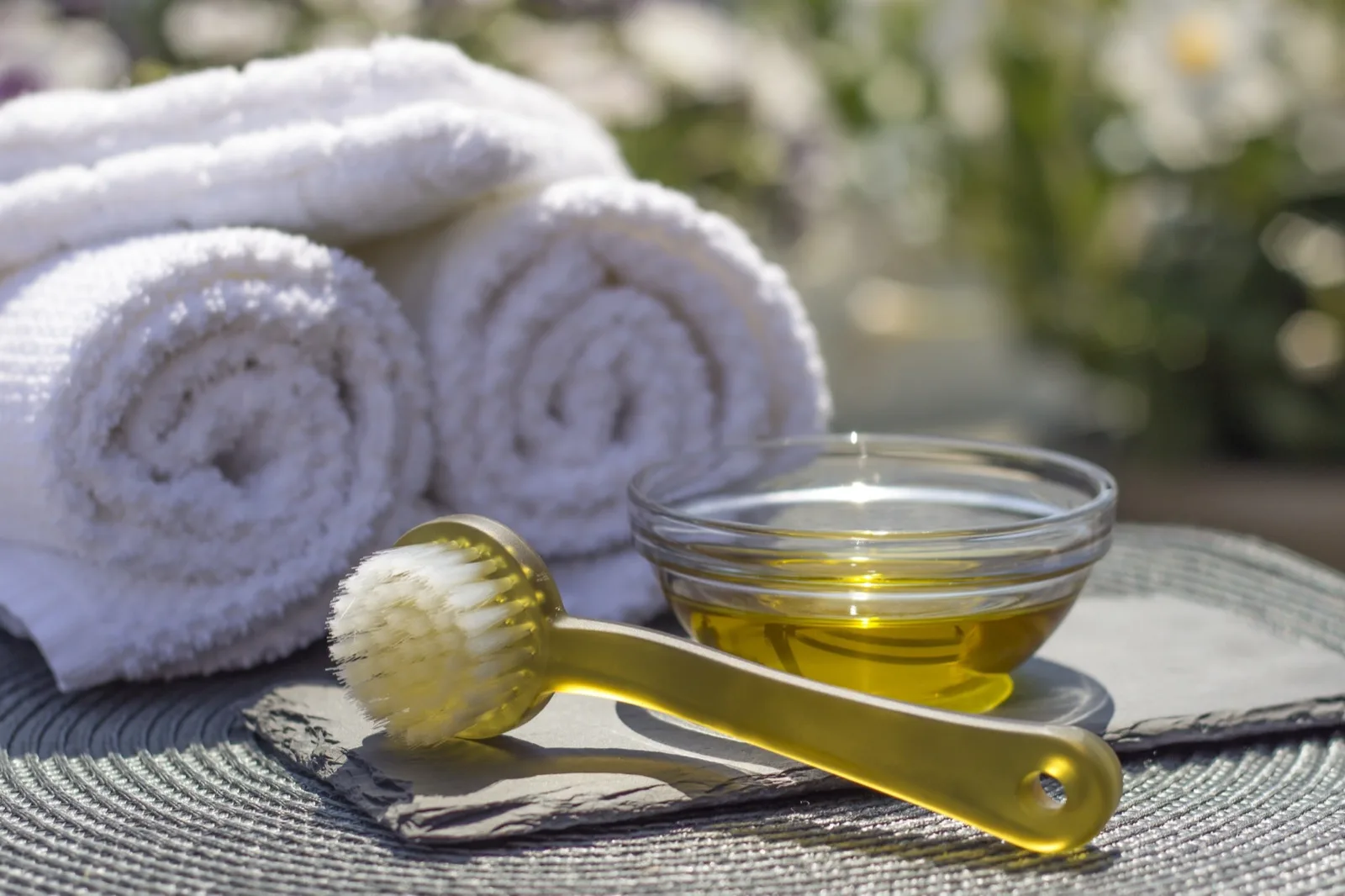
Applying pure botanical oils (such as refined jojoba or camellia oil) to a dry scalp before shampooing operates on the principle of like dissolves like. Hardened sebum plugs consist of crystallized triglycerides, squalene peroxides, and dead keratinocytes. Botanical lipids soften and liquefy these plugs so they rinse cleanly away during subsequent shampooing.
3. Ultrasonic Micro-Mist
Salons utilize ultrasonic mist processors that generate water droplets under 3 microns in diameter. This fine warm mist gently raises cuticle scales and softens the scalp stratum corneum without thermal heat damage, maximizing product absorption.
The Medical Boundary: Cosmetic Cleansing vs Seborrheic Dermatitis
Under Japan's Pharmaceutical and Medical Devices Act (PMD Act) and clinical guidelines established by the Japanese Dermatological Association (JDA), salon stylists operate under clear professional restrictions.
1. What a Salon Head Spa Can Safely Do
Remove daily styling buildup, sweat salts, and oxidized surface lipids.
Promote superficial scalp blood flow and relieve tension in the galea aponeurotica and temporal muscles.
Provide relaxation that helps lower stress-induced cortisol spikes (a recognized trigger for excess sebum production).
2. When You MUST See a Dermatologist
A salon head spa is not a healthcare facility and cannot treat medical skin diseases. You should bypass the salon and consult a board-certified dermatologist immediately if you observe:
Persistent Erythema: Bright red, inflamed patches along the hairline or behind ears.
Thick Yellow Plaques: Greasy scales that weep, crust, or bleed when gently lifted.
Intense Pruritus: Severe itching that disrupts sleep or compels frequent scratching.
Sudden Patchy Hair Shedding: Hair shedding accompanied by burning sensations or tenderness.
Attempting to "scrub away" seborrheic dermatitis with vigorous head spa brushes can tear the compromised epidermal barrier, introducing secondary bacterial infections (such as Staphylococcus aureus) and worsening inflammation.
Japanese Quasi-Drug Ingredients for Home Scalp Care
Between salon visits, maintaining a balanced scalp microbiome relies on daily home rituals. In Japan, over-the-counter anti-dandruff and scalp-cleansing products are regulated as Quasi-Drugs (Iyakubugaihin), featuring government-approved functional actives:
1. Antifungal & Antimicrobial Actives
Piroctone Olamine: A gentle yet potent antimicrobial agent that selectively inhibits the over-proliferation of Malassezia restricta and Malassezia globosa yeasts on the scalp without disrupting beneficial resident microflora.
Miconazole Nitrate: An antifungal active frequently utilized in Japanese medicated shampoos (such as Colab and Mediquick) to control active fungal flaking.
2. Anti-Inflammatory Soothing Agents
Dipotassium Glycyrrhizate (Kanzo Ekisu): Derived from licorice root, this active calms erythema, alleviates itching, and dampens inflammatory cascades triggered by lipid peroxidation.
Pre-Rinse with Lukewarm Water: Rinse hair thoroughly for at least 90 seconds before applying shampoo. Lukewarm water (approx. 38°C) removes up to 80% of water-soluble debris.
Use Finger Pads, Never Nails: Massage shampoo into the scalp using the soft pads of your fingertips (shifuku). Never scratch the scalp with sharp fingernails.
Blow-Dry Promptly: Leaving wet hair to air-dry creates a warm, humid microclimate that dramatically accelerates Malassezia fungal proliferation and lipid odor formation. Always dry the scalp thoroughly within 15 minutes of washing.
FAQ
Q1. How often should I get a Japanese head spa for an oily scalp?
A. Once every 3 to 4 weeks is the recommended frequency for optimal scalp maintenance.(Details)
The epidermal turnover cycle of the human scalp takes approximately 28 days. Receiving a deep-cleansing head spa once a month aligns harmoniously with this natural regenerative rhythm, clearing accumulated sebum plugs without stripping the protective intercellular lipids needed for healthy barrier defense. Weekly or bi-weekly deep clarifying can trigger rebound sebum overproduction.
Q2. Can a Japanese head spa resolve seborrheic dermatitis?
A. No, a head spa cannot medically cure or resolve seborrheic dermatitis, which is a medical skin condition.(Details)
Seborrheic dermatitis involves an inflammatory reaction to Malassezia yeast metabolites and requires medical management, such as prescription topical antifungals (ketoconazole) or mild corticosteroids prescribed by a dermatologist. Salon head spas are cosmetic services; undergoing vigorous scalp manipulation during an active flare-up can exacerbate inflammation and damage vulnerable skin.
Q3. Does carbonated water (tansan) really clean the scalp better than plain water?
A. Yes, high-concentration carbonic acid significantly assists in emulsifying oxidized lipids and mineral buildup.(Details)
Carbonated water with a dissolved CO2 concentration above 1,000 ppm possesses a mild acidic pH (around 5.0) that matches scalp biology. The microscopic bubbling effervescence physically detaches stubborn keratotic plugs and styling product residues that standard plain water cannot dislodge, while temporarily promoting microcapillary circulation through the Bohr effect.
Q4. Why does my scalp smell oily even right after washing?
A. Scalp odor typically stems from oxidized sebum trapped inside pores or drying your hair too slowly.(Details)
Sebum contains squalene and unsaturated fatty acids that oxidize rapidly into volatile compounds (such as diacetyl and nonenal) when exposed to air and scalp microflora. If hair is allowed to air-dry naturally, the prolonged damp warmth allows odor-producing bacteria and yeasts to flourish. Pre-rinsing thoroughly and blow-drying the roots promptly with downward airflow prevents odor formation.
Q5. Can oil cleansing at home worsen an oily scalp?
A. Pure botanical oils will not worsen oiliness if emulsified and rinsed away thoroughly.(Details)
Pre-shampoo scalp oil cleansing uses non-comedogenic plant lipids (such as pure jojoba or camellia oil) to dissolve hardened sebum through lipid affinity. Because the oil is washed out immediately with a clarifying shampoo, it does not leave a greasy residue. However, leaving heavy oils on the scalp overnight should be avoided, as excess lipids feed Malassezia yeast.
Key Takeaways & Summary
Holistic Scalp Care Philosophy: A Japanese head spa combines technological diagnosis, gentle lipid dissolution, carbonic rinsing, and pressure-point massage to maintain scalp equilibrium.
Identify the Root Cause: Distinguish between harmless cosmetic oiliness, dry environmental flaking, and inflammatory fungal dandruff (seborrheic dermatitis).
Clear Medical Boundaries: Head spas provide exceptional cosmetic hygiene and tension relief, but inflamed, painful, or crusting scalps belong under the care of a dermatologist.
Home Routine Discipline: Support your scalp between salon visits by using quasi-drug soothing ingredients (dipotassium glycyrrhizate, piroctone olamine), washing with finger pads, and drying roots promptly.
References
Japan Hair Science Association (JHSA) — Trichological Diagnostic Principles, Sebum Peroxidation, and Scalp Hygiene Fundamentals, Official Technical Manual.
Japanese Dermatological Association (JDA) — Clinical Guidelines for the Diagnosis and Management of Seborrheic Dermatitis, Peer-Reviewed Medical Consensus.
Ministry of Health, Labour and Welfare (MHLW) — Standards for Medicated Shampoos and Quasi-Drug Active Ingredients, Japanese Regulatory Compendium.
Society of Cosmetic Chemists of Japan (SCCJ) — Physiological Effects of Carbonated Water and Emollient Scalp Treatments on Cutaneous Microcirculation, Technical Research Archive.
Disclaimer: This article is for general information and education about Japanese cosmetics and their labels. It is not a substitute for professional medical advice, diagnosis, or treatment. Skincare results vary from person to person. Product formulas, availability, prices, and regulations change, and products sold in Japan can differ from versions sold elsewhere, so always check the current label. Do a patch test before introducing a new product, and consult a doctor or dermatologist if you have a skin condition or specific concerns.