title: Airless Pumps & Japanese Packaging Freshness: Design Guide description: "Discover how Japanese airless pumps protect cosmetic freshness. Learn anti-oxidation packaging, reduced preservatives, and ingredient stability." meta_description: Discover how Japanese airless pumps protect cosmetic freshness. Learn anti-oxidation packaging, reduced preservatives, and ingredient stability. published_at: "2026-11-17" updated_at: "2026-11-17" fact_checked_at: "2026-11-17" author: "Miho Tanaka" category: "how-japan-works" slug: "airless-pump-and-japanese-cosmetic-packaging-freshness" thumbnail: "/images/stock/dropper-pump-bottles-marble-comparison.webp" thumbnail_alt: "Comparison of high-precision Japanese cosmetic pump bottles and traditional glass dropper containers" affiliate: false ja_equivalent: null publish: true
Airless Pumps & Japanese Packaging Freshness: Design Guide
In skincare formulation, an exceptional formula is only as effective as the container that protects it. Every time an open cream jar is unscrewed, exposure to ambient air triggers oxidative reactions, while fingers introduce bacteria into the emulsion.
Japan is a global leader in high-barrier cosmetic containment. Japanese packaging engineers have revolutionized the industry through precision airless pumps and delamination squeeze bottles. By creating vacuum-sealed environments that prevent air ingress, Japanese brands preserve delicate botanical extracts, minimize synthetic preservatives, and ensure the final drop of product is as fresh as the first.
Japanese airless pump bottles protect cosmetic freshness by using a mechanical vacuum piston rather than a traditional dip tube. When pressed, an interior rising plate draws the emulsion upward, dispensing an exact dose while preventing outside oxygen, airborne dust, and fingertip microbes from entering. This zero-backflow seal shields sensitive active ingredients (like pure vitamin C, retinoids, and ceramides) from oxidative degradation, enabling Japanese brands to drastically lower synthetic preservative loads for sensitive skin.
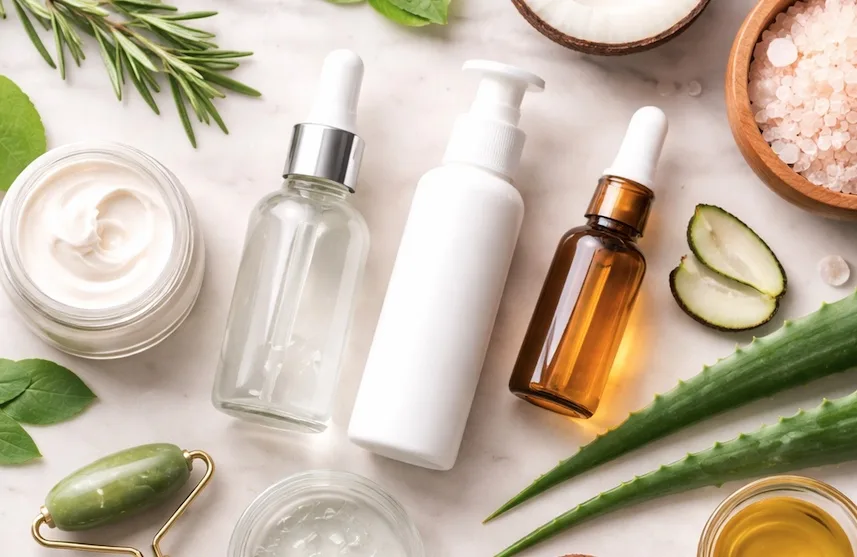
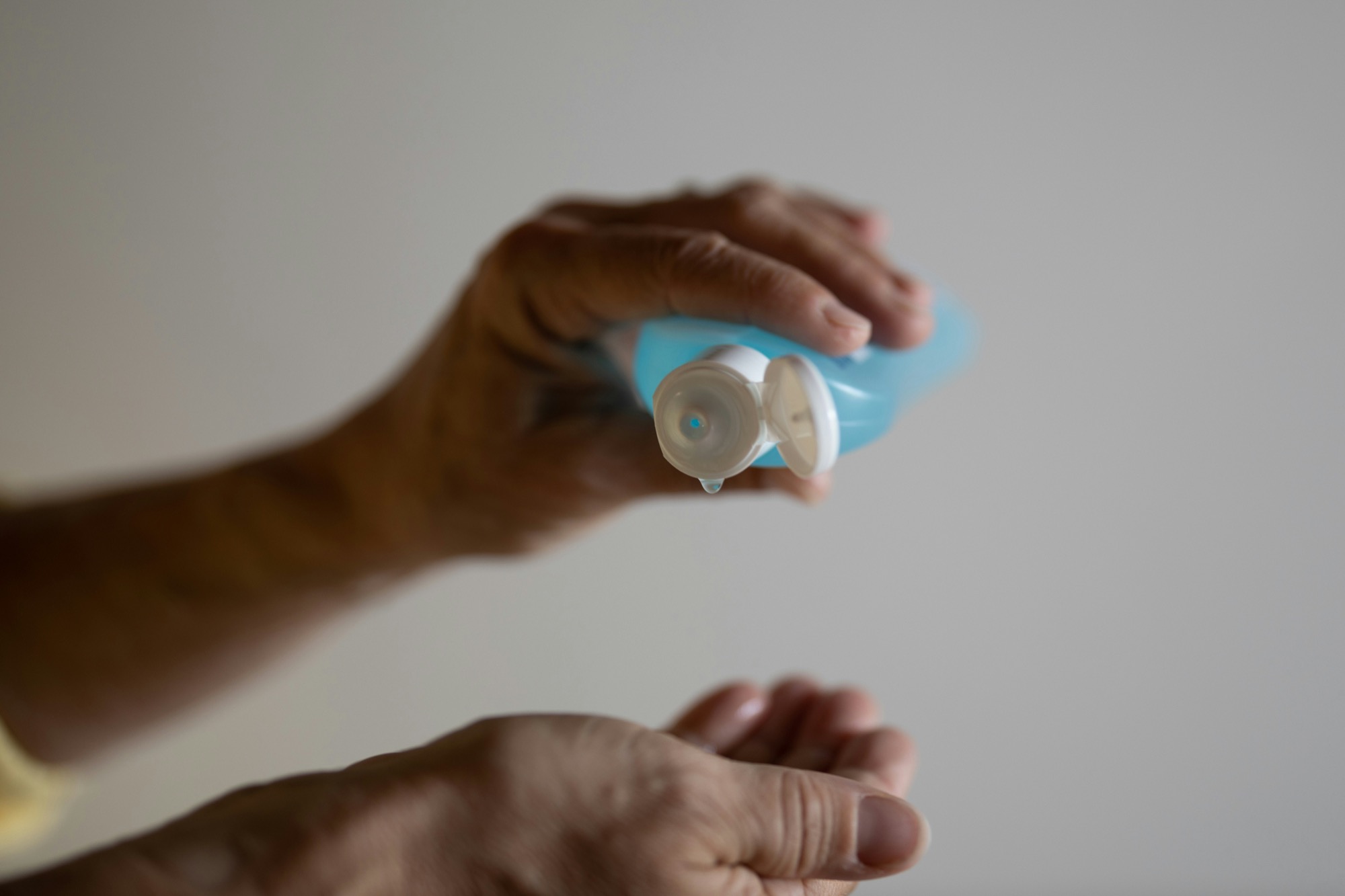
Precision pump dispensers isolate emulsions from external air exposure far more reliably than open dropper pipettes.
The Mechanics: How Airless Pumps Differ from Dip-Tube Dispensers
To appreciate the engineering of an airless bottle, it is helpful to understand standard fluid mechanics. A pump is a device that moves fluids[1] by mechanical action, but conventional lotion bottles rely on a plastic dip tube submerged in the liquid.
In a standard dip-tube pump:
- Pressing the nozzle forces liquid up the straw.
- When the pump springs back up, it draws ambient air into the bottle to equalize atmospheric pressure.
- This constant exchange pulls room air, humidity, and airborne spores directly into the remaining formula.
In contrast, Japanese airless systems operate without a dip tube:
- The Rising Piston: The bottle features an internal disc (piston) seated at the bottom of the chamber.
- True Vacuum Draw: Depressing the actuator creates an internal vacuum that slides the piston upward, pushing a measured dose out through a one-way check valve.
- Zero Backflow: The valve snaps shut instantly upon release, preventing room air from being drawn back inside. The container remains 100% airtight throughout its entire lifespan.
Preventing Oxidation: Safeguarding Vulnerable Active Ingredients
Oxygen is one of the most potent degraders of cosmetic efficacy. In chemistry, a redox reaction is a type of chemical reaction in which the oxidation states[2] of atoms are altered, leading to broken molecular bonds and rancid fatty acids.
Airless packaging provides an impervious barrier against atmospheric oxidation, which is vital for delicate skincare ingredients:
- Vitamin C & Ascorbic Derivatives: Unprotected vitamin C oxidizes rapidly into dehydroascorbic acid, turning serums yellow or brown and rendering them ineffective. Airless containment blocks oxygen exposure, keeping vitamin C derivatives chemically active.
- Lipid-Rich Emollients & Squalane: Cold-pressed botanical oils (like camellia or rice bran oil) contain unsaturated fatty acids that oxidize when exposed to air. Vacuum pumps prevent lipid peroxidation, which can provoke inflammatory blackheads.
- Bio-Active Ferments: Fermented rice filtrates (galactomyces) and amino acid complexes retain their enzymatic vitality when shielded from ambient oxygen.
Hermetically sealed packaging prevents oxygen from reacting with fragile antioxidant molecules and fermented extracts.
Preservative Reduction for Sensitive Complexions
A preservative is a substance or a chemical that is added to products[3] such as foods, pharmaceuticals, and cosmetics to prevent decomposition by microbial growth or by undesirable chemical changes.
While broad-spectrum preservatives (like parabens or phenoxyethanol) are safe and necessary in open-mouth jars, individuals with reactive or atopic skin can experience contact dermatitis from elevated preservative loads.
Because airless pump bottles prevent fingers and airborne bacteria from contacting the bulk formula, Japanese laboratories can formulate under strict "preservative-free" (boufuzai-mutenkan) standards:
- Lower Paraben and Alcohol Loads: Formulas can rely on mild polyols (like 1,2-hexanediol or butylene glycol) for microbial stability rather than aggressive antimicrobial agents.
- Ultra-Mild Formulas for Reactive Skin: Brands like Minon Amino Moist and Curel leverage airless packaging to deliver gentle, barrier-repairing emulsions safe for compromised skin barriers.
The "Double-Layer" Innovation: Delamination Bottles
Beyond mechanical piston pumps, Japanese packaging designers invented another global breakthrough: airless delamination squeeze bottles (niju-kouzou botoru).
Originally engineered by Japanese food scientists to keep fresh soy sauce (nama-shoyu) from oxidizing for over 90 days at room temperature, this technology was rapidly adapted by Japanese cosmetic giants (including Shiseido and Kose):
- Bottle-Within-a-Bottle: The container features a rigid outer shell housing an ultra-flexible inner plastic bag.
- One-Way Cap Valve: When squeezed, product dispenses smoothly. As pressure is released, ambient air enters only the space between the outer shell and the inner bag, causing the inner bag to deflate while keeping the formula untouched by air.
- Squeeze Control: Unlike rigid airless pumps, delamination bottles allow users to dispense single microscopic drops of watery lotion or cleansing oil effortlessly.
Delamination bottles allow precise drop-by-drop dispensing without permitting air to infiltrate the inner reservoir.
Comparison Table: Open Jar vs Airless Pump Dispenser
In cosmetic engineering, packaging and labeling is the science, art and technology of enclosing or protecting products for distribution[4]. The table below details how container architecture impacts cosmetic integrity:
Scroll horizontally to view full table
| Factor | Traditional Open Cream Jar | Japanese Airless Vacuum Pump |
|---|---|---|
| Air Exposure | Direct exposure every time lid is unscrewed | Zero air contact; sealed vacuum chamber |
| Bacterial Risk | High from fingertip dipping and airborne dust | Nearly zero; one-way non-backflow valve |
| Preservative Need | Requires high-strength broad-spectrum preservatives | Allows minimal preservative or paraben-free formulation |
| Dosage Precision | Inconsistent scooping with fingers or spatulas | Exact, calibrated dose dispensed per pump (e.g. 0.2ml) |
| Product Evacuation Rate | 5% to 10% trapped along jar ridges | Up to 98% evacuated cleanly by rising piston |