title: Heian Period Beauty Standards: Ancient Japanese Aesthetics h1: "Heian Period Beauty Standards: Ancient Japanese Aesthetics" description: "Explore ancient beauty standards of Japan's Heian period. Learn about floor-length black hair, white oshiroi powder, blackened teeth, and court aesthetics." meta_description: Explore ancient beauty standards of Japan's Heian period. Learn about floor-length black hair, white oshiroi powder, blackened teeth, and court aesthetics. category: "how-japan-works" slug: "heian-period-beauty-standards-japan" publish: true published_at: "2026-11-17" hero_image: "/images/stock/translucent-luminous-skin-finish.jpg" hero_image_alt: "Serene woman with translucent skin finish evoking classical Japanese beauty ideals"
Heian Period Beauty Standards: Ancient Japanese Aesthetics
When modern observers examine historical Japanese scrolls from the classical era, the portraits of aristocratic court women can appear striking and enigmatic. Features that define contemporary global beauty—sculpted contouring, arched eyebrows, and gleaming white teeth—are entirely absent. Instead, figures gaze through draped silk screens with translucent alabaster complexions, high cloud-like eyebrows, blackened teeth, and cascading floor-length black hair.
Far from being arbitrary quirks, these customs represented the pinnacle of artistic sophistication in classical Japan. During the Heian court, beauty was not merely an aesthetic preference; it was an exacting cultural language where hair condition, scent blending, and harmonious color layering signaled nobility, poetic education, and refined moral virtue.
In the Heian aristocracy (794–1185), female beauty centered on four primary physical pillars: straight, glossy black hair trailing to the floor (*kurokami*); a pure white powdered face (*oshiroi*); high smudge-like eyebrows drawn onto the upper forehead (*hikimayu*); and pitch-black lacquered teeth (*ohaguro*). Viewed inside dimly lit wooden palaces behind woven bamboo blinds (*misu*), these dramatic contrasts created a serene, highly stylized visual presence that maximized elegance in low candlelight.
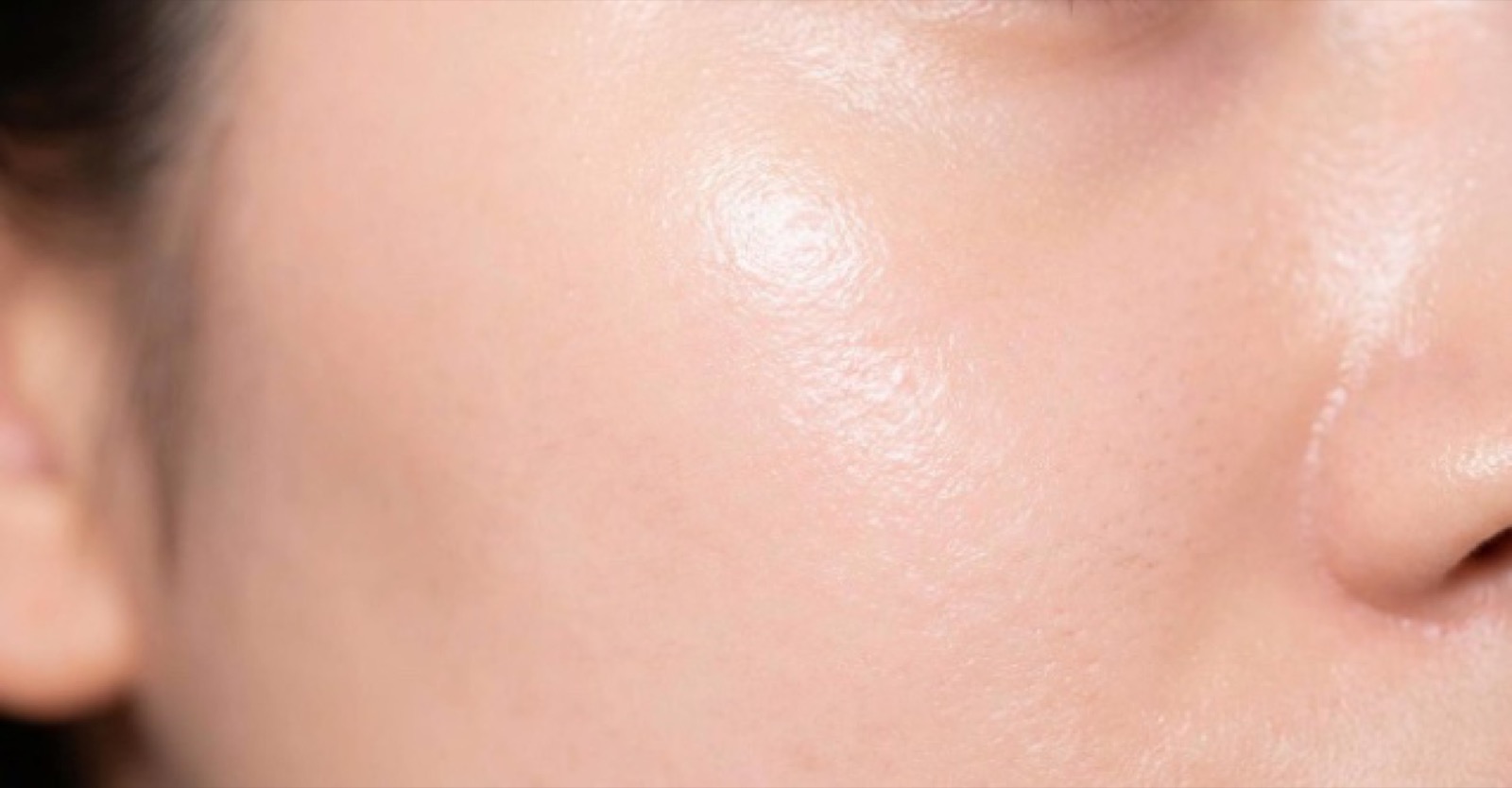
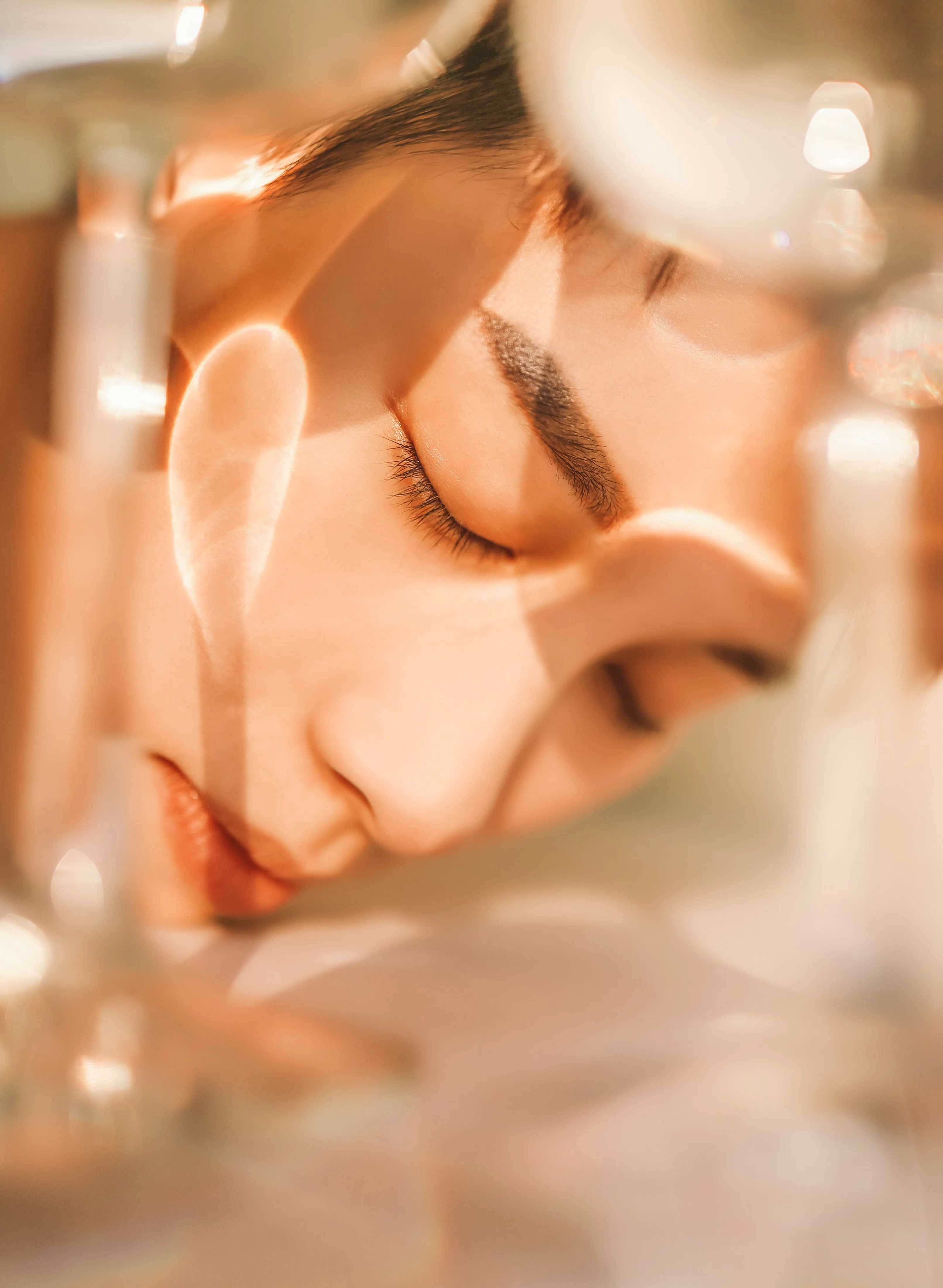
Classical Japanese aesthetics prized a smooth, quiet complexion that reflected ambient candlelight with serene translucency.
The Aristocratic Court of Kyoto: Context of Heian Beauty (794–1185)
To comprehend the beauty ideals of the Heian era, one must examine the cloistered social world of Heian-kyo (modern Kyoto).
Chronologically, the Heian period is the last division of classical japanese history , running from 794 to 1185[1]. During this peaceful epoch, imperial courtiers turned inward, moving away from continental Chinese influences to cultivate a uniquely native Japanese sensibility centered on miyabi (courtly elegance) and mono no aware (the bittersweet appreciation of transience).
Much of what historians know about everyday court grooming comes directly from classical literature, most notably The Tale of Genji, written by the noblewoman, poet, and lady-in-waiting murasaki shikibu[2] in the early eleventh century. Murasaki Shikibu and her contemporary Sei Shonagon (author of The Pillow Book) documented a sheltered lifestyle where elite women spent their lives seated indoors behind layered silk curtains (kicho) and bamboo screens (misu).
Because aristocratic women were rarely seen in direct sunlight, beauty was engineered specifically for interior architecture illuminated solely by oil lamps and flickering candles. In these shadow-filled rooms, subtle contouring vanished; bold white powder, blackened teeth, and midnight-black hair created unmistakable graphic elegance.
The Core Pillars of Heian Female Beauty
Courtly grooming in Heian Kyoto was dictated by four rigorous visual standards:
1. Cascading Floor-Length Black Hair (Kurokami / Taregami)
Above all other physical attributes, long, straight, raven-black hair was considered the supreme manifestation of female allure. An aristocratic woman's hair was expected to trail past her twelve-layered silk robes (juni-hitoe) and pool gracefully on the tatami mats behind her. Because curling or wavy hair was viewed as unkempt, court ladies spent hours conditioning and combing their tresses to ensure glassy, mirror-like straightness.
2. The Alabaster Canvas (Oshiroi)
To create a luminous contrast against their dark tresses and vibrant kimono robes, women applied thick white paste powders formulated from finely ground rice flour, white clay, and mineral compounds. This smooth white surface covered the face, neck, and upper chest, functioning as an optical reflector in low-light banquet halls.
3. High Smudged Eyebrows (Hikimayu)
Noblewomen practiced the distinct technique of hikimayu—the practice of removing the natural eyebrows and painting smudge-like eyebrows on the forehead[4] near the hairline. Using charcoal ink or soot mixed with fragrant sesame oil, they drew rounded, oval patches resembling delicate moth antennae (kabi). By removing natural brow movements, this ritual bestowed an unreadable, aristocratic composure free from visible emotional distress.
4. Lacquered Black Teeth (Ohaguro)
Upon coming of age, marrying, or entering court life, women adopted the ancient custom of teeth blackening[3]. Created by soaking oxidized iron scrapings in acidic fermented tea or rice wine mixed with plant gallnut tannins (kanetsukemizu), the dye coated enamel in a deep, gleaming black glaze. Beyond signaling mature status, ohaguro served a practical aesthetic role: under stark white face powder, natural yellow-tinted human teeth appeared unflatteringly decayed or discolored. Pitch-black teeth removed this contrast completely.
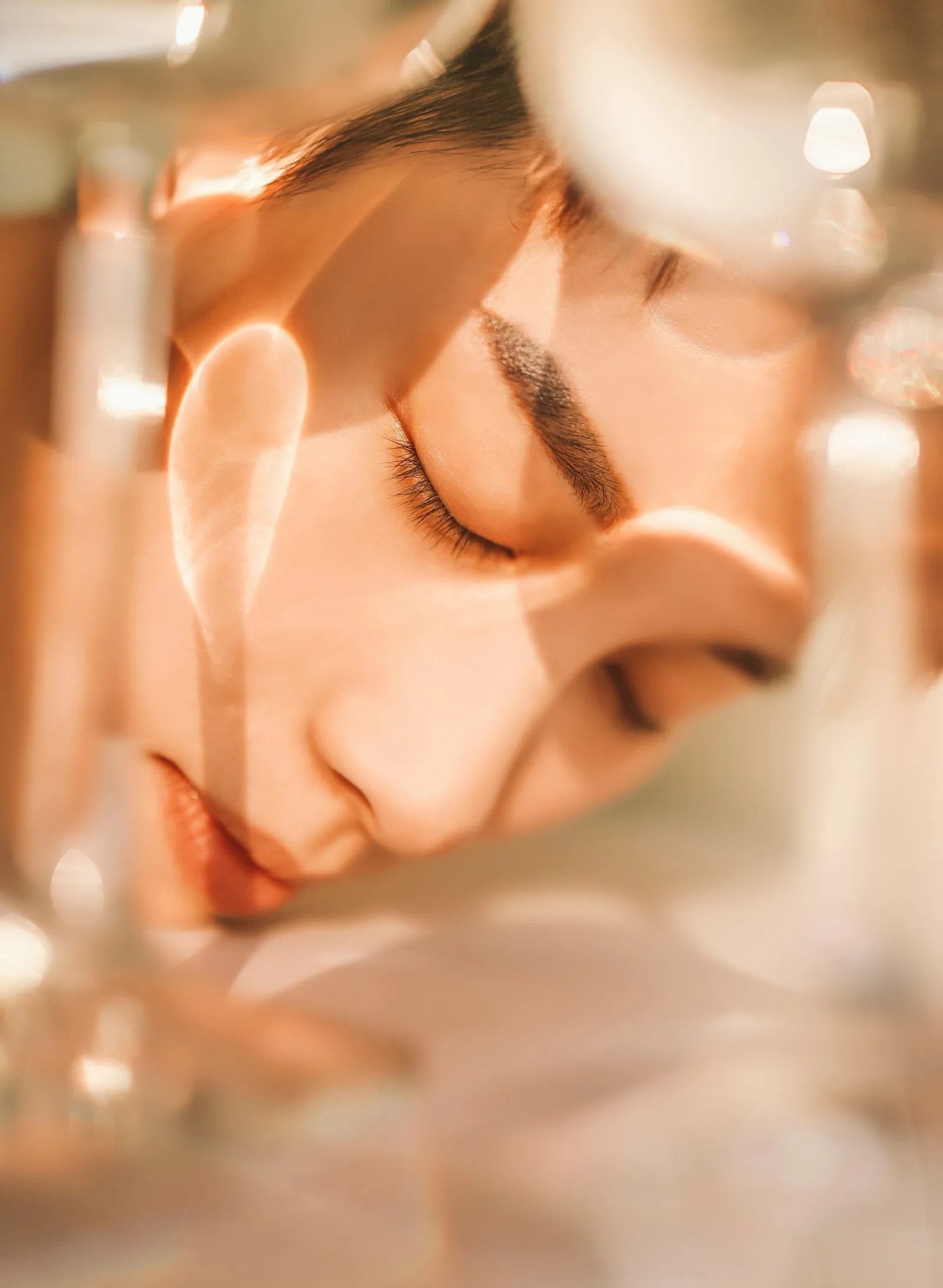
Traditional Heian cosmetics relied strictly on a three-color palette: white powder for the base, black ink for brows and teeth, and crimson rouge for the lips.
Comparing Heian Beauty Ideals vs Modern Japanese J-Beauty
While contemporary J-Beauty looks vastly different on the surface, several underlying philosophies remain remarkably aligned.
Scroll horizontally to view full table
| Attribute | Heian Period Court Standard (794–1185) | Modern J-Beauty Standard (Present) |
|---|---|---|
| Face Surface Ideal | Opaque, flat white powder (*oshiroi*) reflecting candlelight | Translucent, dewy moisture glow (*tsuya-hada*) with natural skin tone |
| Hair Philosophy | Floor-length straight black tresses (*taregami*) symbolizing rank | Soft, bouncy, healthy hair with customized cut and color |
| Eyebrow Placement | Natural brows plucked; painted high on forehead (*hikimayu*) | Natural brow bone shape; soft powder definition without harsh lines |
| Oral Aesthetic | Lacquered pitch-black teeth (*ohaguro*) to mask natural tooth color | Clean, natural ivory teeth supported by daily oral hygiene |
| Application Technique | Thick brush painting and blotting with fine washi paper | Friction-free palm pressing (*masatsu zero*) and lightweight layering |