title: Fragrance-Free vs Unscented in Japanese Skincare: Facts meta_description: Learn fragrance-free vs unscented in Japanese skincare. Understand what mukoryo means, masking scents, natural essential oils, and sensitive skin choices. category: how-japan-works published_at: 2026-11-14 updated_at: 2026-11-14 fact_checked_at: 2026-11-14 author: Miho Tanaka thumbnail: /images/stock/hero-fragrance-free-vs-unscented-japanese-skincare.jpg thumbnail_alt: Minimalist eucalyptus vase symbolizing clean and pure fragrance-free skincare design affiliate: false ja_equivalent: null publish: false
Fragrance-Free vs Unscented in Japanese Skincare: Facts
When international consumers browse Japanese skincare lines aimed at sensitive complexions, bottles frequently feature the claim mukoryo. Many shoppers naturally assume this means the product will possess no detectable scent whatsoever. However, opening the cap sometimes reveals an unmistakable aroma—whether the yeasty note of fermented sake filtrate, the earthy scent of medicinal herbs, or the distinct tang of vitamin derivatives.
This sensory surprise stems from a fundamental distinction in cosmetic labeling: the technical difference between fragrance-free and unscented. Under Japanese cosmetic regulatory guidelines, these terms carry precise legal definitions that directly impact skin tolerability. Understanding what mukoryo actually promises—and how masking scents and natural essential oils alter product safety—is essential for anyone managing reactive or allergy-prone skin.

Quick answer: The Difference Between Mukoryo and Odorless
- Legal Definition of Mukoryo: In Japan, mukoryo translates technically to "fragrance-free." It legally signifies that no synthetic or added fragrance chemicals were formulated into the product to create a pleasant aroma.
- It Does Not Mean Scentless: A mukoryo product can still have a noticeable smell derived from its raw base ingredients, such as botanical oils, amino acids, alcohol, or fermented filtrates.
- The Masking Scent Reality: Products labeled as "unscented" (mushu) sometimes contain subtle masking fragrances specifically designed to neutralize unpleasant base odors, which can still trigger contact dermatitis in sensitive individuals.
- Essential Oils Count as Fragrance: Formulas advertising "natural scent only" often use concentrated plant essential oils (such as citrus peel or lavender), which contain potent volatile aromatic terpenes capable of causing barrier irritation.
What "Mukoryo" Legally Means in Japan
In Japanese cosmetics regulation overseen by the Ministry of Health, Labour and Welfare (MHLW) and the Japan Cosmetic Industry Association (JCIA), product labeling must accurately reflect ingredient functions without misleading consumers.

The Absence of Added Perfuming Agents
When a Japanese product displays mukoryo, it means the manufacturer did not add synthetic or isolated aromatic compounds for the explicit purpose of perfuming the product. The blanket term koryo (fragrance/perfume) will be completely absent from the Japanese ingredient list (zen-seibun).
Shiseido corporate research documentation highlights rigorous dermatological validation standards across its delicate-skin collections, confirming that excluding perfuming additives significantly lowers contact sensitization rates in clinical human patch tests.[1]
Why Your Fragrance-Free Lotion Still Has an Aroma
Because Japanese formulation philosophy prioritizes transparency, formulators rarely add extra chemicals solely to conceal raw ingredient odors. Consequently, a truly fragrance-free product carries the natural olfactory signature of its components:
- Galactomyces and Rice Ferments: Carry a characteristic sour, bready, or sake-like aroma.
- Sulfur and Zinc Oxide: Often emit a faint mineral or earthy scent in clarifying lotions and physical sunscreens.
- Botanical Extracts: Ingredients like dokudami (Houttuynia cordata) or mugwort (yomogi) retain subtle herbal undertones.
- Lipids and Emollients: Plant squalane, shea butter, and lecithin possess mild buttery or nutty baseline scents.
Far from indicating spoilage, these aromas confirm that the manufacturer chose not to mask raw ingredients with secondary aromatic chemicals.
Fragrance-Free vs Unscented: The Masking Scent Reality
While English speakers often use the terms interchangeably, dermatologists and cosmetic chemists view "fragrance-free" and "unscented" as entirely distinct concepts.
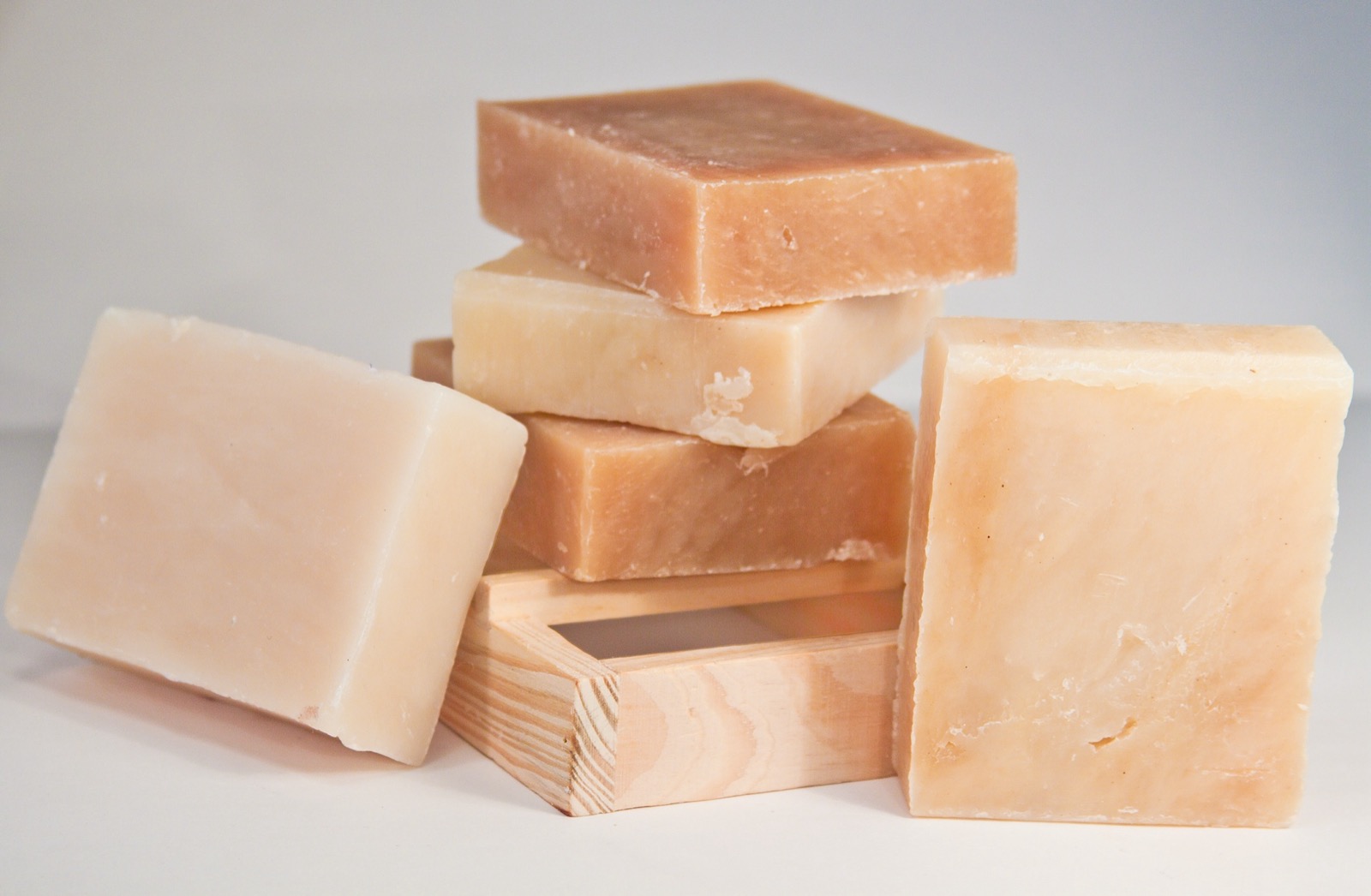
The Chemistry of Masking Fragrances
Raw cosmetic chemicals—including fatty acids, emulsifiers, and surfactants—can produce sharp, oily, or medicinal smells that some consumers find off-putting. To create an "unscented" or odorless product (mushu or kaori-nashi), a chemist may add a microscopic amount of a masking fragrance.
A masking agent does not make the product smell like flowers or fruit. Instead, its volatile molecules interact with the olfactory receptors simultaneously with the foul base odors, effectively cancelling them out and leaving a neutral sensory impression.
Why Fragrance-Free Is Clinically Preferred for Sensitive Skin
While an odorless cream may feel aesthetically neutral, the chemical compounds used to mask base odors are functionally fragrances. For someone with a compromised stratum corneum or an established fragrance allergy, masking compounds pose the exact same risk of allergic contact dermatitis as perfumed body lotions.
Kao Corporation dermatological research demonstrates that minimizing non-essential functional additives—including masking agents—preserves skin barrier homeostasis and reduces sub-clinical cutaneous irritation.[2]
The Essential Oil Trap: "Natural Scent" vs Fragrance-Free
Another frequent point of confusion on Japanese drugstore shelves is products labeled as "Synthetic Fragrance-Free" (gosei-koryo mutenka).
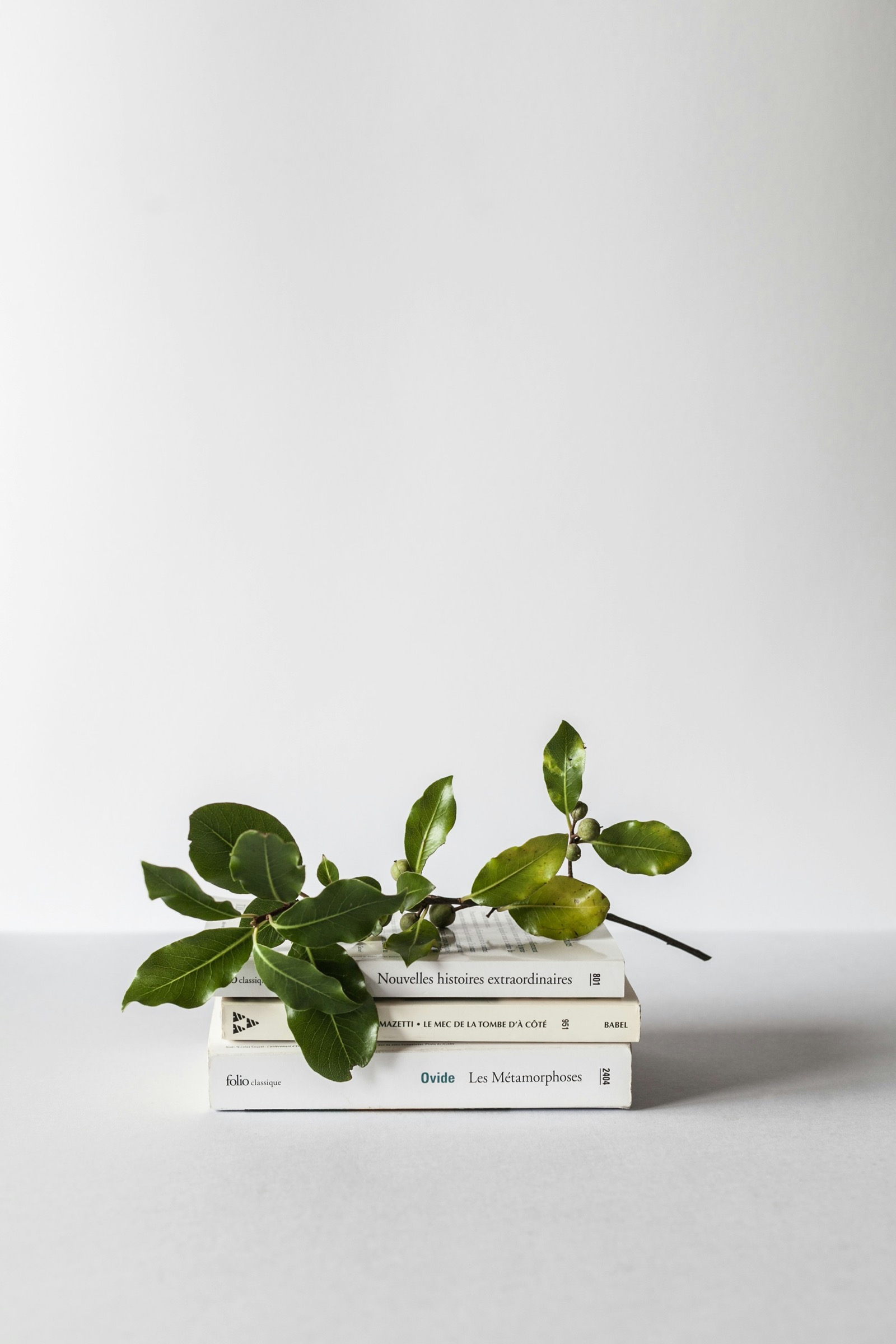
The Reality of Plant Terpenes
To appeal to green-beauty preferences, brands often exclude synthetic perfumes but add natural plant essential oils (seiyu), such as citrus peel oil, lavender oil, eucalyptus, or rosemary oil. Marketers then label the product as having a "natural botanical scent" or "100% natural fragrance."
From a biological standpoint, your skin's immune cells do not distinguish between synthetic fragrance molecules and plant-derived aromatic molecules. Essential oils are dense chemical mixtures containing volatile terpenes like limonene, linalool, citral, and geraniol.
When exposed to ambient oxygen and light, these terpenes oxidize rapidly into potent sensitizing haptens, frequently triggering redness, contact eczema, and photodermatitis.
Comparison Table: Fragrance Terms on Japanese Packaging
To navigate Japanese cosmetics with confidence, review how common packaging terms correspond to actual ingredient safety:
Scroll horizontally to view full table
| Japanese Label Term | English Translation | Formulation Reality | Typical Scent Experience | Sensitive Skin Suitability |
|---|---|---|---|---|
| Mukoryo | Fragrance-Free | Zero added perfuming agents or masking chemicals | Raw ingredients (yeast, herbs, minerals, or faint alcohol) | Highest safety; recommended for reactive skin |
| Gosei-koryo Fushiyo | No Synthetic Fragrance | Free from petroleum-derived perfume, but often contains essential oils | Fresh citrus, floral, or herbal botanical scent | Caution; essential oils can cause allergic reactions |
| Mushu / Kaori-nashi | Unscented / Odorless | May contain masking agents to neutralize base chemical odors | Completely neutral or faint clean scent | Moderate; masking agents can irritate compromised barriers |
| Tennen Seiyu Haigo | Contains Natural Essential Oils | Formulated intentionally with concentrated botanical aromatic extracts | Strong herbal, aromatherapeutic aroma | Avoid if managing active eczema or rosacea |



