title: History of Japanese Skincare: Ancient Rituals to J-Beauty h1: "History of Japanese Skincare: Ancient Rituals to J-Beauty" description: "Explore the rich history of Japanese skincare. Trace how Heian rituals, Edo rice bran cleansing, and modern cosmetic science shaped global J-Beauty habits." meta_description: Explore the rich history of Japanese skincare. Trace how Heian rituals, Edo rice bran cleansing, and modern cosmetic science shaped global J-Beauty habits. category: "how-japan-works" slug: "history-of-japanese-skincare" publish: true published_at: "2026-11-17" hero_image: "/images/stock/mindful-skincare-ritual-indoor-greenery-calm.jpg" hero_image_alt: "Serene traditional Japanese-inspired beauty space featuring botanical skincare and tea elements"
History of Japanese Skincare: Ancient Rituals to J-Beauty
Long before the phrase "J-Beauty" entered the global skincare vocabulary, Japan possessed one of the world's most intricate and meticulously documented grooming cultures. Spanning over a millennium, Japanese beauty practices evolved from the ritualized courts of ancient Kyoto to the bustling merchant neighborhoods of Edo, eventually fusing with Western pharmacy science in modern Tokyo.
Throughout this long evolution, one core aesthetic principle remained remarkably constant: the reverence for smooth, bare, naturally hydrated skin. Rather than viewing skincare merely as a canvas for thick pigment, Japanese traditions view facial care as an essential discipline of purity, wellness, and mindful respect for the body.
Japanese skincare evolved across three distinct epochs: the ancient and Heian periods (794–1185), where aristocratic courtiers used rice powder and botanical extracts; the Edo period (1603–1867), when accessible merchant culture popularized natural rice bran (*komenuka*) pouches, nightingale droppings (*uguisu no fun*), and loofah water (*hechima-sui*); and the Meiji era onward (1868–present), which saw the birth of modern scientific laboratories, the abolition of toxic lead cosmetics, and the formulation of high-tech hydrating lotions like *Eudermine* in 1897.
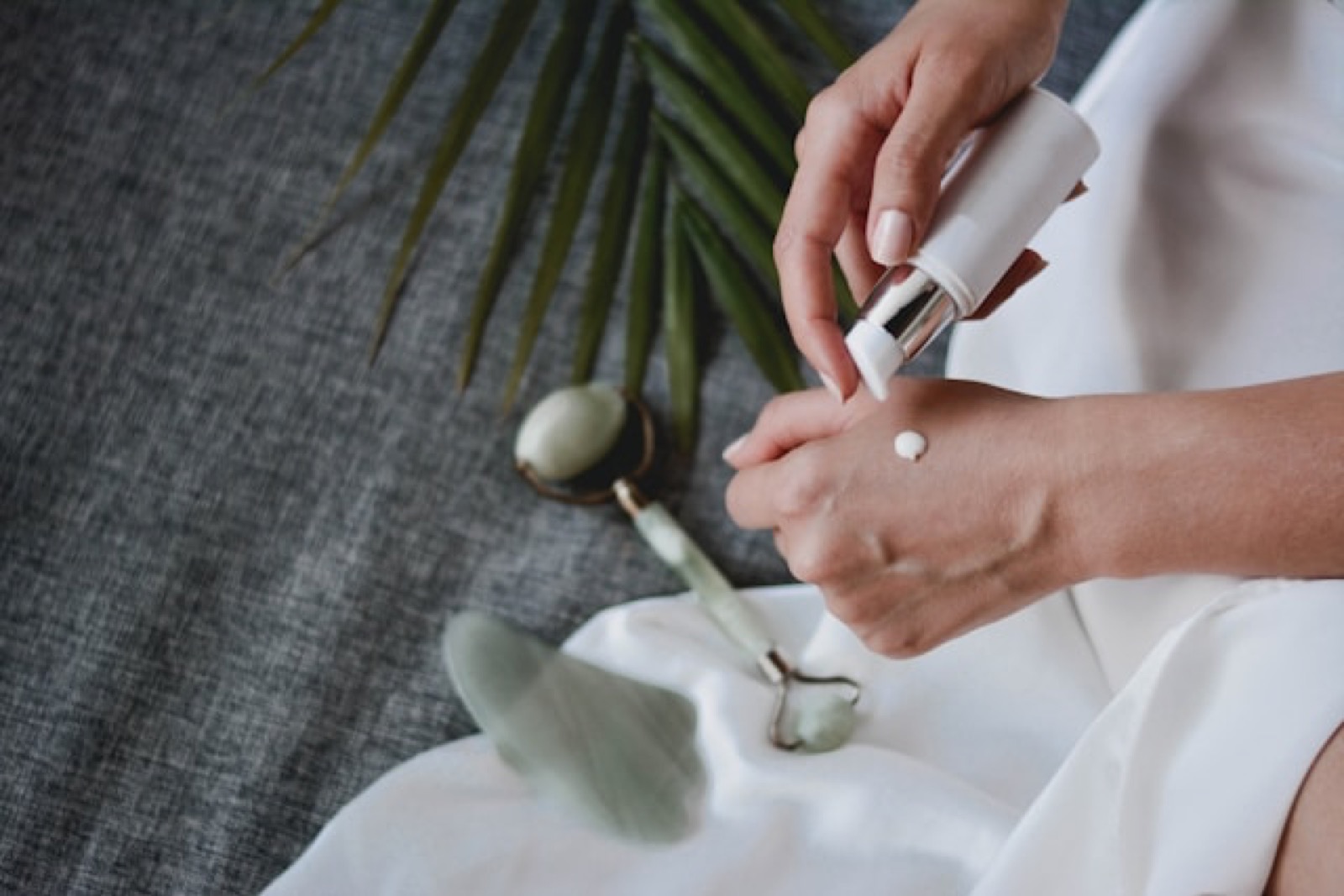
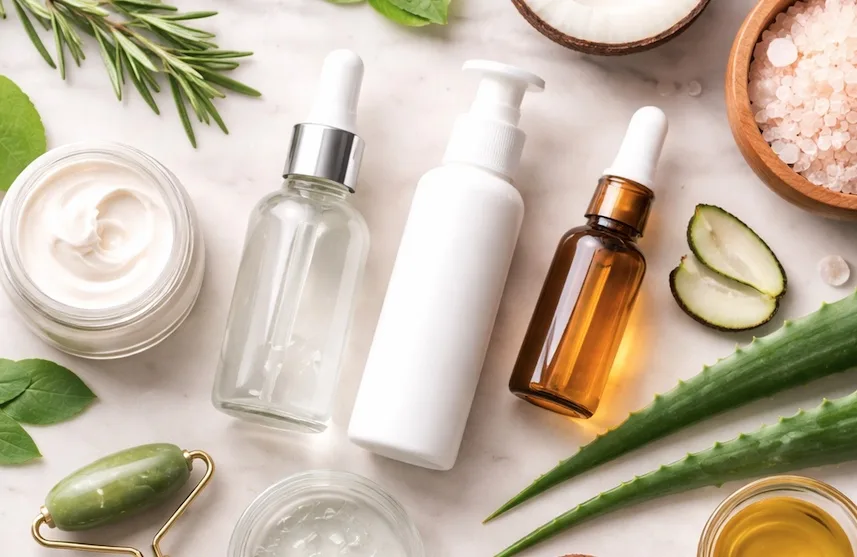
Traditional Japanese beauty spaces integrated seasonal botanicals, gentle steam, and natural oils into daily hygiene rituals.
Ancient Origins and the Heian Aristocracy (794–1185)
The earliest recorded beauty rituals in Japan were closely intertwined with Shinto rituals of purification (misogi), where washing with pure cold water was believed to cleanse both spiritual impurities and physical dust.
During the Asuka and Nara periods (538–794), diplomatic missions to Tang Dynasty China introduced advanced cosmetic manufacturing techniques to Japan. By the golden age of the Heian court in Kyoto (794–1185), beauty standards among female aristocrats reached unprecedented heights of sophistication. Noblewomen grew ankle-length straight black hair, plucked and redrew high smudge-like eyebrows (hikimayu), and applied white cosmetic face coatings.
Historically, traditional Japanese face makeup known as oshiroi also produced using white lead[1] became the dominant aristocratic look, serving to brighten faces under the dim candlelight of traditional palace interiors. Alongside decorative makeup, Heian ladies practiced careful facial cleansing, soaking botanical seeds and camellia leaves in spring water to wipe away heavy pigments without excessively drying their skin.
Edo Period: The Flowering of Everyday Skincare and Natural Botanicals (1603–1867)
When the Tokugawa shogunate established its administrative capital in Edo (modern Tokyo), Japan entered an unprecedented two-and-a-half-century period marked by peace and stability, urbanization and economic growth[3].
During this vibrant era, beauty was no longer restricted to cloistered imperial aristocrats. As commerce flourished, common townswomen (chonin) embraced affordable, natural grooming. Because heavy aristocratic white makeup was considered impractical for daily life, Edo women prioritized cultivating clear, radiant bare skin (suhada).
The Edo period witnessed the creation of seminal beauty guidebooks, such as the famous 1813 manual Miyako Fuzoku Kewaiden ("The Capital's Guide to Grooming Customs"). This text instructed readers on washing the face with cotton pouches filled with rice bran. Botanically, bran consists of the hard outer layers of cereal grain[2] that are polished away during rice milling. Rich in moisturizing fatty acids, vitamin E, and natural ferulic acid, these damp rice bran pouches (nukabukuro) cleansed skin gently without stripping essential lipids.
Townswomen also utilized vine-tapped loofah water (hechima-sui) as a soothing toner, applied pure camellia (tsubaki) oil from the Izu Islands to condition hair and cuticles, and used enzyme-rich nightingale powder (uguisu no fun) to lift stubborn surface stains and dead skin cells.
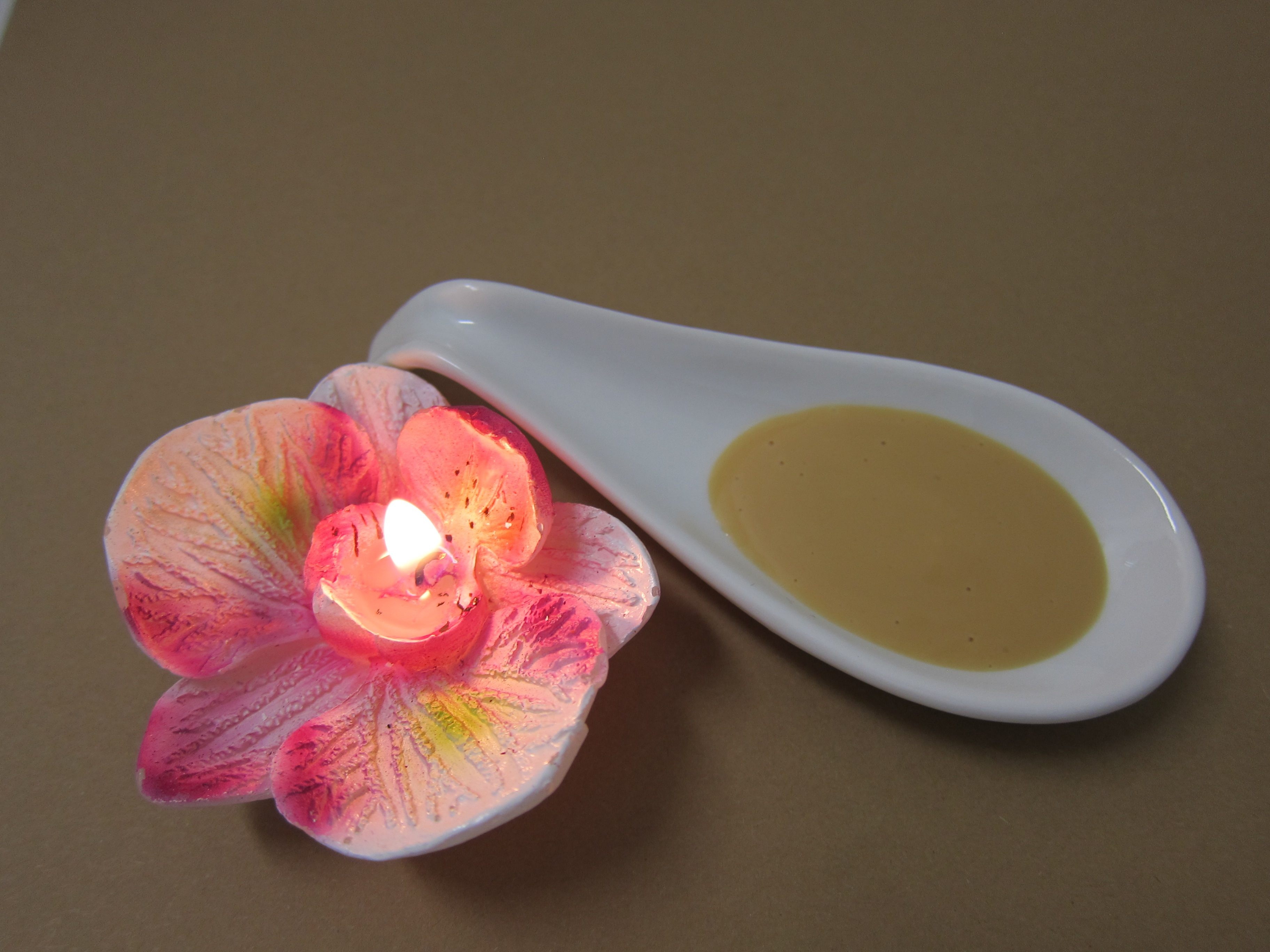
Natural plant lipids like camellia seed oil provided vital barrier moisture long before synthetic cosmetic creams existed.
Timeline of Japanese Skincare Evolution
The transformation of Japanese skincare across major historical eras reflects changing political landscapes, cultural ideals, and scientific breakthroughs.
Scroll horizontally to view full table
| Historical Era | Dominant Beauty Aesthetic | Core Ingredients & Rituals | Enduring Legacy in Modern J-Beauty |
|---|---|---|---|
| Heian Period (794–1185) | Porcelain white court skin, floor-length glossy black hair | Rice flour powder, lead-based *oshiroi*, camellia leaf washes | Focus on facial translucency and gentle evening oil cleansing |
| Edo Period (1603–1867) | Refined bare skin (*suhada*), subtle natural lip red (*beni*) | Rice bran bags (*nukabukuro*), loofah toner (*hechima-sui*), tsubaki oil | Zero-friction gentle washing, double hydration layering |
| Meiji & Taisho (1868–1926) | Westernized hygienic science, lead-free cosmetics | Western apothecary lotions (*Eudermine*), cold creams, zinc powders | Water-first skincare lotions (*keshosui*) and scientific safety testing |
| Showa Period (1926–1989) | Modern high-performance emulsions, sunscreen defense | Synthetic ceramides, amino acid surfactants, tone-brightening actives | PA UV rating system, double cleansing oils, sheet mask rituals |
| Heisei & Reiwa (1989–Present) | *Mochi-hada* (plump skin), barrier recovery, fermented botanicals | Fermented rice filtrates (*Pitera*), sake lees, biotech squalane | Minimalist ingredient transparency, refillable packaging |