title: How to Use Japanese Sheet Masks Correctly: Full Guide h1: "How to Use Japanese Sheet Masks Correctly: Full Guide" description: "Learn how to use Japanese sheet masks correctly. Discover ideal wear time, daily vs weekly frequency, reverse osmosis risks, and proper sealing steps." meta_description: Learn how to use Japanese sheet masks correctly. Discover ideal wear time, daily vs weekly frequency, reverse osmosis risks, and proper sealing steps. category: "how-japan-works" slug: "how-to-use-japanese-sheet-masks-correctly" publish: true published_at: "2026-11-17" hero_image: "/images/stock/woman-applying-sheet-mask-bathroom.jpg" hero_image_alt: "Woman carefully smoothing a hydrating Japanese sheet mask across her face in a modern bathroom"
How to Use Japanese Sheet Masks Correctly: Full Guide
Sheet masks are an essential pillar of Japanese skincare culture. From affordable multi-pack boxes intended for daily hydration to luxuriously thick single-sheet options infused with rich botanical serums, these pre-cut fabric masks offer concentrated moisture delivery. However, maximizing their hydrating potential requires more than simply slapping a wet sheet onto your face and waiting until it dries out.
To use Japanese sheet masks correctly, apply them to freshly cleansed and lightly hydrated skin for strictly 10 to 15 minutes—never leaving the sheet on until it turns dry. Daily multi-pack masks provide lightweight hydration suitable for morning or evening use, whereas rich serum masks are intended for 1 to 2 times weekly. Always peel the sheet off while it remains moist, gently press excess essence into the skin, and apply an emulsion or moisturizing cream immediately to seal the hydration.

Carefully aligning a sheet mask ensures comprehensive hydration across delicate facial contours.
The science of sheet masking: Occlusion and hydration
The underlying mechanism of sheet masking relies on temporary physical occlusion. When an essence-soaked sheet covers the face, it creates a semi-permeable seal that dramatically slows atmospheric evaporation. This trapped moist microclimate increases local skin temperature slightly and softens the stratum corneum, which is the outermost layer of the epidermis [2] that acts as the primary moisture barrier.
Because the stratum corneum absorbs water through prolonged contact, water-soluble humectants—such as glycerin and hyaluronic acid—saturate superficial corneocytes efficiently. Hyaluronic acid is an essential polysaccharide found naturally in human biology, distributed widely throughout connective [4] tissues where it cushions cellular structures and holds water molecules.
By holding these humectants against the skin without rapid drying, sheet masks plump surface cells, smooth dry micro-cracks, and prepare the skin to receive subsequent lipid-based moisturizers.
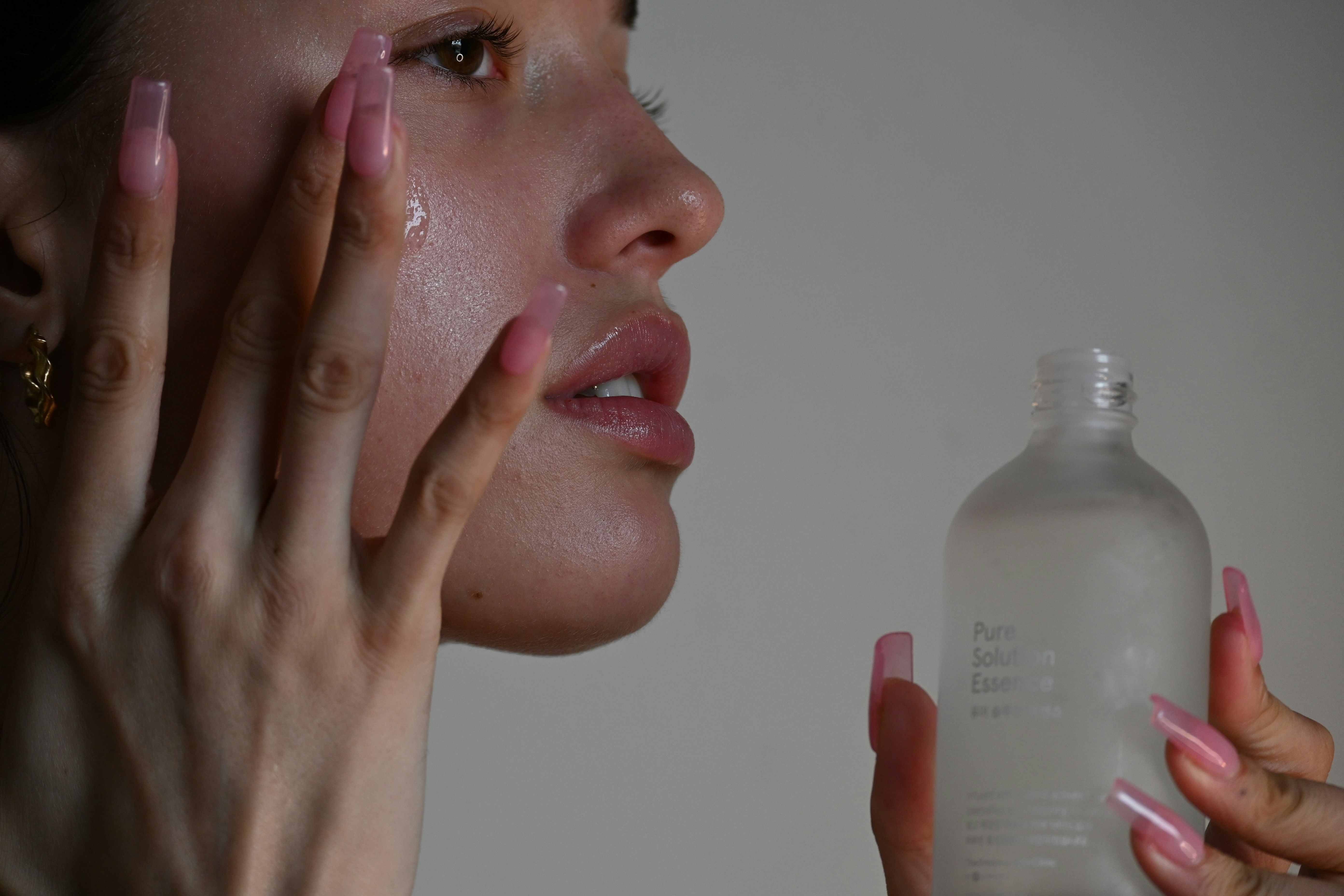
Pre-hydrating the skin with a lightweight lotion allows the sheet mask essence to spread evenly.
Step-by-step: How to apply a Japanese sheet mask correctly
Following a methodical routine ensures that your skin absorbs beneficial humectants without irritation or barrier disruption. Use these five practical steps:
1. Cleanse gently and apply a light toner base
Always begin with clean skin. The American Academy of Dermatology advises individuals to wet your face with lukewarm water and use your fingertips to apply cleanser [1] to avoid unnecessary friction. After washing away surface impurities, pat your face dry and apply a few drops of watery Japanese lotion (keshosui). Pre-moistening the epidermis acts as a pathway, allowing the sheet mask essence to distribute evenly without beading up.
2. Smooth the sheet from center to outward edges
Carefully unfold the sheet mask. Align the eye openings first, followed by the nose bridge and mouth. Gently smooth the fabric outward toward your temples, jawline, and hairline, pressing out trapped air bubbles. The closer the fabric adheres to your facial contours, the more consistent the hydration transfer will be.
3. Time your session: 10 to 15 minutes maximum
Check the packaging for specific manufacturer recommendations, which typically range between 10 to 15 minutes (or 5 to 10 minutes for rapid morning sheets). Set a phone timer immediately. Never exceed 20 minutes, and never go to sleep wearing a sheet mask.
4. Remove while the sheet is still visibly damp
When your timer goes off, peel the mask gently downward from your forehead to your chin. At this point, the fabric should still feel cool and saturated. Fold the used mask in half and gently press it against your neck, chest, or hands to share the remaining essence.
5. Press essence flat and seal with moisturizer
Do not rinse your face after masking. Instead, use the flat palms of your hands to gently press remaining surface essence into your face until lightly absorbed. Immediately apply an emulsion (nyueki) or facial cream to create an occlusive lipid shield, locking the moisture into the upper skin layers.
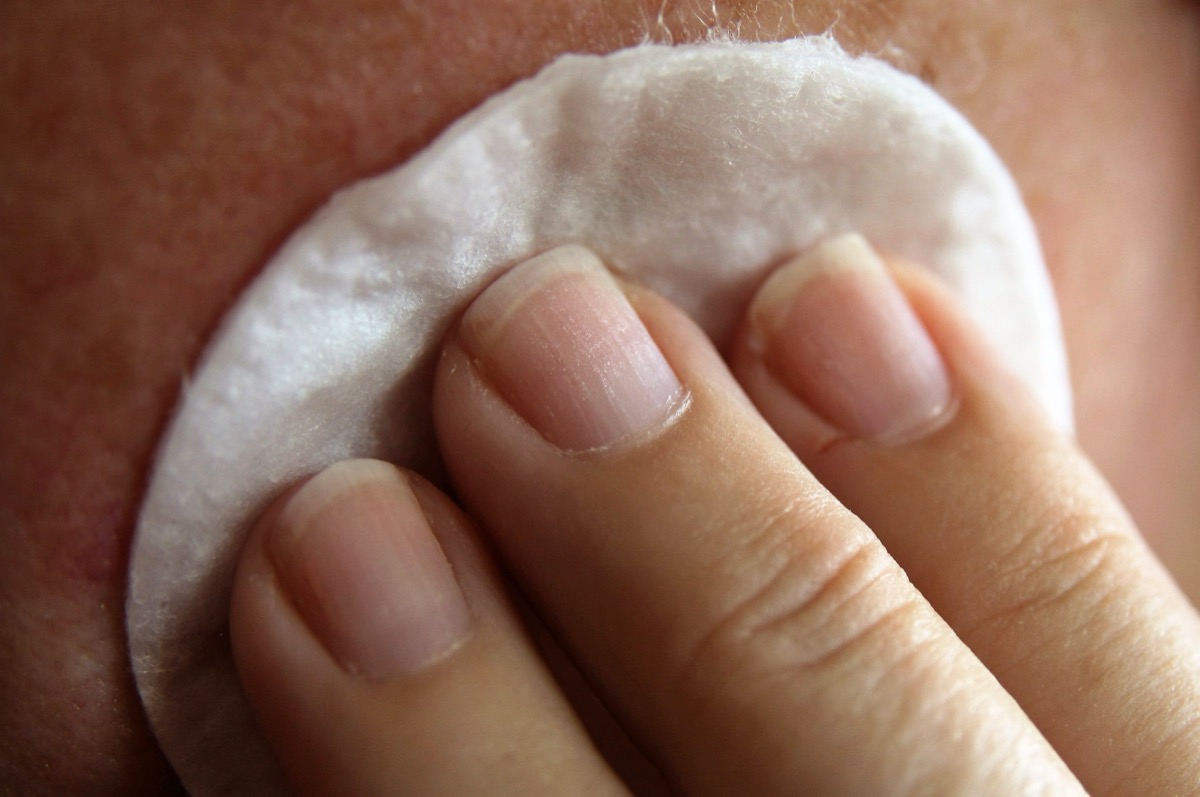
Press remaining essence gently into the skin rather than aggressively rubbing or wiping.
Timing and frequency: Daily multi-packs vs concentrated weekly masks
Japanese drugstores feature a vast array of sheet masks ranging from bulk boxes of 32 sheets to premium individually sealed foil pouches. Understanding their differing formulations is vital for setting the right routine cadence.
Scroll horizontally to view full table →
| Mask Category | Essence Texture | Recommended Frequency | Ideal Wear Time | Primary Routine Role |
|---|---|---|---|---|
| Daily Multi-Pack Masks (Box / Zip Pouch) | Watery, lightweight lotion | Daily (morning or evening) | 5 to 10 minutes | Lotion substitute for rapid, daily barrier hydration |
| Weekly Intensive Serum Masks (Single Pouch) | Dense, viscous serum or milk | 1 to 2 times weekly | 10 to 15 minutes | Special care replenishment for stressed, dry skin |
| Clarifying / Mild Exfoliating Masks | Aqueous essence with mild fruit acids | Once weekly | 5 to 10 minutes | Smoothing rough patches and loosening dull keratin |
| Morning Quick Prep Masks | Refreshing, botanical astringent blend | Daily morning routine | 1 to 3 minutes | Cleansing, hydrating, and priming before makeup |