title: Japanese Beauty Magazines & Influencer Culture: Media Guide description: "Explore Japanese beauty magazine and influencer culture. Discover how VoCE, Biteki, @cosme rankings, and Tokyo beauty creators shape skincare trends." meta_description: Explore Japanese beauty magazine and influencer culture. Discover how VoCE, Biteki, @cosme rankings, and Tokyo beauty creators shape skincare trends. published_at: "2026-11-17" updated_at: "2026-11-17" fact_checked_at: "2026-11-17" author: "Miho Tanaka" category: "how-japan-works" slug: "japanese-beauty-magazine-and-influencer-culture" thumbnail: "/images/stock/beauty-lifestyle-cosmetics-notebook-eyecatch.jpg" thumbnail_alt: "Japanese beauty magazine layout surrounded by cosmetic bottles and notes on a wooden vanity" affiliate: false ja_equivalent: null publish: true
Japanese Beauty Magazines & Influencer Culture: Media Guide
In an era where Western beauty coverage has largely shifted entirely to digital algorithms, Japan maintains a uniquely powerful, multi-tiered media ecosystem. Glossy monthly magazines, rigorous consumer ranking databases, laboratory test journals, and scientific social media creators collaborate and compete to guide consumer purchasing decisions.
Understanding how Japanese beauty media operates provides valuable insight into why certain J-Beauty formulations achieve cult status and how everyday consumers separate marketing excitement from genuine cosmetic performance.
Japanese beauty media operates through a rigorous multi-tiered verification system combining glossy editorial authority, independent laboratory testing, and crowdsourced consumer data. Prestigious monthly magazines (*VoCE*, *Biteki*, *MAQUIA*) direct seasonal trends and include luxury deluxe product samples (*furoku*). Meanwhile, ad-free testing publications like *LDK the Beauty* evaluate cosmetic formulas with laboratory instruments, while massive review databases like *@cosme* catalogue consumer feedback. In the digital realm, Japanese beauty influencers lean into cosmetic formulation analysis, dermatologist guidance, and strict legal sponsorship disclosures rather than superficial lifestyle promotion.
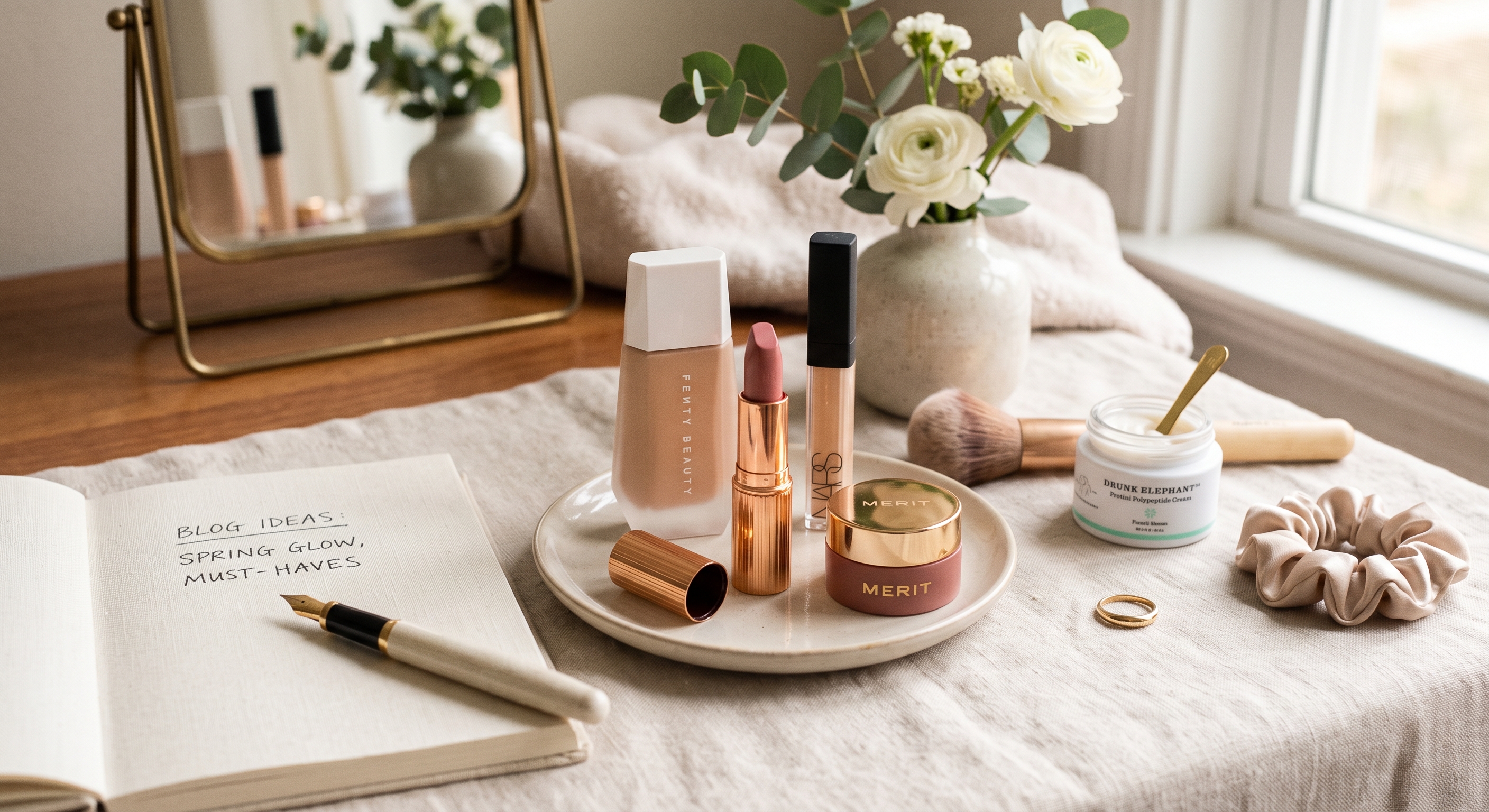
Editorial spreads in Japanese beauty magazines blend detailed application photography with precise ingredient analysis.
The Big Three: How Glossy Print Magazines Lead the Industry
While Western print publications have faced severe circulation declines, Japanese beauty magazines continue to thrive as authoritative, high-prestige institutions. A magazine is a periodical publication, print or digital, produced on a regular schedule[1], and in Tokyo's publishing world, beauty titles serve as core trend incubators.
Three publications dominate newsstands across Japanese train stations and bookstores:
1. VoCE (Kodansha)
Launched in 1998, VoCE is widely recognized as Japan's pioneering pure-beauty magazine. It prioritizes trend-forward aesthetics, high-fashion editorial imagery, and deep dives into cutting-edge skincare biotechnology. VoCE readers look for early previews of upcoming seasonal makeup collections and breakthrough active ingredients (such as novel fermented extracts and stable vitamin derivatives).
2. Biteki (Shogakukan)
Biteki focuses squarely on realistic, skin-first wellness and daily habit refinement. Its editorial philosophy centers on achieving translucent, plump "bare skin" through gentle layering, hydration techniques, and internal wellness. Its features break down morning and evening routines minute by minute, catering to working women navigating seasonal dryness and fatigue.
3. MAQUIA (Shueisha)
Positioned between luxury refinement and practical tutorials, MAQUIA is celebrated for its exhaustive "Top Cosmetics Awards" (Besucos). Each biannual award issue compiles detailed scorecards from hundreds of professional makeup artists, dermatologists, and beauty journalists who score products blind on sensory feel, absorption rate, and visible finish.
The Furoku Phenomenon: Deluxe Cosmetic Samples
A defining characteristic of Japanese beauty publishing is the concept of furoku—deluxe gifts and product samples attached to the cover of every monthly issue.
Unlike simple paper scent strips or foil sachets commonly found in Western periodicals, Japanese magazines routinely bundle:
- Travel-sized (15ml to 30ml) bottles of premium facial lotions or cleansing oils.
- Full-sized Japanese sheet masks or luxury hydrogel patches.
- Custom-molded foundation sponges, facial massage rollers, or travel pouches created in official collaboration with high-end brands.
Publishers coordinate these partnerships months in advance with cosmetic houses. For brands, furoku provides a direct, friction-free sampling conduit to hundreds of thousands of engaged skincare consumers. For readers, purchasing an 800-to-1,000 yen magazine offers an accessible way to trial expensive formulations before committing to full-sized department store jars.
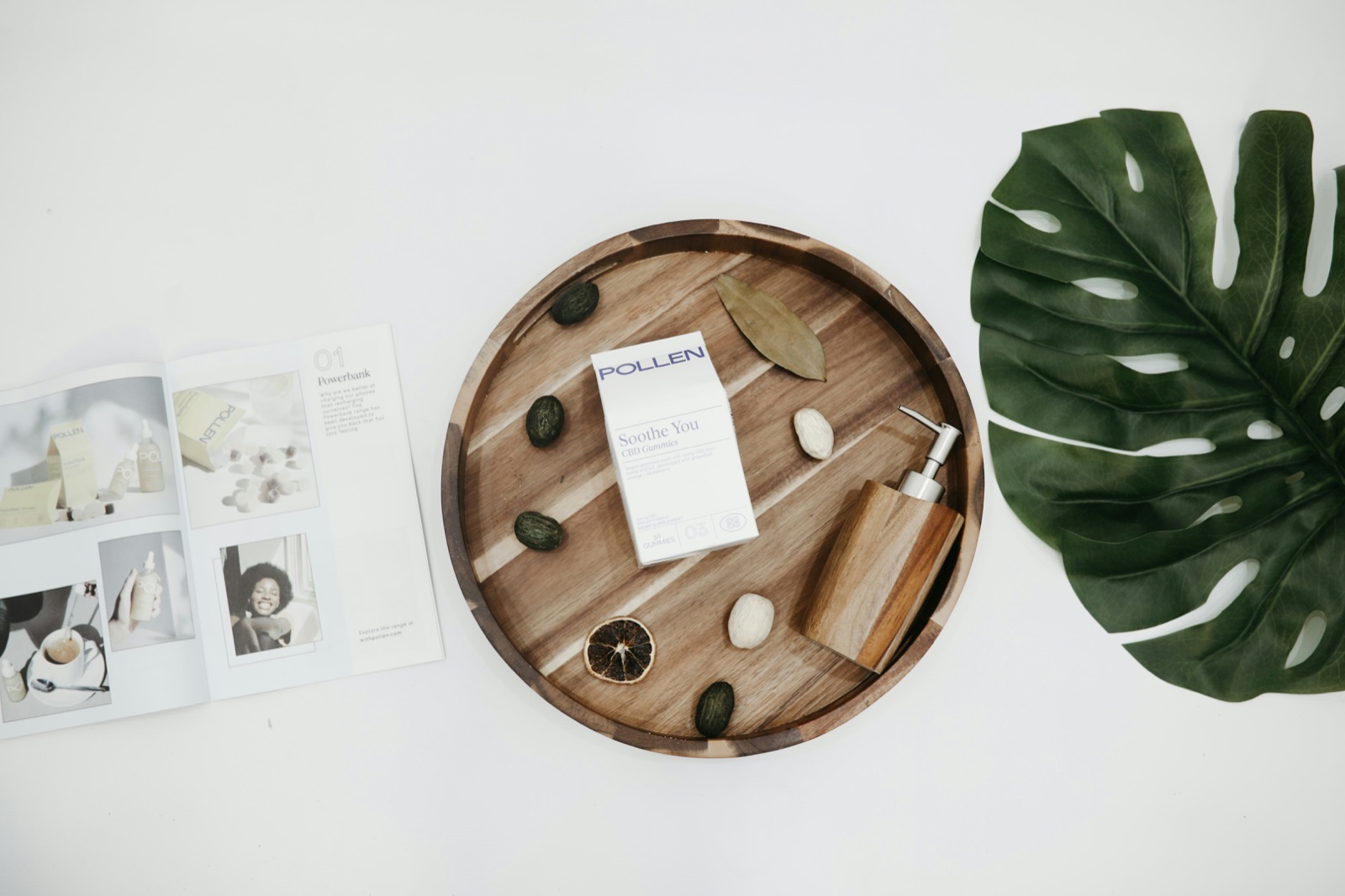
Deluxe travel samples bundled with magazines enable beauty enthusiasts to evaluate texture compatibility before purchasing full bottles.
Independent Lab Testing: The Rise of LDK the Beauty
In 2015, the landscape of Japanese beauty journalism shifted significantly with the explosive success of LDK the Beauty.
Published by Shinyusha, LDK operates on an uncompromising editorial standard: it accepts zero paid cosmetic advertisements. Instead, its editorial team purchases every product off retail shelves and subjects them to rigorous testing in controlled laboratory environments.
Common LDK testing protocols include:
- Corneometer moisture retention: Measuring skin hydration levels in a humidity-controlled chamber at baseline, 30 minutes, and 3 hours post-application.
- Microscopic friction analysis: Testing facial cotton pads and cleansing oils for mechanical drag against artificial skin models.
- UV blocking durability: Exposing UV formulas to artificial sebum and water sprays before measuring UV ray transmission via specialized spectrophotometers.
Because LDK assigns blunt letter grades (from A+ down to D), it frequently debunks overpriced prestige creams while elevating obscure 700-yen drugstore toners to overnight viral sensations. This uncompromising testing culture has compelled mainstream beauty brands to elevate formulation standards.
The Consumer Database: @cosme and LIPS Review Ecosystems
Before any Japanese consumer purchases a new moisturizer or sunscreen, checking crowdsourced customer review databases is nearly mandatory. A customer review is an evaluation of a product or service made by someone who has purchased and used[2] the item, providing prospective buyers with authentic operational feedback.
@cosme (Istyle Inc.)
Founded in 1999, @cosme (pronounced "at-cosme") is Japan's largest cosmetics portal. It catalogues virtually every beauty product released in the domestic market, backed by tens of millions of verified reviews.
- The "Hall of Fame" (Dendouiri): Products that capture first place in their category across multiple consecutive years achieve Hall of Fame status. In Japanese drugstores, seeing a gold @cosme seal sticker on a bottle is universally recognized as a mark of reliability.
- Flagship Experience Stores: The company operates sprawling multi-story physical retail temples (such as @cosme TOKYO in Harajuku), where products are physically displayed according to their real-time website ranking rather than by brand counter.
LIPS (AppBrew Inc.)
While @cosme skews toward working professionals and multi-decade beauty shoppers, LIPS has captured younger Gen Z and millennial audiences through a mobile-first, photo-heavy feed format similar to Instagram. Users share unfiltered, macro-lens swatch photos, ingredient label scans, and side-by-side wear tests over 8-hour workdays.
Mobile review communities like LIPS allow beauty shoppers to compare real-world swatches and wear tests instantly.
Social Media Creators & Ingredient-First Influencers
Japanese beauty social media has evolved distinct characteristics that separate it from Western influencer trends. Influencer marketing is a form of social media marketing involving endorsements and product placement[3], but Tokyo audiences have grown exceptionally wary of purely sponsored lifestyle posts.
Instead, Japanese beauty consumers gravitate toward two primary creator archetypes:
1. Cosmetic Chemists and Formulation Analysts
Creators who dissect Japanese cosmetic ingredient lists (zen-seibun) line by line command massive followings on YouTube and X (formerly Twitter). Rather than focusing on packaging or brand prestige, these creators explain surfactant structures, emulsifier mildness, preservative systems, and specific humectant ratios. Their commentary demystifies marketing claims and teaches followers how to identify cost-effective formulations.
2. Dermatologists and Medical Aestheticians
Practicing Japanese dermatologists frequently run educational channels that counter online misinformation. They emphasize barrier preservation, proper sunscreen dosage, the physiological reality of the skin microbiome, and the dangers of aggressive physical exfoliation.
Throughout Japanese media, the philosophical concept of beauty remains a feature of objects that makes them pleasurable to perceive[4], yet contemporary consumers prioritize foundational skin integrity over superficial cosmetic illusions.
Media Verification Landscape: Channels Compared
To understand where Japanese consumers seek validation for different skincare concerns, review this comparative breakdown:
Scroll horizontally to view full table
| Media Channel | Primary Strength | Commercial Stance | Typical Audience Goal |
|---|---|---|---|
| Glossy Magazines (*VoCE*, *Biteki*) |
Trend forecasting, luxury swatches, seasonal *furoku* samples | Brand-sponsored editorial features | Discovering new launches, learning polished makeup looks |
| Testing Journals (*LDK the Beauty*) |
Instrumental lab tests, friction checks, hydration measurements | Strictly independent; zero ad revenue | Verifying whether expensive claims match measurable reality |
| Review Portals (*@cosme*, *LIPS*) |
Statistical rankings, large-scale consumer consensus | User-generated data with sponsored promotional tiers | Checking feedback from peers with identical skin types |
| Science Creators (Chemists, Doctors) |
Ingredient list transparency, skin physiology explanations | Mix of educational content and declared sponsorships | Avoiding irritating additives and choosing functional actives |