title: Japanese Body Lotion and Body Milk Guide: Key Differences h1: "Japanese Body Lotion and Body Milk Guide: Key Differences" description: "Demystify Japanese body lotion and body milk differences. Learn watery vs emulsion textures, seasonal hydration layering, barrier sealing, and application tips." meta_description: Demystify Japanese body lotion and body milk differences. Learn watery vs emulsion textures, seasonal hydration layering, barrier sealing, and application tips. category: "how-japan-works" slug: "japanese-body-lotion-and-body-milk-guide" publish: true published_at: "2026-11-17" hero_image: "/images/stock/skincare-body-cream-arm-application-pink.jpg" hero_image_alt: "Woman gently smoothing a delicate hydrating body moisturizer across her arm in soft lighting"
Japanese Body Lotion and Body Milk Guide: Key Differences
In Western skincare markets, the phrase "body lotion" is a broad umbrella term describing almost any pump-dispensed daily moisturizer. In Japan, however, body moisturization mirrors the sophisticated step-by-step logic of facial care. When browsing Japanese beauty aisles, shoppers quickly notice two distinct product categories positioned side by side: body lotion (bodi-roshon) and body milk (bodi-miruku). Understanding the physical differences between these formulations is the key to maintaining comfortable, flake-free skin year-round.
In Japanese skincare, "body lotion" (*bodi-roshon*) refers to a watery, aqueous humectant liquid that replenishes surface moisture without oiliness—much like a facial toner for the body. In contrast, "body milk" (*bodi-miruku*) is an oil-in-water emulsion combining humectants with emollient lipids to lock in hydration and soften the skin. Body lotions are ideal for hot, muggy summers and oil-prone zones (such as the chest and upper back), whereas body milks are essential for dry winter weather and moisture-depleted limbs like shins, knees, and elbows.
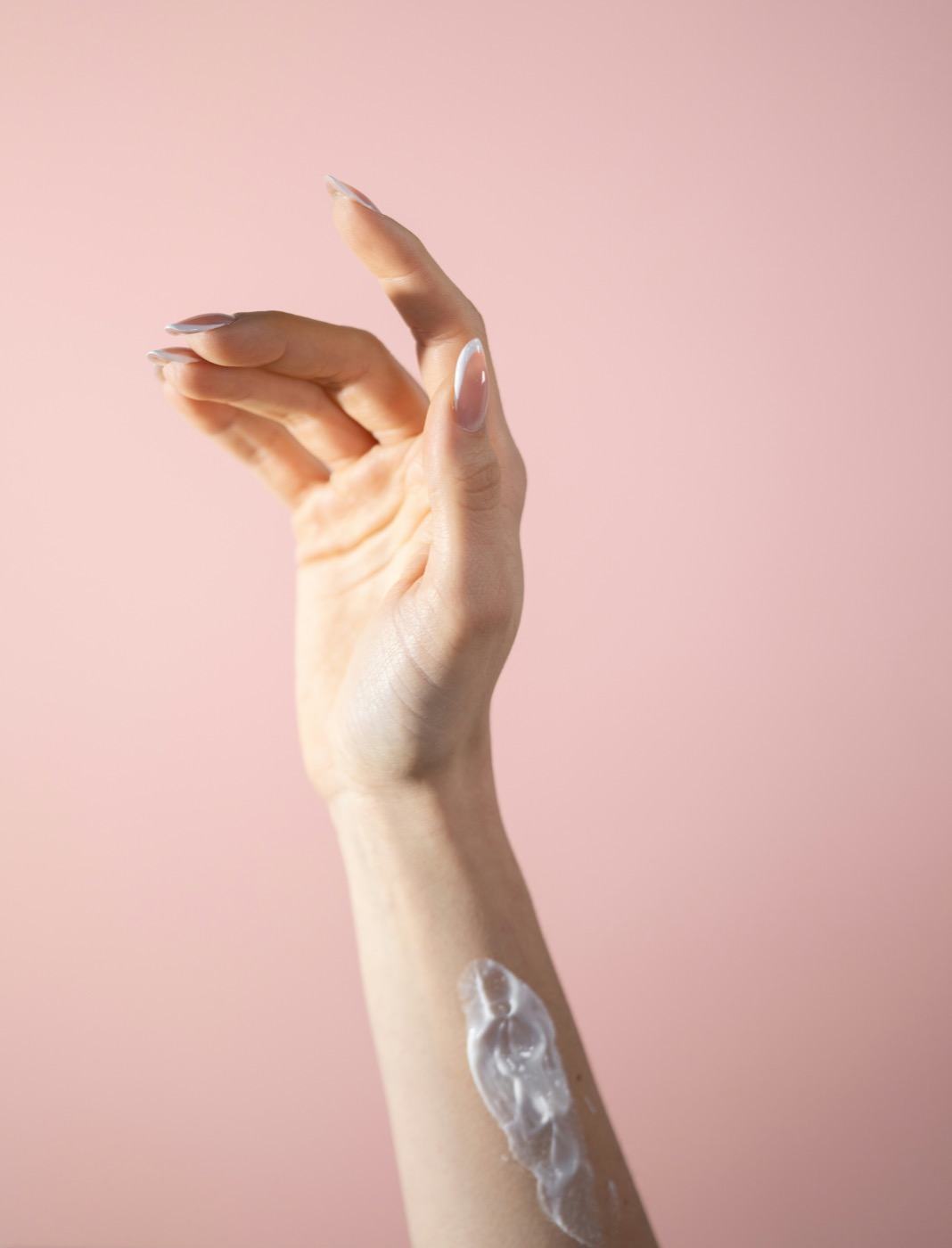
Japanese body care differentiates between watery hydration and lipid-sealing emulsions to target specific skin needs.
Decoding Japanese terminology: Body lotion (roshon) vs body milk (miruku)
The distinction between Japanese body lotions and body milks comes down to the fundamental ratio of water-soluble humectants to lipid emollients:
1. Japanese Body Lotion (Bodi-roshon)
Just as facial lotion (keshosui) in Japan serves as a watery hydrator rather than a thick cream, a Japanese body lotion is primarily an aqueous formulation. Infused with ingredients like hyaluronic acid, glycerin, trehalose, and botanical extracts, it has a fluid, water-like consistency that splashes onto the skin and absorbs in seconds without leaving a greasy sheen.
Its primary function is to deliver pure water hydration to the stratum corneum, which is the outermost layer of the epidermis [2] responsible for environmental defense. Because it contains little to no lipid content, it provides zero heavy coating, making it comfortable to slip into tight clothing or sleep under warm sheets immediately after application.
2. Japanese Body Milk (Bodi-miruku)
In formulation science, an emulsion is a mixture of two or more liquids that are normally immiscible [1], stabilized by emulsifiers. A Japanese body milk (nyueki for the body) is a classic oil-in-water (O/W) emulsion featuring a silky, pourable, milky texture.
While it delivers water-soluble moisture, it also contains light emollient oils (such as squalane, jojoba, ceramides, or mineral oil). The lipid phase forms a breathable, microscopic shield over the epidermis that slows down moisture evaporation and softens rough, sandpaper-like keratin patches.
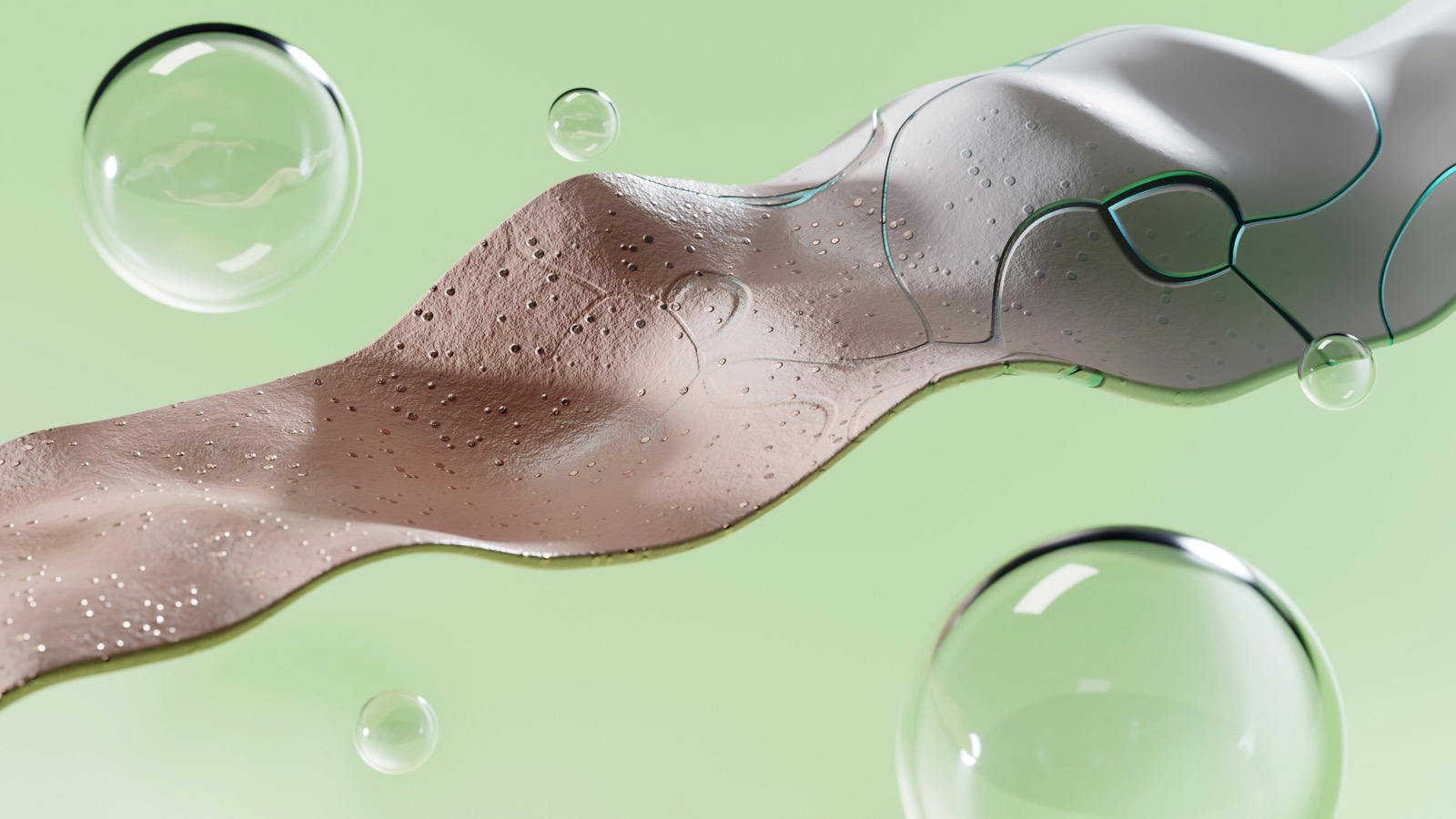
Watery Japanese body lotions absorb instantaneously without leaving residual stickiness or oil films.
When to choose body lotion vs body milk: Key factors
Choosing between a body lotion and a body milk depends on three practical factors: climate, anatomy, and lifestyle timing.
1. Climate and seasonality
Japan experiences dramatic seasonal shifts, from the suffocating humidity of summer monsoon (tsuyu) to the bone-dry cold of Siberian winter winds.
- Summer / Humid Weather: Body lotions or lightweight gel lotions provide cooling hydration without trapping sweat or feeling suffocating on humid commutes.
- Winter / Dry Heating: Dry indoor radiators and low ambient humidity rapidly strip skin moisture. Body milk provides the essential lipid seal required to protect against dry flaking and tight winter itch (senile pruritus).
2. Anatomical zones and sebum distribution
Human body skin is not uniform. The chest, upper back, and shoulders contain dense clusters of sebaceous glands and are prone to clogged pores and body blemishes. These central zones thrive on lightweight, oil-free body lotions. Conversely, the shins, calves, knees, and elbows possess almost zero sebaceous activity, making them prone to severe dehydration; these extremities demand the richer emollient cushioning of a body milk.
3. Application timing: Morning vs post-bath
- Morning / Pre-work: If you need to dress immediately in tailored workwear or hosiery, a fast-absorbing body lotion leaves zero oil residue on delicate textiles.
- Evening / Post-shower: Warm bathwater strips natural surface lipids. Applying a soothing body milk before bed allows emollient ceramides to reinforce the barrier during nighttime rest.
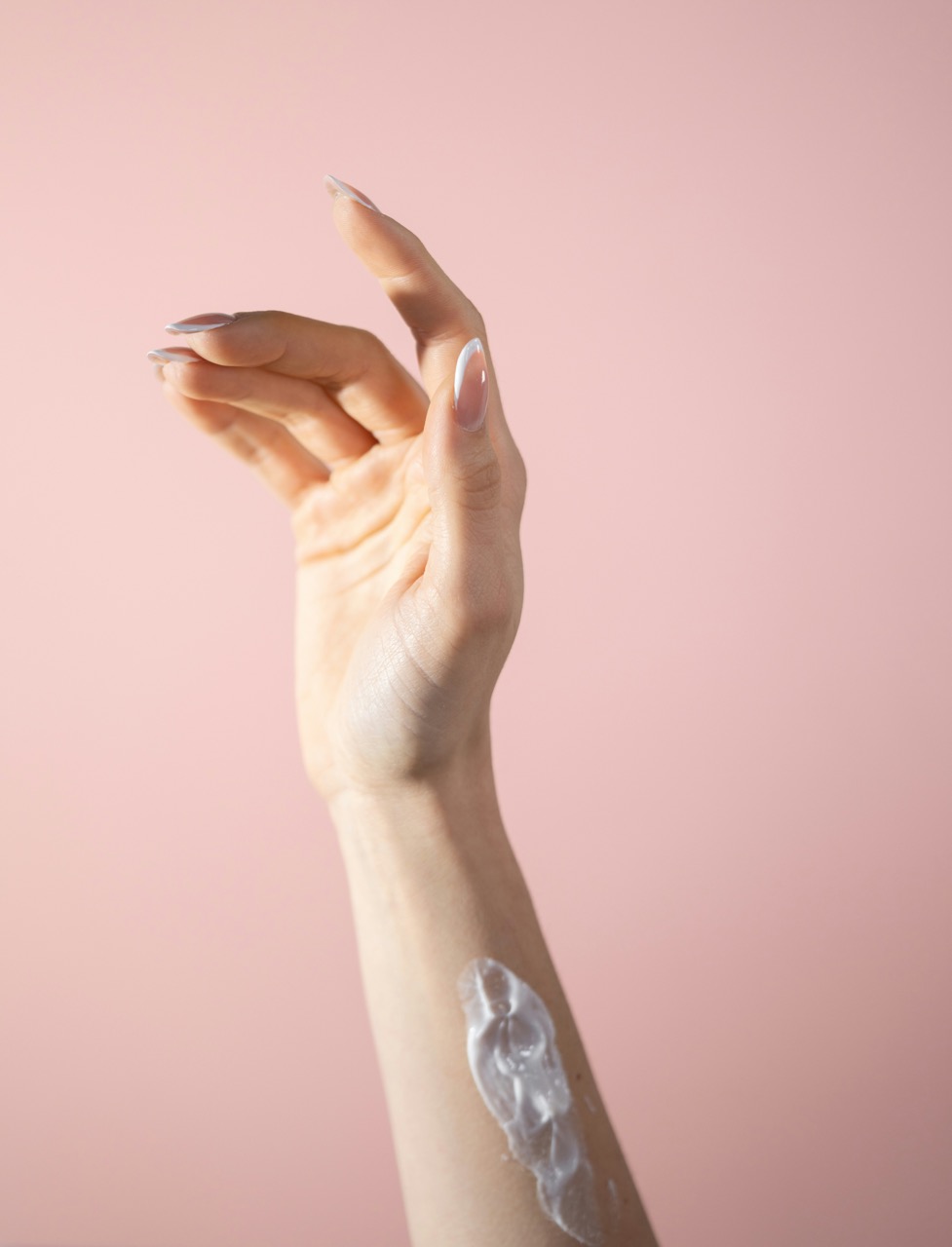
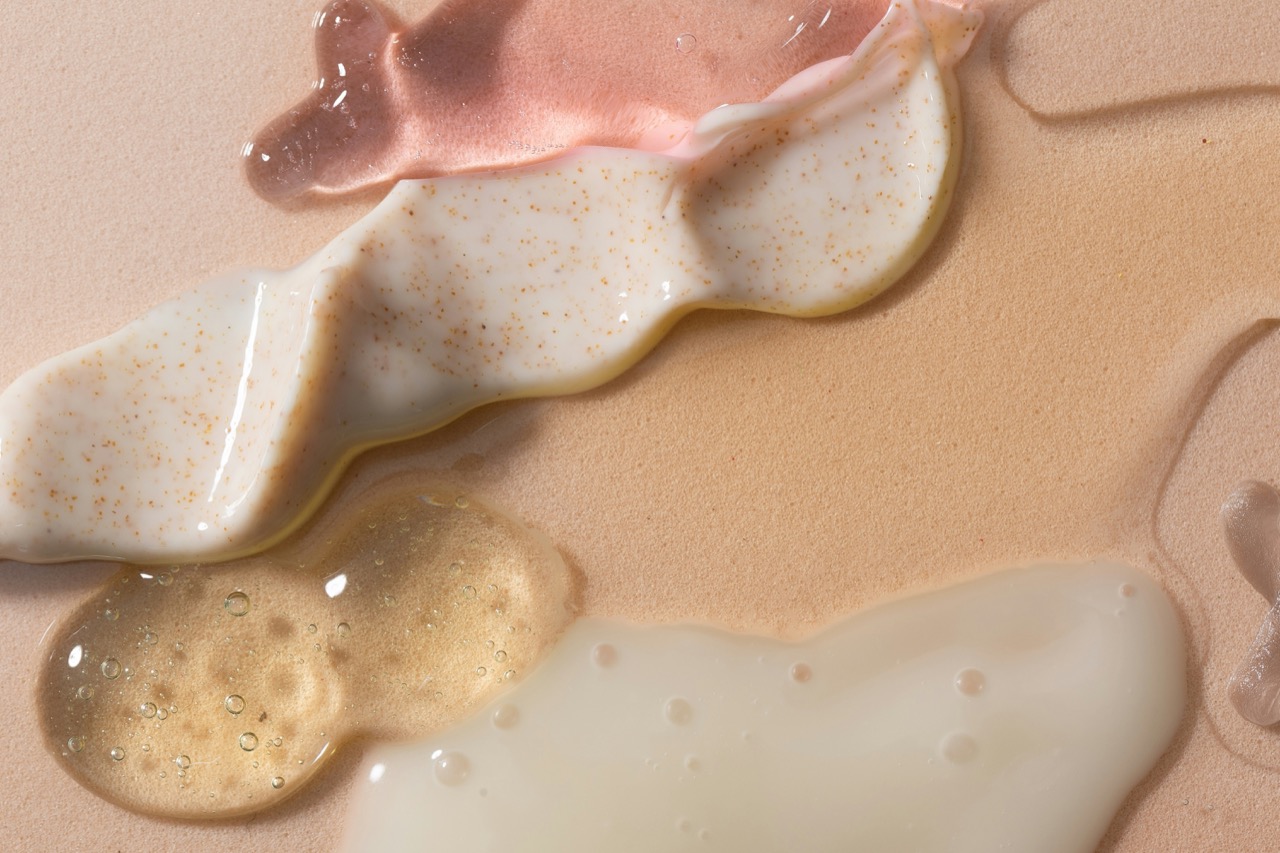
Comparing textures helps you pair fluid humectants with richer lipid emulsions according to seasonal dryness.
Comparison table: Formulations and ideal use cases
Japanese personal care brands offer a continuum of body care textures to address diverse comfort preferences.
Scroll horizontally to view full table →
| Product Category | Texture & Base Ratio | Finished Skin Feel | Target Body Areas | Ideal Season & Context |
|---|---|---|---|---|
| Aqueous Body Lotion (*Roshon*) | 100% Watery liquid (high humectant, 0% oil) | Weightless, refreshing, completely non-sticky | Chest, upper back, shoulders, arms | Humid summer weather; morning rush before dressing |
| Body Gel Lotion (*Jieru-roshon*) | Thickened water polymer gel with light humectants | Cooling, dewy, soothing upon contact | Sun-exposed arms, neck, and tired legs | Post-sun exposure; hot summer evenings |
| Daily Body Milk (*Bodi-miruku*) | Silky oil-in-water emulsion (15-25% lipid) | Soft, velvety, supple, lightly cushioned | Full body, especially shins, thighs, and arms | Year-round baseline care; autumn and spring transitions |
| Rich Body Cream / Butter (*Kuriimu*) | Dense water-in-oil or heavy lipid emulsion (>35% oil) | Deeply occlusive, rich, protective barrier coat | Heels, elbows, cracked hands, and knees | Mid-winter freeze; severely cracked or peeling skin |