title: Japanese Body Wash and Body Soap Guide: How to Choose h1: "Japanese Body Wash and Body Soap Guide: How to Choose" description: "Navigate Japanese body wash and body soap options with confidence. Learn traditional bar soaps, gentle amino acid cleansers, and friction-free foam washing." meta_description: Navigate Japanese body wash and body soap options with confidence. Learn traditional bar soaps, gentle amino acid cleansers, and friction-free foam washing. category: "how-japan-works" slug: "japanese-body-wash-and-body-soap-guide" publish: true published_at: "2026-11-17" hero_image: "/images/stock/natural-soap-bars-ingredients-selection.jpg" hero_image_alt: "Selection of natural botanical soap bars surrounded by clean ingredients on a wooden surface"
Japanese Body Wash and Body Soap Guide: How to Choose
In Japan, body cleansing is deeply rooted in communal bathhouse heritage and the daily evening bath (ofuro). Because individuals submerge into a shared soaking tub only after washing thoroughly outside the water, body cleansers have evolved to perform two distinct functions: completely removing daily perspiration and sebum while respecting the epidermal barrier against repeated hot water exposure. Navigating Japanese drugstores reveals a wide spectrum of options, from heritage solid bar soaps to modern self-foaming liquid washes.
To choose the right Japanese body cleanser, evaluate your skin moisture needs against two primary formulation styles: traditional saponified bar soaps and modern mildly acidic liquid body washes. Saponified soaps offer an alkaline wash with a crisp, refreshing rinse suitable for oily or active profiles, whereas liquid body washes featuring amino acid or betaine surfactants protect delicate, dry, or mature skin barriers. Furthermore, Japanese bathing philosophy prioritizes whipping cleansers into dense micro-foam cushions to glide over the body using open palms, avoiding abrasive mechanical scrubbing.
Traditional Japanese bar soaps rely on time-tested saponification to deliver clean, crisp rinses.
Understanding Japanese body cleansing: Bar soap vs liquid body wash
When selecting a body cleanser in Japan, consumers encounter two fundamentally different chemical approaches:
1. Traditional saponified bar soaps (Koukei-sekken)
Classic Japanese bar soaps—such as the iconic blue and red cow-brand boxes found across Japan—are made through the traditional saponification of plant and tallow oils with an alkaline base. In basic organic chemistry, soap is a salt of a fatty acid [1] created when triglycerides react with sodium hydroxide.
Because traditional soaps produce a mildly alkaline lather (typically pH 9 to 10), they dissolve surface sebum efficiently and rinse away cleanly without leaving slippery conditioning films. This creates the prized Japanese feeling of sappari—a crisp, refreshing, completely grease-free finish. For individuals with resilient, oily, or perspiration-prone skin, bar soaps provide unmatched clarifying freshness.
2. Mildly acidic liquid body washes (Jakusansei bodi-soo-pu)
In contrast, modern liquid body washes often utilize synthetic or plant-derived syndet surfactants, including amino acid derivatives (such as sodium cocoyl glutamate) and betaines. Formulated at a skin-neutral or mildly acidic pH (around 5.5), these cleansers preserve the delicate stratum corneum, which is the outermost layer of the epidermis [2] that houses defensive antimicrobial peptides and essential lipid ceramides.
Mildly acidic liquid washes do not swell the keratin barrier during washing, making them the preferred choice for dry climates, winter months, sensitive skin, and individuals prone to body eczema or irritation.
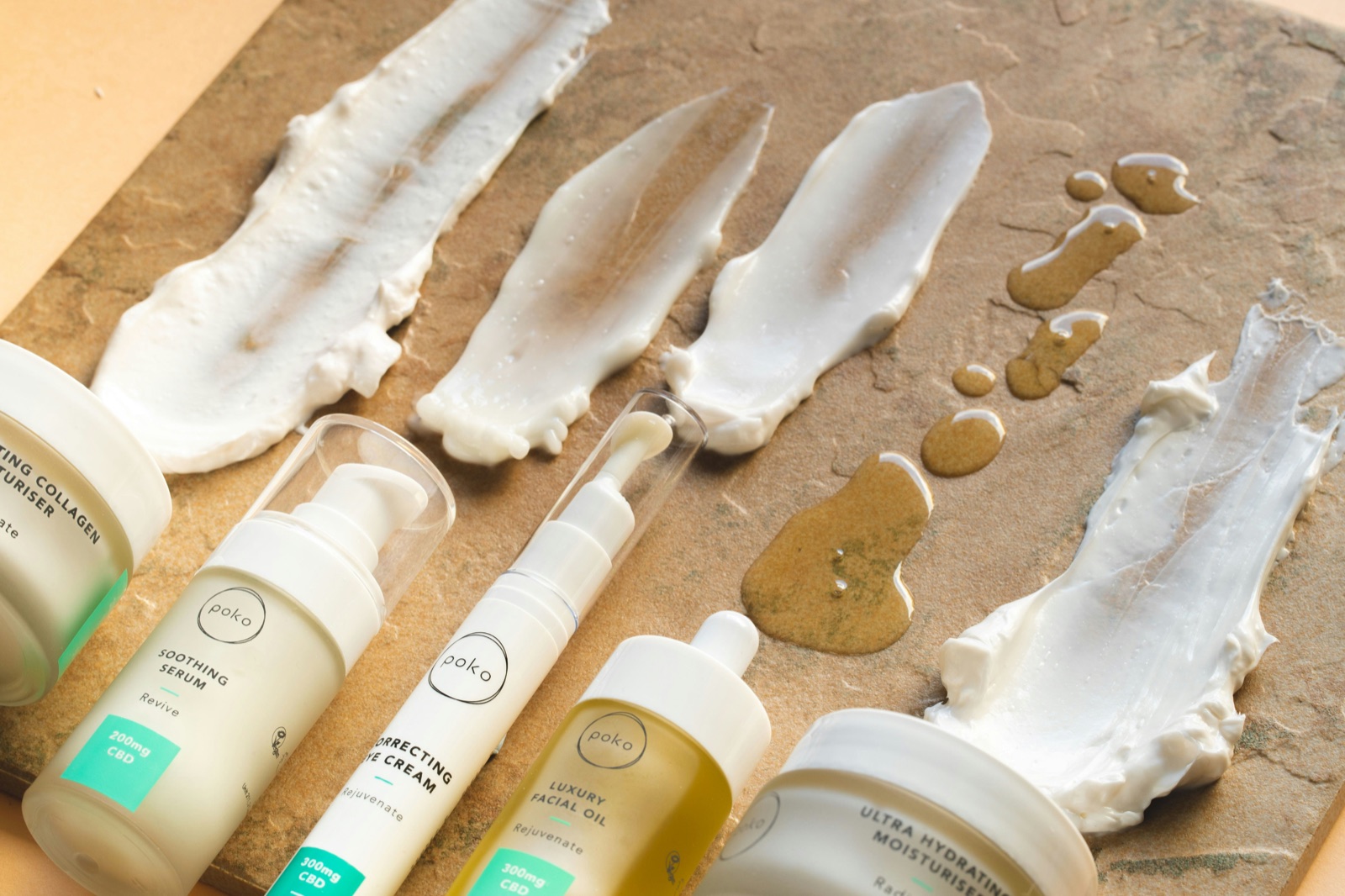
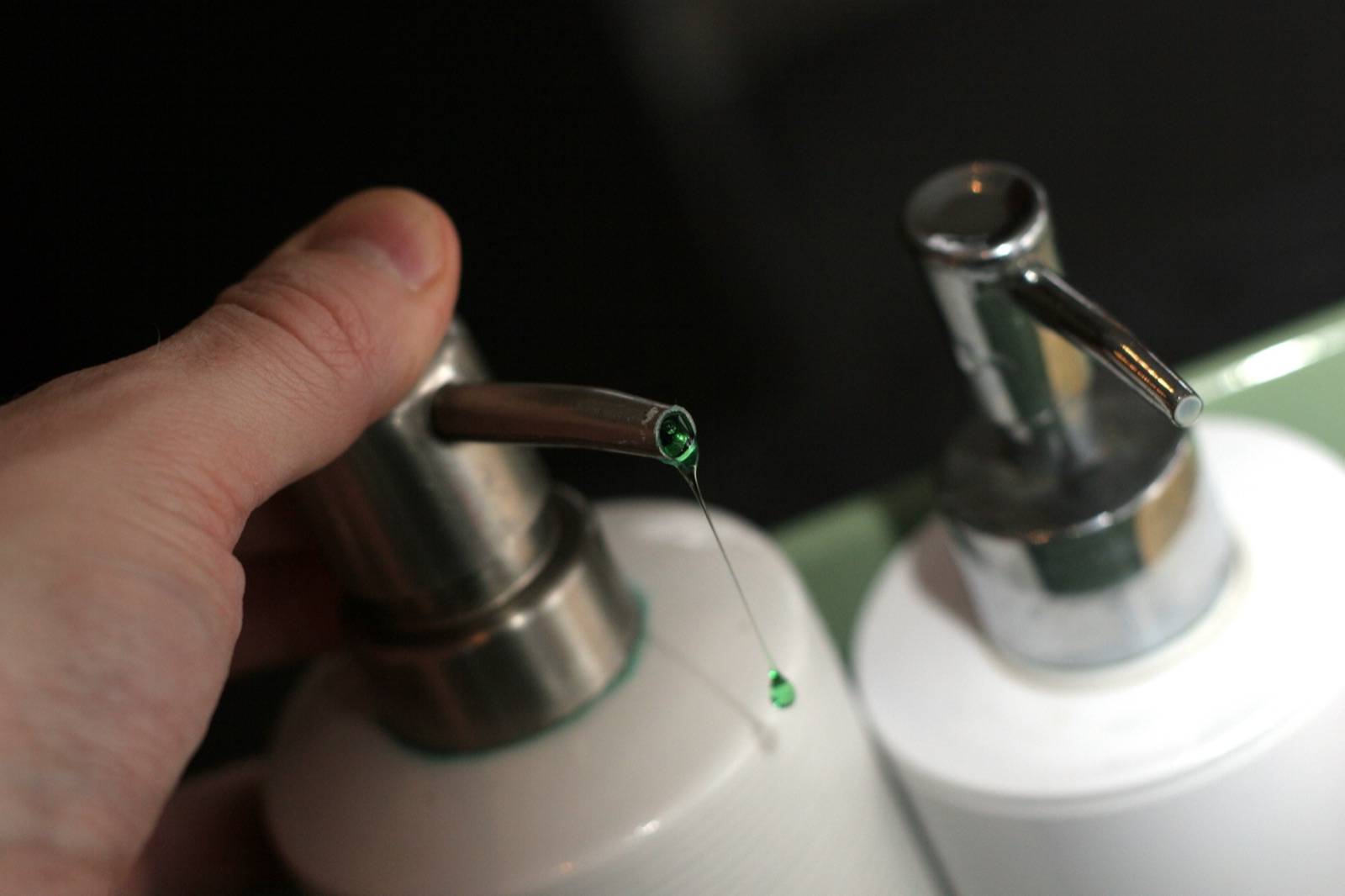
Whipping body cleansers into dense micro-foam cushions protects the epidermal barrier from abrasive friction.
The Japanese art of "foam washing" (Awa-senjou)
Beyond product chemistry, Japanese dermatologists place immense emphasis on physical washing technique. Historically, coarse nylon towels (nairon-taoru) were popular for generating intense friction in the shower. However, dermatological research has linked prolonged aggressive scrubbing with mechanical irritation, post-inflammatory hyperpigmentation, and friction melanosis.
Today, Japanese beauty culture overwhelmingly embraces friction-free cleansing, known locally as awa-senjou (foam washing):
- Whip a dense foam cushion: Using a foaming pump bottle or an inexpensive mesh lathering net, whip your soap or liquid body wash with water until it forms a dense, bouncy cloud that does not drip.
- Wash with open palms: Rather than dragging a rough washcloth over your arms, torso, and legs, spread the dense foam across your skin using the flat pads of your palms.
- Let the foam do the work: The microscopic bubbles lift sweat and loose debris through capillary action and surface tension, removing grime without damaging lipid bilayers.
This philosophy mirrors dermatological recommendations for facial skin. In its foundational clinical guidelines, the American Academy of Dermatology reminds individuals to wet your face with lukewarm water and use your fingertips to apply cleanser [4] rather than abrasive scrubbers. Applying this gentle, hands-first principle across the entire body prevents chronic roughness and maintains supple skin.
Comparison table: Choosing the right Japanese body cleanser
Japanese body cleansers range from heritage botanical bars to functional quasi-drug formulations tailored to specific body concerns.
Scroll horizontally to view full table →
| Cleanser Category | Cleansing Base Chemistry | Finished Skin Feel | Recommended Skin Profile | Ideal Season / Context |
|---|---|---|---|---|
| Traditional Saponified Bar Soap | Alkaline fatty acid salts (pH 9-10) | Crisp, squeaky-clean, residue-free (*sappari*) | Normal, oily, or athletic skin | Humid summer months; post-workout showers |
| Mildly Acidic Liquid Body Wash | Amino acid & betaine syndets (pH 5.5) | Soft, silky, lightly conditioned (*shittori*) | Dry, mature, or barrier-compromised skin | Dry winter weather; daily gentle cleansing |
| Self-Foaming Pump Body Wash | Pre-aerated gentle amino acid foam | Plush, zero-friction glide | Infants, children, and highly reactive skin | Daily friction-free shower routines |
| Medicated Deodorant Body Soap | Active purifying agents (e.g., isopropyl methylphenol) | Deeply clarifying and odor-reducing | Underarm or foot odor concerns; back blemishes | Summer heat; targeted problem areas |