title: Japanese Concealer for Dark Circles: Color Correction, Types & Techniques description: "Master Japanese concealers for dark circles. Learn optical color correction, salmon vs yellow undertones, serum vs palette formulas, and creaseless application." meta_description: Master Japanese concealers for dark circles. Learn optical color correction, salmon vs yellow undertones, serum vs palette formulas, and creaseless application. published_at: "2026-11-16" updated_at: "2026-11-16" fact_checked_at: "2026-11-16" author: "Miho Tanaka" fact_checker: "Miho Tanaka" category: "how-japan-works" tags:
- japanese concealer
- dark circles coverage
- color correction
- under-eye makeup
- pin-point concealing thumbnail: "/images/stock/woman-checking-sensitive-skin-condition.jpg" thumbnail_alt: "Woman gently examining her under-eye contour and skin tone in soft natural light"
Japanese Concealer for Dark Circles: Color Correction, Types & Techniques
In Japanese cosmetics, under-eye concealing focuses on optical color correction and micro-thin layer adhesion rather than thick, full-coverage masking:
- Complementary Color Theory: Neutralize blue-tinted shadows with warm peachy-orange tones, and cancel brownish discoloration with brightening yellow or warm beige pigments.
- Pin-Point Placement (*Ten-Oki*): Apply product strictly along the deepest crease of the tear trough shadow rather than spreading wide triangles across the entire lower lid.
- Flexible Formulations: Because periorbital skin moves over 15,000 times a day from blinking, Japanese concealers combine volatile light oils and elastic polymers to prevent creasing and dryness.
Under-eye discoloration—often referred to in Japanese beauty media simply as kuma—is one of the most common cosmetic concerns among makeup wearers worldwide. However, attempting to erase under-eye shadows by piling on thick, heavy layers of fair foundation or opaque concealer almost always backfires: the formula settles into fine expression lines, turns ashen gray under daylight, and accentuates texture.
The Japanese beauty approach solves this dilemma through optical color science and subtractive minimalism. Rather than painting a thick white wall over darkness, Japanese makeup artists use complementary color theory to cancel specific undertones optically, followed by pin-point application with whisper-thin textures.
(Note: Under-eye concealers are cosmetic makeup products designed to optically camouflage perceived discoloration on the skin surface. They are not medical treatments or dermatological cures for underlying anatomical, vascular, or systemic causes of dark circles.)
Below is a comprehensive guide to identifying under-eye shadow undertones, choosing between Japanese cream palettes and serum liquids, mastering pin-point micro-placement, and keeping the delicate under-eye area smooth and crease-free all day.
The 3 Under-Eye Discoloration Types & Color-Correction Theory
In Japanese cosmetic theory, under-eye shadows are categorized into three distinct visual categories based on their optical color profile. Choosing the correct corrector shade depends on diagnosing which type you have:
1. Blue-Tinted / Vascular Shadows (Ao-Kuma)
- Visual Appearance: Bluish, purplish, or cool grayish cast beneath the eyes, often appearing more pronounced when tired, cold, or strained from digital screens.
- Optics: Caused by shallow subcutaneous microcapillaries showing through the ultra-thin periorbital skin (which is only about 0.5 mm thick—roughly one-third the thickness of facial skin).
- The Color-Correction Rule: Warm Orange & Peachy Salmon. In optical color theory, orange sits directly opposite blue on the color wheel. Applying a warm peachy-orange corrector neutralizes the blue wavelength, bringing the perceived skin tone back to neutral without requiring thick pigment density.
2. Brown-Tinted / Pigment Shadows (Cha-Kuma)
- Visual Appearance: Dull, yellowish-brown or khaki discoloration that remains consistent regardless of head angle or lighting.
- Optics: Caused by superficial melanin deposits from UV exposure, friction from eye-rubbing, or residual eye makeup staining on the stratum corneum.
- The Color-Correction Rule: Brightening Yellow & Warm Beige. Yellow cancels violet-brown undertones and scatters light, creating an optical brightness that blends seamlessly into surrounding skin tone.
3. Shadow / Structural Troughs (Kage-Kuma)
- Visual Appearance: A hollow, dark groove running along the tear trough line. When you tilt your head upward toward the light, the darkness visibly disappears.
- Optics: Caused by orbital fat pad depression or anatomical cheekbone contours casting a physical shadow under downward ambient light.
- The Color-Correction Rule: Light-Reflective Pearl & Luminous Ivory. Because this is a physical shadow rather than skin discoloration, dark pigments cannot simply be "erased." Instead, a slightly brighter concealer with micro-fine light-reflecting pearl pigments is applied strictly along the bottom edge of the shadow trough to bounce light forward and visually flatten the contour.
Japanese Concealer Formulations: Formats & Technology
Japanese beauty counters feature two primary concealer categories, each engineered with specific film-formers and emollient balances:
1. Tri-Color Compact Cream Palettes
The tri-color cream palette—pioneered and perfected by brands like Ipsa, Canmake, and Excel—is a legendary staple of Japanese cosmetic kits:
- How They Work: These compacts feature three complementary cream pans: a warm salmon/orange shade, a medium skin-toned beige, and a bright luminous ivory. They typically include a dedicated mixing palette well and a dual-ended miniature brush.
- Performance: Cream palettes offer higher pigment adhesion (micchaku-kan). Because you can mix shades on the built-in palette, you can customize the exact tone of peach or beige to match your skin throughout seasonal changes.
- Best Suited For: Targeted spot-correcting, stubborn vascular blue shadows, and individuals who want full customization.
2. Serum Liquid Wand Concealers
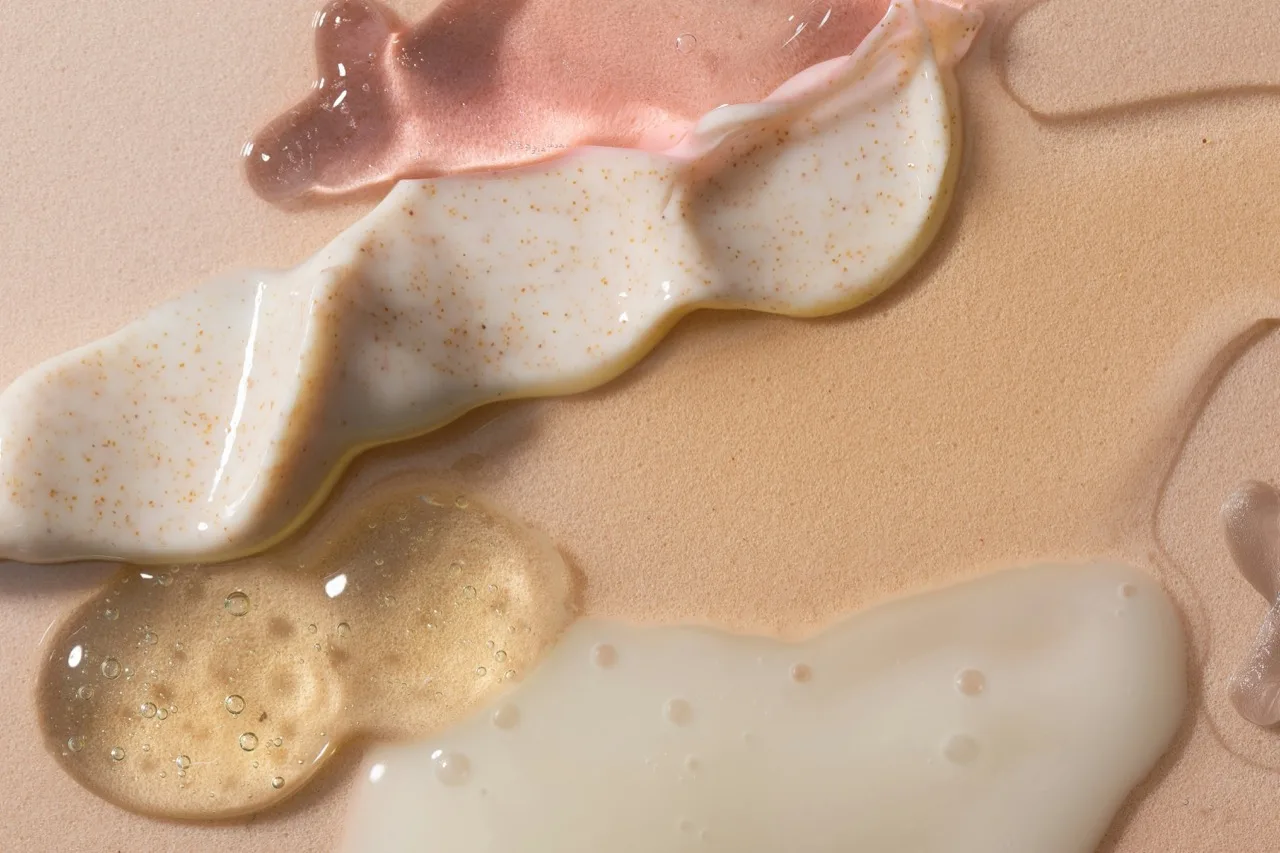
Modern Japanese liquid concealers (such as those from Decorte, &be, and Cezanne) are formulated as skincare-makeup hybrids:
- How They Work: Suspended in a high-water, serum-like emulsion packed with botanical squalane, ceramides, and hyaluronic acid.
- Performance: Delivers an ultra-thin, flexible film that moves naturally with your facial expressions. Because the periorbital area blinks thousands of times per day, this elastic formula prevents drying out and resists creasing into fine smile lines.
- Best Suited For: Dry or mature under-eye skin, fine expression lines, and quick everyday morning routines.
Concealer Selection Matrix
Scroll horizontally to view full table
| Concealer Format | Key Texture Profile | Coverage Level | Primary Correcting Target | Best Skin Type |
|---|---|---|---|---|
| Tri-Color Cream Palette | Dense, melting wax-oil cream; customizable mixing. | Medium to High (buildable). | Deep blue vascular shadows and defined tear troughs. | Normal, combination, and targeted precision concealing. |
| Hydrating Serum Wand | Lightweight, flexible liquid emulsion with serum base. | Sheer to Medium (skin-like). | General dullness, diffuse brown shadows, and fine lines. | Dry, dehydrated, and mature skin prone to creasing. |
| Tone-Up Color Corrector Pen | Ultra-sheer peachy-pink or yellow liquid click-pen. | Sheer optical filter. | Mild morning fatigue, minimal no-foundation makeup. | All skin types seeking transparent natural brightness. |
| Adhesive Stick Concealer | Firm, high-wax pigment stick with zero slippage. | Full coverage. | Post-blemish redness and distinct dark spots (not under-eyes). | Oily zones and localized facial spot-concealing. |