title: Japanese Cosmetic Patch Test Guide: How to Test Safely slug: japanese-cosmetic-patch-test-how-to-do-safely category: how-japan-works published_at: 2026-11-28 updated_at: 2026-11-28 meta_description: Learn how to safely patch test Japanese cosmetics. Discover inner upper arm steps, 24-48 hour timing, allergic reaction signs, and sensitive barrier care. keywords: japanese cosmetic patch test, patch testing skincare safely, contact dermatitis test japan, inner arm patch test, sensitive skin cosmetic test author: Editorial Team
Japanese Cosmetic Patch Test Guide: How to Test Safely
Exploring Japanese skincare introduces exciting botanical extracts, fermented filtrates, and active quasi-drug formulas. However, even the purest, fragrance-free J-Beauty product contains complex ingredients that may unexpectedly clash with an individual's unique skin barrier. In Japanese dermatological guidance, performing a simple at-home patch test before introducing a new lotion, serum, or cream is considered the single most effective habit to safeguard your complexion against unexpected irritation.
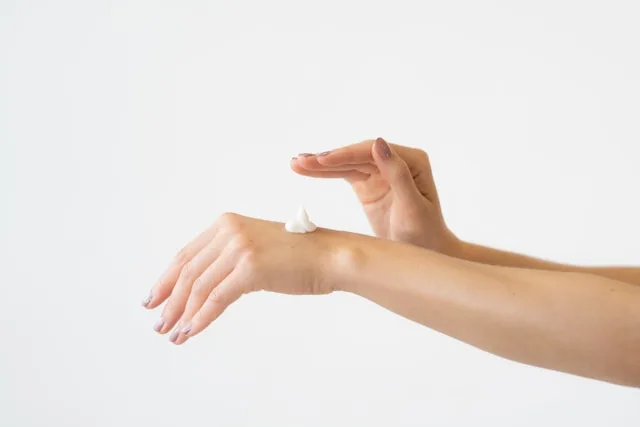
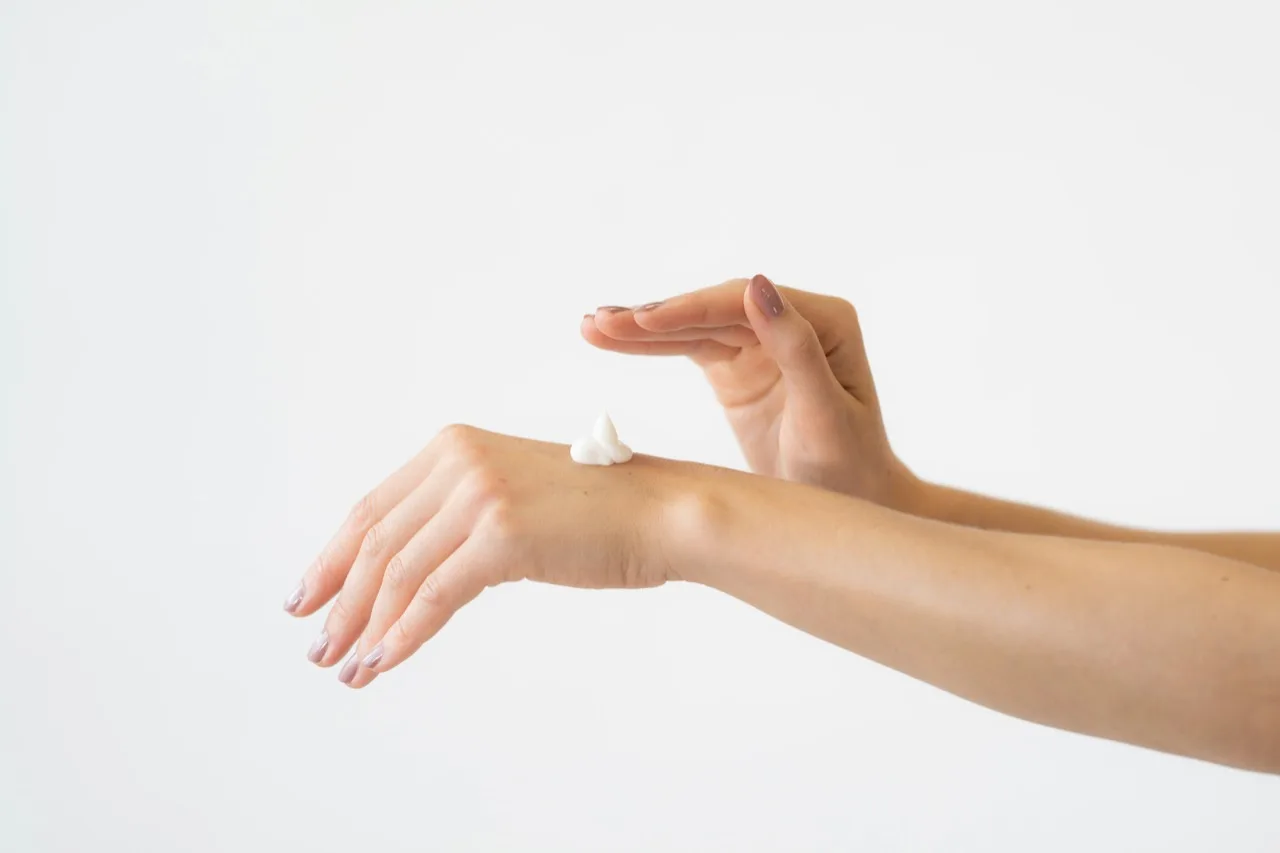
Quick answer: Conducting patch tests avoids provoking contact dermatitis across reactive epidermal barriers [2]. To perform a standard at-home cosmetic patch test, apply a dime-sized amount of the new product to the clean, hairless skin of your inner upper arm or behind the ear. Leave the area uncovered and dry for 24 to 48 hours, monitoring for signs of erythema (redness), swelling, papules, or persistent itching before applying the formula to your face.

While major Japanese cosmetic manufacturers follow rigorous safety benchmarks, individual sensitivities to plant extracts (such as artemisia or citrus oils) or preservative systems can still occur. Understanding the distinction between temporary chemical irritation and true allergic responses empowers you to explore new Japanese cosmetics with confidence.
Why Patch Testing Matters for Imported Japanese Skincare
When ordering Japanese cosmetics online or purchasing them during travel, skin encounters unfamiliar botanical complexes:
- Novel Ferments and Botanical Extracts: Formulations rich in sake lees (sake kasu), fermented Job's tears (hatomugi), or marine algae introduce bioactive peptides that skin may not have encountered previously.
- Quasi-Drug Active Concentrations: Medicated formulas (i-yakubugaihin) incorporate regulated active concentrations of dipotassium glycyrrhizate, tranexamic acid, or vitamin C derivatives that actively stimulate cellular pathways.
- Altered Barrier States: Travel fatigue, humidity shifts, and airplane cabin air weaken stratum corneum integrity, making skin temporarily more reactive to new topical layers.
Because microvascular nutrient delivery and dermal moisture capacity naturally decline across biological aging transitions, abundant botanical extracts provide essential barrier hydration support [1]. Pre-testing unfamiliar actives on non-facial skin ensures that your barrier receives soothing comfort rather than unexpected distress.
Irritant Contact Dermatitis vs Allergic Contact Dermatitis
Dermatologists classify adverse cosmetic reactions into two distinct biological categories:
- Irritant Contact Dermatitis (ICD): The most common reaction, accounting for roughly 80 percent of cosmetic issues. ICD occurs when a topical chemical physically damages the surface lipid barrier (for example, high-proof ethanol or aggressive surfactant washes). It typically produces immediate stinging or burning within minutes to hours, localized strictly to the application spot.
- Allergic Contact Dermatitis (ACD): A delayed hypersensitivity immune response mediated by T-cells. ACD does not happen immediately; it requires an initial sensitization phase and manifests 24 to 48 hours later as itchy red plaques, tiny vesicles, or swelling that may spread beyond the initial test perimeter.
Testing for 48 hours is critical because true allergic sensitization takes time to produce visible inflammation.
The Standard Japanese At-Home Patch Testing Protocol
To perform an accurate test following Japanese dermatological guidelines, follow this four-step sequence:
1. Select the Proper Test Site
The ideal testing site is the inner upper arm (between the armpit and elbow) where skin is soft, thin, and shielded from direct sunlight. Alternatively, testing on the jawline beneath the ear offers a closer proxy for facial sensitivity. Avoid scarred, inflamed, or sunburnt skin areas.
2. Apply a Controlled Amount
Cleanse the chosen area with mild soap and water, then pat completely dry. Apply a coin-sized circle (roughly the size of a 10-yen coin or nickel) of the product. Allow watery lotions or serums to air-dry naturally.
3. Maintain Normal Routine Without Occlusion
For leave-on skincare (lotions, creams, serums), do not cover the site with plastic wrap or tight adhesive bandages unless instructed by a physician. Open patch testing prevents artificial moisture trapping that could cause false-positive friction irritation. Keep the site dry during showering for the first 24 hours.
4. Monitor at 24 and 48 Hours
Inspect the skin under bright, natural daylight at two designated intervals: 24 hours post-application and 48 hours post-application.
Comparison: Quick 24-Hour Check vs Rigorous 48-Hour Test
Depending on product type and personal sensitivity history, choose the appropriate testing rigor.
Scroll horizontally to view full table
| Testing Method | Target Cosmetic Types | Observation Window | Primary Reaction Detected |
|---|---|---|---|
| Quick Open Patch Test | Watery lotions, hydrating emulsions, hyaluronic acid gels | 24 hours open air exposure | Immediate irritant contact dermatitis, stinging, mild barrier redness |
| Standard 48-Hour Protocol | Botanical oils, potent quasi-drug serums, fragrance lines | 24 and 48-hour dual inspections | Delayed-type allergic contact dermatitis, immune sensitization, itching |
| Short-Contact Wash Test | Foaming cleansers, enzyme powders, peeling clays | Apply for 3 to 5 minutes, rinse, monitor 24h | Surfactant over-stripping, dryness, immediate barrier tightness |
| Professional Clinical Patch | Unidentified recurring facial eczema, multiple product failures | 48 to 72 hours under standardized adhesive Finn chambers | Definitive allergen identification conducted by dermatologists |