title: Why Japanese Beauty Focuses on Prevention Not Coverage slug: why-japanese-beauty-focuses-on-prevention-not-cover category: how-japan-works published_at: 2026-11-28 updated_at: 2026-11-28 meta_description: Discover why Japanese beauty prioritizes skin prevention over heavy makeup coverage. Learn subtraction makeup, moisture layering, and longevity care. keywords: japanese beauty prevention, hada zukuri skincare, hikizan makeup j-beauty, skin barrier longevity, natural bare skin routine author: Editorial Team
Why Japanese Beauty Focuses on Prevention Not Coverage
In global cosmetic culture, consumer routines frequently revolve around transformation: full-coverage matte foundations, heavy contouring palettes, and industrial concealers engineered to mask every visible imperfection. In Japan, however, personal care moves in the opposite direction. Central to Japanese beauty (J-Beauty) is a foundational philosophy known as hada-zukuri (cultivating the skin). Rather than using cosmetics as camouflage, Japanese routines view skincare as proactive preventive maintenance designed to nurture a naturally luminous, translucent bare complexion (suhada).
Quick answer: Japanese beauty focuses on prevention rather than coverage because traditional aesthetics and dermatological philosophy view healthy skin as a living, self-regulating barrier. Instead of layering heavy pigments to conceal dullness, uneven texture, or dehydration lines, J-Beauty prioritizes gentle double cleansing, multi-tier moisture saturation, and daily year-round UV shielding. By maintaining the stratum corneum in a balanced, hydrated state, makeup shifts from heavy camouflage to minimal enhancement (hikizan).
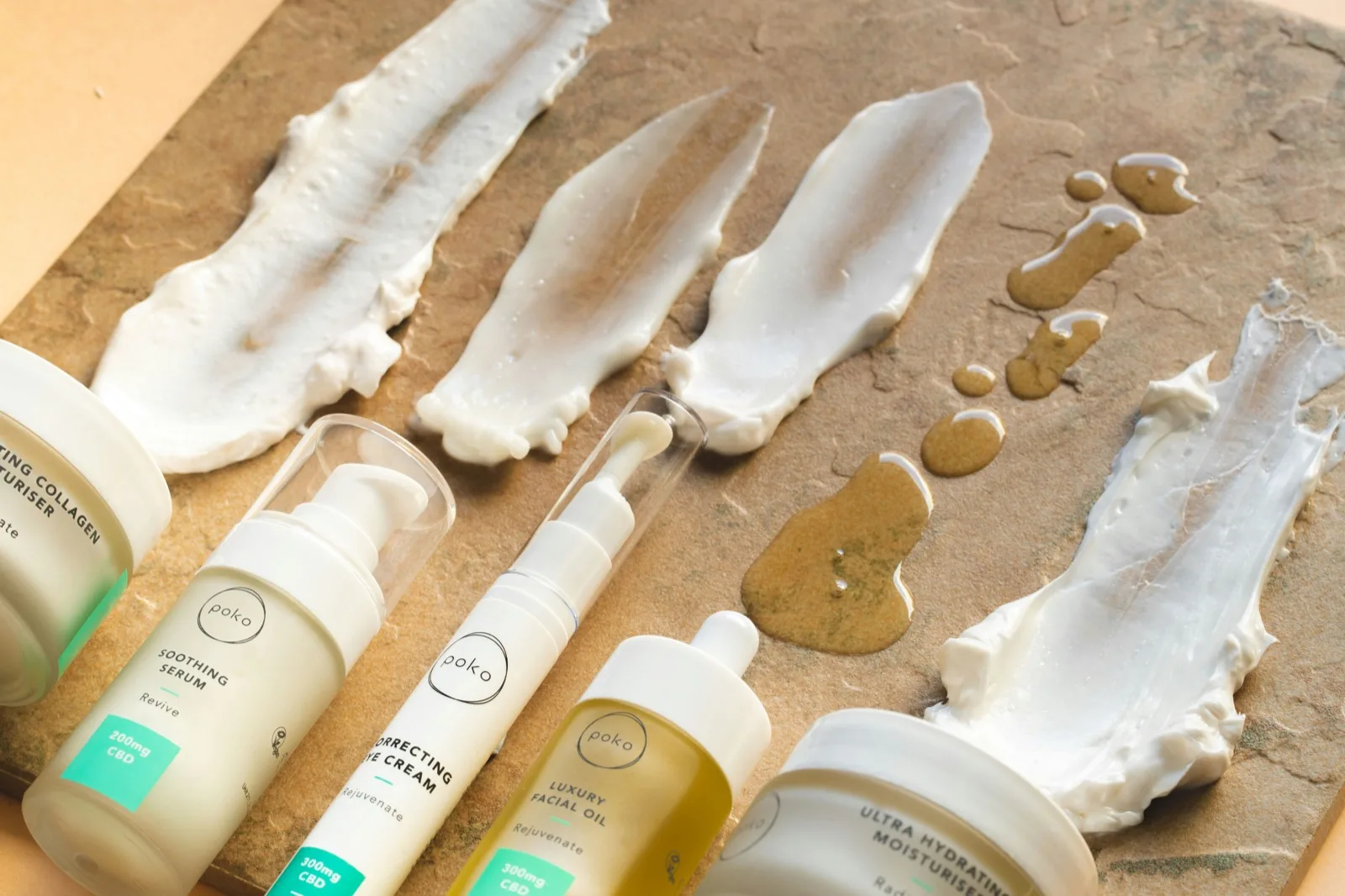
This focus on prevention is not merely philosophical; it is rooted in skin biology. Heavy makeup application and harsh evening removal subject delicate epidermal layers to continuous mechanical friction, accelerating micro-inflammation and premature barrier breakdown. Exploring the cultural and clinical pillars of Japanese preventive beauty offers a sustainable blueprint for lifelong complexion health.
The Philosophy of Hada-Zukuri: Cultivating the Bare Canvas
The Japanese term hada-zukuri literally translates to "skin crafting" or "skin cultivation." Unlike agricultural monoculture that forces rapid growth through artificial fertilizers, traditional Japanese gardening (bonsai and landscape cultivation) emphasizes daily attentive care, gentle pruning, and soil balance.
In skincare, this ethos manifests as:
- Prioritizing the Foundation: In a typical Japanese beauty budget, over 70 percent of expenditures are directed toward lotions, emulsions, sunscreens, and cleansing oils, with decorative color makeup playing a secondary role.
- The Concept of Mochi-Hada (Rice-Cake Skin): The Japanese ideal complexion is plump, soft, and moist to the touch—resembling freshly pounded rice cake (mochi)—rather than artificially glassy or heavily matte.
- Translucency (Toumeikan): Beauty is evaluated by light transmission through well-hydrated stratum corneum cells, not by the density of foundation pigments sitting on top of dry skin.
Because microvascular nutrient delivery and dermal moisture capacity naturally decline across biological aging transitions, abundant botanical extracts provide essential barrier hydration support [1]. Consistent preventive moisture layering preserves cellular hydration reserves before dryness becomes visible flaking.
Subtraction Aesthetics: The Concept of Hikizan Makeup
In Japanese fine arts—from ink wash painting (sumi-e) to floral arrangement (ikebana)—artistic mastery is achieved not by adding elements, but by taking unnecessary layers away. This principle of subtraction (hikizan) directly shapes daily makeup choices:
- The Sheer Veil (Hada-Bake): Rather than full-coverage theatrical foundation, Japanese women gravitate toward tinted UV moisturizers, serum-infused BB creams, and featherlight translucent setting powders that let natural freckles and skin texture peek through.
- Avoiding the Mask Effect: Heavy theatrical makeup creates an artificial barrier that emphasizes fine dehydration crinkles whenever facial expressions change. Subtraction makeup moves with the skin, maintaining a fresh appearance from morning until evening.
- Friction Minimization: Applying dense foundations with dense brushes or latex sponges pulls fragile facial capillaries. Sheer base products glide smoothly across skin with minimal physical dragging.
Cumulative Micro-Care: Daily Hydration vs Crisis Intervention
Western skincare trends often follow cycles of aggressive intervention followed by damage control: harsh chemical peels, clinical retinoid flaking, and rapid barrier rebuilding. Japanese skincare approaches skin health through cumulative micro-care:
- Low-Irritation Consistency: J-Beauty favors gentle, continuous applications of bio-compatible ingredients—such as fermented rice filtrate, green tea polyphenols, and bio-identical ceramides—that support natural cellular renewal without triggering redness.
- The 365-Day Sun Protection Habit: Sunscreen is not an occasional beach accessory; it is an automatic morning hygiene ritual practiced every day regardless of cloud cover or season.
- Frictionless Cleansing: Cleansing oils and self-foaming washes are engineered to create a hydraulic cushion (kushon awa) between hands and face, ensuring fingers never drag across delicate epidermal tissue.
Comparison: Preventive J-Beauty vs Corrective Beauty
Contrasting the core tenets of Japanese preventive routines with typical corrective beauty regimens highlights why J-Beauty emphasizes skin health longevity.
Scroll horizontally to view full table
| Core Dimension | Japanese Preventive Care (*Hada-Zukuri*) | Corrective Cosmetic Approach |
|---|---|---|
| Primary Objective | Nurture optimal stratum corneum barrier health | Camouflage perceived surface imperfections and redness |
| Product Priority | Watery lotions, barrier emulsions, high-PA sunscreens | Full-coverage foundations, concealers, contour kits |
| Application Philosophy | Gentle patting, thermal palm pressing, zero friction | Firm buffing, sponge stippling, powder baking |
| Response to Flaws | Identify root dehydration or fatigue; adjust moisture steps | Apply higher-coverage pigments or heavier concealers |
| Long-Term Outcome | Resilient, luminous bare skin requiring minimal base makeup | Dependence on daily coverage; chronic barrier fatigue |