title: Japanese Cotton Pads: Unbleached Layering & Selection Guide slug: japanese-cotton-pads-unbleached-layering category: how-japan-works published_at: '2026-11-23' updated_at: '2026-11-23' meta_description: Discover how Japanese cotton pads elevate lotion layering. Learn why Silcot micro-sponge and unbleached cotton prevent linting and save half your toner. keywords:
- japanese cotton pads unbleached layering
- silcot uruuru cotton sponge unicharm
- muji unbleached cut cotton japan
- shiseido beauty up facial cotton
- japanese lotion masking cotton pad technique lead_image: /images/stock/cotton-pad-lotion-application-closeup.webp lead_image_alt: Closeup of a saturated Japanese cosmetic cotton pad delivering watery lotion onto facial skin thumbnail: /images/stock/cotton-pad-lotion-application-closeup.webp thumbnail_alt: Closeup of a saturated Japanese cosmetic cotton pad delivering watery lotion onto facial skin author: Editorial Team publish: true
Japanese Cotton Pads: Unbleached Layering & Selection Guide
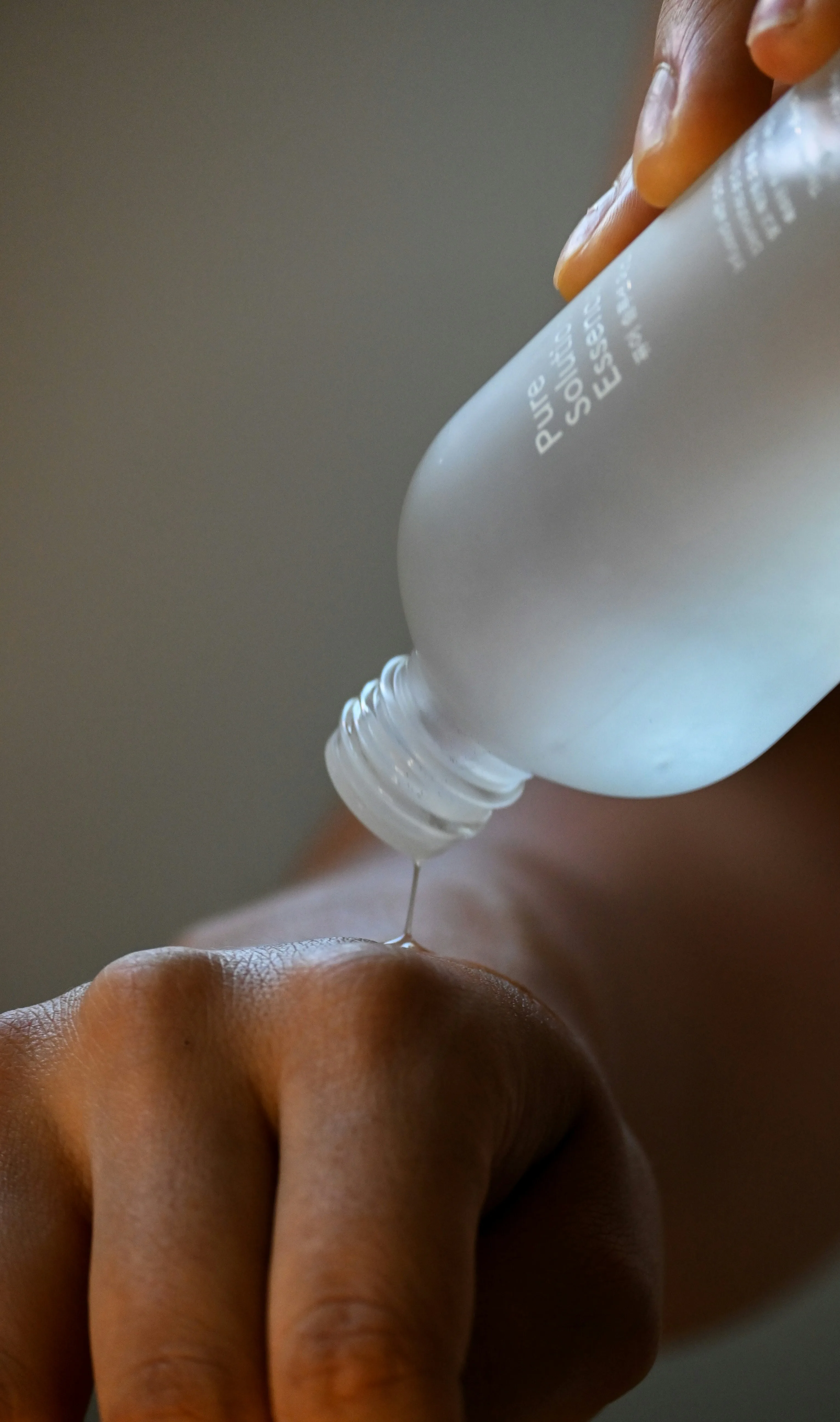
To newcomers exploring J-beauty, cosmetic cotton pads might seem like interchangeable commodities. However, in Japanese skincare methodology, the cotton pad (kesho cotton) is regarded as a high-performance delivery vehicle engineered to distribute hydration without micro-abrasion or product waste. Expert beauty advice guides skincare enthusiasts on selecting professional-grade cotton pads to refine daily skincare rituals[3]. From multi-layer unbleached organic pads to micro-sponge innovations that halve toner usage, Japanese cotton craftsmanship redefines how lotions interact with the stratum corneum.
Quick answer: Japanese facial cotton pads are engineered with multi-layer fiber architecture, sealed side hems, and specialized micro-sponge cores. Unlike standard fluffy drugstore rounds that shred lint and swallow expensive essence, Japanese pads release nearly 100% of soaked toner back onto the skin during gentle patting. Unbleached organic versions retain soft natural husks without chlorine processing, while split-sheet designs peel into thin masks for intensive hydration.
Why Cotton Pads Outperform Bare Hands in J-Beauty
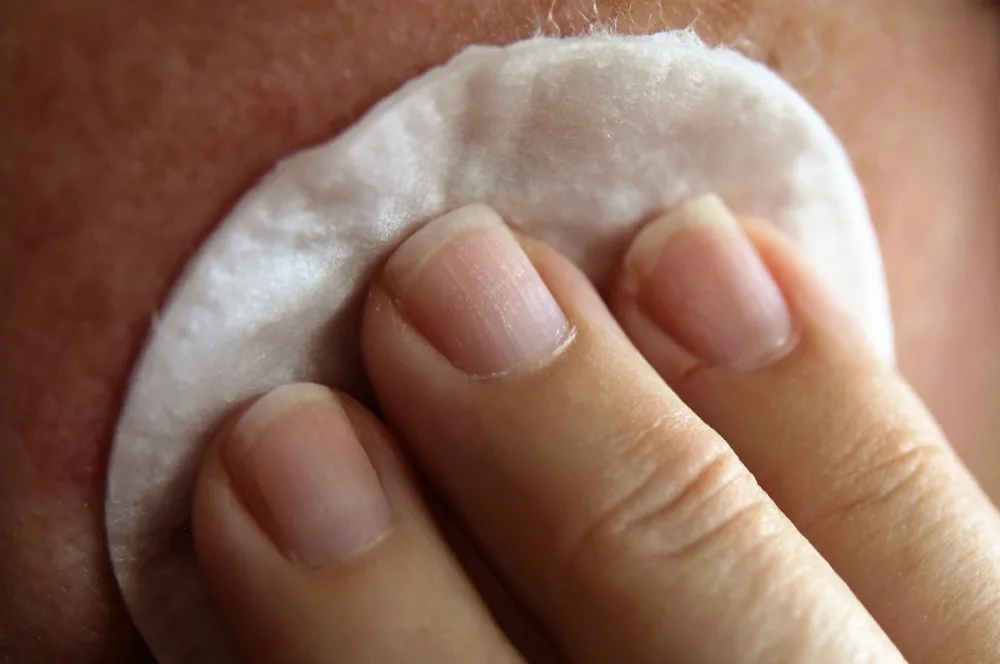
Many Western routines apply watery toners and essences by splashing liquid into cupped palms and patting the face. While convenient, bare-hand application presents distinct anatomical inefficiencies: much of the lotion absorbs into dry palmar skin, while curved facial contours (such as the nasal crevices and jaw perimeter) receive uneven coverage.
In dermatological research conducted by major Japanese personal care makers, comparative dermatological studies explore whether dedicated cosmetic cotton pads deliver superior hydration benefits over bare hand application[2]. Controlled hydration measurements reveal several functional benefits:
- Uniform Fluid Deposition: Saturated cotton fibers release liquid progressively across every facial plane, ensuring consistent moisture from hairline to collarbone.
- Micro-Capillary Release: Controlled downward patting pressure creates hydraulic flow that encourages water absorption into microscopic epidermal folds.
- Gentle Keratin Alignment: Gliding a smooth, lint-free pad along natural muscle lines aligns surface corneocytes and lifts away loose microscopic debris without abrasive scrubbing.
The Architecture of Japanese Cotton Pads: Three Core Formats
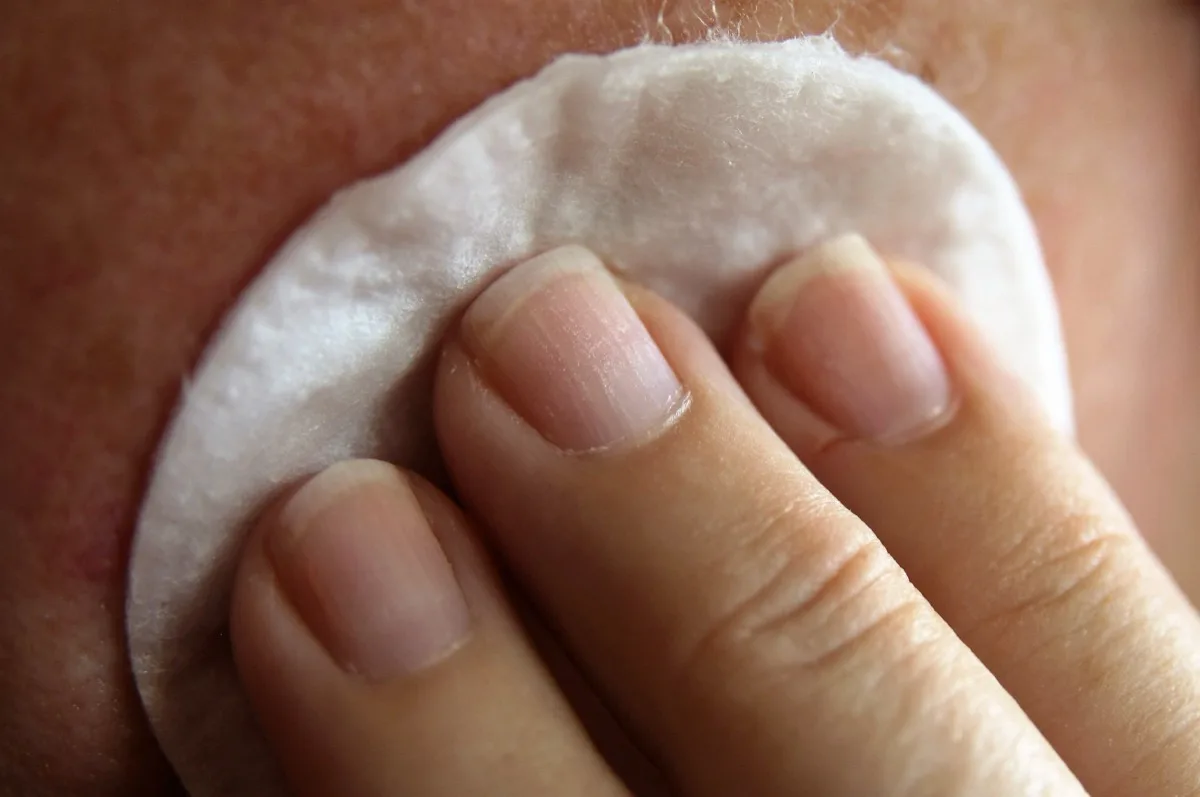
Japanese pharmacies and beauty departments categorize cosmetic cotton into distinct structural types tailored to specific skincare tasks.
1. The Micro-Sponge Sponge-Bond Format (e.g., Silcot Uruuru)
The most technologically disruptive Japanese innovation is the pulp-rayon micro-sponge pad. Conventional pure cotton pads absorb lotion into internal cellulose fibers and hold it hostage. In contrast, the middle layer utilizes an airy, elastic micro-sponge structure that releases abundant lotion back onto the skin with every patting motion[1].
In laboratory retention benchmarks, these pads are engineered to release more than twice the amount of lotion compared to conventional cotton, leaving virtually no toner trapped inside the pad[1]. Furthermore, perforated center lines allow users to easily split a single pad into two contoured sheets for targeted under-eye lotion masking[1].
2. Unbleached Organic Raw Cotton (e.g., MUJI, Cotton Labo)
Identifiable by tiny dark botanical specks, unbleached cotton avoids chlorine processing and harsh synthetic decolorizing. Made from long-staple untreated cotton fibers, these thick pads feel cloud-soft against hypersensitive skin barriers. They are especially favored for manual peeling: a single thick pad can be cleanly separated into four or five ultra-thin sheets for full-face DIY sheet masking.
3. Sealed-Edge Wrapped Cotton (e.g., Shiseido Beauty Up, Silcot Silky)
Encased in a smooth, non-woven outer mesh with heat-sealed side borders, wrapped cotton prevents internal fibers from escaping. This zero-linting design makes it ideal for applying milky emulsions (nyueki) or wiping off cleansing oils without leaving fuzzy residue on eyelashes or facial stubble.
Pad Comparison: Selecting the Right Cotton for Your Routine
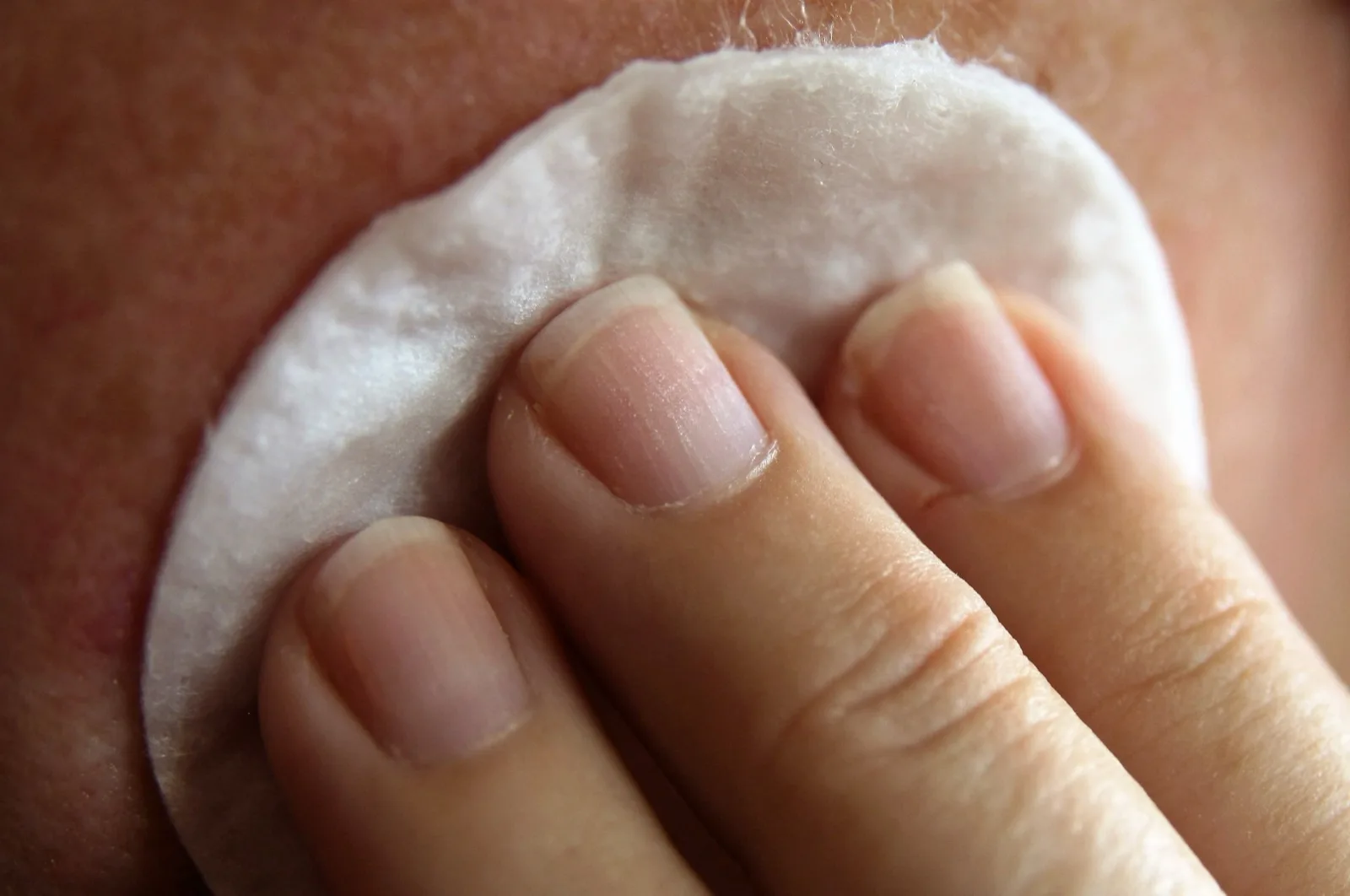
Matching your cotton pad format to your primary skincare step prevents product waste and minimizes frictional irritation.
| Cotton Pad Format | Fiber Composition | Recommended Routine Step | Key Distinctive Advantage |
|---|---|---|---|
| Micro-Sponge (Silcot Uruuru) | Pulp & Rayon composite micro-sponge | Watery lotion patting, under-eye DIY masking | Uses half the normal toner volume; zero lint |
| Unbleached Multi-Layer (MUJI) | 100% raw unbleached natural cotton | Lotion pack layering, sensitive skin hydration | Splits effortlessly into 4–5 thin transparent sheets |
| Sealed Side-Hem Cotton | Outer spunlace wrap with inner cotton cushion | Emulsion wiping, toner prep, eye makeup removal | Zero fiber shedding; structural stability under friction |
| Silk-Blended Luxury Cotton | Natural cotton blended with pure silk fibers | Gentle buffing, exfoliating toner application | Ultra-low friction glide; polishes epidermal surface |