title: Japanese Esthetic Salon vs Spa: Key Differences & Guide description: "Understand the differences between Japanese esthetic salons, relaxation spas, and cosmetic dermatology clinics. Learn legal rules, treatments, and pricing." meta_description: Understand the differences between Japanese esthetic salons, relaxation spas, and cosmetic dermatology clinics. Learn legal rules, treatments, and pricing. published_at: "2026-11-17" updated_at: "2026-11-17" fact_checked_at: "2026-11-17" author: "Miho Tanaka" fact_checker: "Miho Tanaka" category: "how-japan-works" tags:
- japanese esthetic salon
- esute vs spa
- cosmetic clinic japan
- tokyo beauty guide
- japanese beauty culture thumbnail: "/images/stock/cream-jar-counseling-atmosphere.jpg" thumbnail_alt: "Elegant skincare cream jar displayed in a serene consultation lounge setting"
Japanese Esthetic Salon vs Spa: Key Differences & Guide
In Japan, beauty facilities are divided into three distinct categories based on legal boundaries, practitioner qualifications, and service goals:
- Esthetic Salon (*Esute*): Non-medical beauty centers focused on skin conditioning, pore cleaning, facial contouring, and body toning. They frequently offer structured multi-session course plans.
- Day / Hotel Spa: Wellness sanctuaries emphasizing stress relief, hydrotherapy, aromatherapy, and sensory unwinding, typically booked as single pay-per-visit appointments.
- Cosmetic Dermatology Clinic (*Biyō Hifuka*): Medical institutions staffed by licensed physicians authorized to perform laser therapies, deep chemical peels, and prescription treatments.
- Legal Boundary: Japanese law strictly prohibits non-medical esthetic salons and spas from performing medical acts such as tissue ablation, injections, or clinical diagnosis.
When planning a beauty appointment in Japan, travelers and residents often encounter a confusing array of terms: esute salon, day spa, head spa, and biyō hifuka (cosmetic dermatology clinic). While all these establishments promise glowing skin and physical relaxation, they operate under entirely different legal frameworks, employ different technologies, and cater to distinct expectations.
Booking the wrong type of facility can lead to frustration—such as expecting medical laser pigmentation removal at an esthetic salon, or expecting a soothing aromatherapy massage at a busy dermatology clinic.
This comprehensive guide clarifies the differences between Japanese esthetic salons, spas, and medical clinics, outlining their service menus, regulatory boundaries, pricing models, and etiquette rules.
The Three Pillars: Esute, Spa, and Medical Clinic
To navigate Japan's beauty landscape effectively, it helps to understand the three primary categories of personal care establishments.
+-------------------------------------------------------------------------+
|                  Japan's Personal Care Landscape                        |
|                                                                         |
|  1. Day / Resort Spa          2. Esthetic Salon (*Esute*)  3. Clinic    |
|  - Sensory relaxation         - Skin conditioning          - Medical    |
|  - Aromatherapy & baths       - Ultrasound & pore care     - Lasers     |
|  - One-off appointments       - Course memberships         - Injections |
+-------------------------------------------------------------------------+
1. Esthetic Salons (Esute Salons)
In Japanese parlance, esute (derived from the French esthétique) refers to commercial salons dedicated to cosmetic improvement without medical intervention.
- Primary Focus: Targeted skin conditioning, pore cleansing, facial contouring, non-medical body toning, and light-based hair reduction.
- Technologies Used: Ultrasonic scrubbers, microcurrent devices, radiofrequency (RF) applicators, and iontophoresis (infusing vitamins via low electrical current).
- Staff Qualifications: Technicians are certified estheticians who have completed training through private industry associations (such as the Japan Esthetic Association). They do not hold national medical licenses.
- Business Model: While single sessions are available, many esthetic salons emphasize multi-session packages (course plans) or monthly memberships aimed at ongoing aesthetic maintenance.
2. Spas and Wellness Sanctuaries
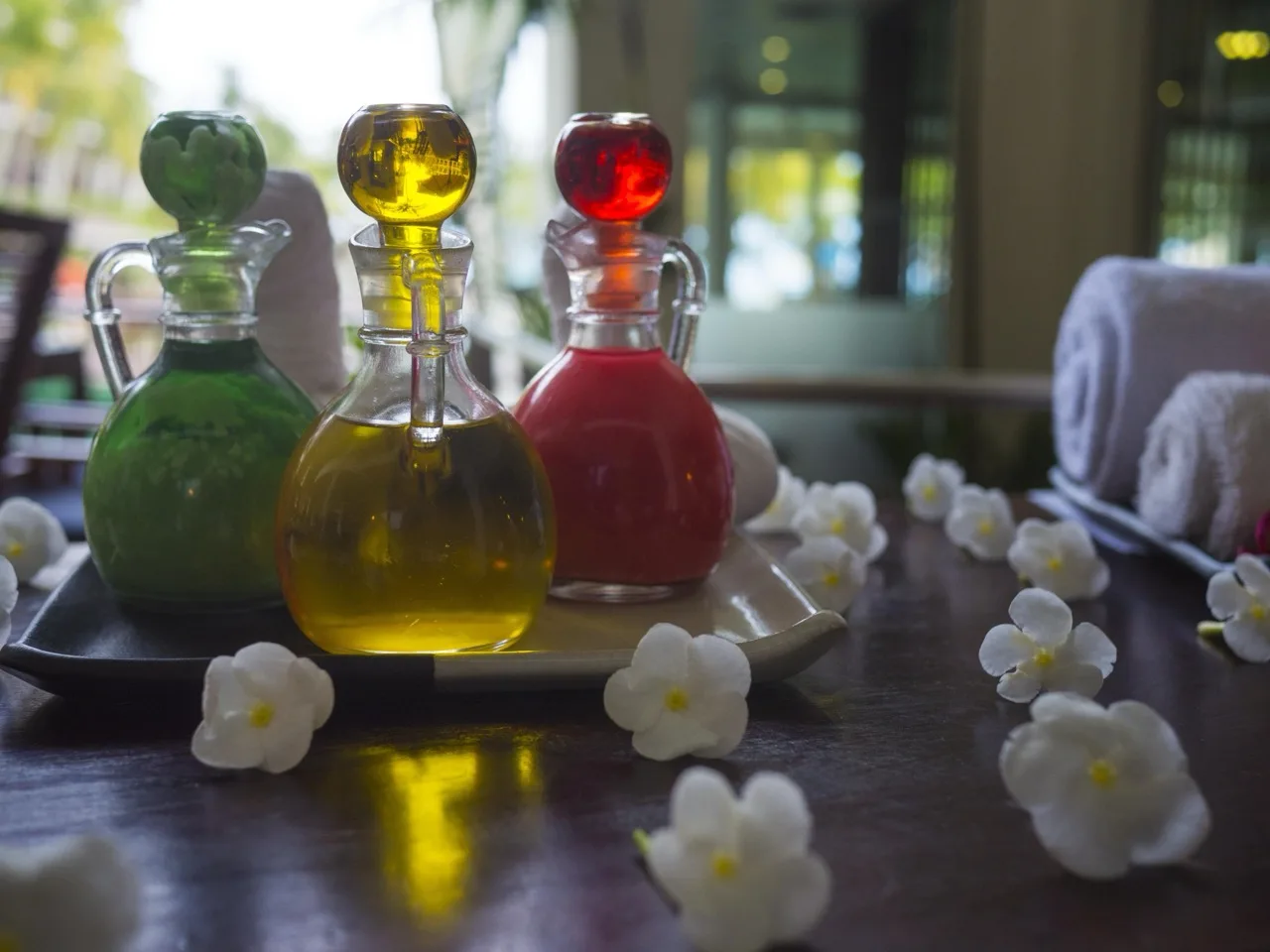
Spas in Japan encompass hotel day spas, hot spring (onsen) wellness retreats, and specialized head spa salons.
- Primary Focus: Mental unwinding, stress reduction, muscular ease, and sensory immersion.
- Typical Services: Full-body aromatherapy oil massage, hot stone therapy, herbal baths, and specialized head spa rituals. As established Japanese head spa salons define it, a specialized head spa is a dedicated service focused primarily on the health of the scalp and the condition of the hair strands[2], combining scalp cleansing, shampooing, massage, and hair care with a relaxing experience[2].
- Business Model: Almost exclusively single, pay-per-visit appointments. Clients rarely face high-pressure sales pitches for long-term contract packages.
3. Cosmetic Dermatology Clinics (Biyō Hifuka)
Cosmetic dermatology clinics are medical facilities governed strictly by Japan's Medical Care Act and the Medical Practitioners' Act.
- Primary Focus: Clinical diagnosis, addressing structural dermatological concerns, medical care for chronic acne, and delivering lasting cosmetic alterations.
- Personnel: Treatments are performed or supervised by nationally licensed physicians (ishi) and registered nurses (kangoshi).
- Medical Authorization: In Japan, the Pharmaceuticals and Medical Devices Agency (PMDA) is the regulatory agency which reviews quality, safety and efficacy of medical products to be marketed in Japan from scientific aspect[1]. Only licensed medical clinics can operate high-intensity therapeutic medical devices—such as picosecond lasers, CO2 fractional lasers, intense pulsed light (IPL) medical devices, and injectable neuromodulators.
Legal Boundaries: What Esthetic Salons Cannot Do
The Ministry of Health, Labour and Welfare (MHLW) strictly enforces Article 17 of the Medical Practitioners' Act, which prohibits non-physicians from conducting medical acts (ikai).
Understanding these legal restrictions protects consumers from safety hazards and unrealistic expectations:
Hair Removal (Medical Laser vs. Salon Light)
- Medical Clinics: Legally authorized to use high-output lasers (Alexandrite, Diode, Nd:YAG) engineered to thermally destroy follicular stem cells, achieving long-term hair reduction.
- Esthetic Salons: Restricted to lower-energy flash devices (IPL or photofacial machines). Salon hair removal can only temporarily slow hair regrowth; claiming complete destruction of the hair follicle is illegal for an esthetic salon.
Exfoliation and Chemical Peels
- Medical Clinics: Can administer high-concentration trichloroacetic acid (TCA), glycolic acid, or salicylic acid solutions that reach deeper epidermal and dermal layers.
- Esthetic Salons: Limited to mild, superficial cosmetic exfoliants that act solely on the stratum corneum. Dermatologists caution that whether at home or in salons, individuals must resist the temptation to scrub your skin because scrubbing irritates the skin[3].
Skin Barrier Disruption and Injections
Non-medical esthetic salons and spas are strictly barred from breaching the epidermal barrier. This means:
- No injections of any kind (hyaluronic acid fillers, Botox, vitamin cocktails)
- No invasive micro-needling (devices with needles reaching into the dermis)
- No cosmetic tattooing or semi-permanent makeup (microblading), which Japanese courts classify as an invasive medical practice requiring a physician or nurse license
Comprehensive Comparison Table
The table below contrasts the three major establishment types across operational, regulatory, and experiential parameters:
Scroll horizontally to see full details.
| Feature | Esthetic Salon (*Esute*) | Day / Hotel Spa | Cosmetic Clinic (*Biyō Hifuka*) |
|---|---|---|---|
| Core Mission | Aesthetic conditioning & body contouring | Sensory relaxation & mental decompression | Medical diagnosis & structural correction |
| Practitioners | Certified estheticians (private credentials) | Massage therapists / certified beauticians | Licensed physicians & registered nurses |
| Governing Laws | Consumer Contract Act, PMD Act | Public Bathhouses Act, Sanitation Codes | Medical Care Act, Medical Practitioners' Act |
| Equipment Used | Low-power RF, ultrasound, gentle suction | Water basins, hot stones, aroma diffusers | High-power lasers, RF microneedling, IPL |
| Downtime | Zero downtime (leaves skin glowy) | Zero downtime (deep physical rest) | Variable (redness, peeling, or swelling) |
| Typical Booking | Trial session + multi-visit packages | Single pay-per-visit reservation | Consultation fee + pay-per-procedure |