title: Japanese Eyebrow Makeup Trends: Styles, Techniques & How to Draw description: "Explore Japanese eyebrow makeup trends. Learn the fuwa-mayu soft brow aesthetic, nuance color palettes, step-by-step drawing techniques, and tool guides." meta_description: Explore Japanese eyebrow makeup trends. Learn the fuwa-mayu soft brow aesthetic, nuance color palettes, step-by-step drawing techniques, and tool guides. published_at: "2026-11-16" updated_at: "2026-11-16" fact_checked_at: "2026-11-16" author: "Miho Tanaka" fact_checker: "Miho Tanaka" category: "how-japan-works" tags:
- japanese eyebrow trends
- eyebrow makeup tutorial
- fuwa mayu
- j-beauty makeup
- natural eyebrow styling thumbnail: "/images/stock/woman-dry-skin-soft-light.jpg" thumbnail_alt: "Close-up portrait of a woman with soft, natural groomed eyebrows illuminated by gentle daylight"
Japanese Eyebrow Makeup Trends: Styles, Techniques & How to Draw
In contemporary Japanese beauty (J-Beauty), eyebrow makeup is defined by three fundamental principles:
- The "Fuwa-Mayu" (Soft & Fluffy) Shape: Instead of sharp geometric arches or rigid straight lines, brows follow the natural orbital bone with gently curved, diffused edges.
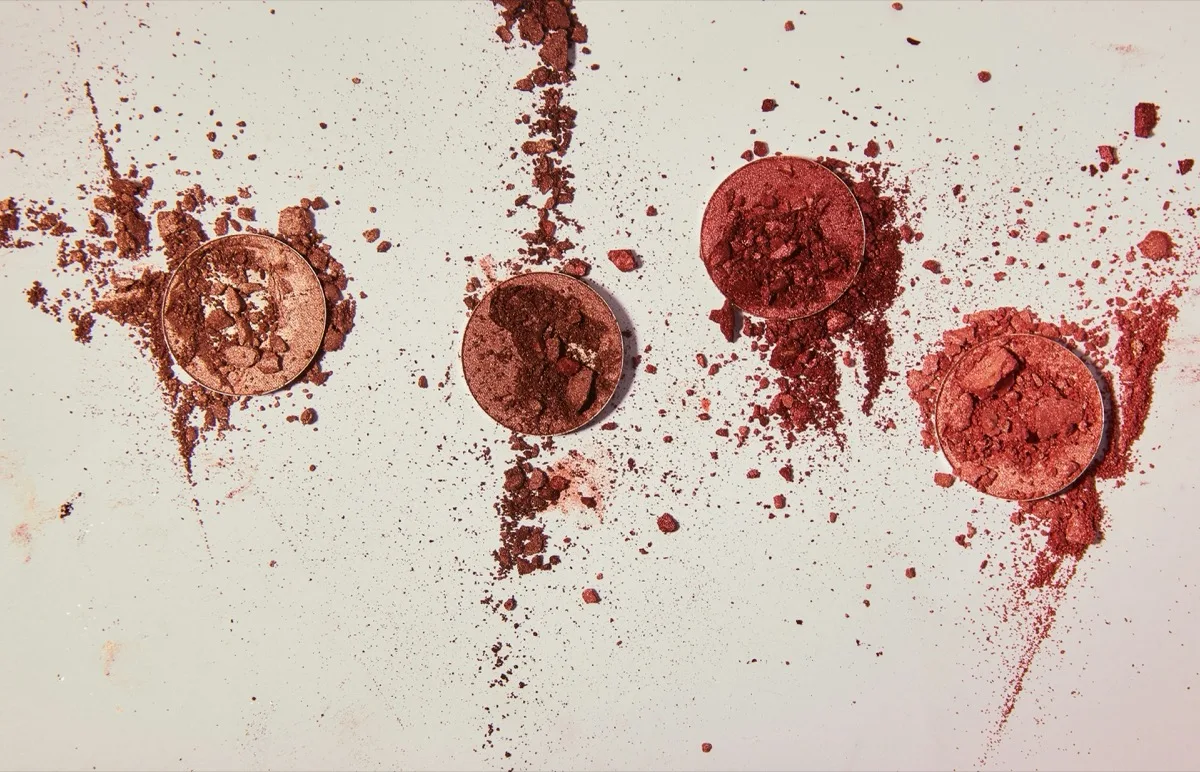
- The 3-Step Tool Synergy: Tri-color powder palettes provide gradient shadow, micro-pencils fill sparse hair gaps, and tinted brow mascaras soften dark coarse hairs.
- Nuance Color Tints: Traditional black and dark brown pencils are replaced with softer tones such as milk tea beige, olive ash, and mauve-pink to harmonize with skin undertones and soften the gaze.
In Japanese makeup culture, eyebrows (mayu) are regarded as the single most critical feature for determining a person's perceived impression. Japanese beauty magazines and professional artists often cite the rule that "eyebrows account for 80% of your facial impression." A harsh, overly defined brow can make someone appear unapproachable, while a softly diffused, natural brow projects warmth, youthfulness, and effortless elegance.
Over recent decades, Japanese eyebrow aesthetics have transitioned away from the ultra-thin, highly arched brows of the 1990s and the flat, parallel brows of the early 2010s toward what Japanese trendsetters today celebrate as jijaku-mayu (enhancing your own natural brow bone) and fuwa-mayu (airy, soft-textured brows).
In this comprehensive guide, we explore the history and philosophy of Japanese eyebrow trends, breakdown the iconic multi-tool system, provide a step-by-step drawing tutorial, and contrast Japanese brows with Western and Korean styles.
The Evolution of Japanese Eyebrow Trends
Eyebrow styling in Japan has continually mirrored broader cultural shifts and changing ideals of feminine beauty:
1. The 1990s to Early 2000s: The Ultra-Thin "Amuro" Brow
Influenced by legendary J-pop icon Namie Amuro and Shibuya youth culture, the late 1990s saw millions of Japanese women vigorously plucking their brows into pencil-thin, high-arching lines. Brows were frequently shaved down and redrawn using fine liquid pens or dark pencils.
2. The 2010s: Bold Parallel Brows (Heikou-Mayu)
As the natural beauty boom gained momentum and Korean pop culture influenced Asian beauty trends, Japanese brows swung to the opposite extreme. The trend shifted toward thick, youthful, straight-across parallel brows (heikou-mayu). This style lowered the arch to shorten the perceived mid-face length, creating an innocent, baby-faced look.
3. The 2020s to Present: Natural Dimension (Fuwa-Mayu) and "Nuance Color"
Today, Japanese beauty rejects rigid templates entirely. The current standard is the natural arched brow (shizen-na aachi-mayu) characterized by:
- Individual Bone Alignment: Instead of forcing brows into an artificial straight line, the shape follows each individual's natural supraorbital ridge and brow muscles (mayushin).
- Airy, Fluffy Texture (Fuwa-Kan): Rather than drawing solid blocks of pigment, powders and fine hair-strokes create an optical haze that mimics soft downy hair.
- The "Nuance Color" Revolution: In recent years, one of the biggest commercial trends across Japanese drugstores and department stores has been the rise of colorful brow cosmetics. Palettes now incorporate soft pink-browns, dusty mauves, orange-apricots, and khaki-ash tones. These subtle hues soften the face, complement trending hair color tones, and add modern sophistication without appearing unnatural.
The Essential Japanese 3-Tool System
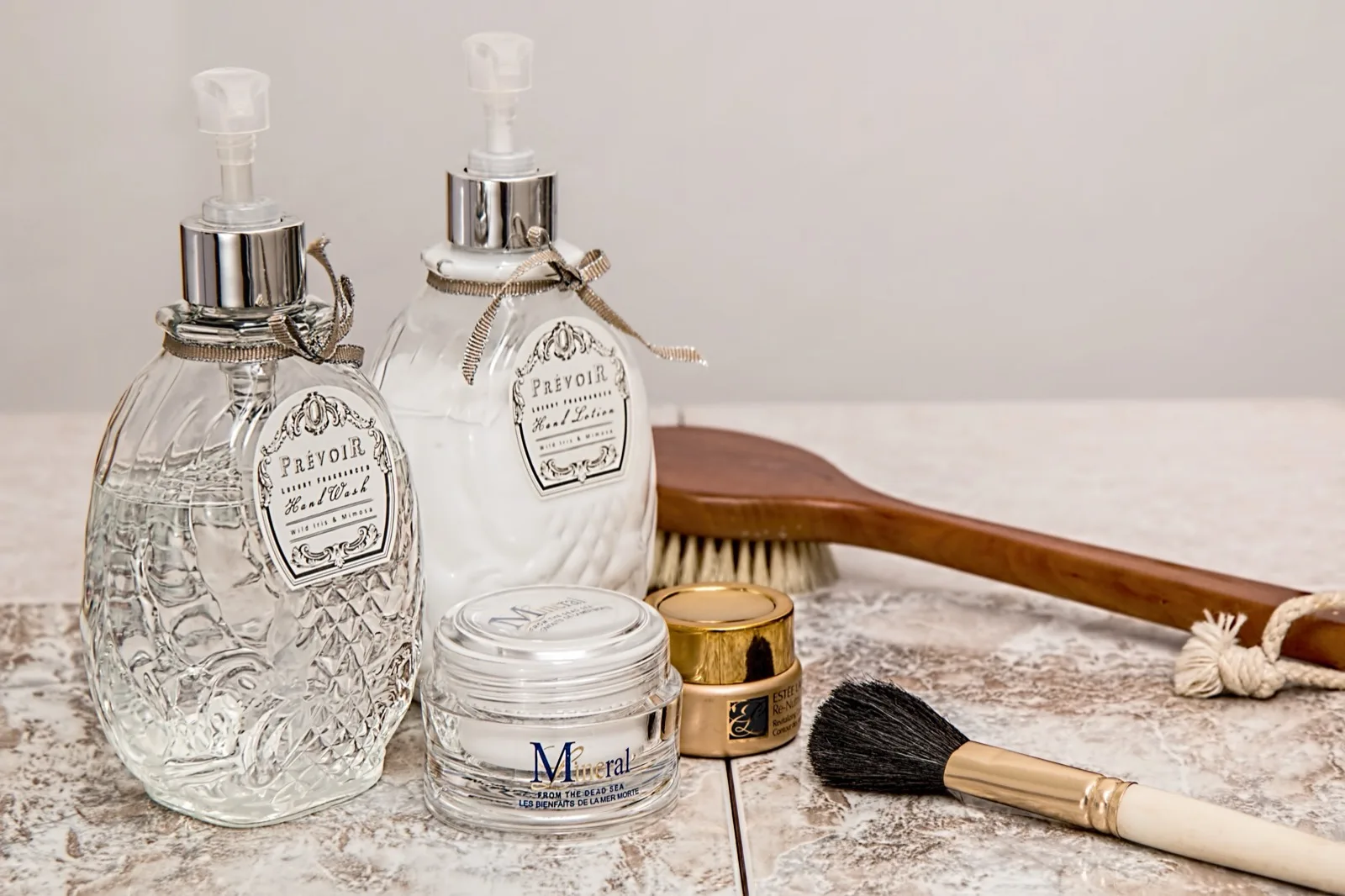
Japanese cosmetic brands are renowned for inventing ergonomic eyebrow tools that streamline the drawing process. The overwhelming majority of Japanese beauty routines rely on three complementary products:
1. The Tri-Color Eyebrow Powder Palette
A staple found in virtually every Japanese makeup pouch. These compacts feature three gradient shades:
- Darkest Shade: Used with a firm, angled brush to sculpt the tail and lower baseline of the brow.
- Medium Transition Shade: Blended across the center arch to soften the body of the brow.
- Lightest Neutral Shade: Applied with a fluffy, rounded brush to blur the inner head of the brow (mayugashira) and sweep down the sides of the nose bridge as a subtle, organic contour (nose shadow).
2. The Micro-Fine Eyebrow Pencil (0.9 mm to 1.5 mm)
Japanese pencil technology specializes in ultra-slim leads that allow users to sketch individual hair strokes. These formulas strike a balance between wax and pigment: they are firm enough to resist melting, yet deposit color smoothly without dragging on the delicate eye-area skin.
3. Eyebrow Mascara (Mayu Mascara)
Because many Asian individuals have naturally black, coarse, and downward-growing brow hairs, eyebrow mascara is an indispensable finishing tool. These products feature micro-spoolie wands and flexible polymer film-formers that coat each hair in a translucent pigment, instantly lightening the brow one to two shades without leaving a stiff, crusty residue.
Step-by-Step Tutorial: How to Draw the Modern "Fuwa-Mayu"
Drawing authentic Japanese soft brows is a matter of sequence and pressure control. Follow this proven five-step method:
Step 1: Prep and Comb the Brow Hairs
- Remove Excess Oil: Before applying any brow makeup, lightly dust translucent powder or blot with tissue over your brow area. Oil or excess foundation causes pencils to slip and powders to clump.
- Spoolie Combing: Comb your brow hairs with a clean spoolie brush—upward at the front, diagonally outward through the body, and downward toward the tail. This reveals your natural hair density and identifies gaps.
Step 2: Establish the Proportions (The Golden Ratio)
Locate the three anatomical landmarks used by Japanese makeup artists:
- Brow Head (Mayugashira): Aligns vertically with the outer edge of your nostril. Avoid starting too close to the center, which creates a furrowed, angry expression.
- Arch Peak (Mayuyama): Placed directly above the outer boundary of your iris or two-thirds along the length of the brow.
- Brow Tail (Mayujiri): Extends along an imaginary diagonal line connecting the outer wing of your nostril and the outer corner of your eye. The tail should never end lower than the starting head of the brow.
Step 3: Lay the Gradient Shadow with Powder
- Dip your angled brush into the medium and dark powder shades.
- Start at the highest point of the arch and gently sketch down toward the tail. The tail should have the highest color saturation and the sharpest line.
- Use the leftover powder on your brush to lightly sweep through the center of the brow.
- Switch to the fluffy brush and tap the lightest shade. Sweep it from the middle of the brow backward toward the inner head, fading to nearly invisible transparency. Never start drawing from the front.
Step 4: Sketch Hair Strokes in Sparse Gaps
- Pick up your micro-fine pencil.
- Holding the pencil lightly at a 45-degree angle, sketch short, feather-light upward flicks strictly where skin is visible between natural hairs.
- Refine the very tip of the tail so it tapers to an elegant, clean finish.
- Lightly blend with your spoolie brush to diffuse any rigid pencil marks.
Step 5: Coat with Nuance Eyebrow Mascara
- Wipe excess product off the eyebrow mascara wand against the lip of the tube.
- The Back-Comb Technique: Comb the wand against the grain of hair growth (from the tail toward the front). This coats the underside of each hair strand with pigment.
- The Setting Stroke: Immediately comb the hairs back into their natural direction, lifting the front hairs upward and sweeping the tail downward.
- Allow 30 seconds to set without touching.
Detailed Style Comparison: Japanese vs. Western vs. Korean Eyebrows
To appreciate the nuances of the Japanese aesthetic, compare it with neighboring international approaches:
Scroll horizontally to view full table
| Comparison Factor | Japanese "Fuwa-Mayu" | Western "Sculpted Arch" | Korean "Heikou-Mayu" |
|---|---|---|---|
| Core Aesthetic | Soft, airy, approachable, and harmonized with individual bone structure. | Architectural, chiseled, highly arched, and statement-making. | Youthful, innocent, straight-across, and minimal arch. |
| Primary Tools | Tri-color powder palettes, micro-pencils, and tinted brow mascaras. | High-pigment pomades, wax pencils, and concealer carving brushes. | Soft cushion brow tints, flat-edged pencils, and clear styling gels. |
| Color Philosophy | 1-2 shades lighter than hair; soft nuance tints (mauve, ash, milk tea). | Matches natural hair or slightly darker; high contrast definition. | Warm light browns and chestnuts to project bright youthfulness. |
| Front of Brow (Head) | Diffused into invisible skin gradient; seamlessly linked to nose contour. | Square, micro-bladed, or crisp vertical fade with sharp bottom boundary. | Soft, round, or straight square without stark gradients. |
| Arch & Tail | Gently curved arch; tapered tail ending at natural orbital plane. | High, sharp arch; crisp, pointed razor-sharp tail. | Minimal to zero arch; slightly downward-pointing soft tail. |