title: Japanese Face Shaving for Women: Techniques & Safety h1: "Japanese Face Shaving for Women: Techniques & Safety" description: "Master Japanese face shaving for women (kaozori). Learn vellus hair removal techniques, razor angle safety, skin barrier prep, and irritation prevention." meta_description: Master Japanese face shaving for women (kaozori). Learn vellus hair removal techniques, razor angle safety, skin barrier prep, and irritation prevention. category: "how-japan-works" slug: "japanese-face-shaving-for-women" publish: true published_at: "2026-11-17" hero_image: "/images/stock/woman-checking-skin-in-bathroom-mirror.jpg" hero_image_alt: "Woman carefully inspecting her smooth facial skin in a bathroom mirror with soft natural light"
Japanese Face Shaving for Women: Techniques & Safety
In Japan, facial shaving for women—traditionally known as kaozori—is not regarded as a masculine chore, but as a refined grooming art that has flourished for centuries. Originally performed by licensed master barbers before weddings and coming-of-age ceremonies, kaozori has long been a mainstream monthly salon service and at-home maintenance routine. By removing fine facial fuzz and dull surface keratin, it creates an ultra-smooth, translucent canvas that allows skincare lotions to glide effortlessly and makeup to adhere smoothly without caking.
Japanese face shaving (*kaozori*) involves using a specialized guarded single-blade razor to gently remove fine vellus hair (peach fuzz) and dead surface keratin from the forehead, cheeks, jawline, and upper lip. Performed with a flat 30-to-45-degree blade angle over a generous cushion of facial emulsion or shaving cream, it boosts skin translucency and enhances cosmetic application. However, because shaving physically exfoliates the outer skin barrier, shaving strictly with the grain, maintaining meticulous blade hygiene, and completely avoiding active breakouts are crucial to avoid razor burn or barrier damage.
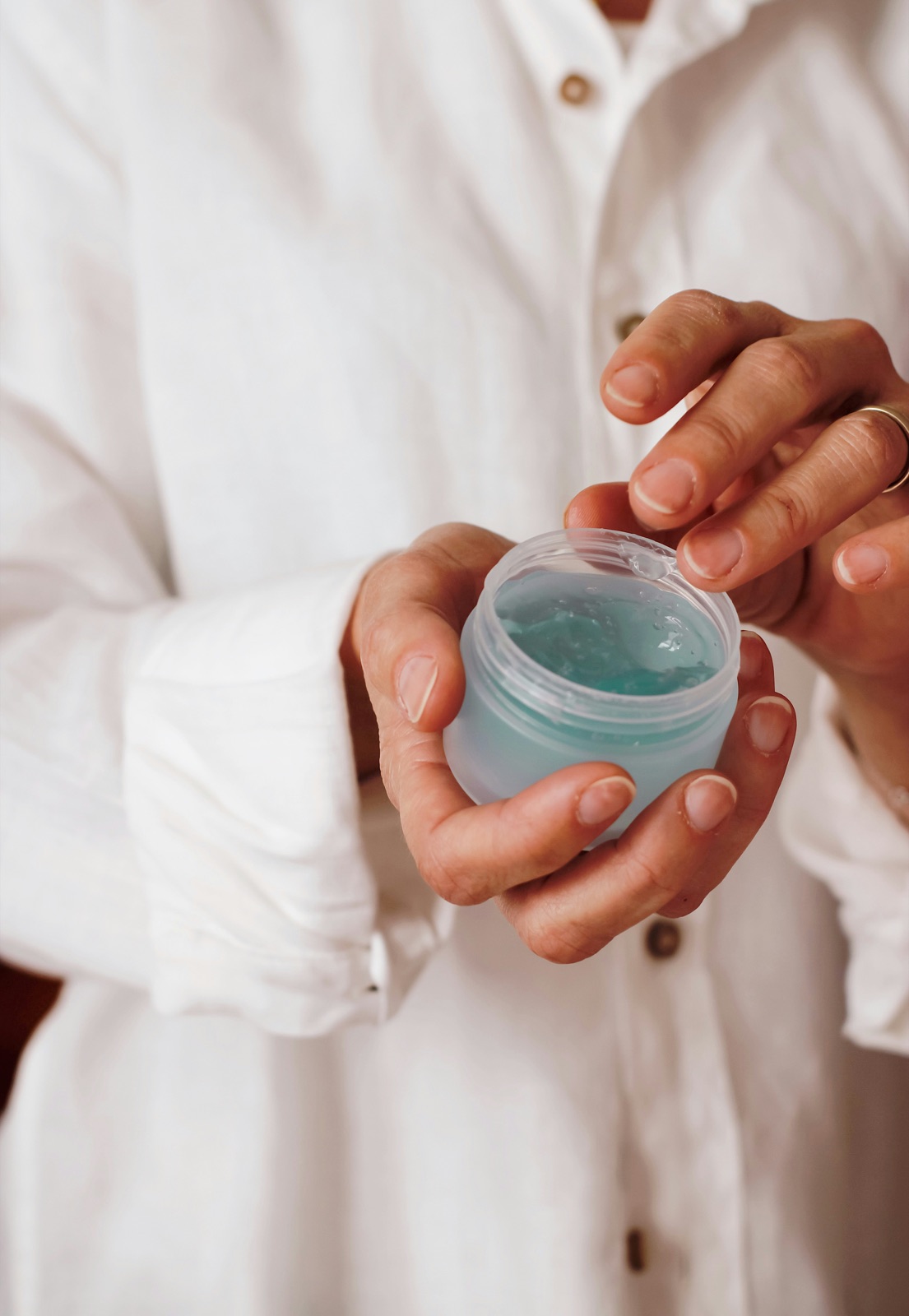
Careful inspection in natural light ensures facial shaving is performed with light precision and zero downward pressure.
What is Japanese kaozori? Vellus hair removal and gentle exfoliation
Almost every adult face is covered in microscopic, non-pigmented hair strands. In human biology, this fine coat is colloquially referred to as peach fuzz [1] or vellus hair. While these delicate hairs help regulate skin temperature, they also catch ambient light, creating a subtle shadowy cast that dulls natural complexion radiance. Furthermore, peach fuzz traps excess sebum, sweat, and makeup pigments, causing foundation to look powdery or cakey over textured areas.
From a dermatological standpoint, shaving is the removal of hair, by using a razor or any other kind of bladed implement [3] close to the surface. When a guarded razor glides across the face, it performs a dual action: slicing off fine vellus hairs flush with the skin while gently sweeping away loose, desiccated corneocytes from the stratum corneum, which is the outermost layer of the epidermis [2].
The result is instantaneous tactile smoothness. Skincare lotions absorb quickly into the freshly cleared surface, and liquid foundation melds directly with the skin rather than floating atop a fuzzy micro-canopy.
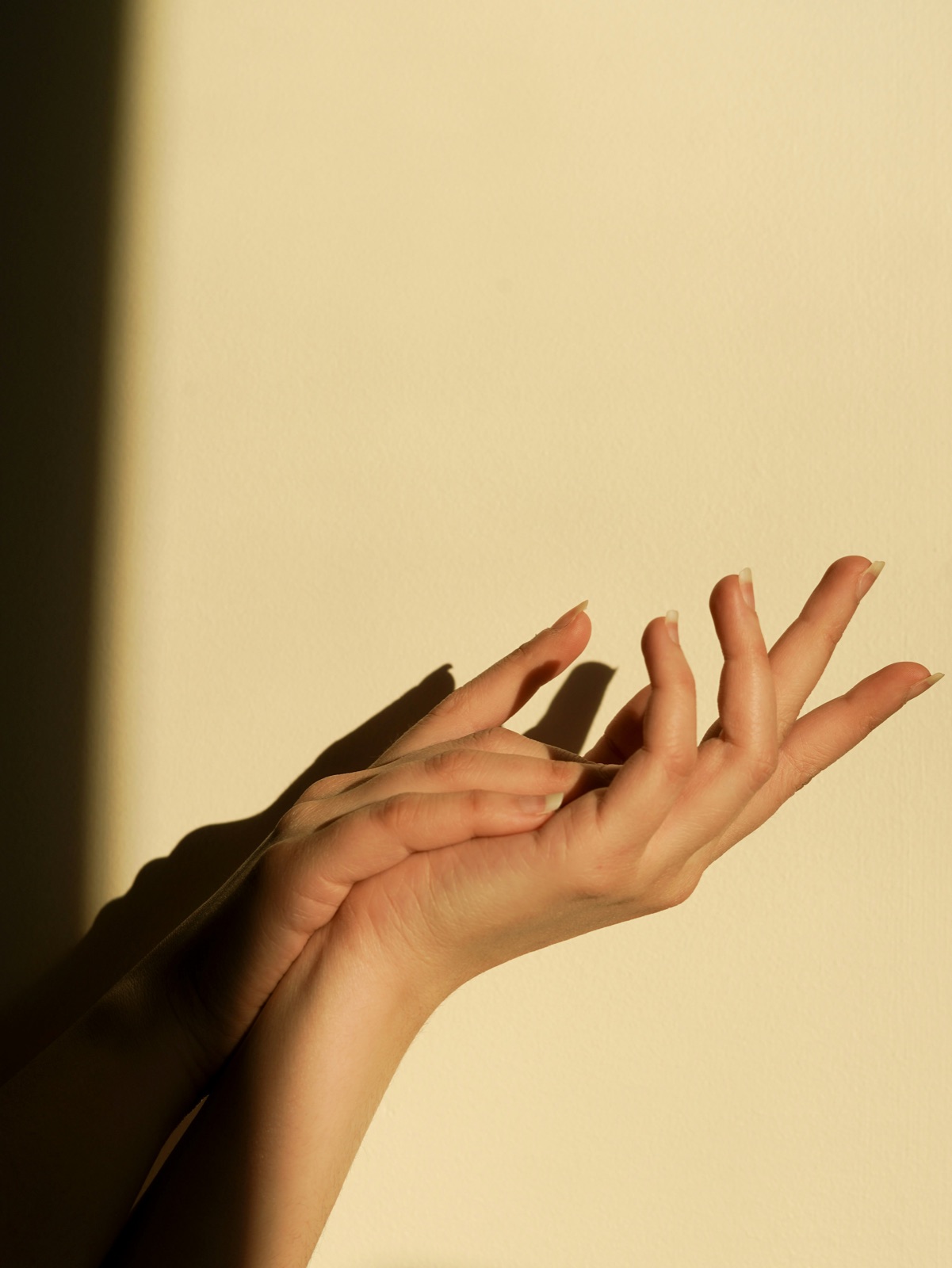
Clearing fine vellus hair creates a smooth surface that maximizes the look of translucent skin clarity.
Step-by-step: How to shave your face safely at home
Performing kaozori safely at home requires careful preparation and steady hands. Never dry-shave bare skin. Follow this structured five-step method:
1. Cleanse and soften with a warm towel
Wash your face thoroughly with a mild foaming cleanser to remove surface sebum and dirt. Next, press a warm, damp towel (mushi-taoru) against your face for 1 to 2 minutes. The moist thermal vapor softens both fine vellus hairs and rigid surface keratin, making them significantly easier to cut without tugging.
2. Apply a protective lubricating cushion
Never place a razor against bare, unlubricated skin. Smooth a generous layer of moisturizing emulsion (nyueki), facial cleansing cream, or squalane oil across the area you plan to shave. This lubricating cushion allows the blade to glide effortlessly without dragging or scratching.
3. Use a guarded Japanese facial razor at 30 to 45 degrees
Japanese drugstores offer single-blade facial razors equipped with micro-safety ridges (safety guards) that prevent the blade edge from digging into the flesh. Hold the razor firmly between your thumb and index finger, resting the blade flat against the skin at a 30-to-45-degree angle.
4. Shave with the grain using short, light strokes
Use your non-dominant hand to gently pull the surrounding skin taut. Following official shaving safety guidance from the American Academy of Dermatology, always shave in the direction that the hair grows [4] rather than shaving against the grain. Use short, downward, feather-light strokes (1 to 2 cm each). Let the sharpness of the blade do the work—apply zero downward pressure against the skin.
5. Rinse with lukewarm water and seal immediately
Rinse away leftover cream and hair with cool or lukewarm water. Gently pat dry with a clean towel. Because physical exfoliation temporarily exposes fresh corneocytes, immediately flood the skin with an alcohol-free hydrating lotion and seal with a soothing ceramide cream.
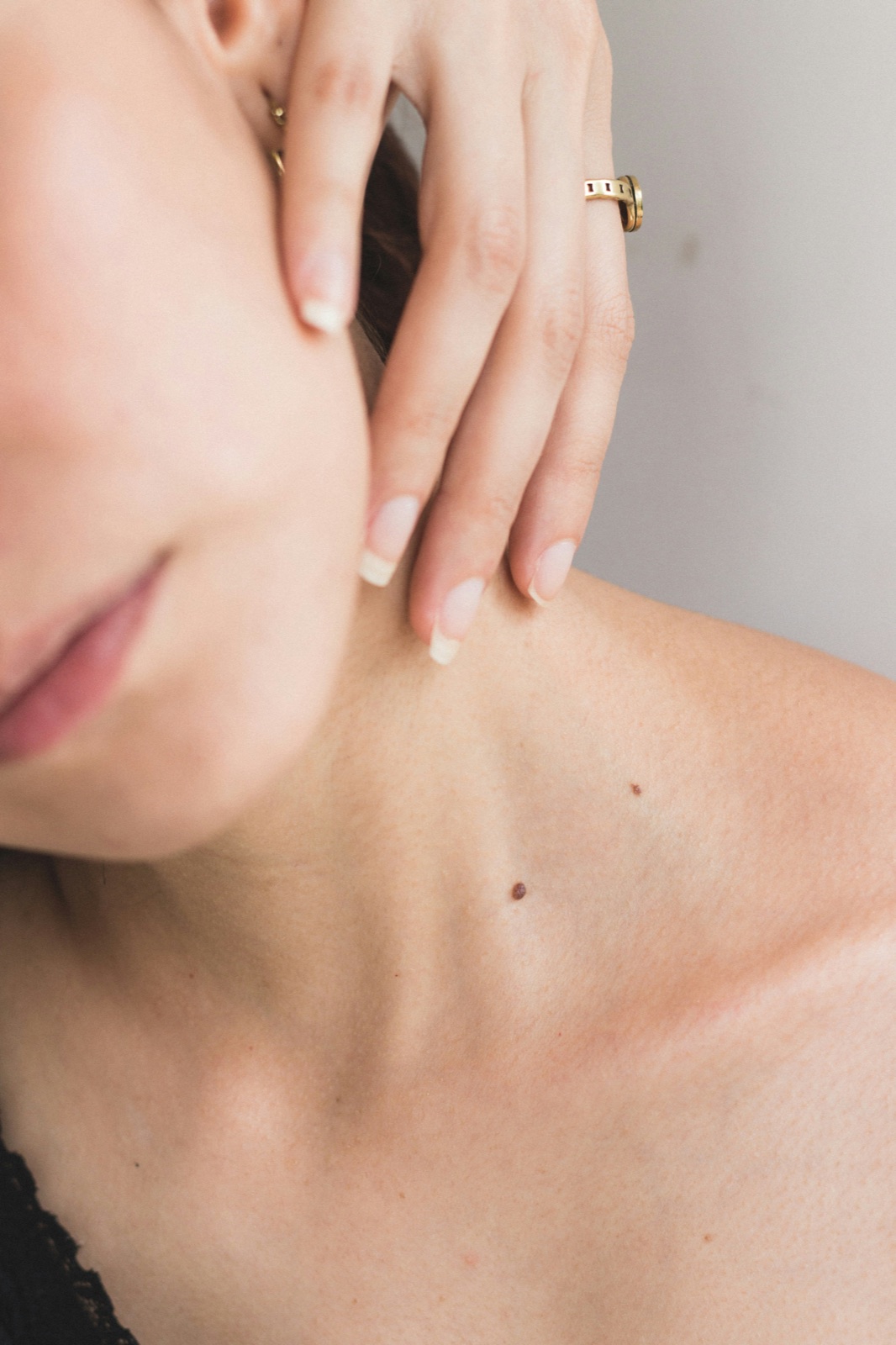
Always apply a generous lubricating cream before shaving to prevent friction micro-abrasions.
Comparison table: Professional salon kaozori vs home razor shaving
Women in Japan often balance monthly visits to specialized shaving salons (sheebingu-saron) with quick at-home touch-ups.
Scroll horizontally to view full table →
| Shaving Method | Blade Type Used | Depth of Exfoliation | Recommended Frequency | Ideal Setting & Purpose |
|---|---|---|---|---|
| Professional Barber *Kaozori* | Unguarded straight razor (licensed professional) | Deep physical dermaplaning | Once every 4 to 6 weeks | Bridal prep, formal ceremonies, full neck & hairline shaping |
| At-Home Guarded Safety Razor | Guarded single-blade disposable razor | Moderate surface dermaplaning | Once every 2 to 3 weeks | Monthly home maintenance; cheeks, temples, and upper lip |
| Electric Facial Trimmer | Vibrating micro-foil trimmer blade | Zero physical exfoliation (hair trim only) | Weekly or as needed | Sensitive skin, quick eyebrow cleanup, and beginners |