title: Japanese Facial Massage Kogao Technique: Methods & Safety description: "Explore Japanese Kogao facial massage techniques. Learn how masseter release and lymphatic drainage depuff contours without risky skin-stretching friction." meta_description: Explore Japanese Kogao facial massage techniques. Learn how masseter release and lymphatic drainage depuff contours without risky skin-stretching friction. published_at: "2026-11-16" updated_at: "2026-11-16" fact_checked_at: "2026-11-16" author: "Miho Tanaka" fact_checker: "Miho Tanaka" category: "how-japan-works" tags:
- kogao technique
- japanese facial massage
- masseter muscle
- lymphatic drainage face
- j-beauty skincare ritual thumbnail: "/images/stock/woman-resting-face-hands-soft-lighting.jpg" thumbnail_alt: "Serene woman gently resting her face in her hands under warm natural light"
Japanese Facial Massage Kogao Technique: Methods & Safety

Kogao (literally "small face") massage is a popular Japanese manual technique designed to sharpen facial contours and reduce temporary morning puffiness:
- Core Mechanism: It relies on gentle lymphatic drainage along the jawline and neck, paired with tension release in the masseter (chewing) muscles.
- The Skeletal Reality: Adult cranial bones are fused immovably and cannot be shifted, shrunk, or realigned through manual pressure.
- Temporary Results: Visual contouring reflects reduced fluid retention and relaxed muscle tone, which naturally resets over 24 to 48 hours.
- Critical Precaution: Massaging bare skin creates friction that breaks down elastin fibers. Ample lubrication with a rich cream or facial oil is essential.
Across Japanese beauty media, aesthetic salons, and viral social routines, the concept of kogao—having a compact, well-defined, and contoured facial structure—holds an enduring cultural presence. Specialty salons promote kogao kyousei (face-slimming sessions), while everyday skincare regimens frequently incorporate manual massage steps before applying makeup.
However, international observers often encounter exaggerated claims surrounding these methods. Can aggressive finger pressure actually rearrange facial bones? How does localized massage alter facial puffiness? And what dermatological hazards arise when individuals aggressively rub their facial skin at home?
This guide examines the physiological mechanisms behind Japanese kogao facial massage, differentiates genuine soft-tissue benefits from skeletal myths, and outlines how to safely perform gentle drainage without inducing barrier-damaging friction.
Anatomy of Kogao: Soft Tissues vs. Skeletal Myths
To evaluate Japanese facial contouring techniques objectively, one must distinguish between the rigid bones of the skull and the pliable soft tissues overlying them.
Myth: Altering Adult Cranial and Facial Bones
A common misconception marketed by dramatic salon demonstrations is that manual pressure can "push cheekbones inward" or "narrow cranial suture gaps." From an anatomical standpoint, this claim contradicts biological science.
In the adult human skull, the joints between the bones are called sutures, representing immovable joints that become rigid synarthrodial connections[2]. While sutures allow slight movement during birth, they later become rigid in adulthood[2].
Manual fingertip pressure applied through layers of skin and muscle cannot compress, reshape, or relocate fused adult bones. Any salon asserting lasting skeletal restructuring through hand manipulation is promoting an unverified commercial narrative.
Reality: Masseter Relaxation and Fluid Redistribution
When a facial massage produces a visibly slimmer jawline, the transformation occurs entirely within the soft tissues—specifically muscle and interstitial fluid:
- Masseter Muscle De-Tensioning: The masseter is one of the primary muscles of mastication, with its primary mechanical action being elevation of the mandible during the closing of the jaws[1]. Chronic teeth grinding (bruxism), daytime clenching, and repetitive chewing can lead to masseteric hypertrophy or localized muscle hypertonicity[1]. Releasing chronic tension in these chewing muscles allows them to soften, softening a squared jaw appearance.
- Lymphatic Drainage: The face contains an extensive, superficial network of lymphatic capillaries running just beneath the skin. Poor circulation, high dietary sodium, or sleeping flat can lead to morning fluid accumulation (transient edema) around the cheeks and under-eyes. Gentle sweeping strokes stimulate interstitial fluid movement toward the preauricular (ear) and supraclavicular (collarbone) lymph nodes, creating an immediate, visible reduction in puffiness.
Step-by-Step Japanese Kogao Self-Massage Routine
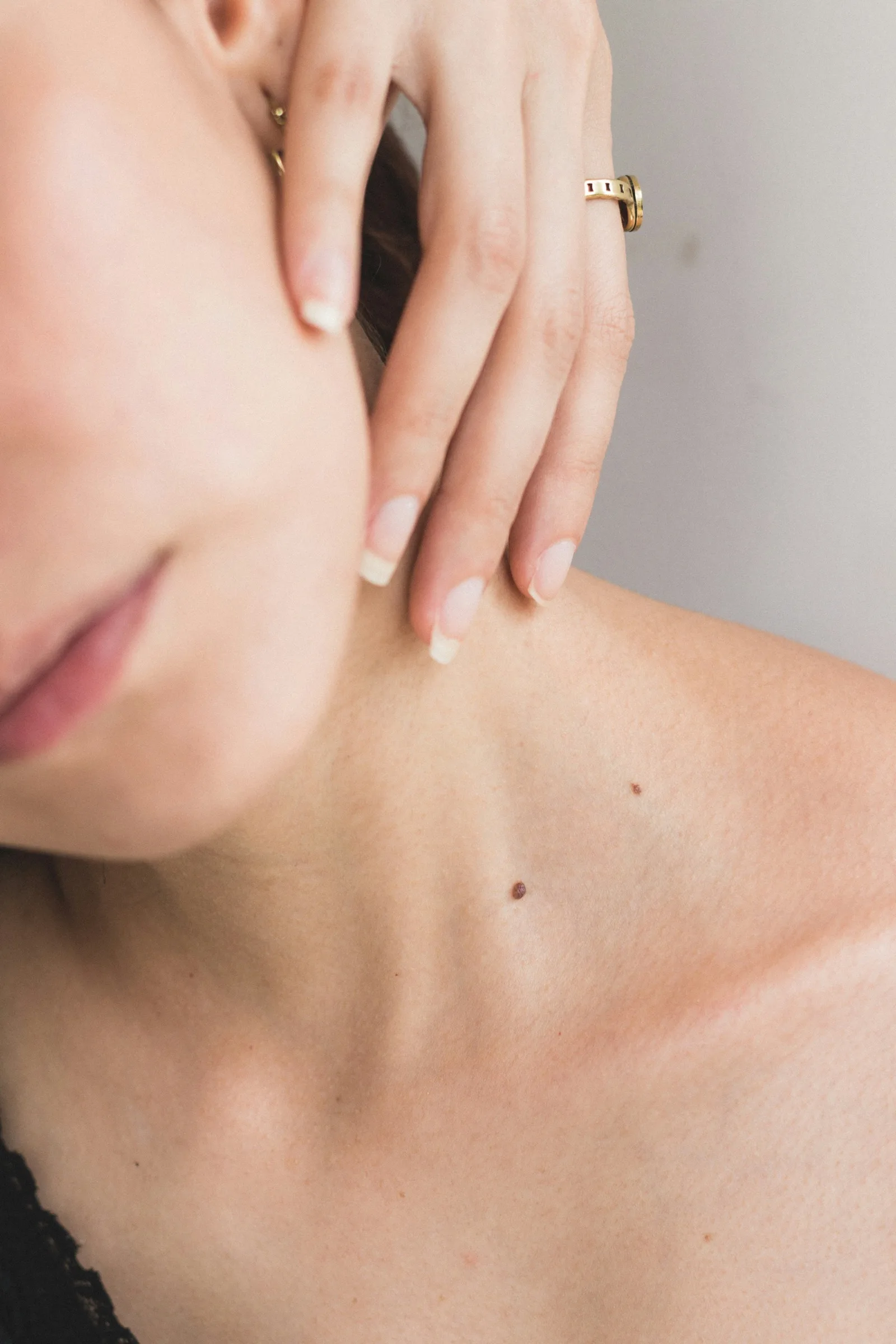
If you wish to integrate gentle contouring into your morning or evening routine, prioritize gliding motions and structural relaxation rather than heavy, abrasive pressure.
Preparation: Establish Adequate "Slip"
Never massage unlubricated skin. Dermatologists emphasize that you must resist the temptation to scrub your skin because scrubbing irritates the skin[3]. Rubbing bare skin generates high mechanical friction, stretching the delicate elastin mesh and compromising the epidermal moisture barrier.
Apply a generous nickel-sized dollop of a rich massage cream, cleansing balm, or cold-pressed facial oil (such as squalane or camellia japonica oil) across your entire face and neck before touching the skin.
Step 1: Awakening the Supraclavicular Terminus
Before moving facial fluid, you must clear the exit pathway:
- Place your index and middle fingers in the hollow depressions just behind your collarbones (the supraclavicular fossa).
- Apply gentle, pulsating downward pressure 5 to 8 times.
- This primes the thoracic duct and right lymphatic duct to receive drainage from the upper extremities and head.
Step 2: Masseter Release at the Mandibular Angle
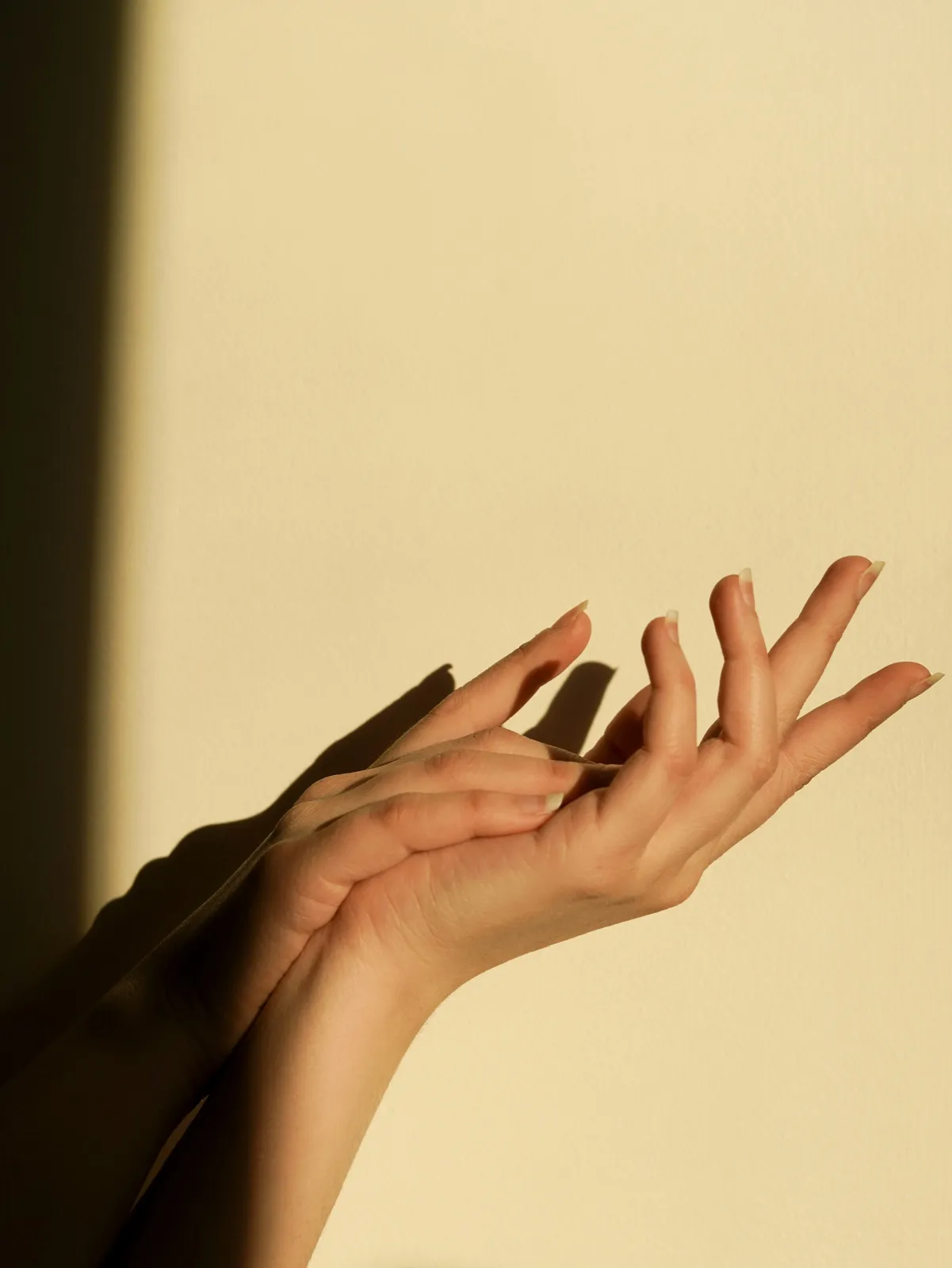
Locate the fleshy body of the masseter muscle: clench your back teeth lightly to feel the muscle bulge at the rear of your lower jaw.
- Relax your jaw completely, keeping your mouth slightly parted.
- Using the soft pads of your middle fingers or the flat side of your proximal knuckles, apply stationary circular pressure directly into the muscle belly.
- Perform small, slow circles for 30 to 45 seconds without sliding across the skin surface. Focus on releasing muscular tightness rather than dragging the tissue.
Step 3: Jawline Sweep Toward the Auricular Nodes
- Rest the heels of your thumbs or the "V" shape formed by your index and middle knuckles beneath your chin.
- Glide slowly outward along the lower edge of the mandible toward the base of your earlobes.
- Use moderate, continuous pressure, ensuring the lubricating cream prevents any dragging sensation. Repeat 5 times on each side.
Step 4: Mid-Face Drainage Across Cheeks
- Place your fingertips flat alongside your nose in the nasolabial groove.
- Sweep smoothly outward beneath your cheekbones toward your temples.
- Pause at the temples and hold a soft, relaxing pressure point for two seconds. Repeat 3 to 5 times.
Step 5: Neck Flush to Complete the Circuit

To ensure mobilized interstitial fluid exits the facial region:
- Place both palms flat on the sides of your neck just beneath your ears.
- Sweep downward along the sternocleidomastoid muscles toward your collarbones.
- Finish with three long, downward strokes using featherlight pressure.
For complementary exercises that strengthen facial expression muscles without manual dragging, explore our breakdown of Japanese face exercises and facial yoga. You can also learn how low-impact touch preserves barrier integrity in our guide to frictionless cleansing in Japanese skincare.
Comparison: Manual Massage vs. Beauty Tools
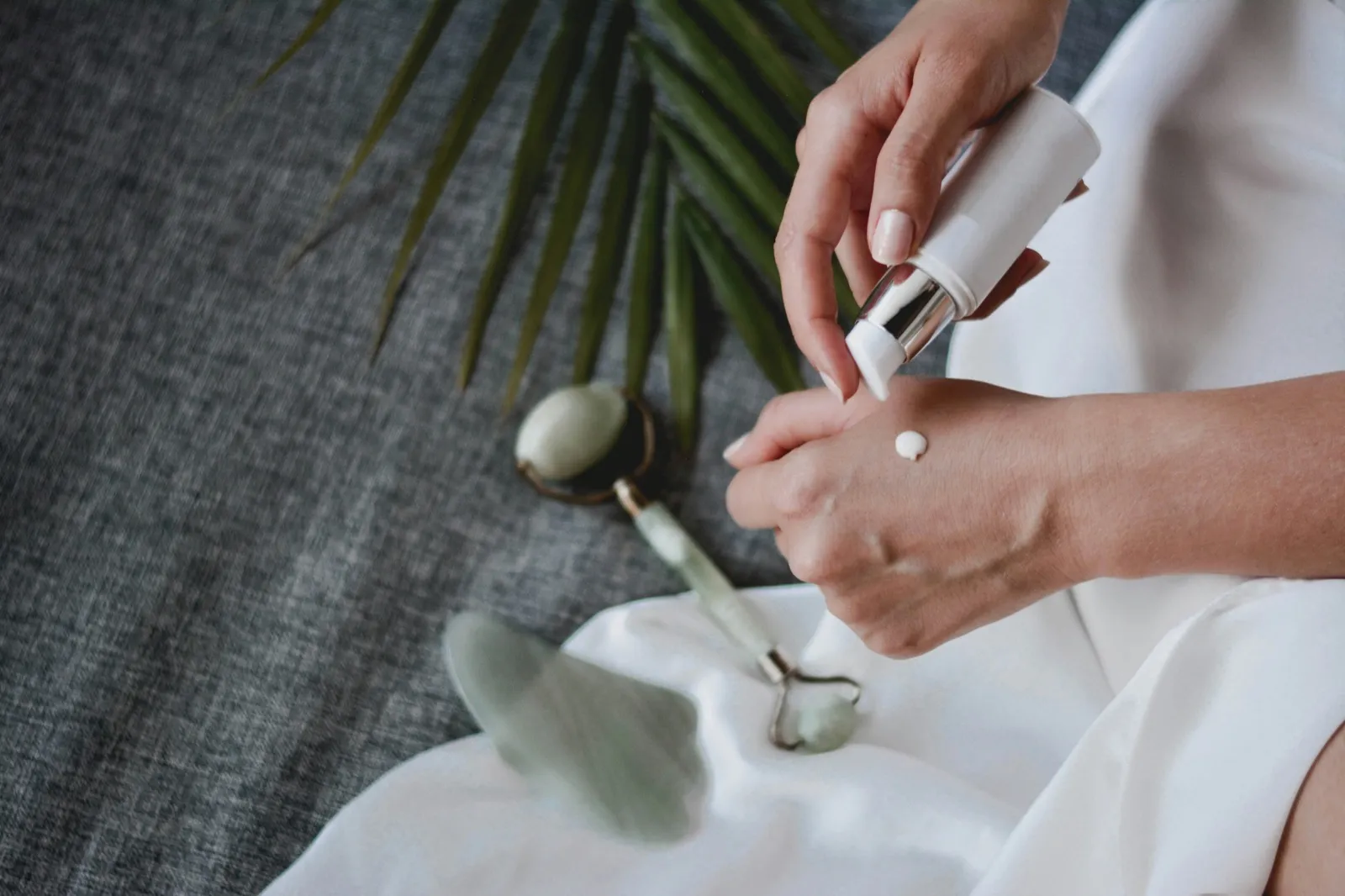
Many beauty enthusiasts wonder whether manual hands or specialized massage tools (such as ceramic gua sha boards or micro-current rollers) deliver superior contouring results.
Scroll horizontally to see full details.
| Modality | Primary Advantage | Friction Risk Level | Recommended Context |
|---|---|---|---|
| Fingertip Massage | Precise pressure control and natural tactile feedback | Low (when properly lubricated) | Targeting masseter tension and gentle morning drainage |
| Gua Sha Boards | Broad, uniform surface contact along jawline | Moderate to High (requires heavy oil slip) | Evening winding-down; requires flat blade angling |
| Two-Ball Rollers | Simulates aesthetician kneading without fingertip fatigue | Low to Moderate | Lifting cheeks and along neck; avoid pinching thin skin |