title: Japanese Facial Rollers: Microcurrent Lymphatic Guide slug: japanese-facial-roller-microcurrent-lymphatic category: how-japan-works published_at: '2026-11-23' updated_at: '2026-11-23' meta_description: Explore Japanese microcurrent facial rollers like ReFa CARAT. Learn solar microcurrent science, lymphatic drainage techniques, and contouring tips. keywords:
- japanese facial roller microcurrent lymphatic
- refa carat solar microcurrent roller
- japanese beauty roller drainage massage
- how to use refa roller collarbone
- platinum facial roller lymphatic flow lead_image: /images/stock/skincare-massage-guasha-roller-step.webp lead_image_alt: Woman performing delicate facial contour rolling and lymphatic massage at home thumbnail: /images/stock/skincare-massage-guasha-roller-step.webp thumbnail_alt: Woman performing delicate facial contour rolling and lymphatic massage at home author: Editorial Team publish: true
Japanese Facial Rollers: Microcurrent Lymphatic Guide
Among Japan's most recognizable luxury beauty exports are platinum-coated, multi-angle facial rollers. Championed by brands such as ReFa, developed by Nagoya-based wellness innovator MTG under their core guiding philosophy of one shines, we shine, all shines[3], these ergonomic handheld tools are fixtures on dressing tables and salon vanity counters across Asia. Combining solar-generated microcurrent with professional esthetician kneading techniques, Japanese rollers offer a non-invasive way to relieve facial tension, stimulate lymphatic drainage, and sharpen jawline definition.
Quick answer: Japanese microcurrent facial rollers utilize integrated solar panels in the handle to draw in ambient room light, generating imperceptible low-amperage electrical currents that mimic natural bioelectricity. As twin platinum-coated multi-faceted rollers glide along the jawline, neck, and collarbone, they recreate professional salon kneading. This manual lymphatic drainage technique relieves morning puffiness, firms facial contours, and boosts radiance without batteries or electrical charging cords.
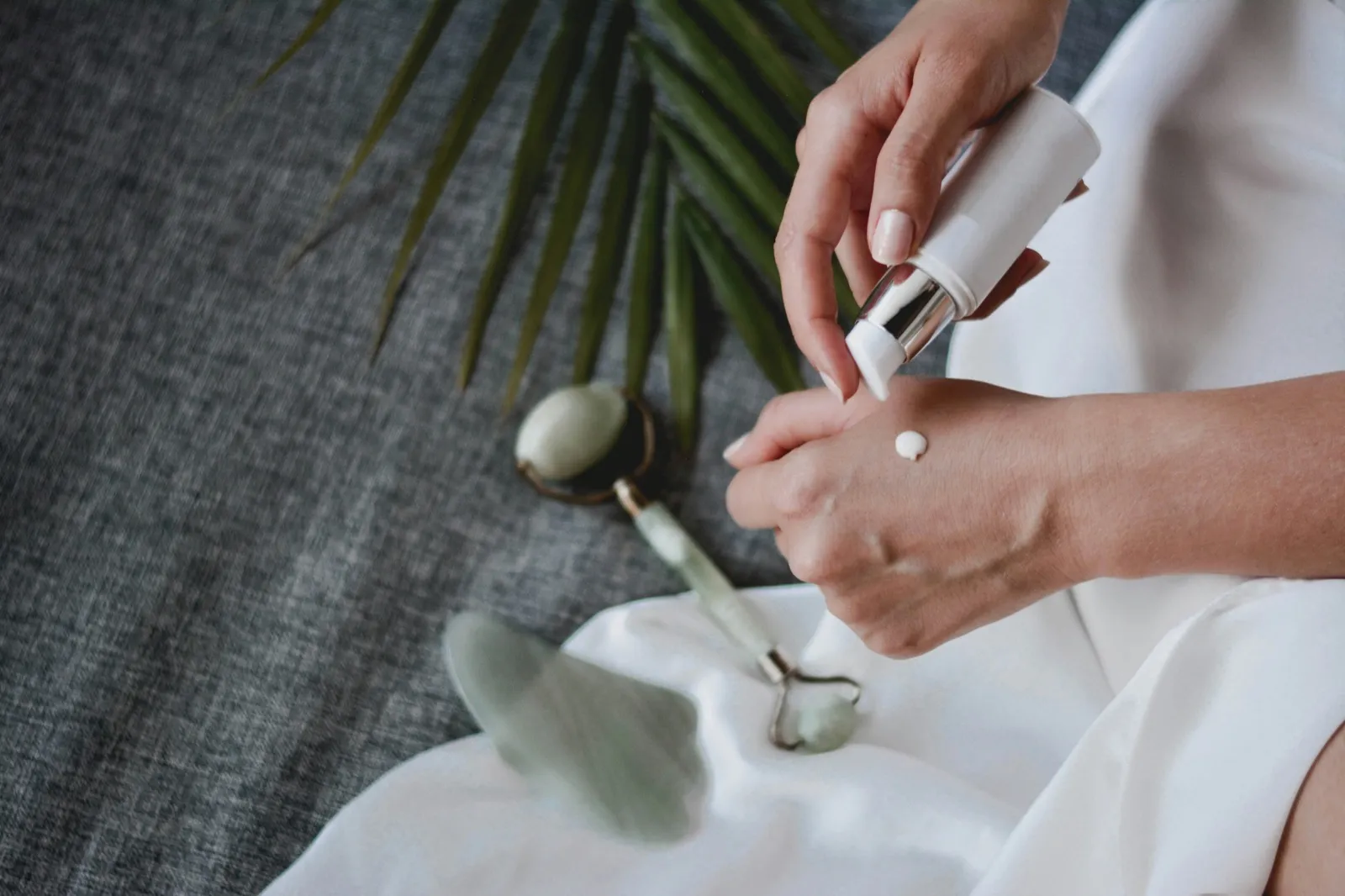
The Science of Solar Microcurrent and Kneading
Unlike standard jade or rose quartz stone rollers that depend entirely on manual surface friction, Japanese rollers integrate subtle bioelectrical engineering into their mechanical design.
In manufacturer product documentation, embedded solar panels in the handle draw in ambient light to generate a gentle microcurrent that mimics biological electrical impulses[1]. In human physiology, cellular membranes continuously maintain endogenous microcurrents (around 10 to 50 microamperes) that regulate nutrient transport and ATP production. The tiny electrical charges generated by the roller pass through platinum-coated spheres into the superficial epidermis without causing muscle contractions or stinging sensations.
Simultaneously, the roller geometry executes sophisticated tactile manipulation:
- 360-Degree Multi-Angle Architecture: The spheres feature triangular micro-facets that grip the skin at precise angles, pinching and lifting tissue rather than merely pushing it flat.
- Esthetician Kneading Replication: In engineering testing, the 360-degree multi-angle rollers replicate complex professional kneading techniques, gripping and gliding across delicate skin to promote firm contours[1].
- Clarification of Terms: Importantly, manufacturer disclaimers note that the term drainage refers strictly to the smooth gliding motion of professional estheticians rather than a therapeutic medical effect[1].
In enhanced iterations, upgraded RAY models incorporate an enlarged solar panel designed to generate a higher volume of microcurrent output during rolling passes[2].
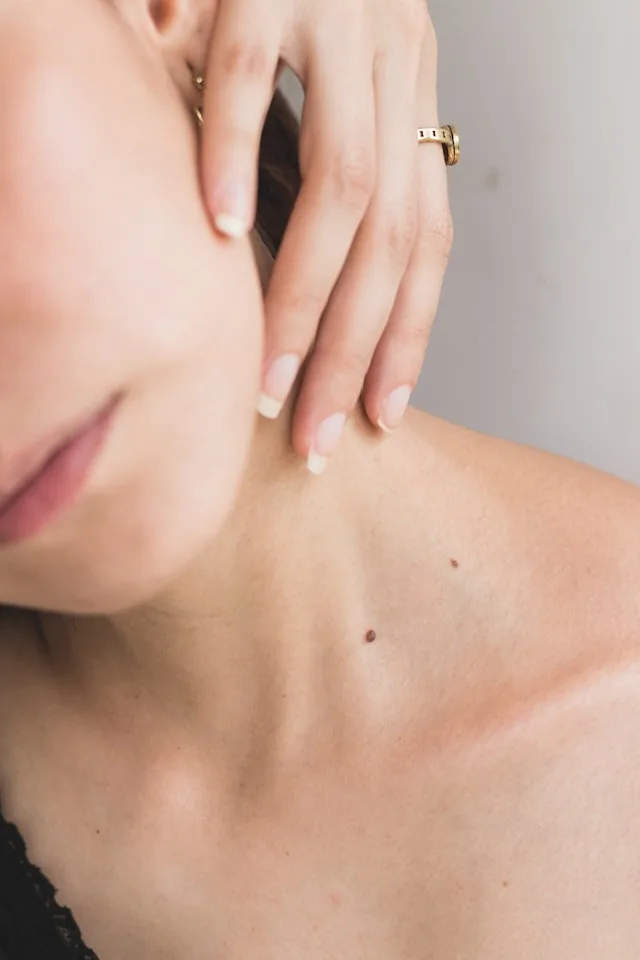
The Lymphatic Drainage Sequence: Collarbone to Jawline
The key to preventing post-massage puffiness lies in opening the primary drainage pathway before working on facial contours. In Japanese lymphatic practice, starting at the terminus—the clavicular lymph nodes above the collarbone—clears a pathway for stagnant interstitial fluid.
Follow this classical four-stage sequence:
1. Opening the Clavicle (Collarbone Foundation)
Before rolling the cheeks, clear the base of the neck. Rest the rollers in the hollow above your collarbone and glide gently outward toward the shoulder, then downward along the front of the neck. Repeat 5 to 10 times on each side.
2. Tracing the Sternocleidomastoid Muscle
Place the rollers just beneath the earlobe. Roll downward along the side of the neck to the collarbone. This downward stroke encourages pooled lymph from the lower face to flow toward the subclavian trunk.
3. Sculpting the Mandibular Jawline
Position the twin rollers on either side of the chin bone. Roll upward along the jawline toward the base of the ear. The mechanical rollers gently squeeze the soft tissue, defining the jawline contour.
4. Cheek and Nasolabial Lifting
Position the roller beside the corner of the mouth or along the nasolabial fold. Roll upward and outward toward the temple, pausing momentarily at the cheekbone arch.
Tool Comparison: Choosing the Right Japanese Roller
Depending on target areas—whether delicate eye contours, facial features, or full-body drainage—Japanese manufacturers produce distinct roller sizes and geometries.
| Roller Model | Roller Diameter | Target Anatomy | Key Distinctive Feature |
|---|---|---|---|
| Full-Size Facial/Body (e.g., CARAT) | Medium/Large (approx. 25–30 mm) | Jawline, cheeks, neck, decollete, upper arms | Deep gripping kneading for firming large muscle groups |
| Targeted Eye/Lip Wand (e.g., S CARAT) | Miniature (approx. 10–12 mm) | Periocular area, smile lines, brow bone | Delicate pinpoint drainage for thin, fragile skin |
| Sculpting Plate (e.g., CAXA RAY) | Contoured gull-wing ridge + mini rollers | Cheek hollows, forehead, jaw contour | Combines gua sha scraping edge with microcurrent rollers |
| Body-Specific Quad Roller | Four multi-angle rollers in grid layout | Thighs, waist, hips, calves | High-tension push-pull grip for dense body tissues |