title: Japanese Fermented Foods: Miso, Natto & Gut-Skin Axis slug: japanese-fermented-foods-miso-natto-gut-skin-axis category: how-japan-works publish: true author: Editorial Staff updated_at: '2026-11-23' meta_description: Explore how Japanese fermented foods like miso and natto nourish the gut-skin axis. Learn how traditional fermentation supports skin barrier resilience. thumbnail: /images/stock/japanese-healthy-meal-protein-nutrition.webp thumbnail_alt: Traditional balanced Japanese meal featuring fermented miso soup and nutrient-dense side dishes
Japanese Fermented Foods: Miso, Natto & Gut-Skin Axis
Quick answer
Traditional Japanese fermented staples—primarily miso, natto, and koji-cultured foods—support skin wellness through the biological gut-skin axis. By delivering live microbial cultures, fermented soy isoflavones, and prebiotic fibers to the intestinal microbiome, these daily staples encourage short-chain fatty acid synthesis. This internal metabolic balance helps regulate systemic inflammation, promoting a more resilient, calm, and naturally hydrated epidermal barrier.
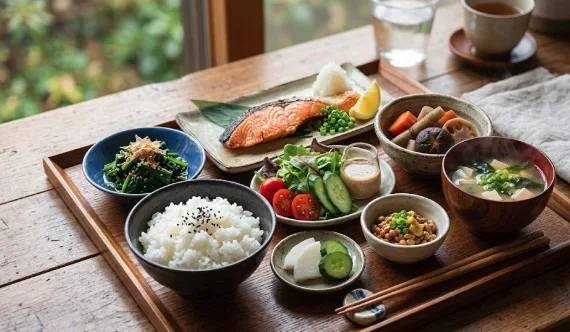
In the Japanese philosophy of holistic beauty, flawless skin is never viewed purely as a surface phenomenon. Long before modern dermatological laboratories coined the term "gut-skin axis," traditional Japanese culture practiced ishoku dogen (medicine and food share the same origin)—the understanding that digestive wellness directly shapes physical vitality and cutaneous radiance.
At the core of this lifestyle philosophy lies Japan's centuries-old fermentation tradition. Daily staples like unpasteurized miso soup, sticky natto, and rice-koji condiments are not mere flavorful side dishes; they represent complex biochemical micro-environments that cultivate balanced intestinal microflora, reinforcing outer barrier defenses from within.
The Gut-Skin Axis: How Digestive Health Influences Cutaneous Inflammation
The gut-skin axis describes the bidirectional communication network linking the gastrointestinal tract and the cutaneous barrier. When intestinal microflora experience dysbiosis—an overgrowth of opportunistic microbes accompanied by depleted beneficial bacteria—intestinal mucosal permeability increases. This condition permits bacterial metabolites and endotoxins to enter circulation, where they trigger low-grade systemic inflammation that manifests externally as increased sensitivity, redness, and impaired epidermal barrier function.
Conversely, a thriving intestinal ecosystem ferments dietary fiber into short-chain fatty acids (SCFAs), such as butyrate, acetate, and propionate. These fatty acids migrate throughout the body, modulating immune responses, dampening cutaneous reactivity, and supporting keratinocyte differentiation in the outer epidermis.

Miso: Living Koji Enzymes, Soy Isoflavones, and Digestive Balance
Miso represents one of Japan's most revered cultural foods. Japanese fermentation masters historically isolated beneficial Aspergillus oryzae molds from natural strains to craft foundational cultural foods like miso, soy sauce, and sake.[1]
Created by inoculating cooked soybeans and grains with Aspergillus oryzae (koji mold) and sea salt, miso undergoes months or even years of natural aging. During this extended fermentation:
- Enzymatic Protein Cleavage: Koji proteases break down dense soybean proteins into readily absorbable free amino acids, including glutamic acid and leucine, which serve as natural moisturizing factor (NMF) precursors.
- Isoflavone Aglycone Conversion: Bound soy isoflavones transform into aglycone forms, facilitating superior gastrointestinal absorption. These bioactive phytoestrogens help support collagen scaffolding and modulate hormonal fluctuations that provoke adult blemishes.
- Melanoidin Synthesis: Natural browning reactions produce melanoidins—potent dietary antioxidants that scavenge free radicals and support cellular defense against oxidative stress.
To preserve heat-sensitive microbial enzymes and beneficial yeasts, Japanese home cooks traditionally dissolve miso paste into broth only after turning off the burner, avoiding prolonged boiling.

Natto: Bacillus Subtilis, Polyglutamic Acid, and Natural Biotics
Few traditional foods exemplify functional fermentation quite like natto—steamed soybeans fermented with the spore-forming bacterium Bacillus subtilis var. natto.
- Microbial Survivability: Unlike many delicate probiotic strains that perish in harsh gastric acidity, Bacillus subtilis spores possess remarkable thermal and acid resistance, successfully reaching the lower intestine to promote beneficial bifidobacteria.
- Polyglutamic Acid (PGA): The characteristic viscous strands of natto consist of gamma-polyglutamic acid, an extraordinary natural polymer capable of binding immense amounts of water. Within the gut, PGA acts as a prebiotic substrate that nurtures SCFA-producing bacteria.
- Fermented Vitamin K2 (Menaquinone-7): Natto represents one of the richest dietary sources of bioavailable vitamin K2, which aids calcium regulation, supporting structural vascular health and microcirculation throughout peripheral facial capillaries.

Integrating Traditional Japanese Ferments into Daily Wellness
Nurturing the gut-skin axis through traditional food does not require drastic dietary upheaval. Instead, it relies on sustainable, incremental daily habits:
- Morning Miso Ritual: Enjoying a warm cup of vegetable-rich miso soup provides comforting hydration, prebiotics (such as seaweed wakame and root vegetables), and live cultures to begin the day.
- Consistent Natto Consumption: Incorporating a single serving of natto two to three times weekly delivers concentrated doses of bioactive peptides and dietary fiber.
- Pickled Tsukemono Sides: Lightly fermented seasonal vegetables (nukazuke aged in rice bran beds) introduce diverse lactic acid bacteria alongside crucial roughage.
Agricultural and cultural ministries foster deep appreciation for traditional Japanese cuisine and local regional delicacies across generations through national educational initiatives.[3] Embracing these culinary principles offers an enduring, wholesome pathway to supporting everyday vitality.
Comparison: Fermented Foods vs. Synthetic Probiotic Supplements
The table below contrasts natural Japanese fermented foods with isolated laboratory supplements:
Scroll horizontally to view full table
| Dimension | Traditional Japanese Ferments (Miso, Natto) | Isolated Probiotic Supplements |
|---|---|---|
| Nutritional Complexity | Whole-food matrix supplying amino acids, enzymes, vitamins, and prebiotics | Isolated single or multi-strain freeze-dried bacterial cultures |
| Digestive Synergy | Fermentation pre-digests proteins, enhancing bioavailability naturally | Requires functional digestive acids to activate dormant capsules |
| Microbial Diversity | Symbiotic communities of koji fungi, lactic acid bacteria, and bacillus | Standardized monocultures focused on specific laboratory strains |
| Culinary Integration | Delicious daily meal component reinforcing sustainable mindful lifestyle | Swallowed as a detached capsule without culinary pleasure |