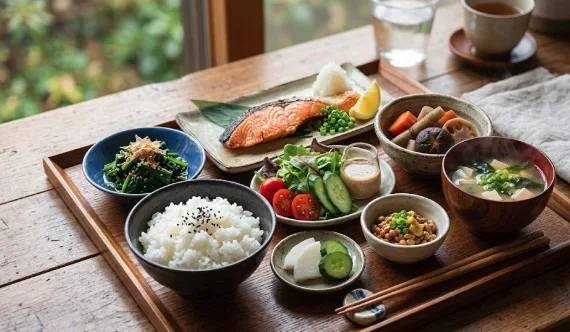
Japanese Foods for Healthy Skin: A Nutrient & Science Guide
How Japan WorksBy Miho Tanaka
slug: japanese-foods-for-healthy-skin
title: Japanese Foods for Healthy Skin: A Nutrient & Science Guide
meta_description: Explore traditional Japanese foods for healthy skin, from omega-3 fish to seaweed and fermented miso. Learn key nutrients, science, and everyday habits.
date: "2026-11-17"
category: how-japan-works
tags:
Japanese foods
skin nutrition
washoku
fermented food
holistic skincare
Japanese Foods for Healthy Skin: A Nutrient & Science Guide
Traditional Japanese dietary culture, recognized by UNESCO as washoku, has long been associated with cardiovascular longevity and sustained metabolic vitality. In dermatology and nutritional science, researchers increasingly investigate how the specific nutrient profiles of Japanese meals correlate with healthy skin barrier maintenance and resilient dermal structure.
In Japan, topical cosmetics and daily dietary choices are viewed as twin pillars of skin care. Rather than isolating individual hyped superfoods, Japanese culinary tradition relies on synergistic daily combinations of fermented soy, cold-water marine fish, mineral-rich seaweeds, and antioxidant-dense green teas. Understanding the biological mechanisms behind these staple ingredients provides evidence-based insight into nourishing your skin from within.
Quick answer: How do Japanese foods support healthy skin?
Traditional Japanese cuisine (washoku) provides a nutrient-dense foundation for skin barrier maintenance through omega-3 fatty acids from fish, probiotic and postbiotic compounds from fermented miso and soy, dietary fiber from seaweeds, and polyphenol antioxidants from green tea. Rather than relying on single ingredients, the diverse combination of barrier-supporting lipids and gut-friendly ferments supports natural stratum corneum hydration and systemic equilibrium.
Scientific overview: Key Japanese foods and cutaneous mechanisms
Dietary nutrients influence skin physiology via systemic circulation, supporting epidermal cell membrane integrity, lipid synthesis, and protective antioxidant reservoirs[1].
Scroll horizontally to see more
Food Group
Primary Bioactive Nutrients
Target Physiological Pathway
Observed Skin Contribution
Cold-Water Marine Fish (Salmon, Mackerel, Sardines)
EPA, DHA (Omega-3s), Astaxanthin, High-quality protein
Supplies precursors for epidermal ceramide synthesis and immune balance
1. Marine omega-3 fatty acids and astaxanthin
Deep-sea fatty fish—such as Pacific salmon (sake), mackerel (saba), and sardines (iwashi)—form the animal protein core of washoku[2]. These fish deliver concentrated doses of long-chain polyunsaturated omega-3 fatty acids: eicosapentaenoic acid (EPA) and docosahexaenoic acid (DHA).
Omega-3 fatty acids incorporate directly into the phospholipid bilayers of epidermal cell membranes. By competing with arachidonic acid in cellular signaling pathways, EPA and DHA help regulate local inflammatory prostaglandins, reducing cutaneous reactivity. Furthermore, wild salmon derives its distinctive pink hue from astaxanthin, a xanthophyll carotenoid whose molecular structure spans the entire cell membrane, neutralizing free radicals in both lipid and aqueous cellular compartments.
2. Fermented soy: Isoflavones and microbial peptides
Soy products are central to daily Japanese dining, but fermentation sets items like miso and natto apart from standard unfermented soybeans[3]. During microbial fermentation by Aspergillus oryzae (koji mold) or Bacillus subtilis natto, complex soy isoflavone glycosides are hydrolyzed into highly bioavailable aglycones, specifically genistein and daidzein.
Clinical nutritional investigations indicate that dietary soy isoflavone aglycones interact weakly with estrogen receptors (predominantly ER-beta) in cutaneous fibroblasts, encouraging natural collagen scaffold maintenance and supporting skin firmness without hormonal disruption. Additionally, the mucilage of natto is rich in gamma-polyglutamic acid, a natural biopolymer that supports systemic hydration retention.
3. Marine algae: Trace minerals and fucoidan
Japan boasts the highest per-capita consumption of sea vegetables in the world. Edible brown seaweeds such as wakame, kombu, and mozuku are abundant in fucoidan, a sulfated polysaccharide studied for its antioxidant and moisture-binding capacity[4].
From a nutritional standpoint, marine vegetables supply essential trace elements that modern land-based agriculture often lacks:
Zinc: A vital structural cofactor for DNA polymerase and superoxide dismutase (SOD), essential for rapid cellular division in the basal epidermal layer.
Magnesium: Regulates cellular energy production and supports skin barrier lipid enzyme activity.
Soluble alginates: Form a gentle gel matrix within the digestive tract, slowing glucose absorption to buffer against tissue-damaging advanced glycation end-products (AGEs).
4. Konjac and plant ceramides
An intriguing staple of Japanese home cooking is konnyaku (konjac), derived from the corm of the Amorphophallus konjac plant. Beyond its role as a virtually calorie-free dietary fiber, konjac contains significant levels of plant-derived glucosylceramides.
Dietary studies conducted in Japan have observed that oral intake of plant glucosylceramides can lead to measurable reductions in transepidermal water loss (TEWL). Digestively absorbed sphingoid bases enter the circulatory system and act as biochemical substrates that assist the stratum corneum in assembling organized intercellular lipid lamellae.
Everyday habits: Practical ways to incorporate Japanese skin foods
Adopting the benefits of Japanese dietary traditions does not require a complete culinary overhaul. Practical everyday integrations include:
Start meals with a bowl of fermented miso soup: Preparing a simple dashi broth with fermented miso paste, sliced wakame, and tofu provides warmth, hydration, prebiotics, and minerals before heavier foods.
Prioritize grilled oily fish twice weekly: Opt for grilled salmon fillets or baked mackerel seasoned with sea salt and fresh grated daikon radish, which supplies digestive enzymes.
Drink green tea between meals: Enjoy warm sencha or matcha in place of sweetened beverages. The polyphenols provide daytime antioxidant protection without sugar-driven glycation.
Snack on roasted nori sheets or edamame: Replace processed potato chips with lightly salted nori seaweed sheets or steamed edamame pods to boost protein, folate, and trace minerals.
Signs to stop and when to see a doctor
While traditional dietary habits support general physiological wellness, food choices are not medical therapies. Modifying your diet should always be conducted safely. Discontinue restrictive dietary habits and seek prompt medical advice if you experience:
Signs of food allergy or hypersensitivity: Facial swelling, lip tingling, urticaria (hives), or breathing difficulty after consuming seafood, fermented soy, or seaweed products.
Thyroid abnormalities: Fatigue, sudden weight fluctuations, or neck swelling resulting from excessive iodine consumption via concentrated kelp (kombu) broths.
Severe persistent dermatological flare-ups: Widespread cystic eruptions, severe scaling, or intense eczema itching that does not respond to dietary adjustments.
Chronic gastrointestinal complications: Prolonged diarrhea, abdominal cramping, or nutrient malabsorption triggered by sudden high-fiber dietary shifts.
Patients with underlying renal conditions, gout (elevated purines), thyroid disorders, or active autoimmune disease must consult a board-certified physician or registered dietitian before making drastic nutritional changes[5].
FAQ: Japanese Foods for Healthy Skin
Q1. Can eating Japanese foods replace my daily topical skincare routine?
A. No, dietary nutrition and topical skincare address completely different layers of the skin.(Details)
Nutrition works from the inside out, supplying circulating amino acids, lipids, and minerals to the living dermis and basal epidermis. Topical cosmetics work from the outside in, sealing moisture into the stratum corneum and filtering ultraviolet radiation. Both strategies are complementary and neither can replace the other.
Q2. How much green tea should I drink daily to support skin health?
A. Two to three cups of brewed green tea daily provide adequate antioxidant catechins without excess caffeine.(Details)
Clinical studies evaluating green tea catechins (EGCG) typically observe positive antioxidant markers at 2 to 3 cups (approx. 400–600 mL) daily. Avoid drinking boiling hot tea to protect esophageal tissues, and switch to caffeine-free roasted barley tea (*mugicha*) in the late afternoon to ensure sound nocturnal sleep.
Q3. Can eating too much seaweed be harmful to skin or health?
A. Yes, excessive consumption of high-iodine kelp (kombu) can disrupt thyroid function.(Details)
While wakame and nori have moderate iodine levels, kombu (kelp) is exceptionally rich in iodine. Consuming excessive concentrated kombu extract or kelp supplements daily can induce iodine-induced thyroid dysfunction (hypothyroidism or hyperthyroidism), which paradoxically causes dry, coarse skin and hair thinning. Moderation is essential.
Q4. Does cooked miso retain beneficial probiotic bacteria?
A. Boiling kills living microbes, but postbiotic cell fragments and koji enzymes still provide benefits.(Details)
To preserve living probiotic cultures in miso, dissolve the paste into warm broth after turning off the stove burner rather than boiling it vigorously. Even if heat deactivates some live microbes, the heat-killed bacterial cell walls (paraprobiotics) and bioactive peptides still act as beneficial signaling agents that support intestinal immune function.
Q5. Are Japanese skin foods effective for vegetarian or vegan diets?
A. Yes, Japanese temple cuisine (shojin ryori) is entirely plant-based and rich in skin-supporting nutrients.(Details)
Vegetarians can easily adopt Japanese skin-supporting foods by drawing on *shojin ryori* (Buddhist temple cuisine). Tofu, fermented natto, edamame, seaweeds, shiitake mushrooms, sesame seeds (*goma*), and konjac deliver abundant plant proteins, polyphenols, minerals, and glucosylceramides without animal products.
Summary
Balanced Synergies: Japanese washoku dining combines barrier-supporting marine fats, bioavailable fermented soy, and seaweed minerals.
Membrane Lipids: Omega-3 fatty acids (EPA/DHA) and astaxanthin from cold-water fish support cell membrane fluidity and buffer free radicals.
Gut-Skin Crosstalk: Fermented staples (miso, natto) deliver isoflavone aglycones and prebiotic fibers that foster intestinal and epidermal balance.
Trace Minerals: Seaweeds provide essential zinc, magnesium, and fucoidan to support natural keratinocyte renewal.
Mindful Moderation: Simple habits like starting meals with miso soup, drinking green tea, and avoiding excess iodine create sustainable daily vitality.
References
Schagen SK, Zampeli VA, Makrantonaki E, Zouboulis CC. Discovering the link between nutrition and skin aging. Dermatoendocrinol. 2012;4(3):298-307.
Calder PC. Omega-3 fatty acids and inflammatory processes: From molecules to man. Biochem Soc Trans. 2017;45(5):1105-1115.
Izumi T, Piskula MK, Osawa S, et al. Soy isoflavone aglycones are absorbed faster and in higher amounts than their glucosides in humans. J Nutr. 2000;130(7):1695-1699.
Fitton JH, Stringer DN, Karpiniec SS. Therapies from fucoidan: An update. Mar Drugs. 2015;13(9):5920-5946.
American Academy of Dermatology (AAD). Evidence-based nutritional guidelines for dermatology patients and systemic health. Published 2023.
Disclaimer: This article is for general information and education about Japanese cosmetics and their labels. It is not a substitute for professional medical advice, diagnosis, or treatment. Skincare results vary from person to person. Product formulas, availability, prices, and regulations change, and products sold in Japan can differ from versions sold elsewhere, so always check the current label. Do a patch test before introducing a new product, and consult a doctor or dermatologist if you have a skin condition or specific concerns.