Japanese Gyaru & Kawaii Beauty History: Makeup Evolution
How Japan WorksBy Miho Tanaka
title: Japanese Gyaru & Kawaii Beauty History: Makeup Evolution
h1: "Japanese Gyaru & Kawaii Beauty History: Makeup Evolution"
description: "Explore Japanese gyaru and kawaii beauty history. Learn how Shibuya street styles, bold eye makeup, and Harajuku trends shaped modern J-Beauty cosmetics."
meta_description: Explore Japanese gyaru and kawaii beauty history. Learn how Shibuya street styles, bold eye makeup, and Harajuku trends shaped modern J-Beauty cosmetics.
category: "how-japan-works"
slug: "japanese-gyaru-and-kawaii-beauty-culture-history"
publish: true
published_at: "2026-11-17"
hero_image: "/images/stock/liquid-lip-color-swatches-pink.jpg"
hero_image_alt: "Bright pink cosmetic lip color swatches reflecting vibrant Japanese kawaii and gyaru beauty aesthetics"
Japanese Gyaru & Kawaii Beauty History: Makeup Evolution
When global consumers think of Japanese skincare, they frequently envision tranquility: minimalist white bottles, silent Kyoto tea gardens, and ultra-sheer "no-makeup" finishes. Yet, running parallel to this restrained classical aesthetic is one of the most explosive, creative, and rebellious street beauty movements in modern history: gyaru and kawaii culture.
Emerging from the neon-lit alleyways of Shibuya and Harajuku in the 1990s and 2000s, these youth subcultures fundamentally overturned centuries of conservative Japanese grooming rules. By pioneering stacked false eyelashes, innovative eyelid tape, oversized circle contact lenses, and whimsical blush placements, gyaru and kawaii subcultures served as the unsung testing grounds for some of Japan's most celebrated modern cosmetic technologies.
Quick answer: How did gyaru and kawaii culture transform Japanese beauty?
Gyaru and kawaii cultures transformed Japanese cosmetics by rejecting conservative, pale-and-subdued beauty standards in favor of self-expressive, high-impact aesthetics. Originating as a rebellious youth movement in 1990s Shibuya with deeply tanned skin and bold white eyeliner (*ganguro*), gyaru beauty later evolved into polished "white gyaru" (*shiro-gyaru*) and doll-like Harajuku kawaii styles. This cultural explosion drove revolutionary cosmetic innovations—including ultra-durable liquid eyeliners, natural false eyelashes, circle contact lenses, and lower-eyelid (*namida-bukuro*) plumping pencils—that remain foundational to modern Asian makeup.
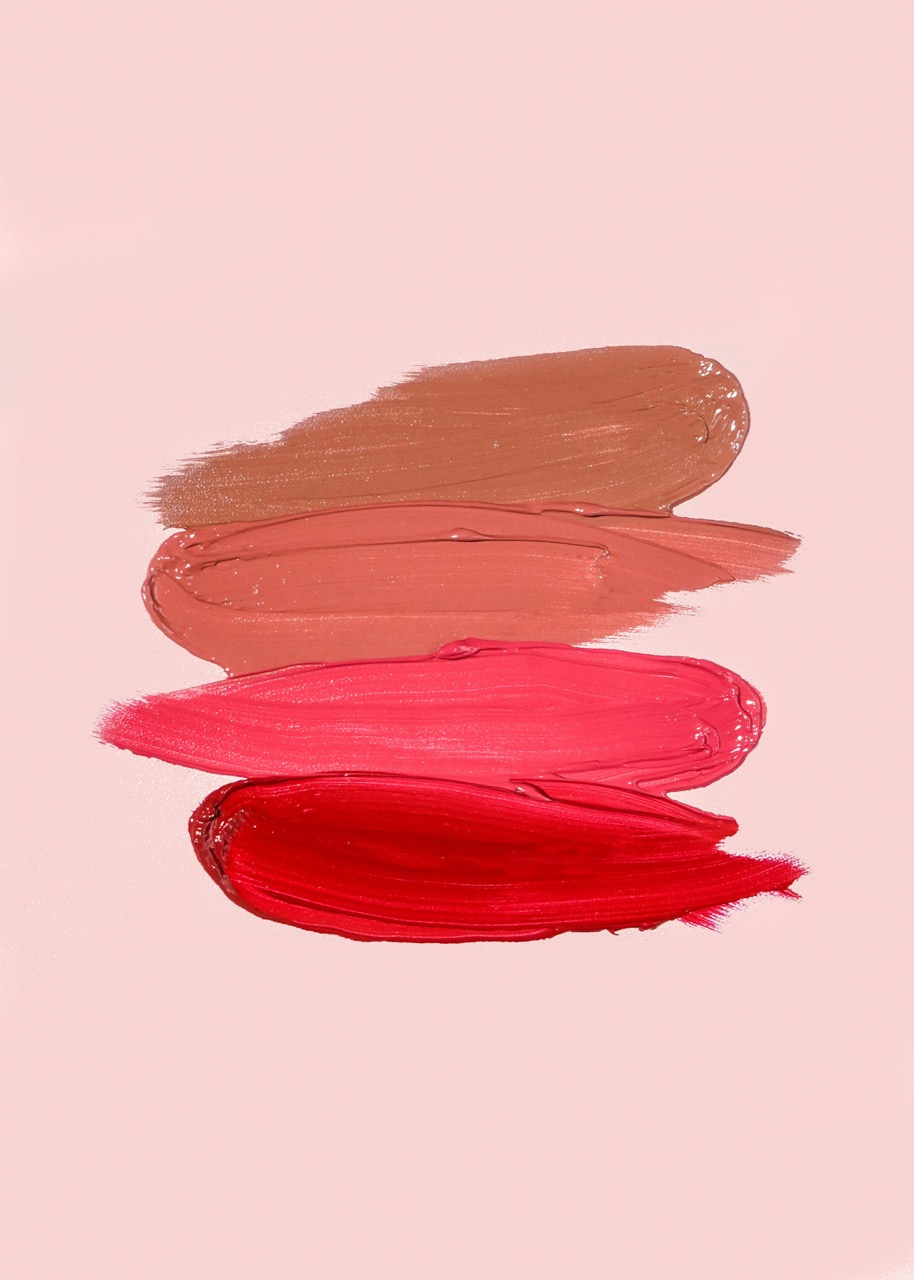
Vibrant lip lacquers and glossy finishes became hallmarks of youth self-expression across Tokyo's fashion districts.
The Rebellious Birth of Gyaru in 1990s Shibuya
The emergence of gyaru culture was fundamentally an act of feminist youth defiance against rigid Japanese societal expectations.
Originating around the iconic Shibuya 109 shopping department store, gyaru developed as a distinct japanese fashion subculture[1] during the mid-1990s. Traditionally, Japanese society expected young women to embody ryosai kenbo ("good wife, wise mother")—characterized by demure manners, untamed natural black hair, porcelain pale skin, and discreet makeup.
High school students (kogal) rebelled by intentionally subverting every single one of these conservative norms:
Tanned skin (Tanning Salon Culture): Instead of shielding from the sun, girls visited commercial tanning beds to achieve deep bronze complexions, visually mocking elite historical court ideals.
Lightened hair: They discarded natural black hair in favor of brassy blonde, caramel, and platinum hues.
Graphic white makeup (Ganguro & Yamanba): At the movement's peak, extreme factions applied thick white liquid correction fluid or chalky eye pencils around their eyes and lips, creating stark, theatrical contrasts against dark skin.
Through these bold visual choices, gyaru reclaimed female agency, creating a sisterhood that prioritized peer approval and personal joy over the traditional male gaze.
The Harajuku Kawaii Phenomenon: Pastel Whimsy and Softness
While Shibuya celebrated fierce, confident gyaru independence, neighboring Harajuku birthed an equally influential aesthetic centered on whimsical innocence: kawaii.
In Japanese popular culture, kawaii embodies the aesthetic quality of cuteness, using bright colours and characters[2] to evoke affection and playfulness. During the 1990s and 2000s, Harajuku youth began blending fairy-tale romanticism, Victorian doll garments, and anime nostalgia into innovative beauty sub-genres:
Decora Style: Faces adorned with adhesive rhinestones, colorful star stickers beneath the eyes, and bright pastel eyeshadows.
Igari "Hangover" Makeup (Ofhero-gao): High-placement peach or cherry blush dusted directly beneath the lower lash line across the bridge of the nose, evoking an innocent, flushed, and vulnerable appearance.
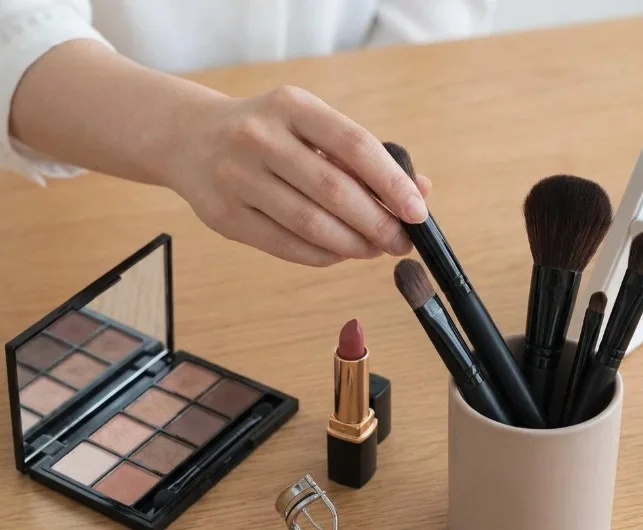
Intricate eye styling required ultra-fine brushes and high-adherence pigments that would not smudge during long days in Tokyo.
Chronological Timeline: Evolution of Gyaru and Kawaii Aesthetics
The transformation of Japanese street beauty across four decades reflects shifting technology, music trends, and cultural attitudes.
Scroll horizontally to view full table
Historical Era
Subculture Movement
Complexion & Base Style
Eye & Brow Aesthetic
Lasting J-Beauty Legacy
Mid-to-Late 1990s
*Kogal* & *Ganguro* (Shibuya)
Deep salon tan, white highlighter on nose and lips
Skinny arched brows, stark white eyeshadow shields
Birth of Japanese drugstore liquid liners and self-tanners
Mid-2000s
*Shiro-Gyaru* & *Ageha* (Glamour)
Porcelain matte, heavy contouring, bronzer
Stacked false eyelashes, circle lenses, smoky bronze shadow
Technological Innovations Driven by Gyaru Culture: Lashes, Lenses, and Aegyosal
Major Japanese cosmetic empires (such as Kose, Shiseido, and Kanebo) closely monitored Shibuya street trends, engineering specialized tools to fulfill the intense demands of youth subcultures:
1. Advanced Eyelash Architecture
Because Asian eyelids frequently feature a flat epicanthic fold with downward-pointing lashes, gyaru pushed false lash engineering to historic heights. In beauty science, false eyelashes are a cosmetic enhancement attaching synthetic or natural[3] fibers to the eyelid rim. Japanese brands perfected featherweight synthetic hairs tapered like real eyelashes, paired with medical-grade latex adhesives that withstood Tokyo's oppressive summer humidity without shifting.
2. Cosmetic Circle Contact Lenses (Color-con)
Gyaru popularized colored contact lenses featuring an enlarged black or brown outer ring. By extending the visible diameter of the iris, circle lenses created an innocent, large-eyed "manga" look that became an indispensable cosmetic staple across Asia.
Gyaru and kawaii trendsetters realized that highlighting the small muscular roll directly beneath the lower eyelashes made the eyes appear significantly larger, younger, and friendlier. Japanese brands responded by creating specialized two-step pens featuring a shimmering champagne pearl highlighter on one end and a subtle taupe shading pencil on the other.
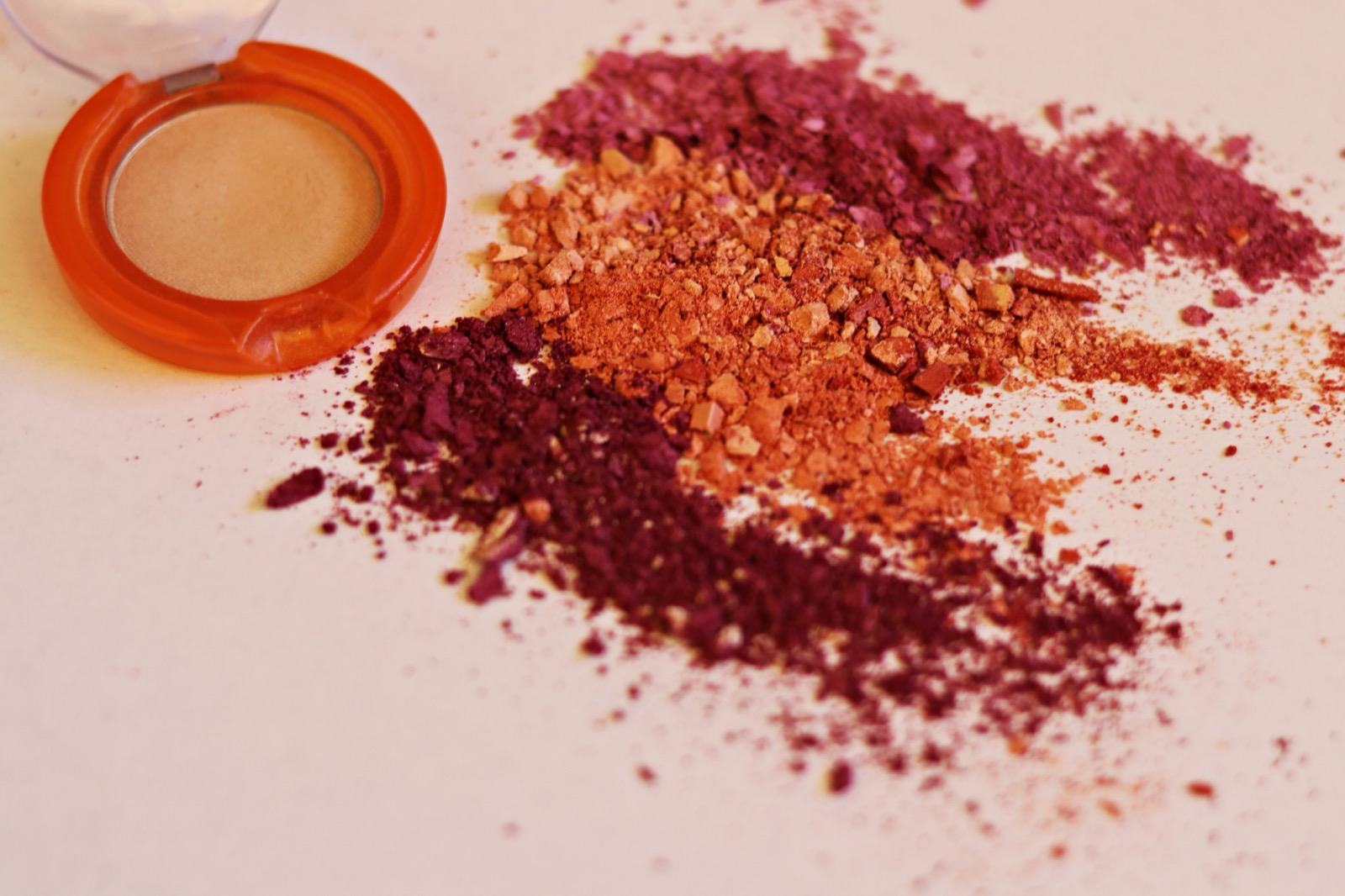
Modern Japanese neutral palettes incorporate micro-fine glitters developed during the height of Tokyo's street-glamour era.
The Return to Skin Barrier Care: How Bold Makeup Re-Energized Skincare
An ironic yet crucial consequence of heavy street makeup was a massive renaissance in Japanese skincare formulation.
Wearing multiple coats of waterproof mascara, heavy stage-grade foundations, and synthetic eyelash adhesives placed immense physical stress on the stratum corneum—the outermost protective shield of flattened, terminally differentiated keratinocytes that have lost their nuclei[4]. Vigorous scrubbing to remove stubborn cosmetic layers frequently caused eyelid eczema, barrier breakdown, and premature dryness.
To address this issue, Japanese cosmetic chemists developed gentle, high-efficiency cleansing technologies:
Bi-phase eye makeup removers: Formulated to dissolve waterproof polymers effortlessly upon contact, minimizing mechanical friction on delicate eyelid skin.
Micro-emulsion cleansing oils: Modern cleansing oils (such as Fancl and Attenir) that bind to waterproof pigments instantly and rinse away completely with water, leaving native skin lipids intact.
Barrier-replenishing post-makeup toners: Conditioning lotions infused with ceramides and fermented rice extracts to rehydrate skin immediately after removing heavy makeup.
Mastering delicate, low-friction application techniques protects the fragile skin of the periocular area from mechanical wear.
Signs to stop and when to see a doctor
While experimenting with creative makeup is fun and expressive, utilizing synthetic glues, tinted lenses, and intense pigments near the eyes carries biological risks.
Discontinue eye makeup products and consult an eye-care professional if you observe:
Persistent eye redness, sharp pain, foreign-body sensation, or light sensitivity after wearing circle contact lenses (urgent signs of potential corneal abrasion or infectious keratitis)
Swollen, itchy, or crusted eyelid margins following false eyelash application (hallmarks of allergic contact blepharitis caused by eyelash glue adhesives)
Flaking, stinging dermatitis or dark post-inflammatory hyperpigmentation along the orbital bone resulting from chronic cleansing friction
Watery, yellowish discharge or crusting that glues eyelashes together overnight
If eye pain, blurry vision, or severe eyelid swelling develops, seek immediate medical evaluation from an ophthalmologist or board-certified dermatologist.
FAQ
Q1. What is the main difference between gyaru and kawaii beauty?
A. Gyaru emphasizes bold, mature glamour and self-rule, while kawaii focuses on whimsical cuteness and soft playfulness.(Details)
Originating in commercial Shibuya, gyaru beauty was rooted in rebellion, female empowerment, and confident, sultry styling (bronze skin, dramatic lashes, high-heeled boots). In contrast, Harajuku kawaii culture drew inspiration from childhood nostalgia, anime characters, pastel color palettes, and delicate doll-like innocence.
Q2. Does the gyaru subculture still exist in Japan today?
A. Yes, but it has evolved into a more polished, hybrid style known as "Reiwa Gyaru."(Details)
While the extreme 1990s *ganguro* look has largely vanished from street corners, gyaru spirit remains vibrant. Modern *Reiwa Gyaru* trade chalky white eyeshadow for sophisticated micro-glitters, salon spray tans for natural tone-up primers, and bulky lashes for refined eyelash extensions, blending classic gyaru confidence with modern skincare health.
Q3. Why did 1990s ganguro girls tan their skin so deeply?
A. Tanning was a deliberate, rebellious rejection of traditional Japanese beauty standards that valued pale court skin.(Details)
For centuries, elite Japanese aesthetics prized unpigmented alabaster skin (*bihaku*). By intentionally spending hours in tanning beds to turn their skin dark bronze, young *ganguro* girls shocked conservative elders, subverting traditional expectations of demure obedience and declaring their cultural independence.
Q4. What is namida-bukuro (tear bag) makeup and how did it start?
A. It is the technique of highlighting the lower eyelid muscle roll to create softer, larger, more youthful eyes.(Details)
*Namida-bukuro* refers to the small natural puff of muscle (*orbicularis oculi*) beneath the lower eyelashes. Gyaru and anime makeup enthusiasts discovered that highlighting this band with champagne pearl and shading softly beneath it gives the optical illusion of wider, smiling eyes. Today, specialized dual-ended pencils for this purpose are mainstream bestsellers across Asia.
Q5. How did Japanese gyaru culture influence global cosmetics?
A. It catalyzed major advancements in ultra-durable liquid liners, natural false lashes, circle lenses, and gentle cleansing oils.(Details)
Because gyaru demanded makeup that could withstand all-night dancing and intense humidity without budging, Japanese brands engineered world-class film-forming liquid eyeliners (like *Heroine Make* and *K-Palette*) and lightweight cleansing oils. These formulas eventually became cult favorites among international makeup artists and beauty enthusiasts globally.
Summary
Cultural revolution: 1990s Shibuya gyaru subverted traditional Japanese beauty standards through bronze skin, lightened hair, and bold cosmetic graphics.
Harajuku kawaii aesthetics: The parallel rise of kawaii culture popularized pastel palettes, doll-like styling, and under-eye blush techniques (igari makeup).
Cosmetic engineering breakthroughs: Street youth demand directly accelerated Japanese innovation in false lashes, circle contact lenses, and lower-lid (namida-bukuro) tools.
Skincare synergy: Heavy cosmetic wear drove Japanese laboratories to formulate ultra-gentle, high-efficiency cleansing oils and barrier-soothing toners.
Lasting global legacy: Modern J-Beauty continues to balance quiet minimalist skincare with vibrant, playful cosmetic expression pioneered on Tokyo streets.
Disclaimer: This article is for general information and education about Japanese cosmetics and their labels. It is not a substitute for professional medical advice, diagnosis, or treatment. Skincare results vary from person to person. Product formulas, availability, prices, and regulations change, and products sold in Japan can differ from versions sold elsewhere, so always check the current label. Do a patch test before introducing a new product, and consult a doctor or dermatologist if you have a skin condition or specific concerns.