title: Japanese Hair Care Routine for Frizz and Humidity Guide h1: "Japanese Hair Care Routine for Frizz and Humidity Guide" description: "Master the Japanese hair care routine for frizz and humidity. Learn cuticle sealing steps, lightweight camellia oils, blow-drying tips, and rain defense." meta_description: Master the Japanese hair care routine for frizz and humidity. Learn cuticle sealing steps, lightweight camellia oils, blow-drying tips, and rain defense. category: "how-japan-works" slug: "japanese-hair-care-routine-for-frizz-and-humidity" publish: true published_at: "2026-11-17" hero_image: "/images/stock/lebel-japanese-salon-hair-care-smooth-shiny-hair.jpg" hero_image_alt: "Woman with sleek, glossy hair showing smooth cuticle alignment and zero humidity frizz"
Japanese Hair Care Routine for Frizz and Humidity Guide
Japan's island climate is defined by intense seasonal moisture. During the early summer rainy season (tsuyu) and typhoons, relative humidity levels frequently exceed 80%, transforming smooth morning hairstyles into puffy, misaligned frizz within minutes of stepping outdoors. Because humidity is an inescapable everyday reality in Japan, Japanese cosmetic chemists and salon stylists have engineered specialized, multi-step hair care routines designed specifically to repel atmospheric moisture and maintain sleek hair discipline.
In high humidity, frizzy hair swells because lifted cuticles absorb airborne moisture, causing internal keratin hydrogen bonds to buckle irregularly. The Japanese routine prevents this through balanced internal moisture and a hydrophobic outer shield: cleansing with a mild amino acid shampoo, replenishing cell membrane complex (CMC) lipids with a rich mask, applying lightweight camellia or argan hair oil to damp strands, and blow-drying completely downward with a cool air finish to seal cuticles flat.
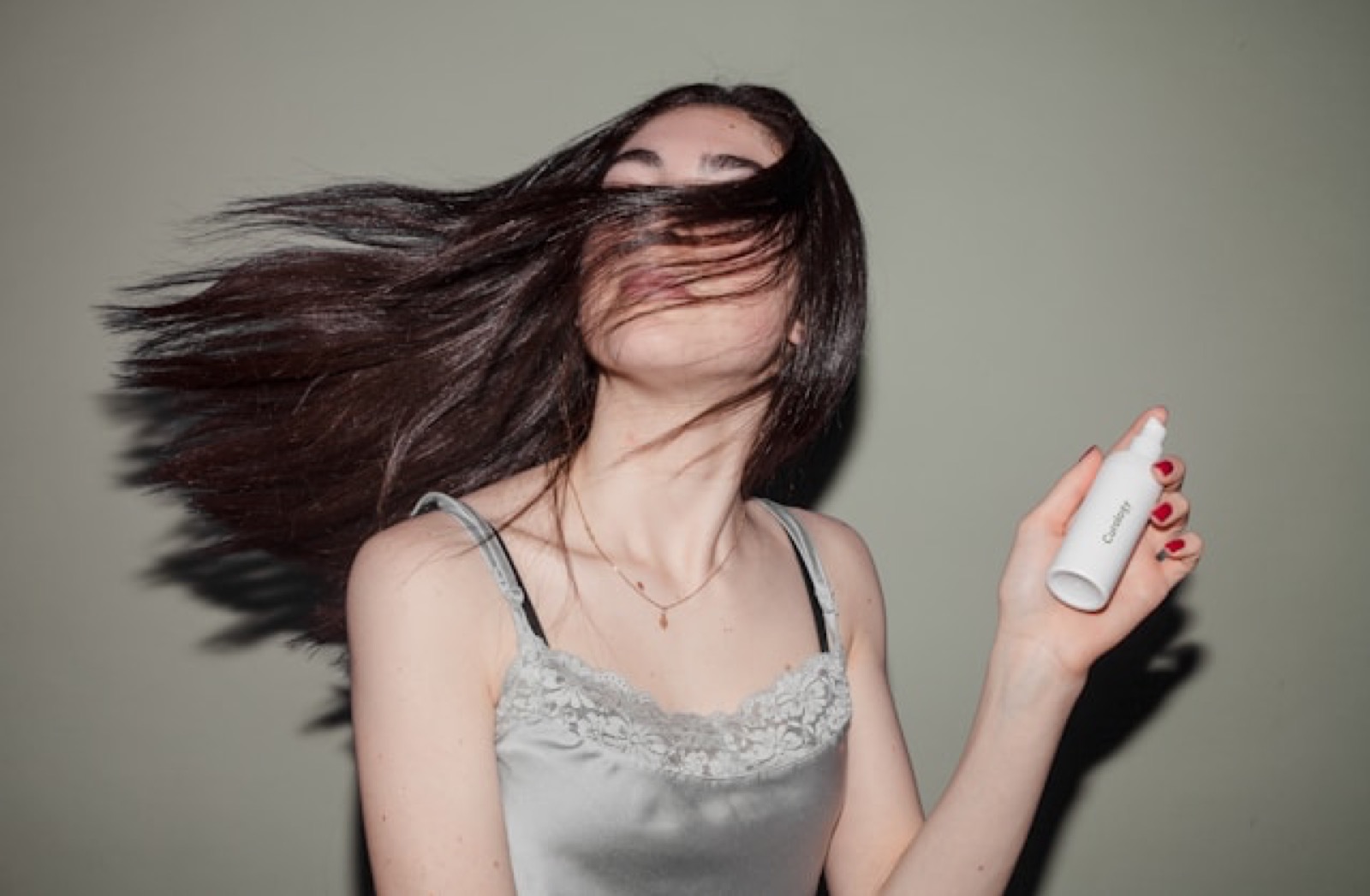
Disciplined Japanese hair care locks cuticles flat to prevent airborne moisture from disrupting strand alignment.
The science of humidity-induced frizz: Cuticle porosity and hydrogen bonds
Understanding why hair swells on damp days requires looking at hair's internal anatomy. Biologically, each hair strand is a protein filament that grows from follicles found in the dermis [1]. The interior cortex accounts for the vast majority of hair mass, containing parallel chains of fibrous keratin held together by both structural disulfide bridges and temporary, moisture-sensitive hydrogen bonds.
In meteorology, humidity is the concentration of water vapor present in the air [2]. When hair is dry or damaged, overlapping exterior cuticle scales lift like open roof shingles, exposing the thirsty cortex beneath. In molecular chemistry, a hydrogen bond is found between water molecules [3] and adjacent amino acid side chains. As porous strands encounter humid air, ambient water molecules diffuse into the cortex and disrupt existing hydrogen pairings.
Because different sections of the hair shaft absorb moisture unevenly, strands twist, kink, and expand radially away from each other. The core philosophy of Japanese anti-frizz care is not to dry out the hair, but to saturate the cortex with beneficial internal moisture and coat the surface with a hydrophobic lipid seal so airborne humidity cannot enter.
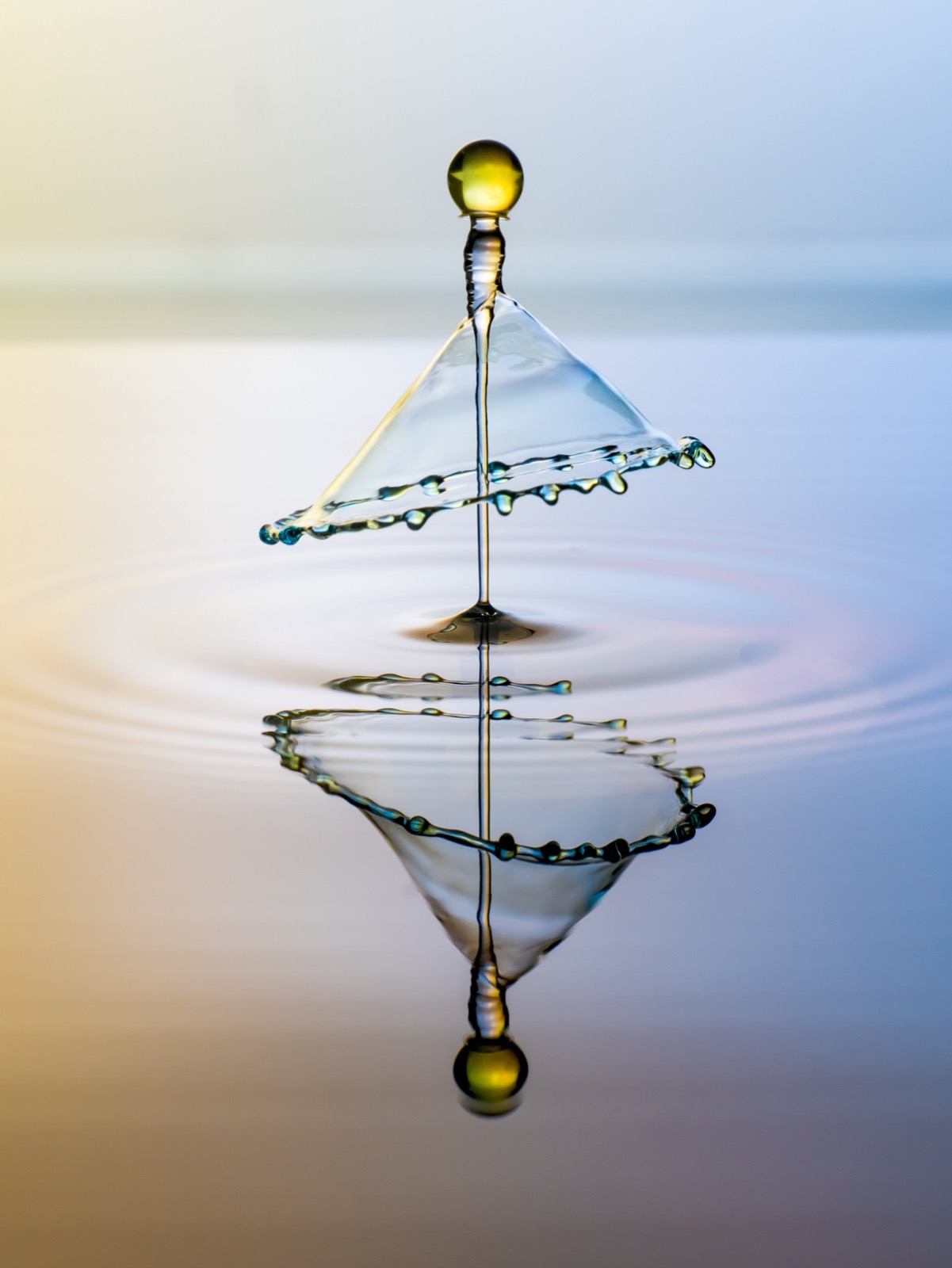
Ambient atmospheric moisture enters porous cuticles and destabilizes internal hydrogen bonds, creating irregular frizz.
Step-by-step Japanese hair care routine for frizz and humidity
Controlling frizz during damp weather requires a cohesive sequence that starts in the shower and finishes with proper thermal styling:
1. Scalp-focused amino acid shampooing
Harsh sulfate shampoos strip the hair of natural 18-methyleicosanoic acid (18-MEA), the primary natural fatty acid that renders virgin hair hydrophobic. Switch to a mild amino acid shampoo that preserves lipid balance. When washing, follow clinical hair guidelines from the American Academy of Dermatology and apply shampoo to your scalp, instead of the entire length of your hair [4]. The descending lather gently cleanses lengths without roughing up delicate cuticles.
2. Deep lipid replenishment in the shower
After cleansing, apply a concentrated hair pack enriched with ceramides, hydrolyzed silk, and plant sterols from mid-lengths to ends. In Japanese hair science, these ingredients mimic the cell membrane complex (CMC) that glues cuticle layers together. Leave the formula on for 3 to 5 minutes, then rinse with lukewarm water until hair feels silky and completely tangle-free.
3. Blot dampness gently with a microfiber towel
Never rub or twist wet hair inside a rough terry cloth towel. Vigorous friction lifts cuticles while hair is in its most fragile, swollen state. Instead, wrap hair in a plush cotton or microfiber towel and press gently with flat palms to absorb excess water.
4. Apply a leave-in emulsion followed by botanical hair oil
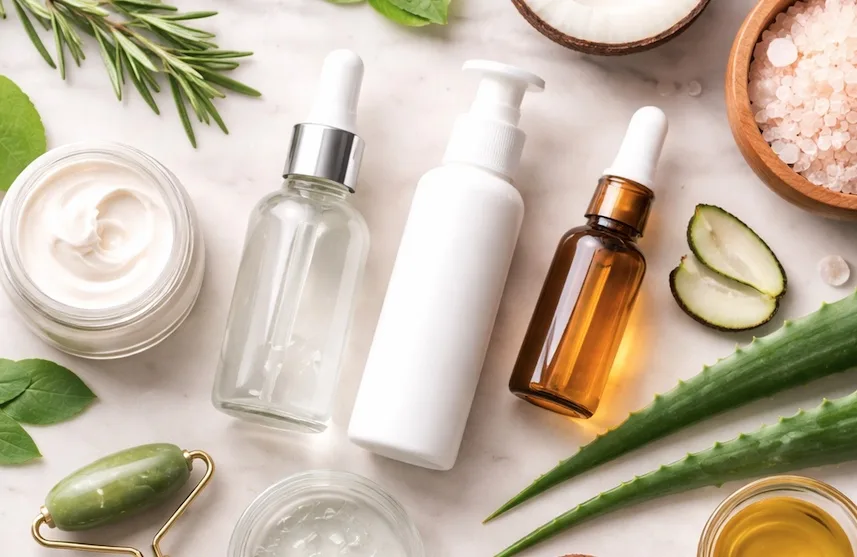
On towel-blotted hair, apply a nickel-sized dab of hydrating hair milk to supply water-binding humectants to the inner cortex. Immediately layer 2 to 3 drops of pure botanical oil—such as Japanese camellia oil (tsubaki-abura)—over the ends. The oil creates an immediate hydrophobic barrier that repels humid outdoor air.
5. Blow-dry 100% dry with downward airflow
Never allow frizzy or coarse hair to air-dry naturally in humid weather, as slow evaporation causes cuticles to dry in an open, jagged state. Point your hair dryer nozzle strictly downward from roots to tips at a 45-degree angle. Once strands are completely dry, finish with 30 seconds of cold air along the surface to set the keratin shape and close cuticle scales firmly.
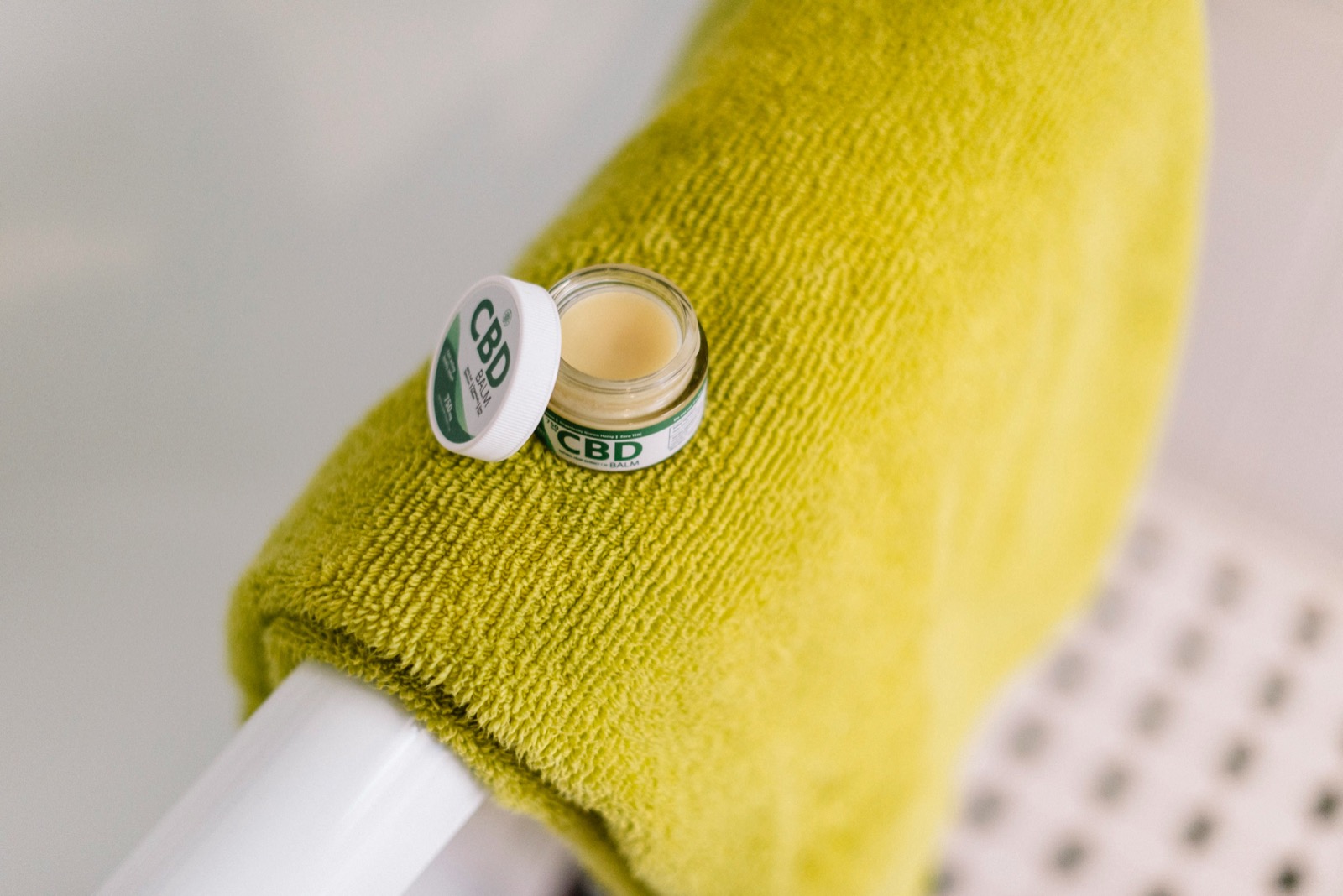
Wrapping hair in a warm towel during masking allows rich botanical lipids to coat dry cuticles evenly.
Comparing Japanese frizz-control products: Oils vs milks vs balms
Selecting the right leave-in product depends on whether your hair needs water-based softening, oil-based weatherproofing, or structural hold.
Scroll horizontally to view full table →
| Product Type | Water vs Oil Ratio | Recommended Hair Porosity | Application Timing | Primary Defense Mechanism |
|---|---|---|---|---|
| Hair Milk / Emulsion (*Heru-miruku*) | High water, moderate lipid | Stiff, dry, or low-porosity strands | Damp hair before blow-drying | Softens rigid keratin and delivers internal moisture |
| Camellia Hair Oil (*Tsubaki-abura*) | 100% Botanical lipid | Medium to high porosity; porous, lightened ends | Damp hair or dry finishing touch | Forms a slick hydrophobic barrier repelling rain mist |
| Solid Styling Balm (*Heru-baamu*) | Shea butter and beeswax blend | Coarse, curly, or unruly frizz flyaways | Dry styled hair before leaving home | Mechanical hold that tames stray baby hairs and edges |
| Anti-Frizz Setting Mist (*Sutairingu-misuto*) | Aqueous styling polymer blend | Fine, limp hair prone to humidity collapse | Immediately after heat styling | Forms a micro-flexible mesh holding shape against humidity |