title: Japanese Hair Drying Method and Heat Protection Guide h1: "Japanese Hair Drying Method and Heat Protection Guide" description: "Master the Japanese hair drying method for heat protection. Learn root-first drying, 80/20 temperature rules, downward airflow, and cuticle sealing tips." meta_description: Master the Japanese hair drying method for heat protection. Learn root-first drying, 80/20 temperature rules, downward airflow, and cuticle sealing tips. category: "how-japan-works" slug: "japanese-hair-drying-method-heat-protection" publish: true published_at: "2026-11-17" hero_image: "/images/stock/japanese-head-spa-towels-scalp-brush.jpg" hero_image_alt: "Clean salon towels, wide scalp brush, and hair care accessories prepared for gentle drying"
Japanese Hair Drying Method and Heat Protection Guide
In Japanese salon culture, blow-drying is approached not merely as a hurried chore to evaporate water, but as the foundational step of daily hair health and styling discipline. Wet hair exists in an exceptionally vulnerable physical state: keratin fibers swell with water, natural hydrogen bonds dissociate, and overlapping cuticle scales lift, exposing delicate interior cortex structures to mechanical friction and heat damage. By mastering the Japanese "roots-first" drying method and applying targeted thermal barriers, you can achieve smooth, glossy hair while safeguarding strand integrity.
The Japanese hair drying method is a disciplined blow-drying progression designed to dry hair quickly while minimizing thermal degradation to vulnerable wet cuticles. Rather than waving high heat aimlessly over fragile damp ends, Japanese stylists use a methodical progression: thorough towel blotting without friction, applying a heat-protectant leave-in emulsion or camellia oil, drying the interior scalp roots first at medium temperature while maintaining a 15 to 20 cm distance, directing airflow strictly downward along the hair shaft to smooth cuticles flat, and concluding with a 30-second blast of cool air to lock in shape and shine.
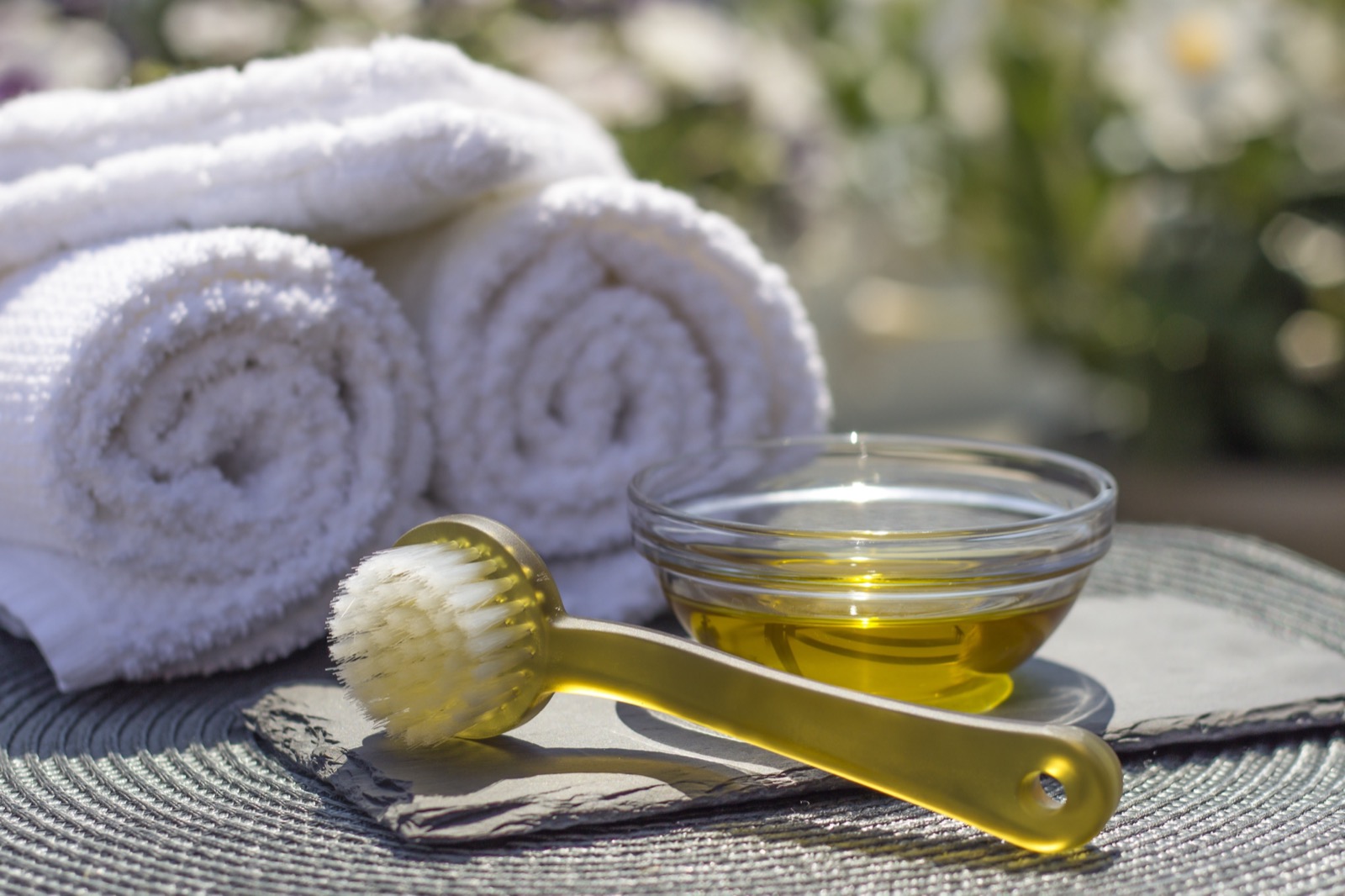
Disciplined Japanese hair drying combines gentle moisture absorption with structured thermal protection.
The science of heat damage: Why wet hair is fragile
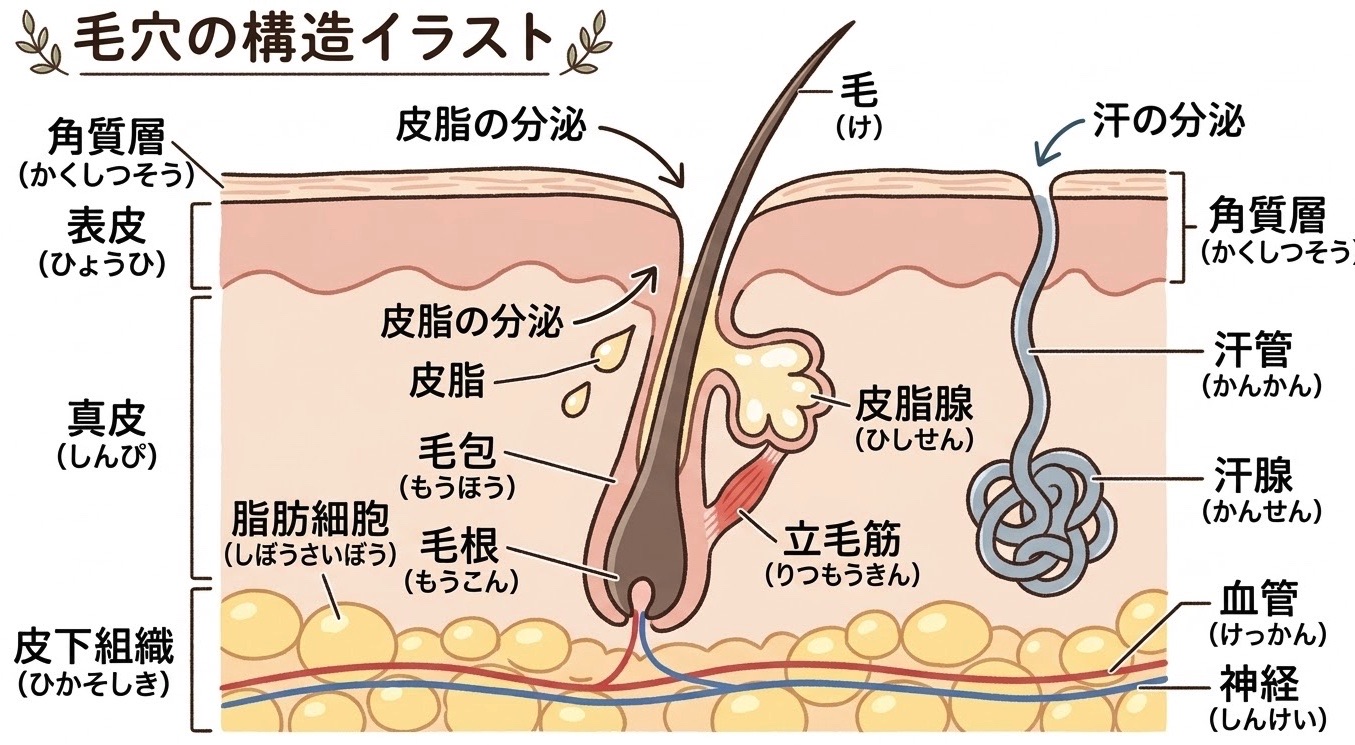
To understand why thermal protection is critical, one must examine hair's internal biophysics. Biologically, each hair strand is a protein filament that grows from follicles found in the dermis [1]. The structural backbone of this fiber is keratin. In biological chemistry, keratin is extremely insoluble in water and organic solvents [2], forming robust intermediate filaments that give dry hair immense tensile strength.
However, when hair is wet, water molecules infiltrate between polypeptide chains, temporarily breaking internal hydrogen bonds and causing the hair shaft to swell radially by up to 15%. In this saturated state, keratin's thermal denaturation threshold drops dramatically. While dry hair can tolerate temperatures above 200°C (392°F) before structural degradation occurs, wet hair begins suffering internal protein denaturation at significantly lower temperatures.
If high heat is applied directly to waterlogged strands, trapped internal moisture can boil rapidly, creating vapor micro-bubbles within the cortex (a clinical condition known as "bubble hair") that severely weaken strand elasticity. A household hair dryer is an electromechanical device that blows ambient air in hot or warm settings [3] to accelerate water evaporation. If held too close or kept stationary on one section, hot airflow can easily overheat delicate wet fibers, leading to jagged cuticle chipping, coarse split ends, and chronic dullness.
Blotting excess water gently before blow-drying reduces the total duration of heat exposure required.
Step-by-step: The Japanese hair drying technique
Japanese salon stylists follow a methodical sequence to ensure hair dries quickly with minimal thermal stress:
1. Friction-free towel blotting
Never rub, twist, or violently whip wet hair inside a rough terry cloth towel. Aggressive rubbing creates microscopic tears along swollen cuticles. Instead, envelop your hair in a plush cotton or microfiber towel and press gently with flat open palms to blot moisture out of the roots and mid-lengths.
2. Apply a heat-protective leave-in primer
While strands remain uniformly damp, dispense a coin-sized portion of heat-protectant hair milk or 2 to 3 drops of pure camellia oil (tsubaki-abura) across your palms. Work the product through your hair from the ears downward, distributing the protective film evenly over vulnerable ends. The American Academy of Dermatology advises consumers to use low or medium heat settings and a product to protect your hair from the heat [4] to avoid structural fiber breakdown.
3. Dry scalp roots first at medium heat
Begin drying by targeting the scalp and hair roots. Use medium heat and high airflow, holding the dryer nozzle 15 to 20 cm (6 to 8 inches) away from your scalp. Gently lift hair sections with your free hand to allow warm air to reach the nape and interior roots. Because roots dry slower than porous ends, drying the roots first ensures that fragile ends are not subjected to redundant heat.
4. Direct airflow strictly downward
Once your roots are approximately 80% dry, move down to mid-lengths and ends. Position your dryer above your head, pointing the nozzle downward at a 45-degree angle in the direction of natural cuticle growth (from root to tip). Gently smooth hair between your fingers or use a wide paddle brush under tension. Downward airflow smooths lifted cuticle shingles flat, ensuring a reflective, glassy finish.
5. Finish with the cool air shot (Reifuu-shiage)
Once hair is completely dry, switch your dryer to the cold setting for 30 to 60 seconds. Blowing cool air along the entire hair canopy sets temporary hydrogen bonds in their aligned, smoothed configuration, dissipates residual heat, and locks in natural radiance.
Keeping the dryer at a safe distance protects both the hair cuticle and the underlying scalp barrier.
Comparison table: Common drying habits vs the Japanese method
Small adjustments in tool handling and heat progression make an immense difference in long-term hair resilience.
Scroll horizontally to view full table →
| Drying Approach | Typical Tool Handling | Heat Damage Risk | Cuticle Alignment | Scalp Health Outcome |
|---|---|---|---|---|
| Aggressive Towel Rubbing | Vigorous rubbing with terry cloth loops | High mechanical friction | Cuticles lift, chip, and fray irregularly | Tension on damp follicles; increased shedding |
| Complete Air-Drying | Zero heat applied; left damp for hours | Zero thermal damage | Cuticles dry in an uneven, open position | Prolonged dampness encourages fungal scalp overgrowth |
| Stationary High-Heat Blasting | Dryer held close (<5 cm) to ends | Extreme thermal denaturation risk | Rapid cuticle scorching and split ends | Thermal burns and scalp barrier dehydration |
| Japanese Salon Method | Towel blot, 15 cm distance, root-first, cool finish | Minimal (controlled medium heat) | Cuticles sealed smooth and flat | Clean, dry scalp barrier with zero thermal irritation |