title: Japanese Head Spa What to Expect: Step-by-Step Salon Guide & Tips description: "Wondering what happens at a Japanese head spa? Explore the step-by-step salon process, from microscope scalp scans to blow-dry stations, plus etiquette tips." meta_description: Wondering what happens at a Japanese head spa? Explore the step-by-step salon process, from microscope scalp scans to blow-dry stations, plus etiquette tips. published_at: "2026-11-16" updated_at: "2026-11-16" fact_checked_at: "2026-11-16" author: "Miho Tanaka" fact_checker: "Miho Tanaka" category: "how-japan-works" tags:
- japanese head spa
- head spa what to expect
- scalp care japan
- tokyo beauty salon
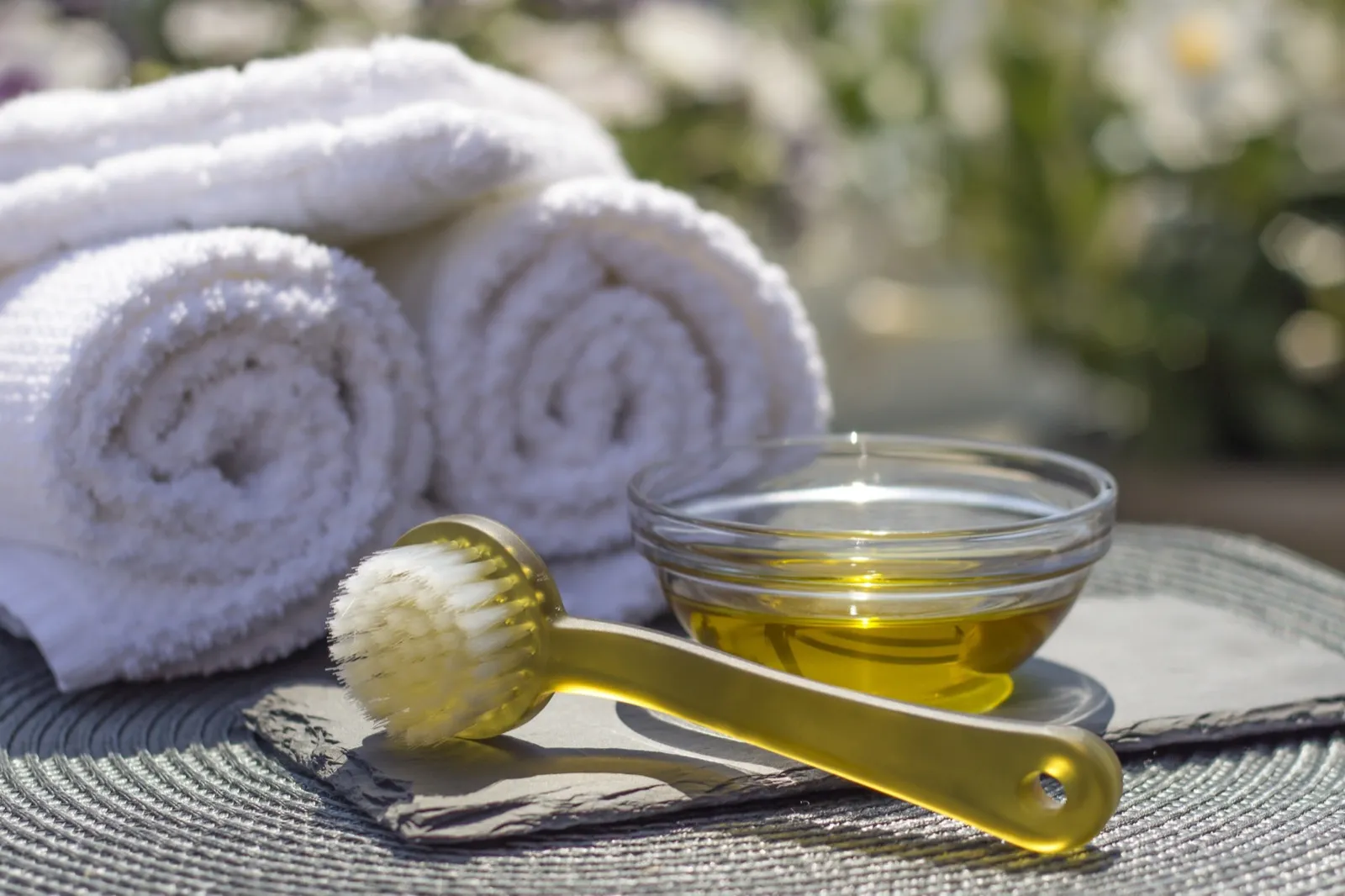
- japanese hair care thumbnail: "/images/stock/japanese-head-spa-towels-scalp-brush.jpg" thumbnail_alt: "Rolled spa towels and scalp care brush set on a clean salon counter"
Japanese Head Spa What to Expect: Step-by-Step Salon Guide & Tips
A Japanese head spa is a specialized professional salon service combining scalp cleansing, pressure-point massage, and hair fiber conditioning:
- Session Length: Typically runs 60 to 90 minutes from initial consultation to final drying.
- Core Stages: 1) Digital microscope scalp scan, 2) Full-flat reclining basin prep with pre-cleansing oil, 3) Acupressure Shiatsu massage with warm ultrasonic mist, 4) Shampoo wash and circulating waterfall head bath, 5) Post-treatment scan and blow-dry styling.
- Attire & Makeup: No need to change clothes (wear a collarless top). Facial skin and makeup remain dry behind protective forehead shields.
- Key Timing Rule: Avoid booking within three days of coloring or perming hair to prevent premature color bleeding.
If you have watched social media videos of soothing water trickling over hair or seen dramatic before-and-after scalp camera close-ups, you may be considering booking an authentic Japanese head spa. Originating in Japan as a specialized salon service, a head spa combines focused scalp cleansing, rhythmic acupressure massage, and intensive hair conditioning.
However, first-time visitors—especially travelers visiting Tokyo or other Japanese cities—often have practical questions: How long does the appointment take? Will my makeup get ruined? Do I need to bring my own hairbrush or change clothes?
This guide walks you through the step-by-step procedure of an authentic Japanese head spa salon visit, explaining what happens during each phase of the appointment, how salons prepare clients, and key etiquette tips to ensure a comfortable experience.
What Is a Japanese Head Spa?
A Japanese head spa is a dedicated salon service focused primarily on the health of the scalp and the condition of the hair strands[1]. Rather than viewing hair washing as a brief preliminary step before a haircut, a head spa provides the scalp with the same level of care that an aesthetician provides during a facial service.
Specialized Japanese head spa salons generally structure their treatments around three core objectives: deep pore cleansing, muscle relaxation through targeted acupressure, and structural hair fiber hydration[1]. In Japan, modern head spa culture expanded significantly during the 2000s, supported by the development of ergonomic backwash equipment engineered specifically to keep clients comfortable while lying completely flat for extended sessions[2].
+-------------------------------------------------------------------------+
|                  Typical Japanese Head Spa Session (60–90 min)          |
|                                                                         |
|  1. Intake & Scope Scan -> 2. Basin Cleansing -> 3. Acupressure Massage |
|         (10 min)                 (15 min)                 (25 min)      |
|                                                                         |
|            -> 4. Mask & Halo Rinse -> 5. Post-Scan & Blow-Dry           |
|                       (15 min)                    (15–20 min)           |
+-------------------------------------------------------------------------+
The 5 Sequential Stages of a Head Spa Session
While individual salon menus vary in length and specific botanical formulations, established specialized salons in Japan follow a consistent five-stage protocol designed for hygiene, comfort, and relaxation.
Stage 1: Consultation and Digital Microscope Scalp Analysis
Your appointment typically begins in a private or semi-private consultation area. The therapist will ask about your primary scalp and hair concerns, such as excess sebum, dryness, tightness, or product buildup.
Next, the practitioner uses a handheld digital trichoscope (a high-magnification microscope camera) placed directly against your scalp. A live video feed displays your scalp surface on a tablet or monitor:
- Pore Openings: You will inspect whether sebum plugs or cosmetic residue are accumulating around the base of the hair follicles.
- Scalp Tone: Healthy scalp tissue usually displays a translucent, slightly bluish-white tone, whereas irritation or chronic tension often appears pinkish or red.
- Hydration Balance: The scan reveals whether the skin appears flaky and dehydrated or excessively coated in oxidized oils.
This initial diagnostic step allows the specialist to select customized cleansing agents, massage oils, and hair conditioning treatments tailored to your immediate scalp condition.
Stage 2: Preparation at the Reclining Shampoo Bed

Following the consultation, you will be escorted to the shampoo suite. In specialized Japanese salons, these suites feature low ambient lighting, gentle background music, and specialized full-flat reclining beds, such as the YUME series developed by Japanese equipment manufacturer Takara Belmont[2].
Unlike standard Western salon chairs that tilt back partially and place pressure on your cervical spine, these ergonomic beds recline to a completely horizontal position[2]. Soft gel-filled neck cushions and head pillows cradle the base of your skull, distributing weight evenly so you can lie comfortably for 45 minutes or longer without neck strain[2].
Before water is applied, the practitioner often applies a specialized pre-cleansing oil, gel, or carbonated cleansing foam directly to dry or lightly dampened roots. This pre-cleansing step helps soften hardened sebum plugs and dissolve stubborn styling residue without abrasive physical scrubbing.
Stage 3: Acupressure Scalp Massage and Warm Mist
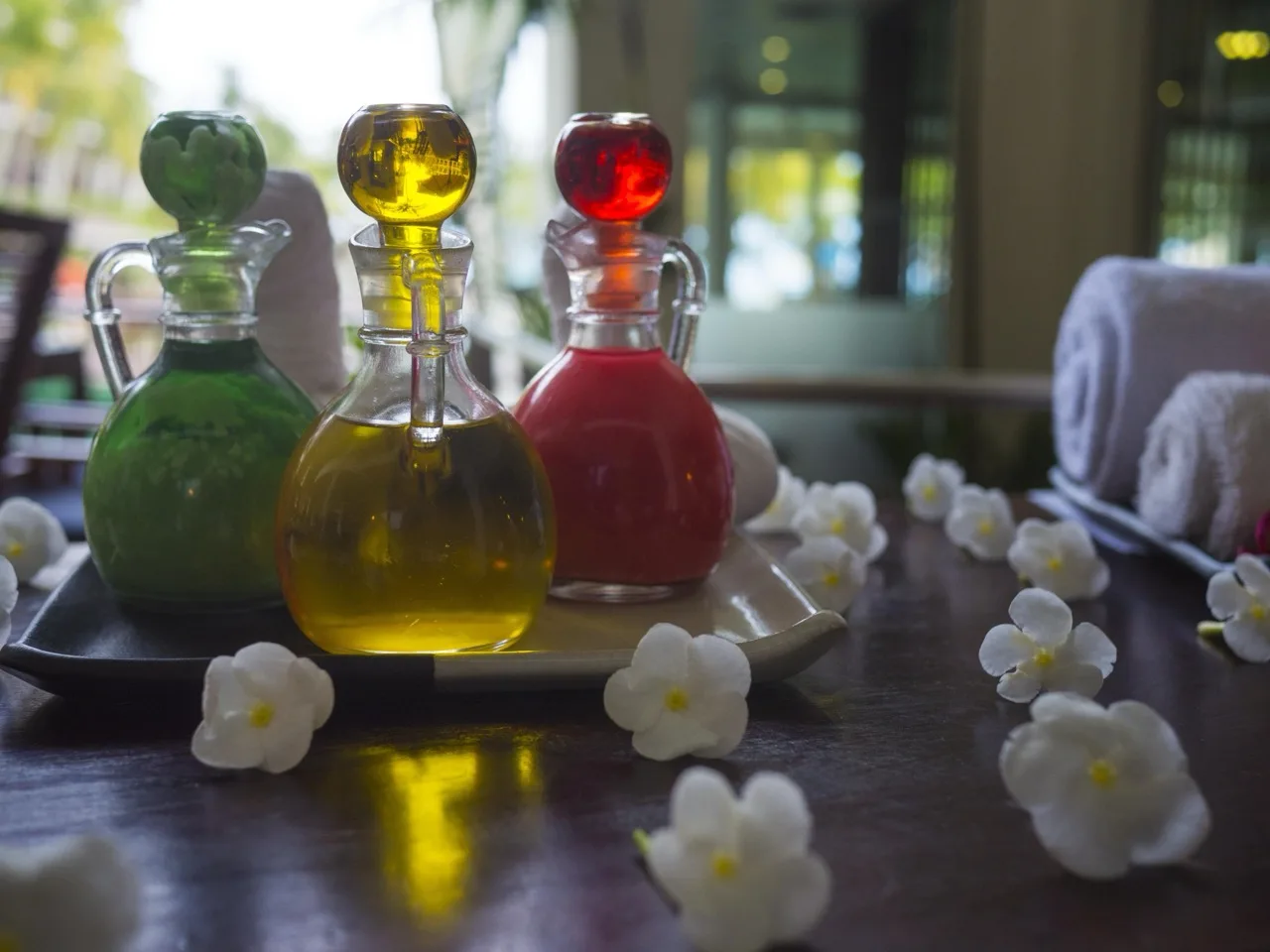
The massage phase represents the core of the Japanese head spa experience. Therapists utilize slow, rhythmic finger-pad pressure inspired by traditional Japanese Shiatsu techniques.
The practitioner methodically works through key anatomical zones:
- Occipital Ridge & Neck: Gentle kneading around the base of the skull relieves tension from prolonged computer and smartphone use.
- Temporal & Parietal Areas: Circling motions along the sides of the head ease jaw clenching and temporal stiffness.
- Crown (Vertex): Firm, sustained upward pressure stimulates local micro-circulation and relieves overall head heaviness.
During this massage, many salons deploy an ultrasonic fine-mist machine (such as Takara Belmont's Spa Mist II) positioned over the basin. The machine emits warm, microscopic water vapor particles that gently warm the scalp, opening cuticles and softening sebum without the scalp-stripping heat of conventional steam.
Stage 4: Customized Cleansing, Conditioning, and Head Bath
Once the massage softens residual scalp buildup, the therapist thoroughly lathers your hair using a customized amino-acid or botanical shampoo. The washing technique uses rhythmic, wave-like finger motions rather than fingernails, ensuring thorough cleansing without scratching the epidermal barrier.
After rinsing the shampoo, a concentrated hair mask or scalp tonic is applied from roots to ends. Salons frequently incorporate a "head bath" (tou-shin-yoku) fixture—a curved metallic ring that rests above the forehead and releases a gentle, continuous waterfall of warm water over the crown of the head. This circulating warm stream creates a meditative sensory experience while evenly distributing conditioning agents across the hair cuticles.
Stage 5: Follow-Up Microscope Scan and Styling Station
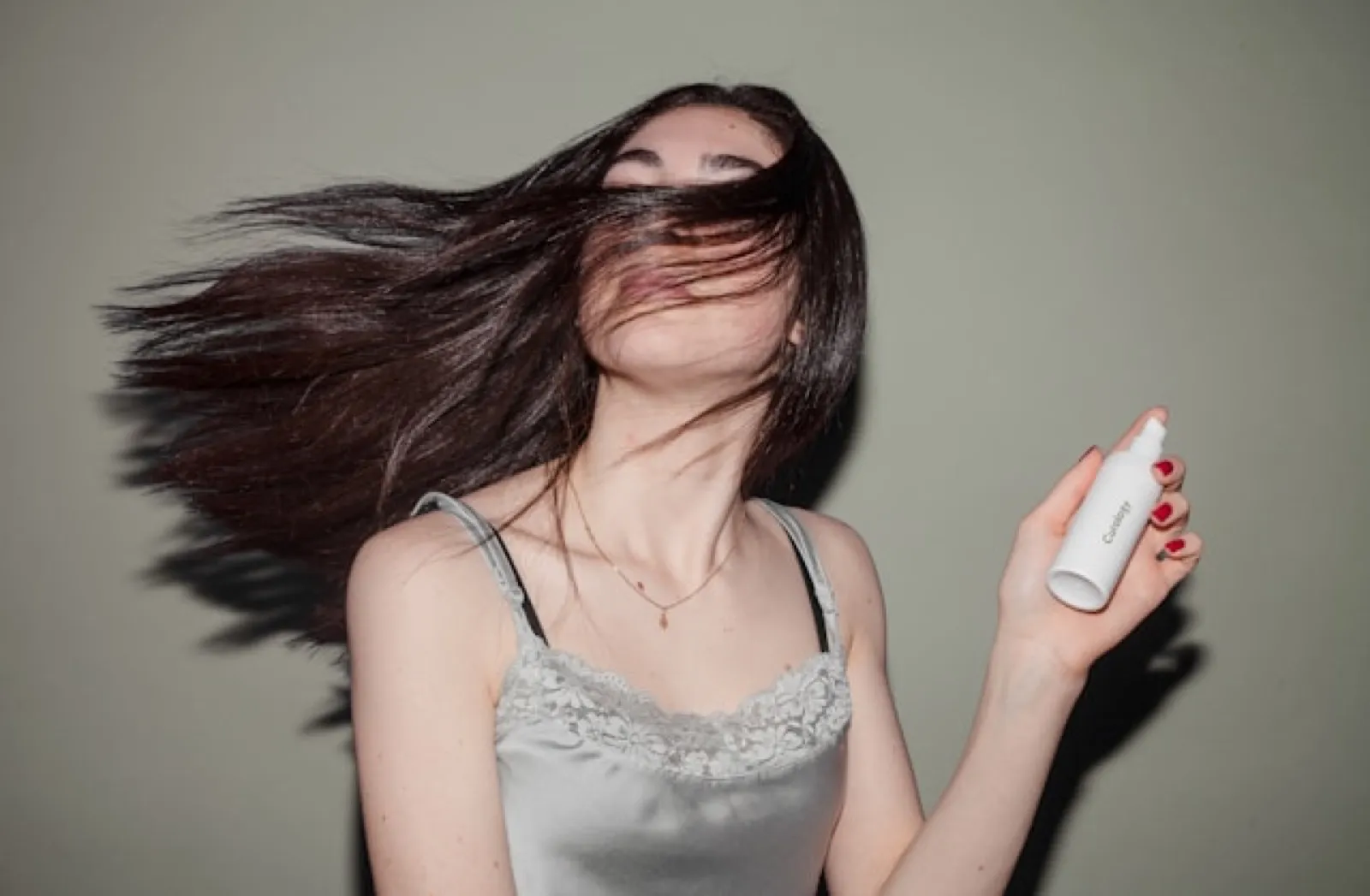
After a final thorough rinse, the therapist wraps your hair in a warm towel and guides you back to the vanity or styling area.
Here, the practitioner repeats the digital microscope scan in the same areas examined during Stage 1. Clients can observe the contrast: follicle openings that were previously clogged with oxidized oil or dry flakes typically appear clean, with clear conical indentations around the hair roots.
The therapist will towel-dry your hair and apply a leave-in scalp essence. Depending on the salon's operational policy, the therapist will either blow-dry your hair completely or provide professional styling tools (such as hair dryers, straighteners, and brushes) for you to complete your styling in a private vanity nook[1].
For details on salon budgeting and reservation workflows in Japan, see our guide on Japanese head spa cost and booking abroad. You can also explore how these specialized sessions differ from general body work in our comparison of Japanese head spa vs regular scalp massage.
Practical Comparison: Session Stages and What You Experience
The table below summarizes each phase of a standard appointment, outlining the duration, activities, and client experience.
Scroll horizontally to see full details.
| Stage | Duration | Primary Activities | What You Feel / Experience |
|---|---|---|---|
| 1. Consultation & Scope | 10–15 min | Questionnaire, scalp camera analysis, custom oil/shampoo selection | Curiosity and visual insight into magnified scalp condition |
| 2. Prep & Pre-Cleanse | 10–15 min | Settling into full-flat bed, applying sebum-dissolving oil or foam | Neck cradled comfortably; soothing ambient lighting |
| 3. Shiatsu Massage | 20–30 min | Acupressure along occiput, temples, and crown; warm ultrasonic mist | Deep physical relaxation; tension relief around eyes and neck |
| 4. Wash & Head Bath | 15–20 min | Amino acid shampoo, conditioning wrap, circulating waterfall halo | Sensory immersion in gentle warm water sounds; clean scalp feel |
| 5. Re-Scan & Drying | 15–20 min | Follow-up camera check, scalp tonic application, blow-drying | Visible confirmation of clean pores; refreshed, light hair feel |