title: Japanese Hot Towel Facial Steaming at Home: Full Guide h1: "Japanese Hot Towel Facial Steaming at Home: Full Guide" description: "Learn how to do Japanese hot towel facial steaming at home safely. Discover heating steps, pore softening benefits, burn prevention, and sensitive skin tips." meta_description: Learn how to do Japanese hot towel facial steaming at home safely. Discover heating steps, pore softening benefits, burn prevention, and sensitive skin tips. category: "how-japan-works" slug: "japanese-hot-towel-facial-steaming-at-home" publish: true published_at: "2026-11-17" hero_image: "/images/stock/hero-woman-white-bathrobe-morning-skincare-routine.jpg" hero_image_alt: "Woman in a white bathrobe enjoying a relaxing morning skincare and facial steaming ritual"
Japanese Hot Towel Facial Steaming at Home: Full Guide
In Japanese home beauty rituals, applying a comforting warm towel to the face—often referred to as mushi-taoru—is a time-honored technique for prepping the skin before skincare or cleansing. Long practiced in traditional Japanese barbershops, hot spring inns, and luxury esthetic salons, warm towel steaming uses gentle moist heat to soften rigid surface oils and ease tension across facial muscles. When practiced thoughtfully at home, it transforms a basic skincare routine into a restorative self-care moment.
Japanese hot towel facial steaming involves draping a freshly heated, moist cotton cloth over the face for 1 to 2 minutes. The moist thermal vapor temporarily softens hardened sebum and loosens dead surface cells on the skin surface. Performed at a safe temperature of approximately 40°C (104°F), it encourages superficial blood flow and helps subsequent toners or face oils glide smoothly. However, careful temperature testing is essential to prevent thermal burns, barrier dehydration, or ruptured facial capillaries.
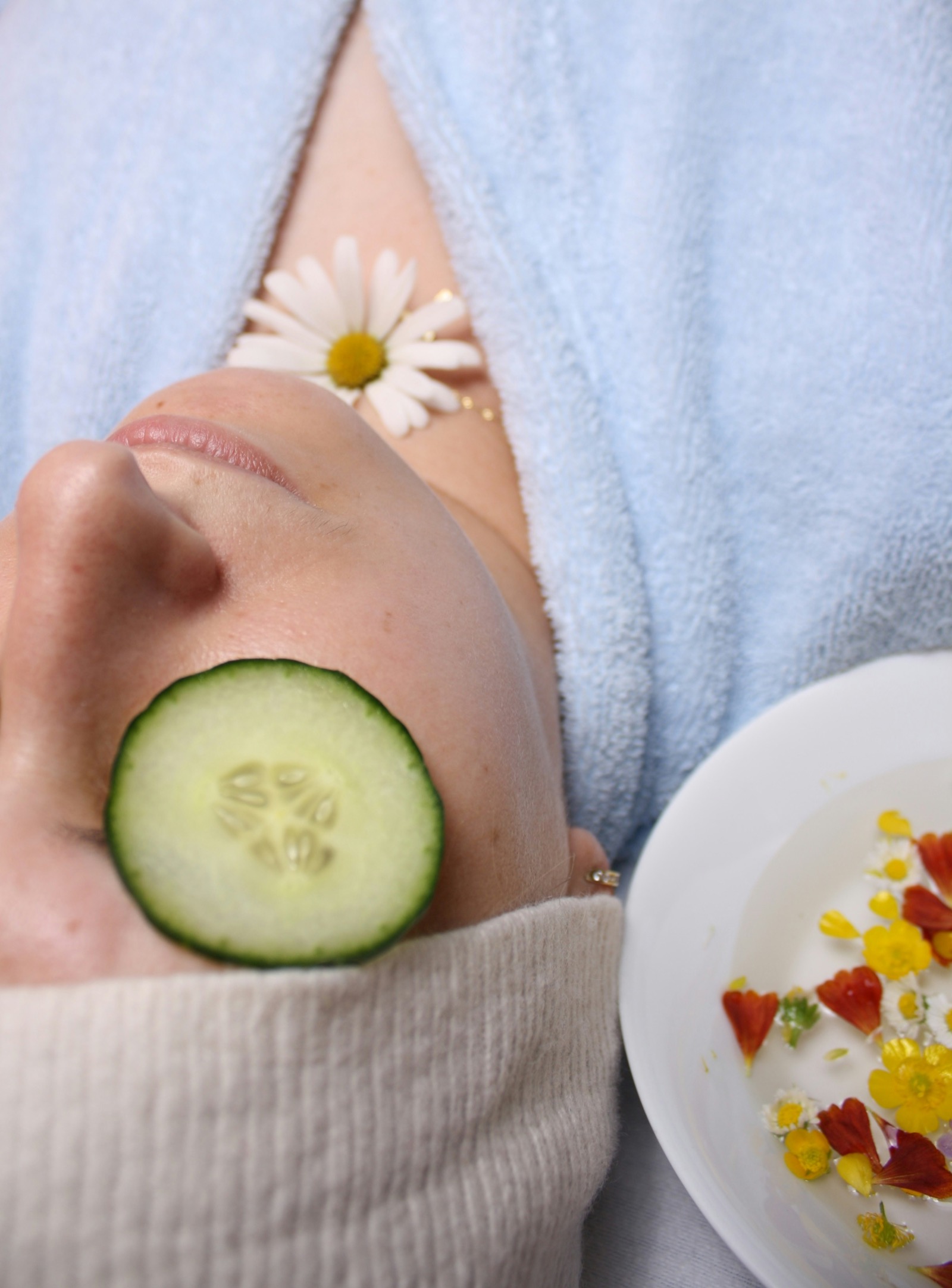
Warm towel steaming combines moist thermal comfort with traditional Japanese beauty practices to soften facial skin.
What is Japanese hot towel facial steaming (mushi-taoru)?
The tradition of mushi-taoru has roots in Japanese hospitality culture, closely connected to oshibori—the warm, damp cotton hand towels offered to guests arriving from cold weather. Over decades, Japanese beauty professionals adapted this comforting practice for facial care. Rather than relying on complicated electrical machinery, home practitioners use a simple, thick cotton face towel saturated with water and gently heated.
Physiologically, the warm steam acts on the stratum corneum, which is the outermost layer of the epidermis [4] responsible for retaining essential moisture and defending against environmental irritants. When mild warmth and moisture contact this superficial keratin layer, dry skin flakes soften, and hardened sebum within follicular openings becomes more pliable, allowing mild cleansers to wash away debris without intense mechanical friction.
Simultaneously, local warmth promotes mild superficial vasodilation. In human physiology, vasodilation represents the widening of blood vessels; it results from relaxation of smooth muscle cells within the vessel walls [2]. This subtle, transient increase in microcirculation delivers a healthy, rosy flush and eases tightness around the jaw, temples, and forehead after hours of screen exposure or stress.
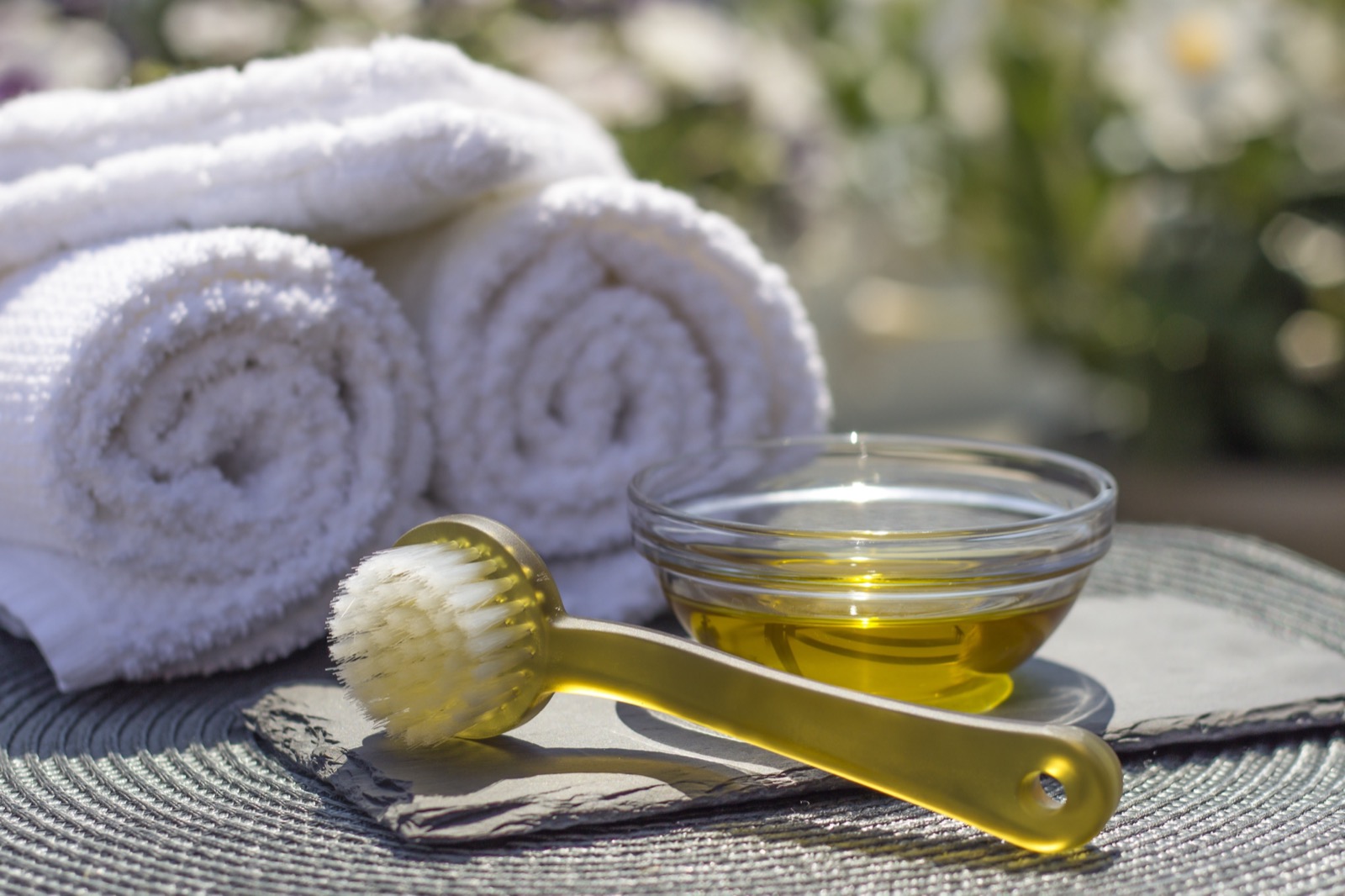
Using clean, high-density cotton face towels ensures consistent heat retention and a soft tactile experience.
Step-by-step: How to steam your face with a hot towel at home
Executing hot towel facial steaming safely requires precise temperature control and gentle handling. Follow these five practical steps to protect your skin barrier while enjoying the warming ritual:
1. Select and wet a clean cotton towel
Choose a clean, plush face cloth made of 100% cotton. Towels with dense terry loops retain thermal vapor significantly longer than thin polyester cloths. Thoroughly soak the towel in clean tap water, then wring it out until it is uniformly damp without dripping. If the towel is left dripping wet, boiling liquid can accumulate in pockets; if it is too dry, it will lose heat within seconds.
2. Heat the towel with care
You can warm the towel using either of two dependable household methods:
- Microwave heating: Roll the damp towel into a neat cylinder, place it inside a heat-resistant bowl or clean microwave-safe pouch, and heat it on medium-high (500W to 600W) for 30 to 45 seconds. Avoid excessive heating times, which can create localized steam hotspots.
- Hot water soaking: Submerge the towel in a basin of hot tap water (around 50°C / 122°F), then squeeze out the liquid with tongs or heat-resistant gloves.
3. Test the temperature on your inner wrist
Before placing any heated fabric near your delicate facial skin, unroll the towel slightly and press it against the underside of your wrist or forearm. The fabric should feel soothingly warm, never scalding or painful. If steam billows aggressively or the surface stings your wrist, allow the towel to cool for 20 to 30 seconds before proceeding.
4. Drape gently over the face for 1 to 2 minutes
Fold the towel horizontally or into an open triangle. Rest the center across your chin and cheeks, gently wrapping the wings upward over your temples and forehead while leaving your nostrils uncovered so you can breathe naturally. Close your eyes and let the mild warmth rest passively against your skin for 1 to 2 minutes. Avoid pressing down or rubbing the cloth vigorously against the face.
5. Follow immediately with replenishing hydration
As soon as you remove the towel, the sudden exposure to room air triggers rapid evaporative moisture loss. Immediately apply your preferred hydrating lotion, serum, and an emollient moisturizer to lock in surface hydration and support the lipid barrier.

Always check the temperature on your inner wrist before draping the warm cloth across your face.
Japanese hot towel steaming vs electric facial steamers
While countertop ionic steamers and plug-in facial saunas have gained popularity, traditional cotton towels remain a staple in Japanese households due to their accessibility and tactile advantages.
Scroll horizontally to view full table →
| Steaming Method | Primary Heat Source | Preparation Time | Skin Barrier Sensation | Maintenance & Storage |
|---|---|---|---|---|
| Japanese Hot Towel (*Mushi-taoru*) | Moist heated cotton terry loops | 1 to 2 minutes (microwave or tap) | Weighted, comforting physical contact | Regular machine wash; zero counter footprint |
| Electric Facial Steamer | Boiler tank generating ultrasonic mist | 3 to 5 minutes to generate vapor | Dispersed warm aerosol without direct weight | Requires distilled water and frequent descaling |
| Warm Shower Steam | Ambient bathroom humidity | Incidental during daily bathing | Diffuse atmospheric heat with chlorine exposure | No extra equipment, but lacks focused facial warmth |